

$429.00

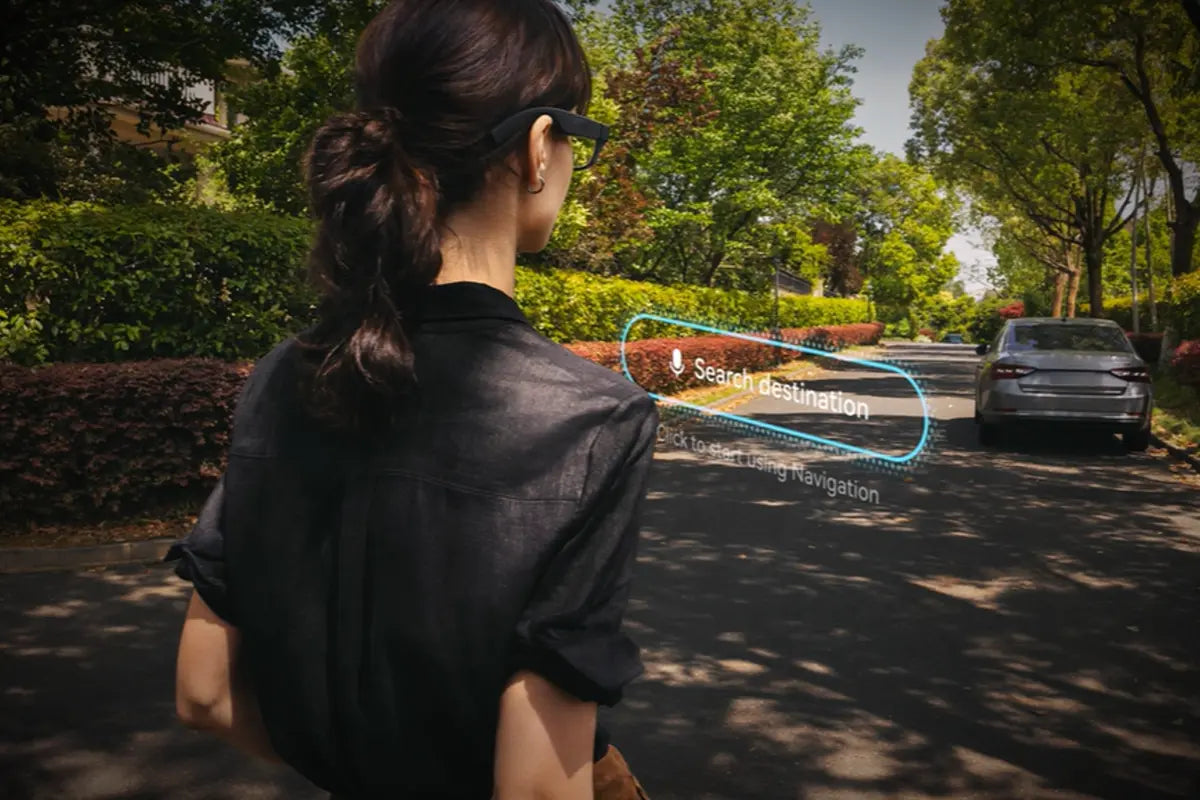
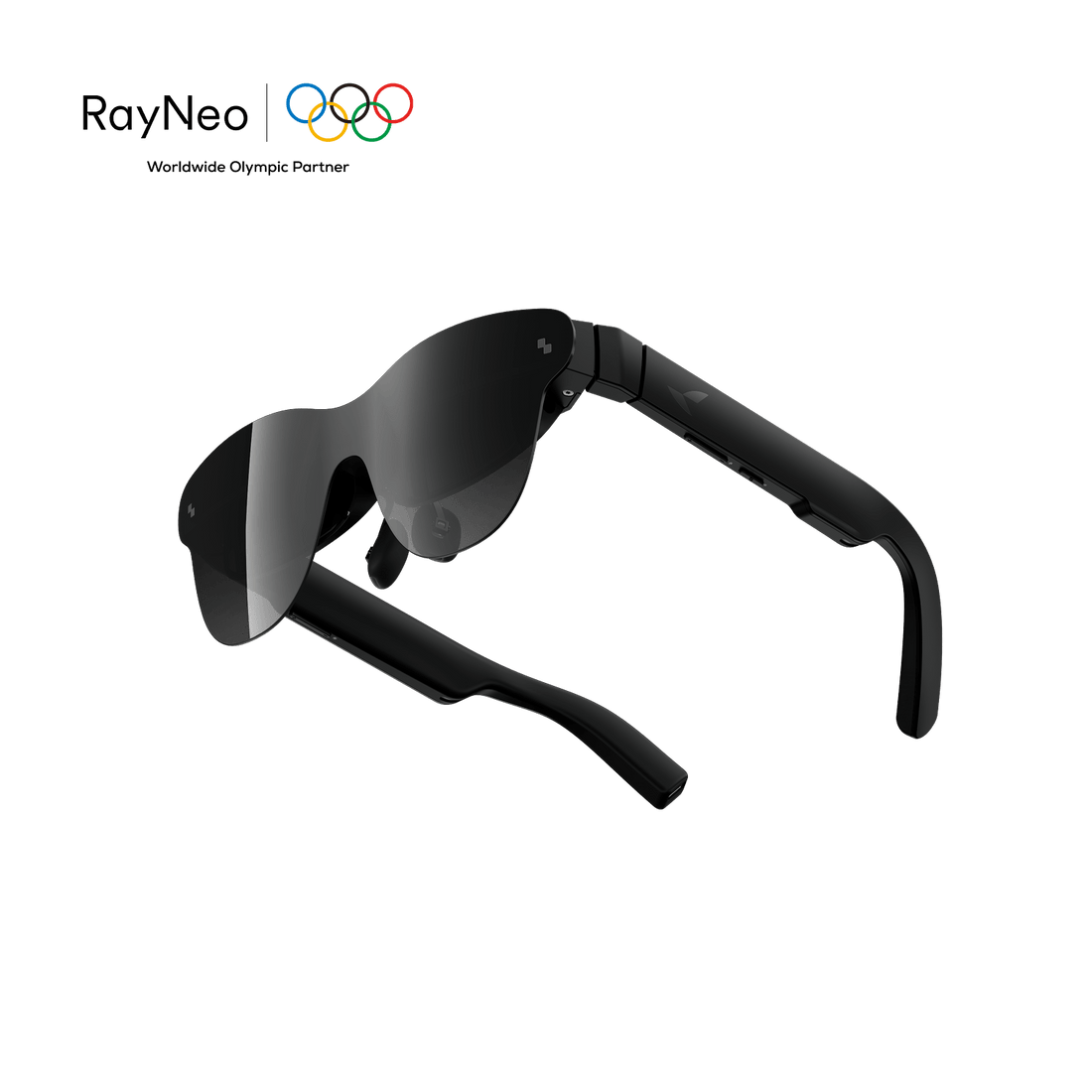
RayNeo X3 Pro is the camera in RayNeo's lineup: a 12MP Sony IMX681 sensor shooting up to 4K, with a second monochrome camera handling spatial positioning and depth, all inside a 76-gram frame that also runs a full-color display and its own AI.
What that buys you is not another camera. It is the one angle a camera on a stick or in your hand cannot reach: exactly what you are looking at, while both hands stay on the work.
A phone has the bigger sensor and the longer processing pipeline, and for a posed shot you have time to set up, it should be the tool you reach for. The moment you need both hands, the phone stops being an option at all.
Cooking a dish, repairing a bike, coaching a swing, walking a client through a site, catching a child's first steps: these are one-take moments that happen at your eye line. X3 Pro records them from exactly where you are watching them, with a wide field of view that keeps the action in frame while you move. That is the whole proposition, and no phone competes on it.

In daylight the 12MP sensor delivers clean, usable footage, and TechRadar Pro found the wide-angle framing well suited to point-of-view work. Outdoors, in a bright kitchen, on a lit workbench, this is a camera you can hand results to a client from.
Light is the single lever that moves quality most, on any sensor this size. Shoot with the window behind you rather than in front, turn the overhead lights on for indoor work, and evening footage holds up. Plan a shoot around good light and the 4K mode rewards it.
X3 Pro is built for bursts, and the numbers line up behind that design. A 245mAh cell keeps the frame at 76 grams, and a full recharge takes 38 minutes, so the pattern that works is a morning of clips, a top-up over lunch, an afternoon of more.
Storage is sized to match: 32GB onboard holds more 4K footage than a single charge will get through, so capacity is never the thing that stops a shoot. Clear last week's clips before a shoot worth keeping and capacity never becomes the thing you think about.
X3 Pro is a standalone platform with its own processor, storage, operating system, Wi-Fi 6, and battery. Captured content is managed, reviewed, and shared onward through the RayNeo app, so footage reaches wherever you edit without a card reader or a cable hunt.
The pre-shoot routine that saves grief is short: clear the storage, charge to full, and confirm the app is signed in. Two minutes before you leave.
Hands-free only counts if starting the recording is hands-free too. Three routes cover it: a voice command with "Hey RayNeo", the five-way touch panel on the right temple, and shortcuts in the RayNeo app for AR photos and videos. The first two are what make the camera usable mid-activity, gloves on and hands busy.

A recording indicator light on the front frame lights whenever the camera is running, which TechRadar Pro described as serving both as a privacy signal and a practical reminder to the wearer. It tells the room what is happening and tells you that you left it on.
Beyond the light, recording responsibly means knowing the rules where you are standing: video in public, audio alongside it, and recording inside private premises are three different questions in most places, and audio is usually the strictest. Our guides to the law around recording with camera glasses and how video and audio are treated together cover it properly.
Not every job needs a lens. For captions, meeting notes, translation, and a heads-up dashboard, RayNeo iO delivers all of it at 33 grams and $449, and it is designed without a camera at all. That is what makes it welcome in the rooms a camera cannot enter: client meetings, hospitals, schools, gyms.
Two products, two deliberate decisions. Pick the one that matches the job.
| Your goal | The pair | What makes it fit |
|---|---|---|
| Point-of-view video in good light | X3 Pro | 12MP, up to 4K, wide framing, 76g |
| AI that answers about what you see | X3 Pro | The camera feeds visual queries |
| A day of intermittent clips | X3 Pro | Burst-sized battery, 38-minute full charge |
| Captions, notes, and translation with no recording of the room | iO | Camera-free by design, 33g, up to two days |
For ranked comparisons across use cases, see camera glasses by video quality and first-person capture.
Can I take stills without recording video? Yes. The camera app handles both, and the same 12MP sensor covers stills and video.
What does the second camera do? The monochrome camera handles spatial positioning and depth tracking, which is what supports the spatial features and dual recording rather than the look of your footage.
How steady is walking footage? Any head-mounted camera moves with your head, so the technique that pays off is moving deliberately: turn from the waist, pause at the start and end of a shot, and let the wide framing hold the action while you move slowly.
Does recording drain the battery quickly? Video is one of the heavier tasks on any pair of glasses, which is why X3 Pro pairs a light frame with a 38-minute full charge. Shoot in bursts, top up between them, and the day works.
How much can I record before storage runs out? 32GB holds more 4K footage than a charge will get through, so the practical limit is battery rather than capacity. Clear old clips as part of the pre-shoot routine and it stays that way.
Ready to shoot from your own point of view? See RayNeo X3 Pro, or look at RayNeo iO if you want the AI without the camera.





Share:
Which AR Glasses Have the Sharpest Text for PDFs and Code?
Which Smart Glasses Are Light Enough to Wear All Day?