

$449.00

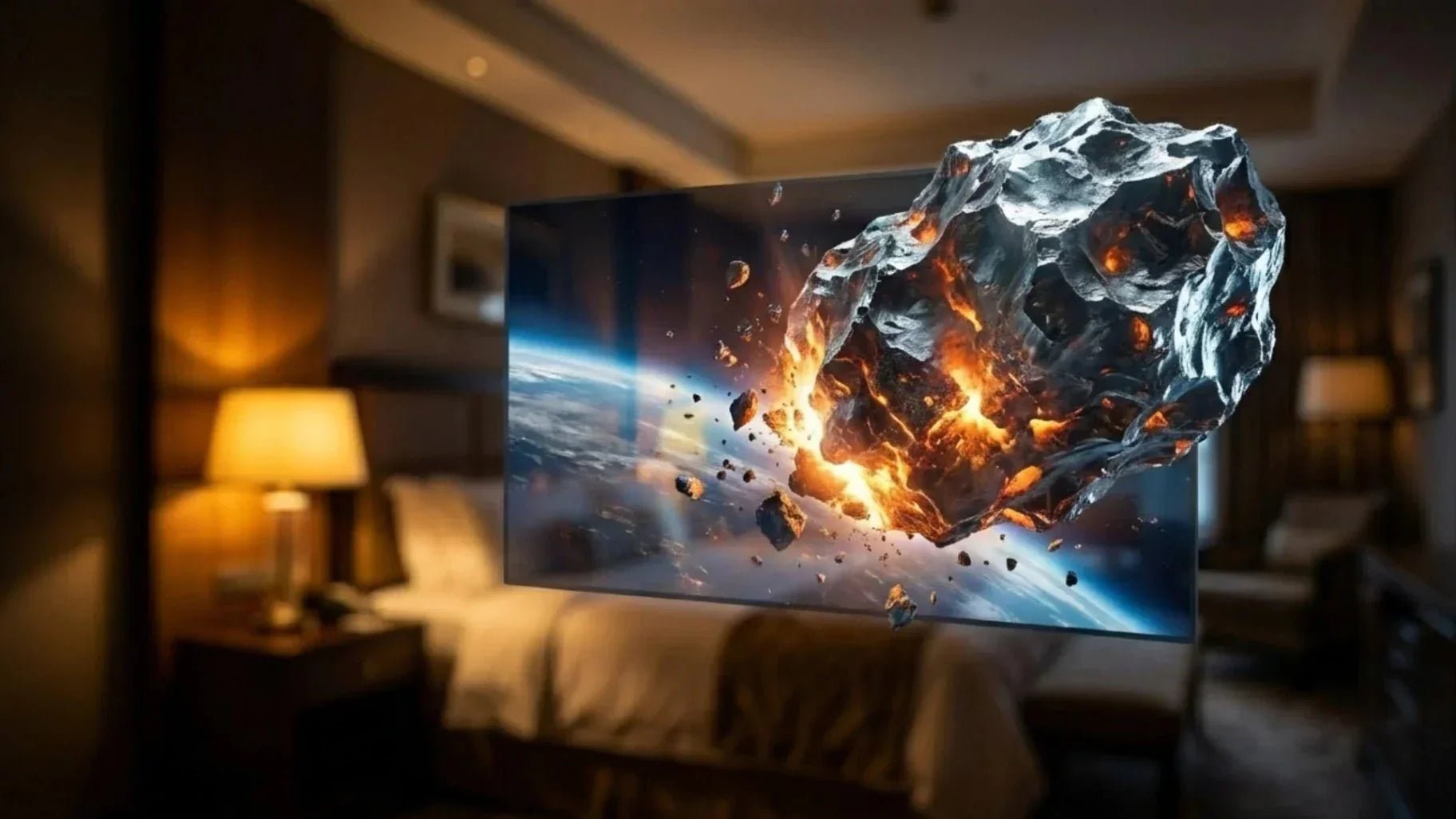
When we discuss the best gaming glasses for Steam Deck and handheld devices, the key lies in whether they can consistently reduce eye strain, enhance contrast, and maintain portability and comfort during long sessions exceeding two or three hours.
In this article, we will systematically break down the actual pain points of using gaming glasses and smart glasses in handheld scenarios. We will cover everything from digital eye strain and blue light exposure to lens specifications, wearing comfort, and price-to-performance ratios. Drawing from our hands-on experience with the RayNeo X3 Pro and RayNeo Air 4 Pro, we provide practical buying advice for players on Steam Deck, ROG Ally, Nintendo Switch 2, and other platforms.
IIn the current market, the definition of gaming-glasses has moved far beyond its early days of simple yellow-tinted blue light blockers. The entire category has split into two main architectures: traditional flat-lens protective eyewear and display-based smart glasses centered on Micro OLED or Micro LED technology. The former functions like standard protective lenses. By filtering high-energy blue light and adding anti-reflective coatings, they improve digital eye strain symptoms such as dryness, stinging, and blurred vision. The latter places the screen directly in front of your eyes. If you are exploring the display category, checking out the best ar glasses for augmented reality experiences can clarify how these micro-displays handle daily visuals. With refresh rates of 60 to 120Hz and virtual displays equivalent to 100 to 200 inches, these help handheld gaming feel more natural by allowing the eyes to adjust to a more comfortable focal distance, which indirectly affects fatigue and focus.
Recent studies on digital eye strain and blue light filtering show that users who regularly use these lenses report significantly better relief from symptoms like dryness, soreness, and headaches compared to those who do not. This difference is even more noticeable during long gaming sessions or when using multiple devices at once. For handhelds like the Steam Deck or Switch 2, gaming glasses handle two key tasks. One is optical modulation, and the other is resetting the user's posture and viewing distance. The combination of both is what truly upgrades the gaming experience.

Unlike desktop monitors used at a fixed distance, handhelds are held 30 to 45 cm from the face. This distance constantly shifts with body movement. This increases the burden on eye focus and makes images less stable. Low-brightness PWM dimming on OLED handhelds and complex UIs on small screens add to the strain. Players often report soreness, dryness, and mild headaches within 30 to 60 minutes. This is especially true during commutes or while lying in bed. For players looking to take their setup further, learning about cloud gaming anywhere how ar display glasses are changing portable gaming shows how this tech removes physical display limits entirely. Ultimately, gaming glasses reduce these hidden costs by filtering blue light, stabilizing contrast, and expanding the equivalent screen size until you no longer notice the strain.
Digital eye strain involves symptoms like dryness, blurred vision, and headaches after long screen sessions. It is caused by image quality, lower blink rates, and eye muscle spasms. A survey of thousands of adults shows that 65% experience these symptoms. For people using multiple devices, that rate hits 75%.
These findings match our observations of Steam Deck, ROG Ally, and Switch 2 users. Many players find that sessions over two hours cause soreness and dry eyes. This is common when lying down at night. High-quality gaming glasses with blue light filtering and anti-reflective coatings help. They can extend Steam Deck OLED playtime from 1.5 hours to nearly 3 hours. Subjective fatigue drops significantly. Recent research supports this, showing that blue light filtering lenses effectively relieve symptoms.
High-energy blue light (400 to 500 nm) impacts circadian rhythms and melatonin. High exposure at night is linked to delayed sleep and lower sleep quality. Players who enjoy one more round before bed face a negative cycle. Small screens in dark rooms need higher brightness to see the HUD. This increases blue light output and pushes sleep further away.
Recent studies show that blue light filtering lenses improve sleep quality and reduce strain symptoms. We tested this with the Steam Deck OLED at night. Keeping brightness at 30% to 40% and using certified glasses kept sleep times close to the normal baseline. Even after a rogue-like session, users felt less of the persistent tension that keeps them awake.
Visual performance on handhelds involves more than resolution. It includes contrast, detail recognition, and image stability in fast scenes. Many Steam Deck players report that gaming glasses with anti-reflective coatings make a difference. Enemy outlines, box edges in dark areas, and text sharpness all show visible improvement. This is especially helpful in bright settings like balconies or cafes.
After picking the right category for your handheld, focus on specific optical and structural features. These details define your experience on subways, sofas, or in hotel beds. Users of the Steam Deck OLED and Windows handhelds often demand better anti-glare, contrast, and portability.
Handheld-friendly gaming glasses share three traits: they suppress environmental glare, maintain dark details, and fit into a small bag.
Outdoor play often causes reflections on handheld screens. These reflections hide HUDs, crosshairs, and subtitles. Players often struggle by shifting positions or maxing out brightness. High-efficiency anti-reflection (AR) coatings reduce surface reflections and ghosting. This keeps images clear even in complex lighting. If you use a Steam Deck near a window, these coatings let you maintain visibility at lower brightness levels.
For display-type smart glasses, lenses serve as both a projection medium and a window. This makes the anti-reflection design more complex. In environments with many light sources, like a subway car, smart glasses with multi-layer coatings and high-brightness Micro OLED screens maintain high contrast. They resist interference from overhead lights or window reflections. This is critical for action and competitive shooters.
A moderate lens tint acts as a light filter. It improves contrast without ruining color accuracy. This makes dark details easier to see. Many handheld and AR glasses users find that warm or slightly gray tints are more relaxing for long sessions. This aligns with research on brightness and contrast modulation. When contrast between the foreground and background is balanced, the eyes do not have to work as hard to adjust.
Consider smart glasses with HDR10 and high-contrast displays. When a handheld outputs SDR content, the internal display chip can perform real-time tone mapping and contrast optimization. This preserves highlights while pulling dark details out of the shadows. This enhancement is very noticeable in open-world or horror games. With a 200,000:1 contrast ratio, the image feels solid and natural rather than over-processed.
The appeal of the Steam Deck and other handhelds is the ability to play anywhere. Your gaming glasses must match this portability.
We tested a setup featuring the Steam Deck OLED and 76-gram smart glasses in a small accessory bag. The entire kit fits easily into an airplane seat-back pocket. This allows you to unpack, wear, play, and pack everything away without changing your seating position. This level of convenience determines if you will actually carry the device long-term.
Prescription compatibility is a major concern for many players. Early video glasses lacked adjustment options and had to be worn over regular glasses. This caused issues with nose pressure, focus, and bulk.
Modern products solve this with swappable prescription inserts or built-in diopter adjustment. Some allow users to adjust focus themselves within a range of 0 to -6.0D or higher. This physical adjustment also benefits families. Different users can share the same device by simply swapping an insert or recalibrating the focus. Many Steam Deck and Switch players now share their big-screen experience with partners or children.
Key Metrics for Handheld-Friendly Gaming Glasses:
|
Metric |
Recommended Range/Feature |
Benefit for Handheld Use |
|
Weight |
Under 80 grams |
Reduces pressure on nose and ears for 2+ hour sessions |
|
Peak Brightness |
800 to 1,200 nits |
Resists daytime ambient light to keep images clear |
|
Contrast Ratio |
Above 100,000:1 |
Improves dark details and scene depth |
|
Refresh Rate |
90 to 120 Hz |
Reduces motion blur in action games |
|
Blue Light Control |
Certified low blue light |
Reduces eye fatigue and sleep disruption |
|
Prescription Support |
Inserts or diopter adjustment |
Ensures comfort for users with myopia |
After considering optical specs, comfort, handheld compatibility, and real-world experience, we prefer recommending solutions that balance a virtual big screen with eye care. Global surveys show that more than half of adults spend over six hours daily on digital devices. Nearly 30% of these adults use gaming hardware regularly. For many players, eye fatigue has shifted from an occasional problem to a daily management issue.
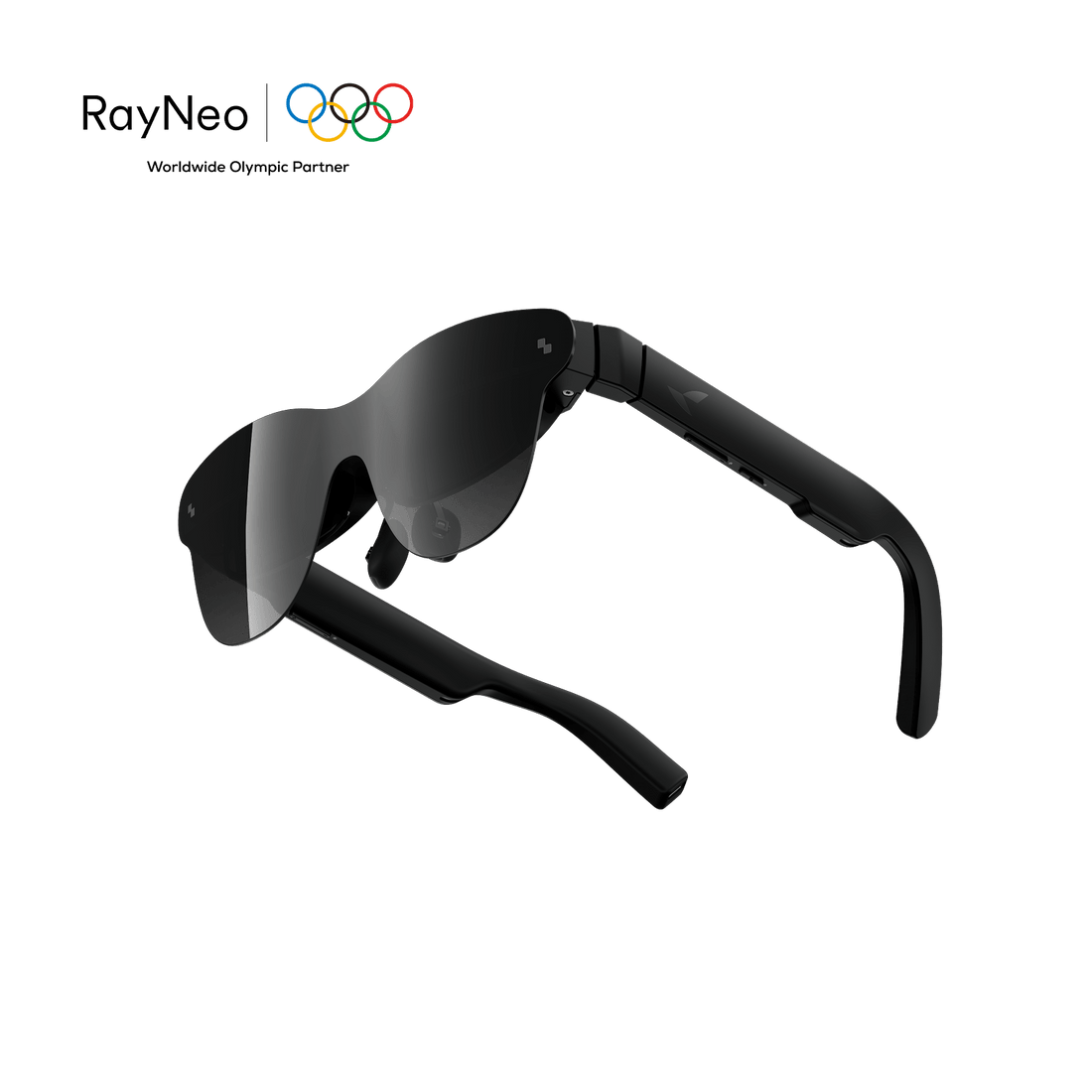
Based on our long-term testing with Steam Deck, Switch 2, and Windows handhelds, we believe RayNeo Air 4 Pro is a very balanced choice for the handheld ecosystem. It features a 0.6-inch Micro OLED screen and supports a 120Hz refresh rate plus HDR10. Peak brightness reaches about 1200 nits with a 200,000 to 1 contrast ratio. The custom Vision 4000 display chip handles real-time SDR to HDR optimization and 2D to 3D conversion. The four-speaker audio system is co-tuned with Bang & Olufsen. The device weighs about 76 grams. When paired with a Steam Deck OLED on trains or planes, it provides excellent image stability and immersion even at low brightness settings.

Multiple reviews and empirical studies show that digital eye strain is closely linked to screen glare, blue light exposure, viewing distance, and reduced blink frequency. By optimizing these variables, dry eyes, soreness, and headaches can be reduced for many users. Recent research on blue light filtering lenses indicates that regular users experience significantly better symptom relief than non-users. This trend is especially clear for users with high screen time.
From an optical and eye care perspective, well-designed gaming glasses can serve both PC and handheld use. You simply need the right interfaces and cables for your device combination. PC scenarios often involve long continuous use and multitasking. Handhelds focus more on posture freedom and varying viewing distances. When choosing glasses, we prioritize high refresh rates, high brightness, comfortable nose pads, and lightweight frames. This keeps comfort levels consistent at a monitor or on the couch.
Current clinical and practical experience suggests gaming glasses are best used as a full-time eye management tool. They are not just a temporary fix when your eyes feel uncomfortable. However, we still recommend following standard eye hygiene. For instance, look at something in the distance for at least 20 seconds for every 40 to 60 minutes of gaming. This allows your eyes to relax. This is very important for players with PWM sensitivity or dry eye symptoms.
There are many display-based gaming glasses and smart glasses that support Steam Deck. They usually connect through USB-C or an adapter. Many players have shared their experience using Steam Deck with AR glasses as a mobile big screen. When researching your options, evaluating what are the best gaming glasses for steam deck and handheld consoles provides a breakdown of performance versus comfort. Most reviews mention better immersion and significantly improved posture freedom. Since high screen time and intense gaming are now daily routines, we see gaming glasses as essential visual infrastructure for handheld players. RayNeo works to make this infrastructure reliable, comfortable, and sustainable for the long term.





Share:
5 Ways to Make Your Commute to Work More Relaxing
3D Movie Glasses vs. AR Glasses: Which One Is Best for Your Needs?