

$449.00

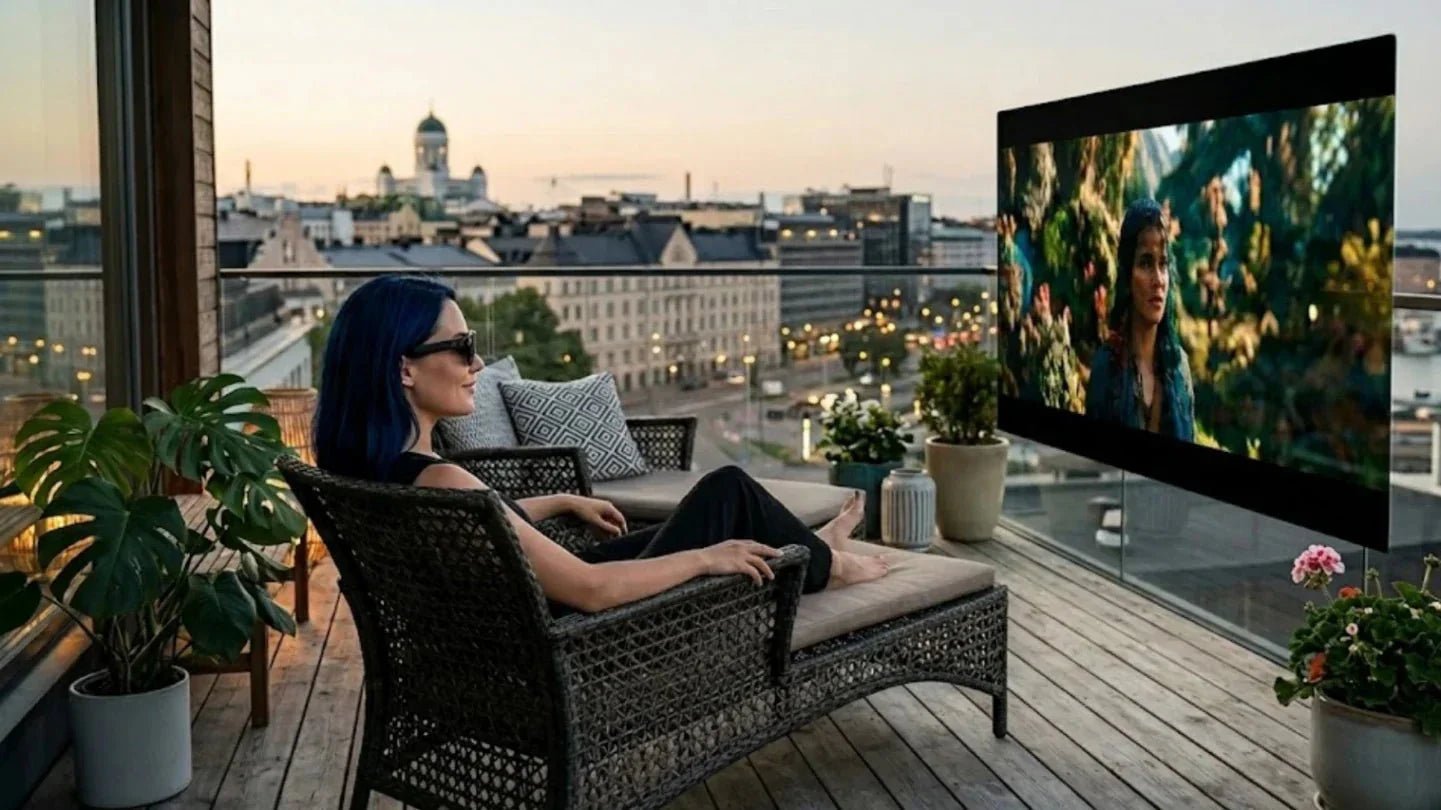
For most people, 3D movie glasses are best for short periods of passive viewing in theaters or home cinemas. AR glasses, especially those with AI, are better for frequent, daily use across many settings. They excel at interactive tasks like information overlays, productivity, multitasking, and navigation on the go. In this article, we will look at the core differences, daily performance, and use cases for 3D movie glasses vs AR glasses. Our goal is to help you decide whether to stick with traditional 3D eyewear or step into the age of AR smart glasses.
3D movie glasses are filters for display terminals. AR glasses are computing platforms with processors, sensors, and operating systems. The former relies on external screen output to create a 3D effect. The latter has independent computing and rendering capabilities. It can actively perceive the environment and overlay information.
The core of 3D movie glasses is passive viewing. Common types include polarized 3D and active shutter. They create 3D parallax for the brain by splitting left and right eye images through polarization or timing. These glasses have almost no computing power, no UI, and no operating logic. Users can only put them on or take them off. Interaction is controlled entirely by the theater or TV.
AR glasses integrate processors, storage, and IMU sensors within the temples or frame. They project images into the user's field of vision through waveguides or Micro OLED/MicroLED display modules. They allow interaction via touch areas, voice, gestures, or even head movements.

Content for 3D movie glasses is fixed. Whether it is a 3D Blu-ray, a 3D TV show, or a specific projection format, the perspective and depth are decided during production. The glasses only ensure that the correct images reach the left and right eyes. Users cannot change the information structure. They cannot make subtitles follow their gaze or open a real-time note window next to the screen.
AR glasses emphasize overlaying the real world. In daily scenarios like office work, commuting, outdoor navigation, or cooking, the AR system detects head posture and spatial direction. It mounts virtual windows in stable positions. For example, a chat window stays on the left of the desk, code or documents on the right, and a timer floats below.
From industrial design to weight distribution, 3D movie glasses prioritize the theater setting. Key features include:
Frame: Simple plastic frames.
Nose Pads: Non-adjustable or simple elastic pads.
Lenses: Lightweight filters for low-cost, bulk distribution.
Users often complain about discomfort from long-term nose pressure and the clunky experience of wearing 3D glasses over prescription frames.
AR glasses are designed for daily use across offices, streets, airplanes, and homes. This requires:
Weight Management: Precise weight distribution within a 40 to 90 gram range.
Adjustability: Multi-level adjustable nose pads.
Compatibility: Support for prescription frame inserts.
Theater glasses only need to last through one movie. Smart glasses must last all day. The requirements for comfort and structural design are on completely different levels.
3D movie glasses provide a typical one-way visual experience. They have no sensors. They do not record your gaze, gestures, or voice. They do not adjust display or audio based on ambient light or noise. The playback source determines the entire content flow. This is why you cannot use 3D glasses to reply to messages, control music, or answer phone calls.
AR glasses naturally support two-way interaction. They sense the environment through cameras, microphones, accelerometers, and gyroscopes. They receive user input via touchpads or voice commands to form a closed loop. In our long-term testing, we focus on two points. First, the response time must stay under one second from wake-up. Second, voice and gesture recognition must be accurate in outdoor wind or subway noise. These factors determine if you are willing to use them as a second screen in public. This is a key standard for users to judge if smart glasses can truly replace a phone in certain scenarios.
So, how do 3D movie glasses and AR glasses really perform in daily use? Which scenarios are a perfect fit, and which are completely impractical? We will compare them across four dimensions: viewing experience, information access, usage frequency, and comfort.
Watching movies on a big screen in a dark room is where 3D movie glasses still have a unique edge. In polarized 3D theater systems, the glasses are extremely light, usually weighing only 10 to 20 grams. They have no batteries or electronics and produce no heat. However, users report two main issues. For those wearing prescription glasses, stacking 3D glasses increases reflections. This often causes ghosting and lower brightness at the edges. At home, the 3D TV ecosystem has stalled. New content is rare, so these glasses often sit unused in living rooms.
AR glasses provide a virtual big screen floating in front of you. Combined with 1080p or higher Micro OLED panels, they offer clarity similar to home projectors. Standard 3D glasses are sufficient for watching a movie in a theater. But if you want to turn a plane, bedroom, or cafe into a private cinema, AR glasses are the better choice.
3D movie glasses cannot provide real-time information in open environments. They lack sensors, communication modules, and the ability to connect to navigation or notifications. They also do not have GPS or Wi-Fi. This is why 3D glasses never became a daily accessory. They only matter in theaters or specific projection setups.
AR glasses are completely different. For walking, cycling, or driving, navigation info appears as floating arrows and distance markers in your view. You stay aware of the road while getting directions. This improves safety and comfort compared to looking down at a phone. However, the system must manage visual noise when navigation and notifications overlap.
3D movie glasses have very specific usage times. Most people only wear them a few times a year at the theater for two or three hours. A few enthusiasts use them with 3D projectors at home, but they are still limited to the living room. These products do not go with you to the office or on the subway. They have no need for an app ecosystem, as long as they fit 3D playback standards.
AR glasses are moving toward becoming all-day devices. According to ResearchAndMarkets, the global AR glasses market is expected to grow from about 11.4 billion USD in 2022 to 50.1 billion USD by 2030. This is a 20.4 percent compound annual growth rate. This growth is driven by daily needs in office work, maintenance, education, and entertainment. Users want to listen to podcasts during commutes, use them as extra screens at work, and watch movies or play games at night. This drives improvements in battery life, connectivity, and heat management.
3D movie glasses are comfortable because they are simple and light. The experience depends on the nose pad material and compatibility with prescription frames. Most users find the pressure on ears and nose acceptable after an IMAX 3D movie. The biggest issue is slight eye fatigue from dim images and edge blur.
AR glasses face a much tougher challenge. In our tests lasting over two hours, poor weight distribution led to fatigue in the temples, ears, and neck. This is why many early products were criticized for being wearable for only 30 minutes. Display brightness and color tuning are also vital. For example, some models have a minimum brightness that is too high for dark rooms. This strains the eyes. For all-day users, comfort is the top priority. Light weight is just the start. Nose pads, temple angles, materials, and heat dissipation decide the real experience.
Choosing between 3D movie glasses and AR glasses is not about technical specs. It is about where you will use them most over the next year. We provide clear advice for home theater, gaming, productivity, and navigation.
If you mainly want a theater experience, traditional 3D glasses are cost-effective. They cost almost nothing at theaters. Paired with a 3D projector at home, they are very cheap. However, 3D TVs have faded. Most new films are 2D or streaming-only. Many users leave their 3D glasses in drawers for years because they lack new content.
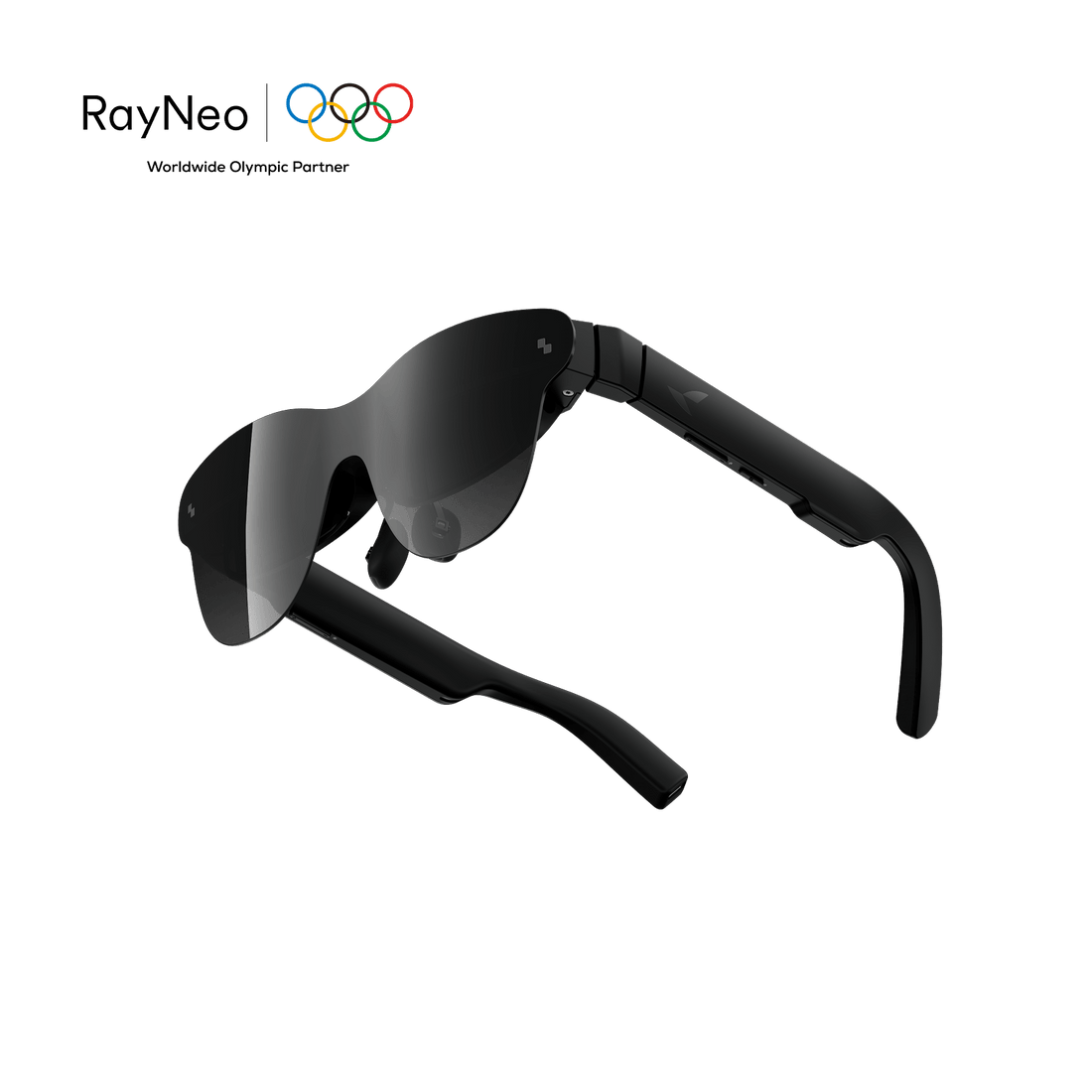
For those wanting a permanent private cinema, AR glasses offer a new path. This hardware leap is a major driver for users buying tv glasses for immersive viewing, especially since display-focused models like the RayNeo Air 4 Pro use 0.6-inch Micro OLED screens with HDR10 support. These provide:
Brightness: Up to 1,200 nits.
Contrast: 200,000:1.
Experience: Equivalent to a 201-inch giant screen.
Smoothness: 120Hz refresh rate for fast-moving scenes.
3D movie glasses were once the go-to for depth on PC and consoles. Yet, users report limited content and eye fatigue. Since almost no new 3D AAA titles exist, the ecosystem has stalled. For most gamers, investing in 3D glasses today offers poor value.
AR glasses are moving in two directions:
Virtual Displays: High refresh rates and low latency turn them into wearable monitors. They create a 100-plus-inch screen for handhelds or PCs in small spaces.
Interactive AR: Systems with spatial tracking allow digital elements to sit on your real-world table. You can control a virtual battlefield with hand gestures. While this is early-stage, it will evolve rapidly over the next few years.
3D movie glasses have no use in productivity. They lack window management and text optimization. They cannot function as a second screen in any office environment.
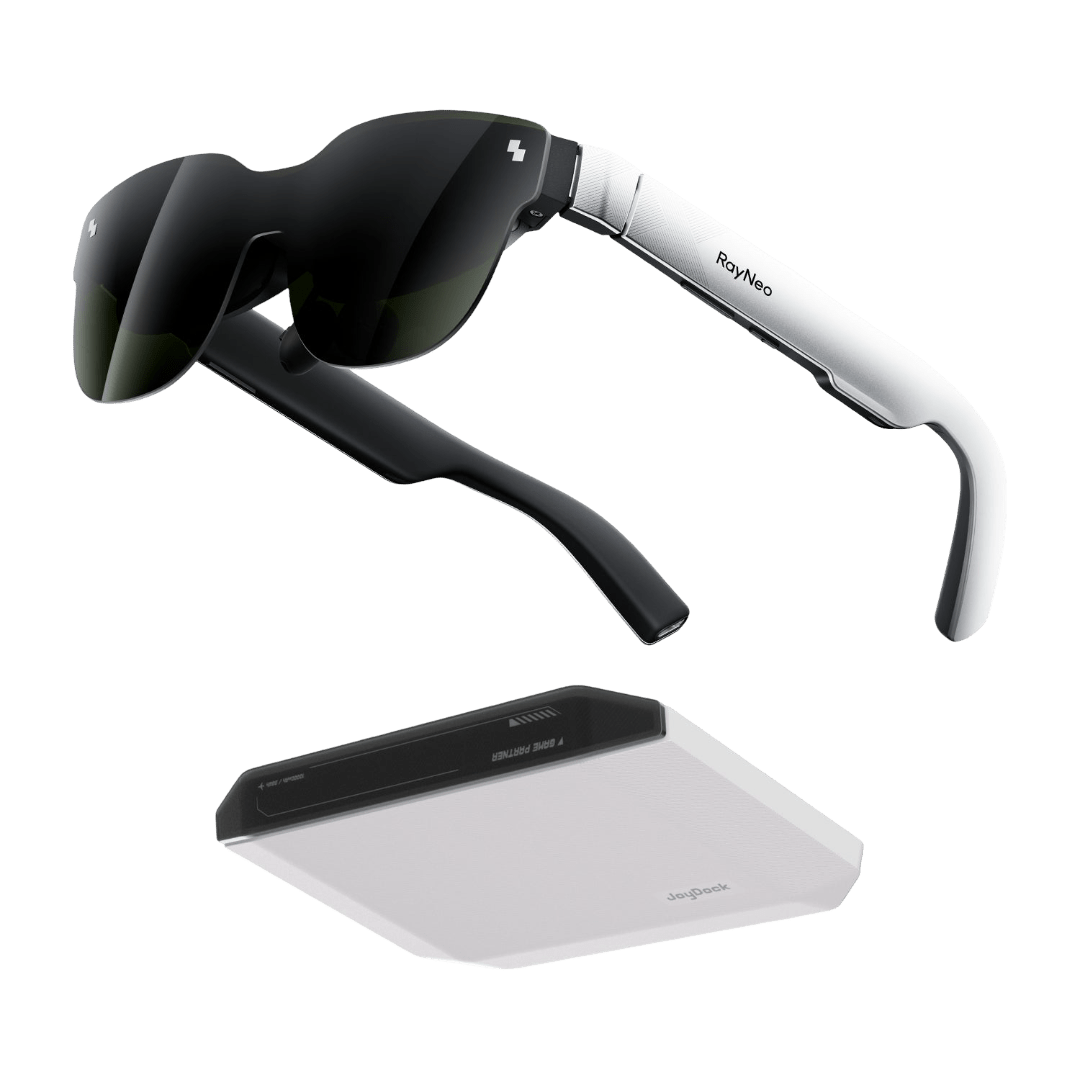
AR glasses excel in this area. Models like the RayNeo X3 Pro use binocular waveguide displays and MicroLED engines.
Brightness: 3,500 nits average, 6,000 nits peak.
Platform: Powered by Qualcomm AR1 Gen 1 with local AI.
Multitasking: Displays multiple windows within a 30-degree field of view.
You can float to-do lists, code editors, and notifications in your vision. This allows you to focus on a document while seeing meeting times or email summaries in your peripheral vision. Many engineers and creators find this replaces the need for two physical monitors or a portable travel screen.
3D glasses are useless for travel. They do not provide navigation or map apps. You still need your phone. Users often complain about juggling luggage while looking at phone maps in a new city.
AR glasses offer a clear advantage. They connect to navigation services to show turn indicators and street names as simple cards in your view. They can also show distance to the next turn and estimated arrival time in a small font. This is far less distracting and much safer than looking down at a phone.
Understanding the tradeoffs is more important than looking at technical specs. Your decision comes down to whether you want low-cost, limited movie viewing or a higher budget for an all-in-one experience across work, travel, and entertainment.
The biggest advantage of 3D movie glasses is their extreme simplicity. They have no batteries, no firmware updates, and no compatibility issues. They essentially never go out of date. Users can get them for free or at a low price in theaters. At home, they last for years without maintenance as long as your TV or projector supports the 3D standard. For those with a limited budget who only want depth in specific scenes, these glasses have almost no entry barrier.
From an ecosystem view, 3D content is expensive to create and used infrequently. This is why 3D TVs and 3D Blu-rays have mostly left the mainstream market. Consequently, 3D glasses are seen more as occasional props rather than daily tools.
AR glasses offer advanced features like spatial positioning, multi-window management, and real-time translation. They also include voice assistants, navigation overlays, and gaming interaction. This functionality comes with more complex architecture and a higher learning curve.
For example, initial setup can be complex. You may need to install apps, manage frequent system updates, and deal with compatibility across different phones or computers. RayNeo AR glasses support a direct USB-C connection to mainstream devices for plug-and-play use as an extended screen. We also use a unified card and window system to reduce setup fatigue. However, compared to the grab and wear nature of 3D glasses, AR glasses are a device that requires intentional use.
In terms of image quality, high-end 3D theaters still provide a powerful physical impact. Professional-grade polarization systems on large screens offer excellent depth and immersion. However, this level of quality is very difficult to replicate at home.
AR glasses provide stable daily utility. Micro OLED solutions, like the RayNeo Air 4 Pro, offer 1080p resolution with a 120Hz refresh rate and a 200,000:1 contrast ratio. This level of clarity and color accuracy is perfect for coding, spreadsheets, and reading PDFs. Users can switch quickly between watching videos, researching, and writing. While they lack the in-your-face depth of traditional 3D, their real-life value is much higher.
Lightweight design is a natural advantage for 3D movie glasses. Since they have no electronics, they weigh very little. This puts minimal pressure on the nose and ears even during long movies. They also cost very little to ship or maintain. In a theater, you never have to worry about battery life, heat, or system crashes.
AR glasses must find a balance between weight and intelligence. Once you add displays, chips, batteries, sensors, and speakers, weight usually falls between 60 and 90 grams. If the weight distribution is poor, users may only want to wear them for 20 minutes. There is no perfect solution that has everything. It depends on which side you value more and how long you plan to wear them each day.
The following table summarizes the core features of both products to help you decide based on your needs.
|
Dimension |
3D Movie Glasses |
AR Glasses |
|
Core Use |
Theater and home 3D viewing |
Viewing, navigation, office, entertainment |
|
Interaction |
None, passive viewing |
Two-way touch, voice, and head tracking |
|
Content Type |
Fixed 3D playback |
Real-time info overlaid on reality |
|
Usage Frequency |
Occasional, mainly in theaters |
Designed for potential all-day wear |
|
Complexity |
Extremely low, zero learning curve |
Higher, requires setup and matching |
|
Comfort |
Ultra-light, but poor for prescription wearers |
Heavier, but with precise ergonomics |
|
Price Barrier |
Very low or free |
Mid-to-high, but feature-rich |





Share:
What Are the Best Gaming Glasses for Steam Deck and Handheld Consoles
How Glasses That Display Video Are Changing Desktop Work