

$449.00


Commuting might seem small, but many people spend one to two hours a day on it, scrolling through phones in crowded subway cars or staring at red lights in traffic. The goal is to turn this passive time into a controlled, predictable, and enjoyable flow of time. Success depends on two things: reducing meaningless info and distractions, and increasing control over your time and attention.
In this article, we will look at the current environment of the commute to work and the stress it causes. We will then provide five practical methods based on our extensive testing with smart glasses and wearables. These solutions are ready for you to use on your commute to work starting today.

Remote work expanded and then contracted over the last few years. Hybrid work is now the new normal. Commute times have not actually disappeared. Instead, they have been redistributed and are now more concentrated on specific days of the week.
According to Statista data tracking US employees from 2019 to 2024, about three-quarters of workers have a one-way commute of under 30 minutes. About one quarter commute for more than half an hour. The percentage of short-distance commutes has actually dropped in recent years. This suggests that truly close jobs are becoming rare. For more people, commuting stress is stretching into a chronic experience.
On average, most people spend at least one hour a day on the road. Any optimization of this time is well worth taking seriously.
Over the past few years, commuting trends have shifted in three directions: more diverse modes of travel, fragmented scheduling, and a demand for smarter commuting tools. Discussions on social media reveal an interesting change. More people are looking for ways to turn their commute into a second living room or a mobile workstation. Some listen to podcasts on the subway, while others use AI tools on the bus to organize their daily to-do lists. Some even use smart glasses to check navigation and tasks while walking.
In our own user interviews, we found that for those who frequently visit clients or travel between cities, the line between commuting and business travel is blurring. These users care most about having information accessible on the go and keeping their devices discreet. They are increasingly willing to replace their phones with lightweight wearables.
We do not have to work or think hard during a commute to work, so why does it still feel so tense? In reality, stress does not just come from traffic jams. It comes from uncertainty, noise, information overload, and the feeling that you are wasting time. When we design and test smart glasses features, we often recreate real scenes of a commute to work in the lab. We simulate multilingual announcements in subway stations or layer navigation voices over music in a car. These scenarios show how easily your mind can feel pulled in too many directions.
Based on our long-term interactions with users and real feedback from social platforms, commuting stress triggers focus on several areas: time uncertainty, environmental discomfort, and digital interference. Changes in traffic, temporary road closures, and subway delays cause people to lose their sense of control over arrival times. As a result, many choose to leave 20 minutes early just for a sense of security. This seemingly rational choice actually extends the total time spent in a stressful commuting environment. Noise from subways and buses, physical crowding, and fluctuating air quality also directly trigger physical discomfort.
Digital interference has become a major source of modern commuting stress. We often see a contradiction: people want to be productive during their commute by learning or handling light tasks. However, if devices constantly pop up notifications or require pulling out a phone repeatedly, that feeling of productivity is quickly replaced by interruption and anxiety. Many people get pulled into sudden work group messages or try to handle complex conversations on the subway. By the time they reach the office, they already feel like they have finished a mini-workday.
From a long-term health perspective, commuting stress is a cumulative burden. Psychological research has long confirmed that regular exposure to uncontrollable noise and crowds increases anxiety and fatigue. This, in turn, affects sleep quality and cardiovascular health. In our long-term observations of heart rate and activity data from wearables, we noticed that heart rate fluctuations during the morning rush hour are often greater than during similar periods of walking or indoor activity. Sharp spikes often occur during subway transfers or when crowding onto a bus. These frequent, small stress responses lead to shorter attention spans later in the day.
On the productivity side, the negative impact of commuting comes from two directions. First, the morning rush consumes the golden hours usually meant for deep thinking. Second, the evening rush further squeezes the limited recovery time after work. In interviews with software engineers and designers, we heard similar stories. They are already warmed up by various messages during the ride. By the time they sit down at their desks, they are still trying to rebuild their focus. Over time, people develop a defensive posture, staying on high alert for every morning notification and treating the commute as a pre-work battle.
To make your commute more relaxing, our experience shows you need to work on three levels: mindset, rhythm, and tools. Mindset determines how you judge this time. Rhythm determines what you do with it. Tools determine the extra effort you must put into operating your gear.
When we co-create features with heavy commuters, we always start with one question: What kind of time do you want your commute to work to be? Is it for buffering, learning, creating, or just spacing out? The first step is to stop seeing your commute to work as wasted time. Instead, give it a clear purpose. Even defining it as time to recharge your mood is a very effective setting. Many users find that once they define the commute to work as a warm-up period, they actively avoid high-pressure work messages. Instead, they schedule light content like listening to soothing music or organizing their top three tasks for the day.
The second key shift is accepting some uncertainty and giving yourself a reasonable buffer zone. In our tests in cities like Hong Kong and Shenzhen, we found that users who leave a 10 to 15 minute buffer are far less likely to get upset if a train is slightly delayed. It falls within their expectations. This buffer can be physical time or a mental shift. For example, tell yourself that an occasional delay is an opportunity to hear more of a podcast or read a few more pages of an e-book. Third, view your commute as a chance to train your attention. Use simple breathing exercises while walking or on the bus to pull your focus from your phone back to your body. This is excellent stress resistance training.
Any improvement in experience eventually relies on preparation. Commuting requires conscious planning. Before leaving the house, confirm your route and check traffic. Make key decisions 30 minutes before you head out, such as whether to drive or take an earlier bus. Finishing these decisions early stops you from constantly changing your mind mid-commute. In our navigation tests, users who preset their destinations and stops before leaving felt significantly less anxiety because they didn't have to make choices on the move.
Device preparation is also vital. For long commutes, we suggest viewing your phone, headphones, smart glasses, battery, and network as one single system. Check your headphone battery before you leave. Download your podcasts or offline content in advance. Set your phone to a proper Do Not Disturb mode that only allows truly urgent alerts to come through. For those using smart glasses for navigation or alerts, we emphasize one detail from our testing: adjust your brightness and volume before you enter loud environments like subway cars. This saves you from constant fiddling in noisy crowds.
Now we come to the core of this article. We will focus on five specific methods involving your audio environment, physical comfort, mental state, and commute choices. These steps help reduce meaningless drain and ensure every journey has a clear, predictable theme.
The audio environment is often overlooked, yet it can immediately change how a commute feels. Noise from subways, buses, and peak-hour traffic often keeps people in a state of passive reaction. You might feel irritable, tense in the neck and shoulders, and constantly distracted just minutes after leaving home. Efficient commuting is not about blocking all outside sound. Instead, it is about building a controlled, stable, and low-stimulation audio environment. You should hear what you want while staying aware of station names, traffic, and nearby voices.

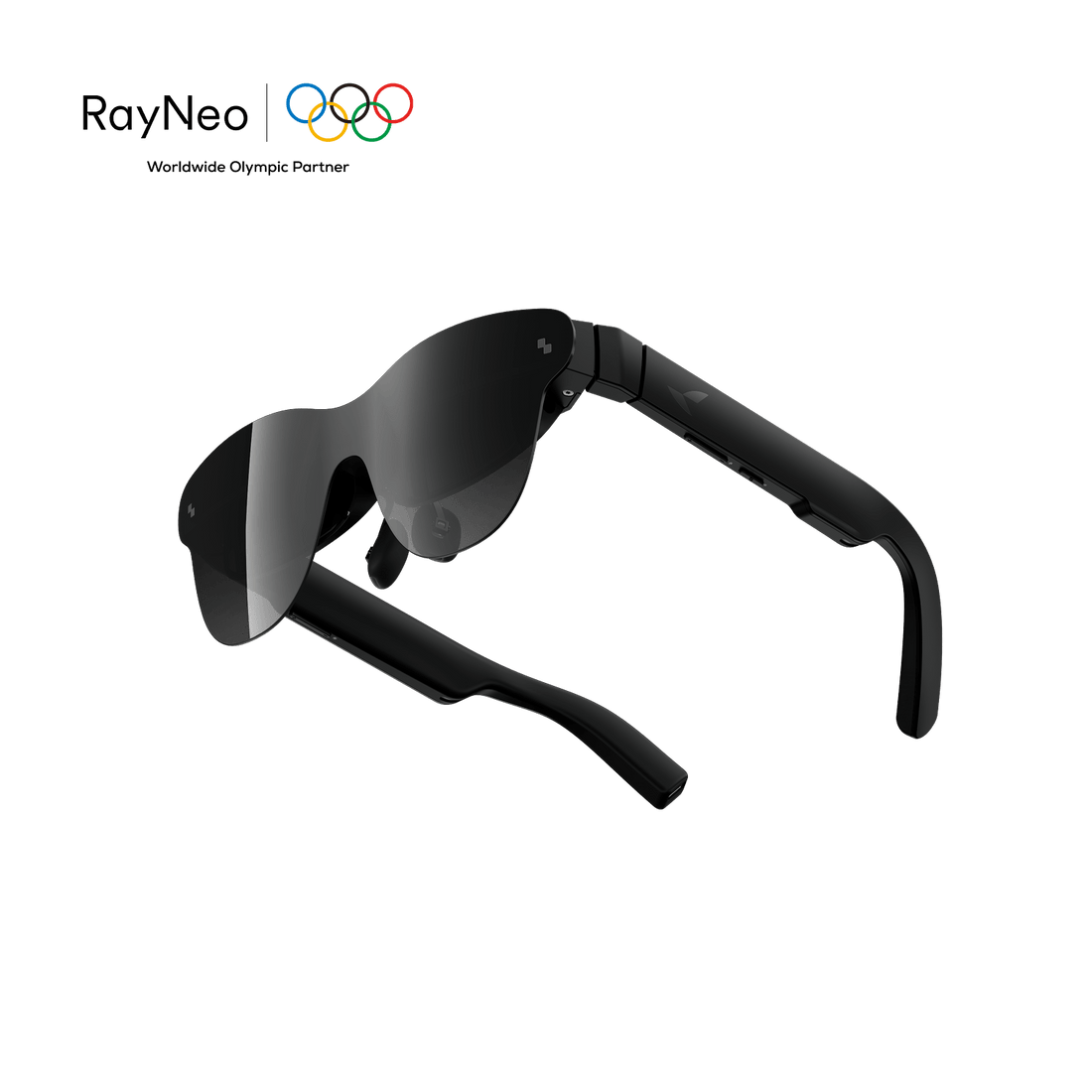
This is why smart glasses with B&O four-speaker audio, like the 2026 best AR glasses RayNeo Air 4 Pro, are better for commuting than traditional noise-cancelling headphones. They place sound naturally near your ears without forcing a wall between you and the world. You can listen to soothing music while walking to the station without the ear fatigue caused by in-ear buds. Your eyes stay up and alert to the road, cars, and crowds. This creates a stronger sense of safety and a more relaxed experience. For many morning commuters, the real luxury is not more volume, but a balance of being immersed without losing touch with reality.

Physical discomfort amplifies commuting stress more than time does. Standing for long periods, leaning forward, carrying a heavy bag, or wearing uncomfortable shoes makes you hypersensitive to every delay. In our tests, we often see users with similar commute times who end up much more exhausted simply because they wear heavy headphones or carry bulky laptops and peripherals. You can optimize your physical comfort by focusing on three areas: load, posture, and micro-movements.
For load management, we suggest a total audit of the gear you carry daily. Use cloud storage or remote desktops to reduce the need for hard drives or paper files. Keep one set of chargers at the office and another at home. For those who use screens during their commute, pay close attention to your posture. Staring down at a phone for long periods significantly strains the neck. When testing smart glasses with displays in outdoor settings, we found that lifting visual content to eye level noticeably reduces neck angles and muscle tension.

Many people think mindfulness requires a quiet room, but a commute is actually an ideal place to train attention and regulate emotions. Observing your breath in a crowded subway or intentionally slowing your thoughts in heavy traffic are effective ways to relax. When we develop meditation and breathing tools for our devices, we focus on short 3 to 5-minute sessions. This allows users to complete a full exercise between stops.
A simple exercise is breath counting. Count one on the inhale and two on the exhale up to ten, then start over. If your mind wanders, gently bring it back to the count. Another exercise for standing commuters is to focus on physical sensations: the feel of your feet on the floor, the grip of your hand on the rail, or the friction of the backpack against your shoulders. Noticing these details frees the brain from work stress and social media noise. We have observed that users who complete a short mindfulness session during the morning rush report lower anxiety levels for the rest of the day.
Changing your commute method is a high-leverage strategy. Many people get stuck in a single routine, like taking the same subway line or driving the same route every day. They rarely compare the total cost of time and stress across different options. In cities like Hong Kong and Shenzhen, we see users actively adjusting. For distances under 2 miles, some replace part of their subway or bus trip with walking or cycling. This ensures at least one period of active movement each day. Others get off one stop early to avoid the most crowded stations. If your schedule is flexible, shifting your commute by just 30 minutes can significantly drop the noise and crowding levels you face.
Based on years of observing wearable tech behavior, defining your commute as valuable time is one of the easiest ways to improve your mood. Value is not just about work; it can be pure enjoyment or learning. Some people read e-books or listen to educational podcasts. Others use the time for journaling or reflecting. The key is that the activity has meaning to you and is not easily interrupted.
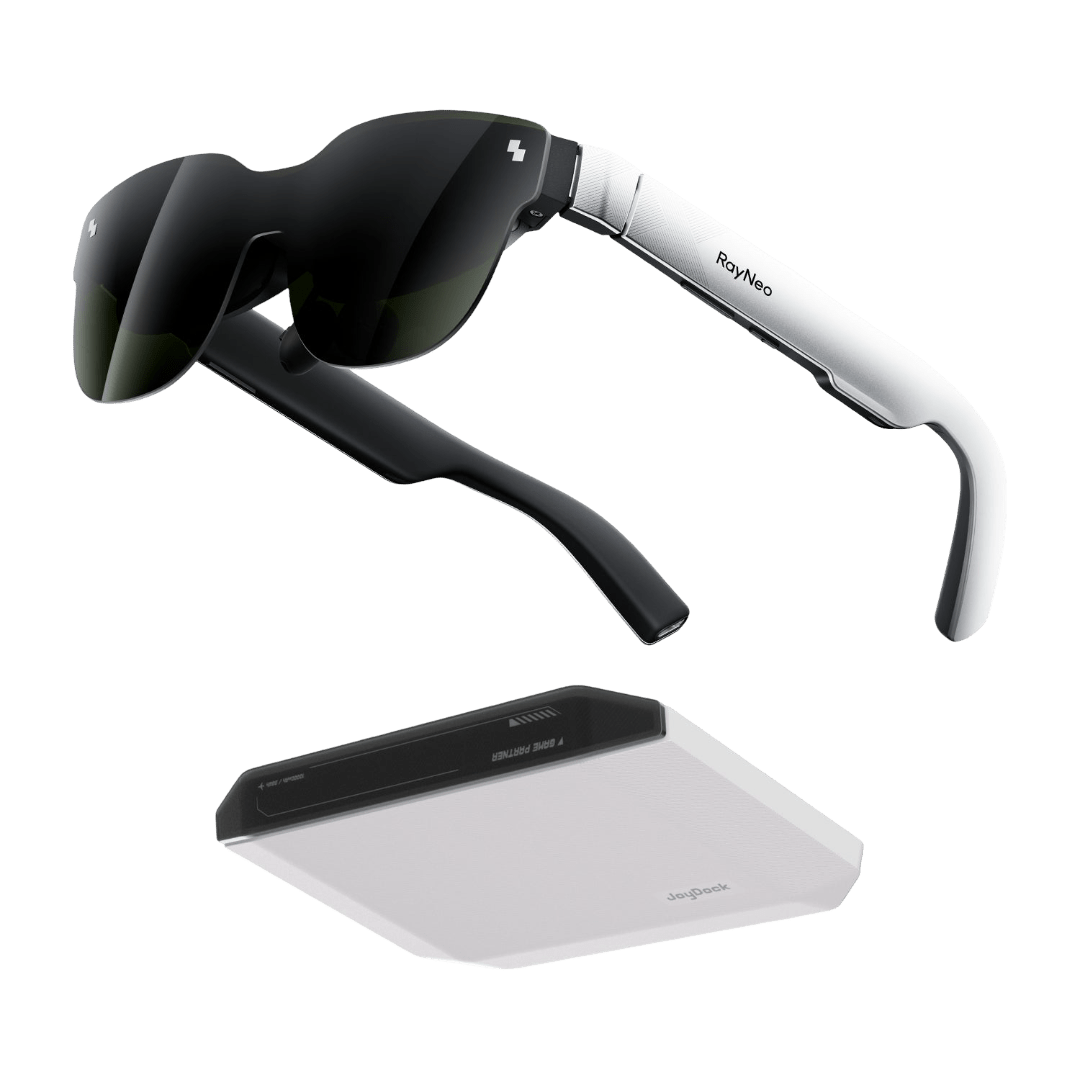
This is where wearables specifically designed for information on the go come in. For those who need to handle tasks while walking through office buildings or riding the subway, smart glasses with MicroLED displays and AI assistants can help. They lift navigation, to-do lists, and calendar reminders into your field of vision. In our tests, the RayNeo X3 Pro remains clear in bright outdoor light thanks to its 6000 nits peak brightness and AR1 Gen 1 platform. Users can check routes, listen to summaries, or record ideas via voice and touch controls without constantly pulling out their phones. This heads-up interaction reduces neck strain and keeps your flow from being broken.

The following table summarizes key dimensions of the commuting experience and their corresponding optimization strategies.
|
Dimension |
Common Current State |
Suggested Optimization |
|
Duration |
Most one-way trips take 15 to 29 minutes, with a median over 30 minutes. |
Control fluctuations through planning and off-peak travel; set buffers to avoid stress from delays. |
|
Audio Environment |
High noise on subways and buses; random audio content; frequent notification interruptions. |
Build a controlled soundstage with stable music or podcasts; streamline notification sources. |
|
Physical State |
Long periods of standing and looking down; heavy carrying loads; limited personal space. |
Reduce carry weight; focus on adjusting posture and performing brief stretches. |
|
Mental Perception |
Viewing commuting as wasted time or just an extension of work. |
Redefine the purpose of your commute; intentionally schedule time for relaxation or learning. |
|
Tool Usage |
High reliance on phones; frequent reaching and stowing; heavy strain on eyes and neck. |
Use lightweight wearables and voice interaction to reduce the time spent holding a device. |
Commuting is here to stay. Instead of tolerating a dull journey, treat it as a scenario you can design with precision. By building a stable audio environment, improving physical comfort, and adding mindfulness to your trip, you can find a commuting style that works for you. When you intentionally turn this period into valuable time, you can transform those one to two hours a day into a controlled, balanced rhythm.
With smart glasses like the RayNeo X3 Pro, which feature high-brightness displays, AI assistants, and lightweight controls, I have seen how they lower the effort needed to stay productive. These tools bring us closer to a future where the commute is a mobile living and working space.
When you start to seriously design your commute, it stops being a passive journey. Instead, it becomes a period of time that you actively write for yourself.





Share:
7 Reasons Why Every Outdoor Enthusiast Needs AI Recording Sports Glasses This Year
What Are the Best Gaming Glasses for Steam Deck and Handheld Consoles