Your shopping bag is empty.

Table of Contents

    Tech enthusiasts are passionate, expert users who care about more than just specs. They look for how the latest gadgets can actually improve their quality of life. In this article, we break down 10 cutting-edge devices by category. By combining real user feedback with authoritative data, we provide a high-density buying guide to help you decide which products are worth an immediate purchase and which ones you should wait on.

    What Are the Latest Gadgets for Tech Enthusiasts in 2026?

    Consumer tech trends in 2026 are clear. Devices are becoming more immersive, featuring stronger on-device AI and lighter, more portable forms. From smart glasses and foldable or holographic phones to GaN multi-device fast chargers and AI health wearables, every category is competing to be your primary mobile screen. Among these, smart glasses are transitioning from a niche hobby into a high-frequency tool.

    Key Innovation Trends in Consumer Technology

    Innovation in 2026 focuses on a few key directions. These include spatial computing, local AI inference, and pushing the limits of display and energy efficiency. For regular users, this means smart glasses can provide more stable real time subtitles and translation. Foldable phone screens are more durable. GaN chargers are smaller but can still charge multiple devices at full speed simultaneously. AI health devices can predict stress and sleep risks.

    In the wearables sector, industry groups predict head mounted and new form factor devices will maintain a compound annual growth rate near 20 percent. This shows that next generation wearables, from smart glasses to smart rings, will keep penetrating daily life in the coming years. For a tech enthusiast, the key to this trend is choosing ecosystems and protocols with continuous update capabilities. Devices that support mainstream phones and PCs and have an open SDK are more likely to stay relevant for two to three years.

    How Gadgets Are Evolving in 2026

    We clearly feel that device forms are moving toward multiple device collaboration. While the phone remains the hub, smart glasses, fitness bands, smart rings, and home projectors form a collaborative digital space. At the same time, more computing is shifting to the local end for inference. AI glasses can handle voice command recognition and partial translation even in weak networks or offline. This is especially important in low signal environments like airplane cabins and high speed trains.

    Another change is that user tolerance for privacy and appearance issues is dropping fast. A lot of feedback on Reddit focuses on the weird looks people get when wearing smart glasses. Products that are too bulky or have obvious cameras are hard to use daily for commuting and work. Because of this, the new generation of gadgets in 2026 leans heavily toward everyday design. They look like normal sunglasses or lightweight glasses. This subtle design actually suits users who love tech but want to blend into normal life.

    What Defines a Must Have Tech Gadget

    When judging if a device belongs on the 2026 must buy list, we measure four dimensions at once. These are usage frequency, depth of problem solving, ecosystem compatibility, and reliability with maintenance costs. If you naturally wear a pair of smart glasses more than three days a week, it is a good sign. If it clearly reduces phone dependence or improves how fast you get information while connecting smoothly across platforms, it already has the foundation of a must have item.

    For example, users care most about real and noticeable efficiency gains. This includes stable real time subtitles and recording during meetings. It means checking intersection information hands free while navigating outdoors. It also means getting timely health alerts during workouts. These features are more appealing than an abstract sense of the future. In contrast, devices packed with features but plagued by complex interactions are hard to use. Gadgets that require constant learning and tweaking rarely stay in a user daily bag for long. They easily turn into drawer clutter.

    10 Latest Gadgets for Tech Enthusiasts in 2026

    Facing endless new hardware, understanding categories before choosing products is always smarter than obsessing over single models. Therefore, in this section, we focus on the 10 most noteworthy gadget categories of 2026. We provide the key metrics to watch when buying. We will not list models. Instead, we show you how to balance specs and experience. We especially focus on how to use smart glasses to work efficiently with other devices.

    1. Smart Glasses with AR and Camera

    In the past, users often complained about smart glasses. The heavy front caused nose marks. Battery life was only one to two hours. Camera quality was blurry in low light. Voice controls misfired often in noisy areas.

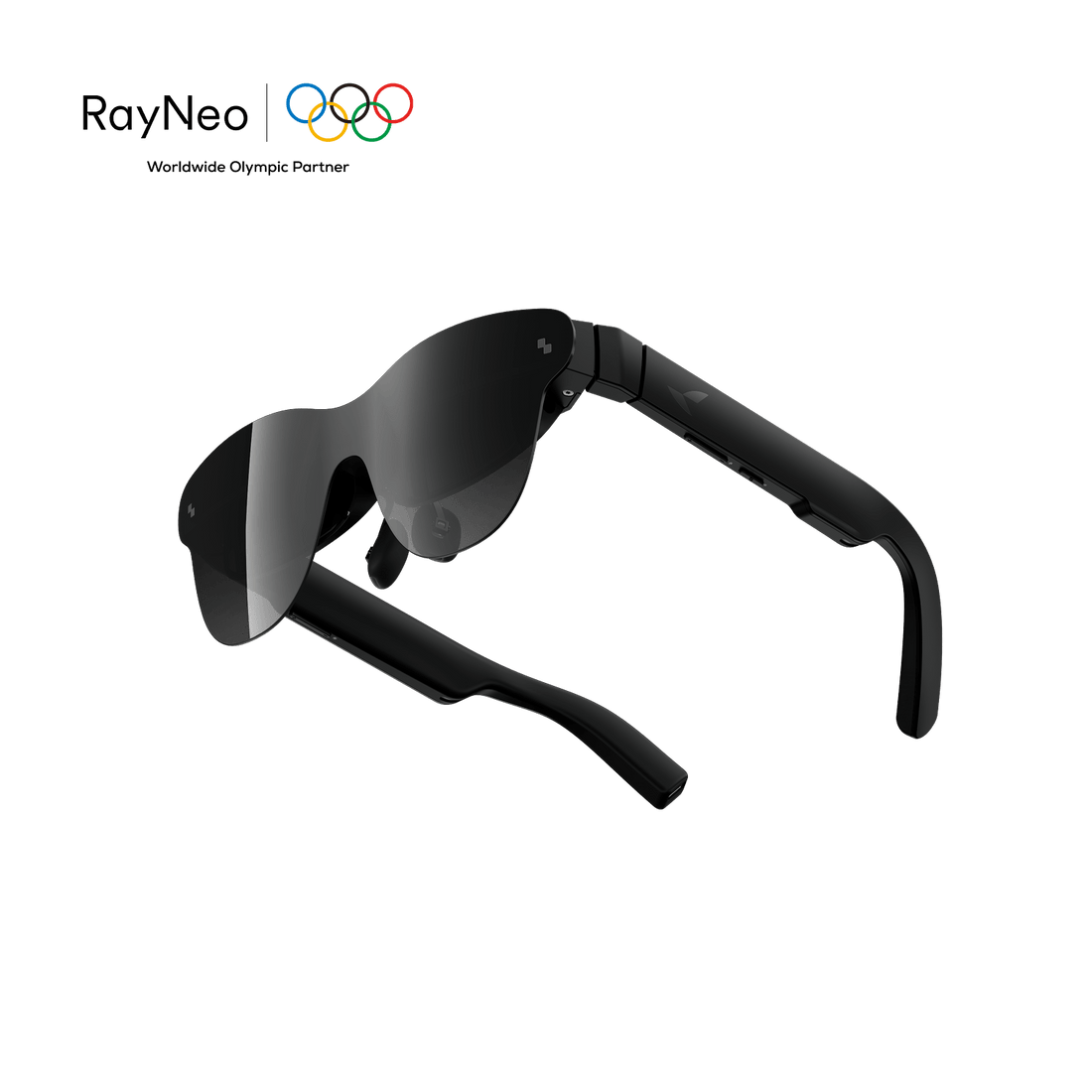
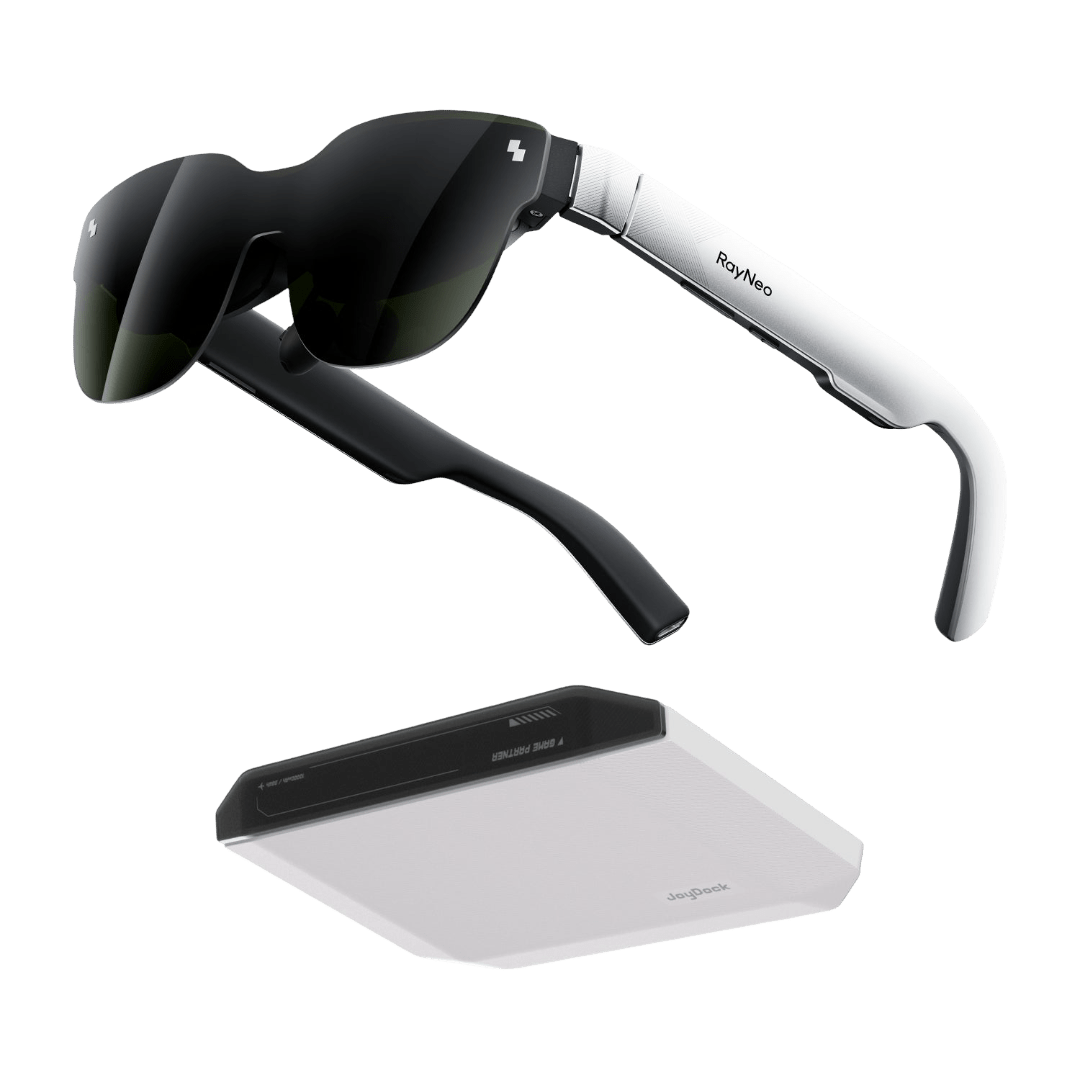
    In 2026, smart glasses and AI glasses have reshaped how we interact with machines. They deeply integrate AR visual overlays, high definition capture, and AI analysis. They completely solve past weight and battery issues. Devices like the RayNeo X3 Pro achieve true hands free operation. They use ultra high brightness displays and spatial tracking for outdoor navigation, meeting notes, and real time translation. The RayNeo Air 4 Pro features a lightweight design and a 120 inch virtual screen. It gives tech enthusiasts an irreplaceable portable theater and office experience. It shifts smart glasses from a sci fi concept to an essential tool for productivity and entertainment. They reduce digital distractions and improve your daily flow.

    2. Foldable and Holographic Smartphones

    Foldable phones have entered a mainstream durable phase in 2026. Screen creases and hinge life are much better than early models. Makers now generally promise over 200,000 folds. This easily covers more than five years of normal use. For content creators and heavy mobile workers, the biggest value of these devices is unfolding them into a tablet sized workspace while traveling.

    3. AI-Powered Personal Assistant Devices (Edge AI)

    AI assistant devices in 2026 are evolving from cloud speakers to local edge nodes. Small desktop or portable devices have built in NPUs. They handle voice recognition, schedule management, and simple summaries locally. They sync only a small amount of data to the cloud as needed. When you pair smart glasses with these Edge AI terminals, many tasks that once required holding a phone move to your eyes and ears. This includes checking traffic, taking notes, and translating menus. This is a massive upgrade in experience. We recommend choosing AI assistants that support multi platform calendar and task syncing. This ensures a seamless transition across different devices.

    4. Smart Rings for Health and Biometrics

    Smart rings are extremely lightweight. They have become invisible wearables for many users. They are often better than watches for all night tracking of sleep, heart rate variability, and skin temperature. Market data shows smart rings and screenless smart glasses as the next growth point for wearables. This shows users are looking for sensors with a lower presence rather than bigger screens.

    5. Ultra-Short-Throw Laser Projectors

    Ultra short throw laser projectors can cast an 80 to 120 inch image from just 20 to 30 centimeters away. They are perfect for small living rooms and meeting rooms. You do not need to mount them on the ceiling or drag long HDMI cables across the room like traditional projectors. You can create a theater grade living room. Paired with an ambient light rejecting screen, they can replace a 100 inch TV even in bright daylight. They are also great for small to medium high end meeting rooms. They provide a clear environment for presentations without shadows.

    6. Portable Mini Projectors for Entertainment

    Compared to large living room models, portable mini projectors act like mobile theaters. They create instant big screen experiences for camping, business trips, or parties. Portable mini projectors adapt well to their surroundings. For uneven walls, automatic correction solves the hassle of manual adjustments for skewed images and blurry focus. With one, you can enjoy a starry cinema during luxury camping. Business travelers can project images on the hotel ceiling for private relaxation. Friends can start interactive big screen console gaming anywhere.

    7. Smart Weather Stations for Home Monitoring

    Home smart weather stations are quietly gaining popularity in 2026. They help users manage their living spaces precisely. They use sensors for indoor and outdoor temperature, humidity, air pressure, air quality, and light. Homes with many devices and pets rely heavily on this data. It helps them adjust air conditioners, purifiers, and humidifiers to improve allergies and sleep quality.

    8. GaN Multi-Device Fast Chargers

    GaN charging tech is very mature in 2026. A tiny charging block can output 65 to 140 watts. It can charge laptops, phones, tablets, and even smart glasses at the same time. We recommend checking the power distribution chart carefully before buying. Prioritize chargers that keep at least one port above 60 watts when using two or three ports at once. For users who carry smart glasses and laptops daily, this means one charger handles the whole workload. Paired with USB C powered smart glasses, these GaN chargers offer quick top ups during lunch breaks. This eases battery anxiety.

    9. AI-Powered Fitness Bands and Health Trackers

    AI fitness bands and health trackers are evolving from simple pedometers into wearable health assistants. They provide stress scores and recovery tips by constantly sampling heart rate, heart rate variability, skin temperature, and galvanic skin response. However, we often see complaints. These include overly frequent alerts, hyper sensitive algorithms, and inconsistent data across brands. This makes long term comparison hard. When choosing, focus on algorithm transparency and export ability. You need to know if you can export raw or near raw data to third party platforms for deeper analysis. The experience gets even better when this health data links with smart glasses. Seeing workout pace prompts or getting a HUD alert to stand up after sitting too long is more natural and harder to ignore than a vibrating phone.

    10. Pocket Gimbal Cameras

    Pocket gimbal cameras like the DJI Osmo Pocket 4 and 4 Pro are the most talked-about gadgets for vloggers and travellers in 2026. They use smart algorithms to track subjects and stabilize footage. They can even capture high-quality video in low light. Real user feedback is very divided. Some see them as the ultimate portable studio. Others complain about the small screens and complex file transfers. These users eventually go back to their traditional smartphones.

    Why Smart Glasses Are Leading the Gadget Trend in 2026

    Looking at the 10 categories above, we see that smart glasses and AI glasses are the true devices reshaping interaction. They place virtual information directly into your field of view. This reduces the frequent switching between the physical and digital worlds. Smart glasses in 2026 show significant hardware and software evolution. They solve the old problems of weight, battery life, and social awkwardness.

    Integration of AR, Camera, and AI

    The new generation of smart glasses merges three systems. These include AR image overlay, high definition camera capture, and local plus cloud AI analysis. Wearers can check to do lists on the HUD while commuting. They can record dual channel views and generate real time subtitles during meetings. AI helps them read street signs and menus while traveling. They can do all this without constantly picking up their phones.

    Devices for heavy users like the RayNeo X3 Pro use dual micro LED projection and optical waveguide technology. They offer a typical brightness of around 3500 nits and a peak of 6000 nits. They feature the dual camera Falcon Imaging Plus system and six degrees of freedom spatial tracking. This provides a stable visual foundation for spatial mapping and desktop extension. In our tests, we could clearly see navigation arrows and alerts in bright outdoor environments. We did not have to hide in the shade to read the screen. Details like this directly decide if a user will wear them every day.

    Hands Free Productivity and Entertainment

    Users fall in love with smart glasses because of constant information access without using their hands. It is not just about a single spec. Wearing smart glasses to listen to podcasts, take calls, and send quick voice replies means they rarely need their phones during a commute. This creates an invisible but massive boost to their daily flow.

    Everyday Use Cases for Tech Enthusiasts

    For a tech enthusiast, the most valuable daily uses for smart glasses in 2026 are clear. They include listening to audiobooks and reading news feeds on a commute. They provide meeting notes and subtitle help. They offer outdoor sports navigation and safety alerts. They also work as extended displays for multi monitor office setups. Many users share that they originally wanted a sci fi feel. However, they keep wearing them daily because they stop missing information and reduce physical clutter.

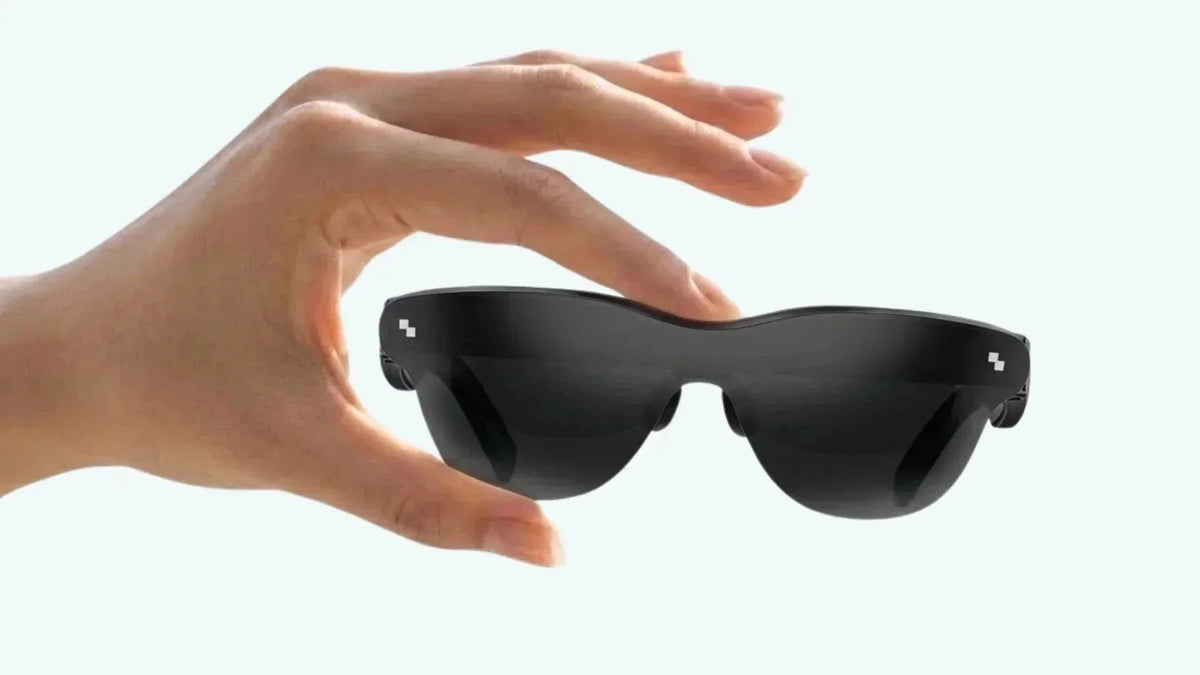
    AR Glasses like the RayNeo Air 4 Pro focus on a personal big screen experience. They use a 0.6 inch 1080p micro OLED display with a 1920 by 1080 resolution per eye. They offer up to a 120 hertz refresh rate, around 1200 nits of visual brightness, and an approximate 47 degree field of view. The whole device weighs about 76 grams. When you watch movies for a long time or connect a gaming console, they show a virtual screen close to 120 inches in your vision. They do this while preventing excessive neck strain. Heavy users often switch between laptops and gaming consoles. For them, this portable theater experience is something a standard tablet cannot fully replace.

    How to Stay Updated on the Latest Tech Gadgets

    Information overload is a major pain point in the fast evolving 2026 tech ecosystem. We focus on how to filter out the noise and find truly valuable news.

    Following Tech News and Launch Events

    Traditional keynotes and press releases remain the starting point for learning about new products. However, we find it more effective to follow a few specialized outlets with deep experience in specific niches. Good examples include niche sites dedicated to wearables and AR. For smart glasses, reviews from major hardware sites usually provide detailed test data on brightness, field of view, and battery life. This information is highly valuable for judging the actual user experience.

    Subscribing to developer blogs or changelogs from major brands helps you spot software trends early. You can see if they are actively improving voice recognition or adding new APIs. These updates often show the true lifespan of a product better than a single launch event.

    Using Online Reviews and Comparisons

    Long term user reviews on Reddit, YouTube, and specialized forums are crucial information sources when we make product decisions. Retrospective reviews after three to six months of use are much better than quick hands on videos. They often reveal hidden issues like battery degradation, coating wear, and software bugs that short term tests miss.

    For smart glasses, we pay close attention to user feedback on comfort and social acceptance. We look for mentions of feeling awkward in the office or experiencing headaches and eye strain after extended wear. Brands rarely mention these details in their marketing materials. When multiple reviewers agree on a specific point, you can treat it as a solid basis for your buying decision.

    Tracking Emerging Tech Trends

    Tracking annual reports from industry research firms gives you a long term perspective. It helps you decide which product categories are worth your time and money. For example, recent IDC market insights predict wearable shipments will grow by about 2.2 percent in 2026. The report highlights smart rings and display free smart glasses as the main growth drivers for the coming years. This indicates that building habits around these device types is a smart and sustainable long term strategy.

    Smart Glasses Related Gadgets Snapshot


    Gadget Type

    Key 2026 Metrics

    Synergy with Smart Glasses

    Smart glasses / AI glasses

    3000 to 6000 nits brightness, 70 to 80 grams weight, 30 to 47 degree FOV

    Displays spatial information, reduces the need to check your phone

    Foldable phones

    Screen lifespan over 200,000 folds, large screen for multitasking

    Acts as a hub for content and computing, drives the glasses display

    Smart rings

    Long battery life for sleep and heart rate tracking

    Provides continuous health data for alerts on the glasses

    Fitness bands

    AI analysis for stress and recovery

    Shows real time workout and sedentary alerts right in your view

    GaN chargers

    Multi port fast charging from 65 to 140 watts

    One power setup to charge both glasses and phones

    Final Thoughts

    We believe tech enthusiasts in 2026 face a clear challenge. They must figure out how to combine smart glasses, phones, wearables, and home devices. The goal is to build a personal tech ecosystem that is both efficient and restrained. Base your choices on real problems and frequent daily habits. If you do this, every gadget you add to your life will become a reliable bridge to future interactions.

    Frequently Asked Questions

    What Is the Most Popular Gadget in 2026?

    Smartphones and smartwatches still dominate in sales and market share. However, smart glasses and AI glasses are clearly among the most talked-about categories in 2026 for growth and hype. Meanwhile, smart rings and fitness trackers keep gaining popularity with young people and fitness crowds. They form a daily data network that complements smart glasses. Tech enthusiasts should focus their budgets on these categories with long-term potential. This is better than constantly switching between short-term trending gadgets.

    Are Smart Glasses the Next Big Thing?

    Looking at tech maturity and ecosystem growth, we believe smart glasses have passed the proof of concept phase. They are now entering a stage of daily use and specialization. Major tech media and research firms view smart glasses 2.0 as a major consumer tech trend in 2026. This results from simultaneous advances in display, optics, AI, and battery tech.

    On the user side, feedback has shifted from playing around at home to wearing them for commutes and meetings. Users who handle multitasking and heavy information loads are relying on smart glasses much more. We see smart glasses as the next portable screen. They join phones and computers to form the basic device setup for the next decade.

    Which Gadgets Offer the Best Value for Money?

    Looking at overall experience and price, we think a few devices offer the best value. These include smart glasses with high brightness and multi-device support, high-power multi-port GaN chargers, and fitness trackers that let you export data. These products have clear, frequent use cases. They also work with your current devices to boost overall efficiency instead of just adding another screen.

    How Often Should You Upgrade Tech Gadgets?

    For both environmental and financial reasons, we advise against frequent upgrades. Replacing core devices every year or two adds cost and creates a learning curve. For fast-evolving categories like smart glasses, we suggest upgrading based on major ecosystem shifts. Consider a new pair only when there is a generational leap, like a massive boost in brightness, a drop in weight, or a major new AI feature. Do not just chase new models every year.

    Other gadgets like GaN chargers, smart weather stations, and AI photo frames have a longer lifespan. As long as their protocols and apps stay compatible, there is no need to replace them. This pacing lets you spend your budget on upgrades that truly improve your experience. It keeps you from being pushed by fast-paced marketing cycles.


    Leave a comment

    Please note, comments need to be approved before they are published.

    This site is protected by hCaptcha and the hCaptcha Privacy Policy and Terms of Service apply.

    Select Lens and Purchase