

$449.00

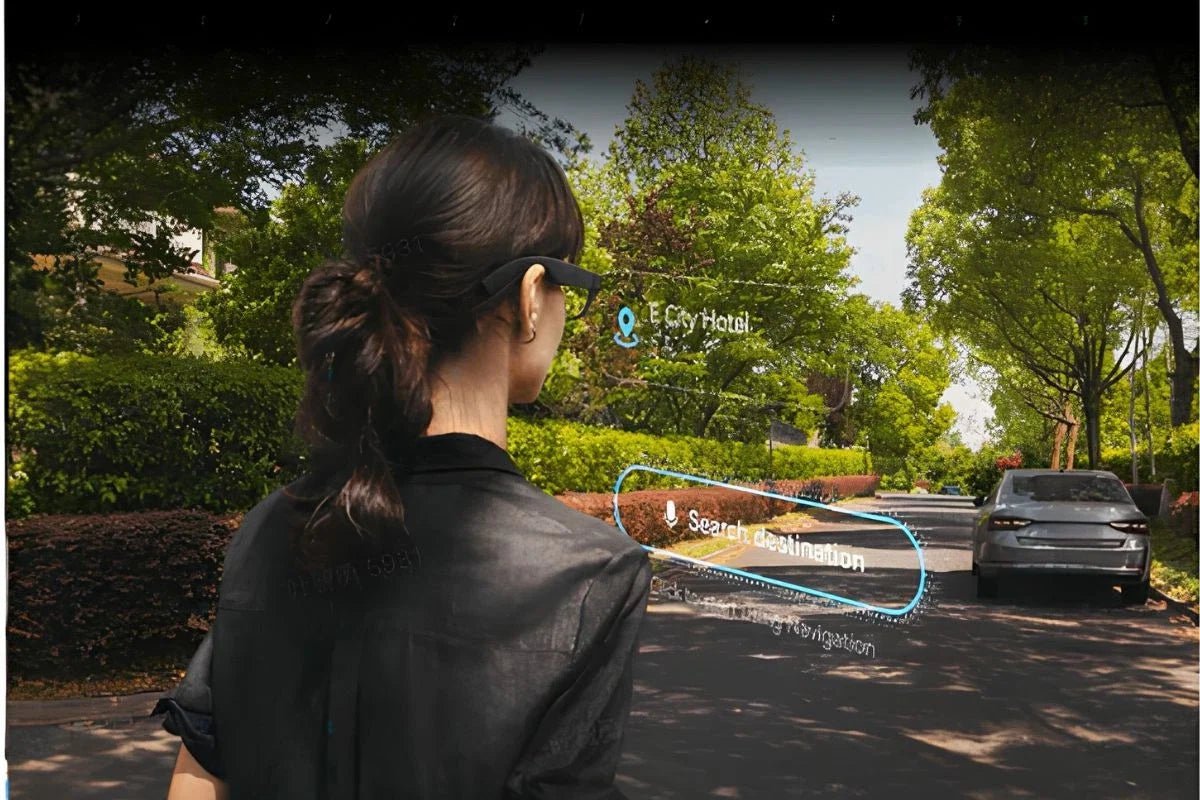
AI glasses are quickly changing how we interact with technology by bringing digital assistance directly into our everyday lives. Equipped with features like AI-powered assistants, cameras, sensors, and advanced displays, these wearable devices can help with tasks such as answering questions, translating languages, capturing moments, and accessing information hands-free.
As more models enter the market, it can be difficult to know which options truly deliver useful features and reliable performance. This guide covers the best AI glasses and explains the features that matter most, including AI functions, AR capabilities, display quality, comfort, battery life, and connectivity. By understanding these factors, you can choose a pair that fits your needs and daily routine.

AI glasses are a more advanced type of smart glasses that combine wearable hardware with artificial intelligence. While regular smart glasses mainly focus on basic features like audio, notifications, and hands-free photo or video capture, AI glasses add intelligent assistance and real-time interactions.
Most AI glasses include cameras, microphones, open-ear speakers, and smartphone or cloud connectivity. These features allow users to ask AI questions, translate languages, identify objects, capture first-person photos and videos, make calls, and access information without reaching for a phone. Some models also include built-in displays for navigation, messages, and visual responses. In comparison, regular smart glasses typically provide fewer interactive features and rely more on connected devices for functionality.
Choosing the best AI glasses requires more than looking at smart features alone. The right pair should combine powerful AI capabilities, immersive displays, reliable performance, and everyday comfort. Understanding these key factors can help you find glasses that deliver real value.
A powerful AI assistant is one of the key features that separates advanced AI glasses from traditional smart eyewear. With multimodal AI, these glasses can understand voice commands, recognize what you see, and provide context-aware responses. Users can ask questions, summarize information, identify objects, translate signs, or get assistance during daily tasks. By combining vision, language, and real-time understanding, AI glasses become a more helpful personal assistant rather than just a wearable accessory.
Display quality plays an important role in determining how useful AI glasses are in everyday situations. Some models use heads-up displays (HUDs) to show simple information like notifications, text, or directions, while advanced AR glasses can overlay interactive 3D digital content onto the real world. When choosing the best AI glasses, consider display clarity, field of view, and AR capabilities to ensure a more immersive and practical experience.
Comfort and battery life are essential factors when choosing AI glasses for daily use. Since these devices combine cameras, processors, and other hardware into a compact frame, battery capacity and weight can be limited. Most models provide several hours of use per charge, depending on features like translation, navigation, and AI assistance. A lightweight design, comfortable fit, and convenient charging case can make AI glasses easier to wear throughout the day.
Camera, audio, and connectivity features determine how practical AI glasses are for everyday use. A high-quality camera allows you to capture photos and videos from your point of view, while built-in speakers and microphones support clear calls, voice commands, and AI interactions. Reliable wireless connectivity is also important for syncing with smartphones, transferring files, and accessing smart features smoothly. Together, these components create a more seamless hands-free experience.
Choosing the right AI glasses depends on your needs, daily activities, and budget. Consider these key factors before making a decision:
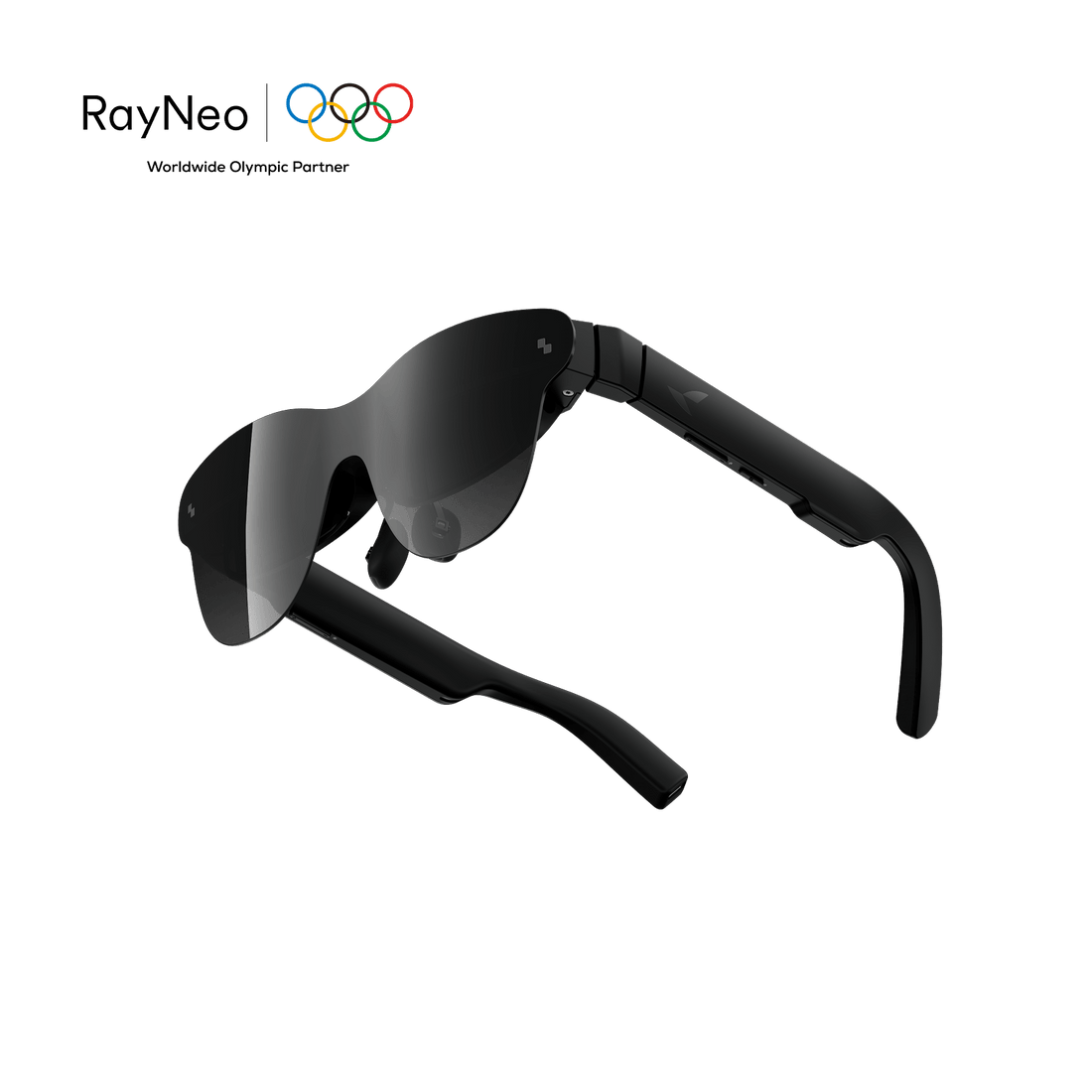
The RayNeo X3 Pro AI+AR Smart Glasses stand out by combining advanced AR technology, AI assistance, and a glasses-like design in one wearable device. Unlike traditional smart glasses focused mainly on audio or notifications, the X3 Pro delivers a more immersive experience with micro-LED waveguide displays, real-time translation, navigation, hands-free photo and video capture, and AI-powered interactions.
Key features that make it stand out include:
For users searching for the best AI glasses 2026, the X3 Pro offers a glimpse into the future of wearable technology by blending AI and AR into a more natural and hands-free experience.

The future of wearable technology is becoming more intelligent, and AI glasses are leading that transformation. The best AI glasses combine powerful AI assistants, real-time features, immersive displays, and practical designs to support daily activities. Whether you want hands-free help, AR experiences, or smarter ways to access information, choosing the right pair requires understanding your personal needs and the features that matter most to you.
Not yet. While the best AI glasses can handle hands-free tasks like navigation, translations, notifications, and voice assistance, they still rely on smartphones for setup, connectivity, payments, messaging, and many apps. As battery life, displays, and AI improve, AI glasses may replace phones for some daily tasks, but they are not a complete smartphone replacement today.
Yes, many AI glasses are excellent for watching movies and videos, especially models with AR displays. They create a large virtual screen that stays anchored as you move, delivering an immersive viewing experience. While they don't fully match a VR headset, they offer a comfortable way to enjoy entertainment at home or while traveling.
No, not all AI glasses have built-in displays. Some models rely on cameras, speakers, microphones, and AI assistants to provide smart features without visual overlays. However, display-equipped AI glasses can project information directly into the user's view, enabling features like navigation, notifications, translations, and augmented reality experiences.





Share:
Immersed AR Glasses: Features, Uses & Buying Guide
Can Smart Glasses Correct Vision? Correction Methods and Limits