

$449.00

You probably think of smart glasses as devices that display notifications, capture photos, or provide hands-free access to digital content. But as wearable technology continues to improve, another question comes up: Can smart glasses correct vision? The answer depends, and we'll talk more about that in this article. You can learn about how smart glasses support vision, their limitations, and the key factors to consider before choosing a pair.

Smart glasses can correct vision, but only when they are designed to support prescription lenses or vision-enhancing technologies. The smart features themselves don't improve eyesight. Instead, they combine wearable technology with optical lenses, allowing you to enjoy digital features while seeing clearly through customized prescription lenses. Some advanced models also include AI-powered visual assistance for people with low vision.
Many people ask, "Do smart glasses help vision?" Yes, they do, although the type of support depends on the model. Some use prescription lenses to correct refractive errors, while others rely on autofocus technology or AI-powered visual assistance to help users interact more effectively with their surroundings.
You will receive customized lenses that match your prescription while maintaining all smart functions. This design provides a more comfortable daily experience because the display and notifications are aligned with the user's corrected vision. As a result, people can enjoy wearable technology without sacrificing clear vision.
Autofocus smart glasses make it much easier to switch between near and far objects. Built-in eye-tracking sensors detect where you're looking and automatically adjust the lens focus as your viewing distance changes. This feature allows the lenses to provide clear vision at different viewing distances, eliminating the need to switch glasses.
AI-powered smart glasses use high-definition cameras and intelligent software to interpret the surrounding environment in real time. This leads to an important question: Do AI glasses help vision? Yes, but they improve visual accessibility rather than correct eyesight. Features such as hands-free text reading, object recognition, and instant information access can make everyday activities easier, especially for people with low vision.
Not all smart glasses handle prescription lenses the same way. Some models permanently attach customized lenses to the frame, while others use inserts that fit behind the display and can be removed.
Bonded lenses are permanently integrated into the frame, giving them the look and feel of regular eyeglasses while offering a wider field of vision and a more durable design. However, they are usually more expensive because they are custom-made. Meanwhile, prescription inserts magnetically clip inside the smart glasses and can be removed. They are generally more affordable, but may add bulk to the frame.
Most prescription-compatible smart glasses support a specific range of prescriptions to ensure a proper fit and clear vision. The prescription ranges are listed below:
Yes, AI glasses can help people with certain eye diseases, such as macular degeneration, glaucoma, and diabetic retinopathy. However, they don't reverse the underlying conditions. They use technology to make visual information easier to see and understand. They also support everyday activities, such as reading, recognizing faces, and navigating unfamiliar places. AI glasses improve independence and confidence in people with eye diseases.
Although smart glasses offer valuable vision support, they still have several limitations:
Getting prescription smart glasses is easier than ever. You can order prescription lenses online from reputable brands like RayNeo. With the necessary vision information, you can complete most of the process from home.
Before ordering prescription-compatible RayNeo smart glasses, prepare a valid and up-to-date prescription from your eye care professional along with your pupillary distance (PD) measurement. You'll also need to decide whether single-vision lenses are suitable for your daily activities or if progressive lenses better fit your vision needs.
Visit the RayNeo website and select a model of smart glasses that supports prescription lenses. During checkout, you will be asked to upload your prescription, enter your PD measurement, and select your preferred lens type. Your custom lenses will then be manufactured to match your prescription. Processing generally takes 3–10 business days before shipment.
To improve visual comfort, it is recommended that you add an anti-reflective coating to reduce glare from digital displays and ambient lighting. For extra peace of mind, RayNeo offers free delivery, a 1-year warranty, a 30-day free trial, and hassle-free after-sales service.
Some RayNeo smart glasses are designed to support prescription lenses while delivering different experiences, from AI-powered productivity to immersive entertainment. Here are two popular options that we recommend:
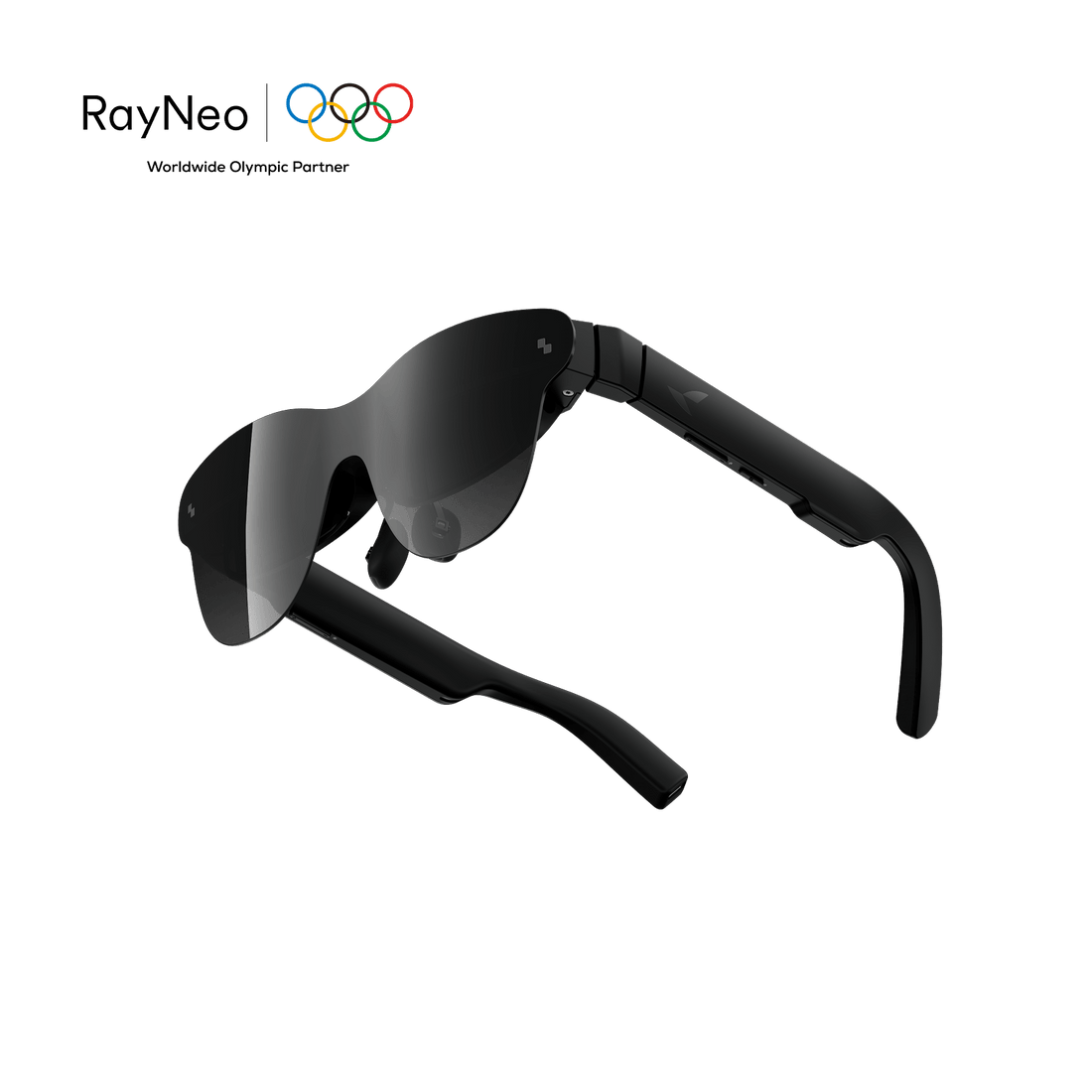
The RayNeo X3 Pro AI+AR Smart Glasses are great for those who want clear vision while staying connected throughout the day. The full-color MicroLED Heads-Up Display (HUD) allows you to view navigation and notifications at a glance. Google Gemini-powered AI assistance helps you access information more naturally. You can also enjoy an AR experience that brings your social media into your field of view.

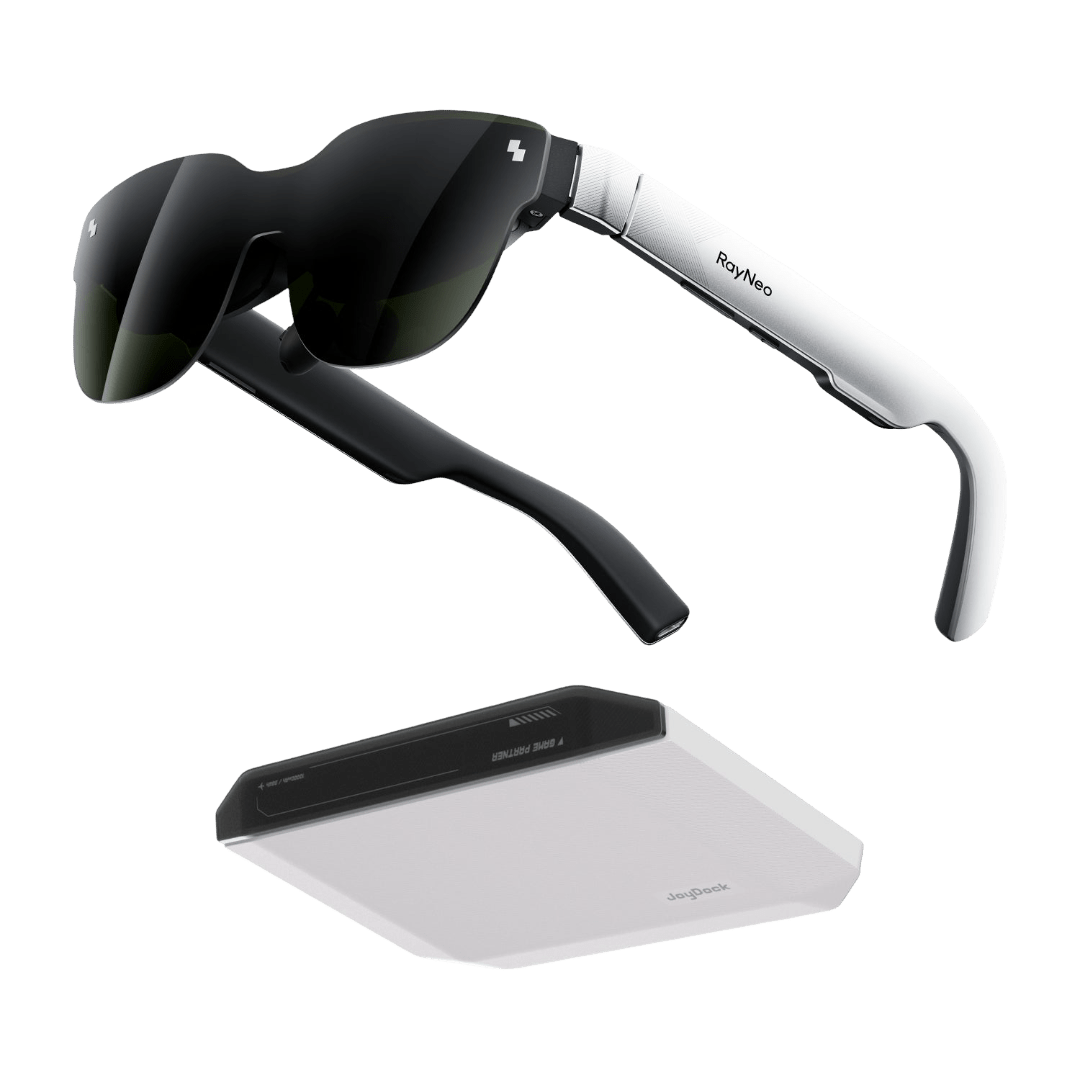
The RayNeo Air 4 Pro AR Glasses are ideal for users who want a prescription-friendly, immersive viewing experience. The glasses' HDR10 Micro-OLED display delivers vibrant visuals, and their TÜV SÜD Low Blue Light certification and 3840 Hz flicker-free dimming help reduce eye strain during extended use. Bang & Olufsen cinematic audio enhances movies and games, and broad compatibility with smartphones, tablets, laptops, and handheld consoles makes the glasses easy to use with your favorite devices.

Smart glasses can provide different types of visual support, but can smart glasses correct vision? Yes, but only when they have prescription lenses, autofocus systems, or specialized AI-assisted features. The smart technology alone does not correct eyesight. Before buying, check the device's prescription range, lens options, and vision-support features to ensure they match your needs.
Yes, smart glasses can improve your vision when they support prescription lenses that match your eyesight. Some models also include AI-powered features that make reading, navigation, and recognizing objects easier for people with low vision. However, they improve visual performance rather than treat or permanently restore your eyesight.
Smart glasses are not designed to treat vertigo or balance disorders. However, certain models may provide visual navigation, hands-free directions, or environmental information that helps some users feel more confident while moving around. If you experience persistent vertigo, consult a healthcare professional for proper diagnosis and treatment.
No, smart glasses cannot fix astigmatism on their own. Instead, compatible models can accommodate prescription lenses that correct astigmatism based on your eye prescription. The built-in smart features add digital functions such as notifications or navigation, while the customized lenses provide the actual vision correction you need.





Share:
Best AI Glasses: A Complete Buying Guide for 2026
7 Smart Glasses Benefits That Make Everyday Tasks Easier