

$449.00

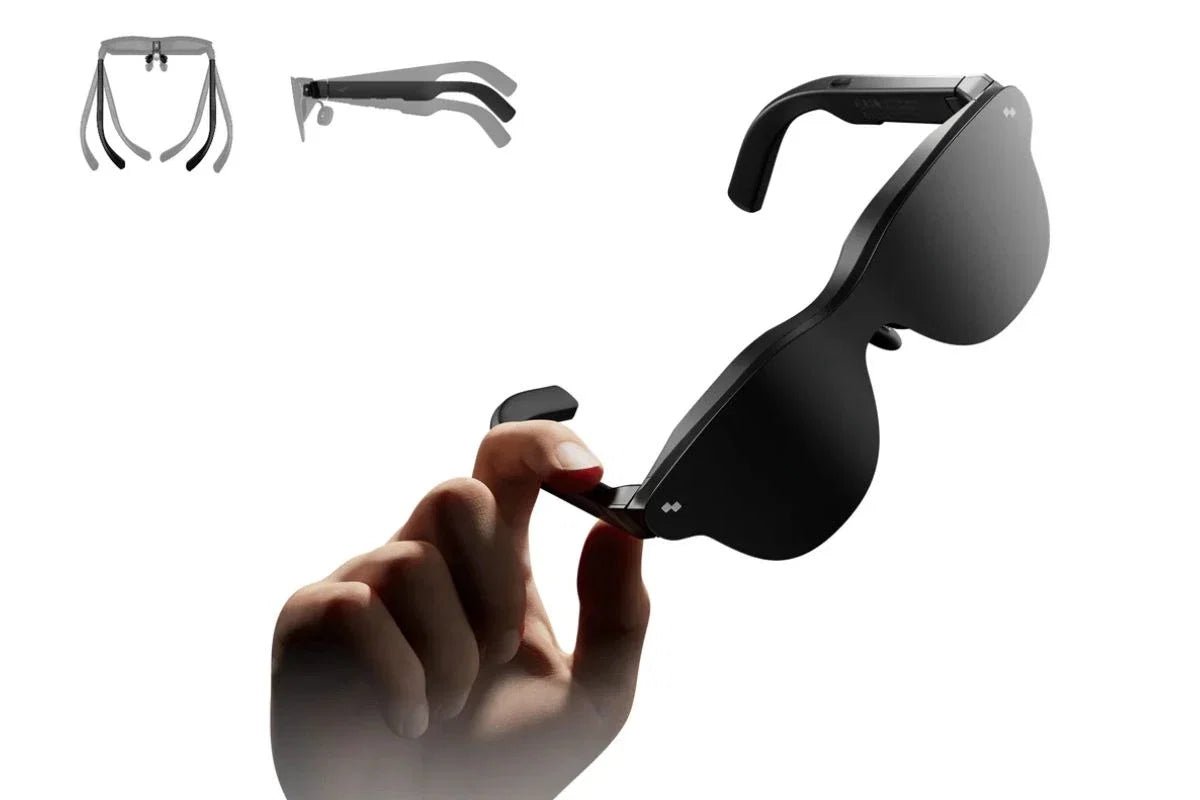
Immersed AR glasses are transforming augmented reality from a futuristic concept into technology you can use every day. By overlaying digital content onto your surroundings, these devices create interactive experiences without disconnecting you from the real world. From expanding your workspace with virtual monitors to enjoying movies on a massive virtual screen, today's AR glasses offer far more than simple visual effects. Their performance depends on advanced optics, accurate tracking, powerful processing, and comfortable designs that support extended use.
As more models enter the market, understanding these features becomes essential for making an informed choice. In this guide, you'll discover what immersed AR glasses are, the technology behind them, their most practical uses, and the features that matter most.

Immersed AR glasses are wearable devices that overlay digital content onto your real-world view, creating interactive experiences while keeping you aware of your surroundings. Unlike basic smart glasses that mainly display notifications, they use advanced displays and spatial tracking to seamlessly blends virtual objects with the physical environment for work, entertainment, and everyday tasks.
Basic smart glasses mainly display notifications, media, or simple digital information. In contrast, immersive AR glasses understand your surroundings and accurately place virtual content within the real world, creating a more natural and interactive experience.
Key technologies that make this possible include:
To understand how manufacturers mix the smallest AR glasses with immersive experiences, it's important to look beyond the design. The key specifications below highlight the technologies that shape performance, comfort, and usability.
Display quality depends on resolution, brightness, and field of view (FOV). High-resolution OLED displays keep text and images sharp, while brighter displays improve visibility in different lighting conditions. A 30–50° FOV balances immersion and comfort, narrower views suit everyday overlays, while wider views enhance movies, gaming, and other immersive experiences.
Comfort depends on more than total weight. Most AR glasses weigh 35–95 grams, but balanced weight distribution across the temples reduces pressure on the nose during extended wear. Lightweight materials such as titanium and TR-90 also improve comfort, while slimmer temple designs make AR glasses look and feel more like everyday eyewear.
Tracking and spatial computing allow AR glasses to understand your movements and surroundings. Using cameras, motion sensors, and AI-powered hand tracking, they accurately recognize gestures and keep virtual objects anchored in place. Low-latency processing ensures interactions feel smooth, responsive, and natural for work, gaming, and other immersive experiences.
Reliable connectivity ensures AR glasses work smoothly across your devices. Look for support for USB-C video output, Bluetooth, and Wi-Fi to connect with smartphones, laptops, tablets, and gaming devices. Before buying, verify your device supports the required video and connectivity standards to avoid needing extra adapters.
The true value of immersive AR glasses comes from how they improve everyday experiences. From boosting productivity to enhancing entertainment and professional workflows, the use cases below show where immersive AR technology delivers the greatest practical benefits.
Immersed AR glasses can replace bulky monitor setups with multiple virtual screens, making multitasking more efficient. You can view documents, video calls, and apps side by side while working from a laptop or smartphone. For remote workers and frequent travelers, a single USB-C connection and a portable keyboard can create a productive workspace almost anywhere.
Immersed AR glasses create a large virtual screen for movies, TV shows, and gaming without a physical display. High-quality Micro-OLED panels deliver sharp visuals, vibrant colors, and strong contrast, while open-ear speakers provide clear, immersive audio with minimal sound leakage. This makes them ideal for enjoying media at home or while traveling.
Immersive AR glasses improve productivity in industries such as manufacturing, healthcare, logistics, and field service by providing hands-free access to digital information. Enterprise deployments often require secure data management, workflow integration, device management, and durable hardware, making purpose-built AR glasses a better choice than consumer models for mission-critical tasks.
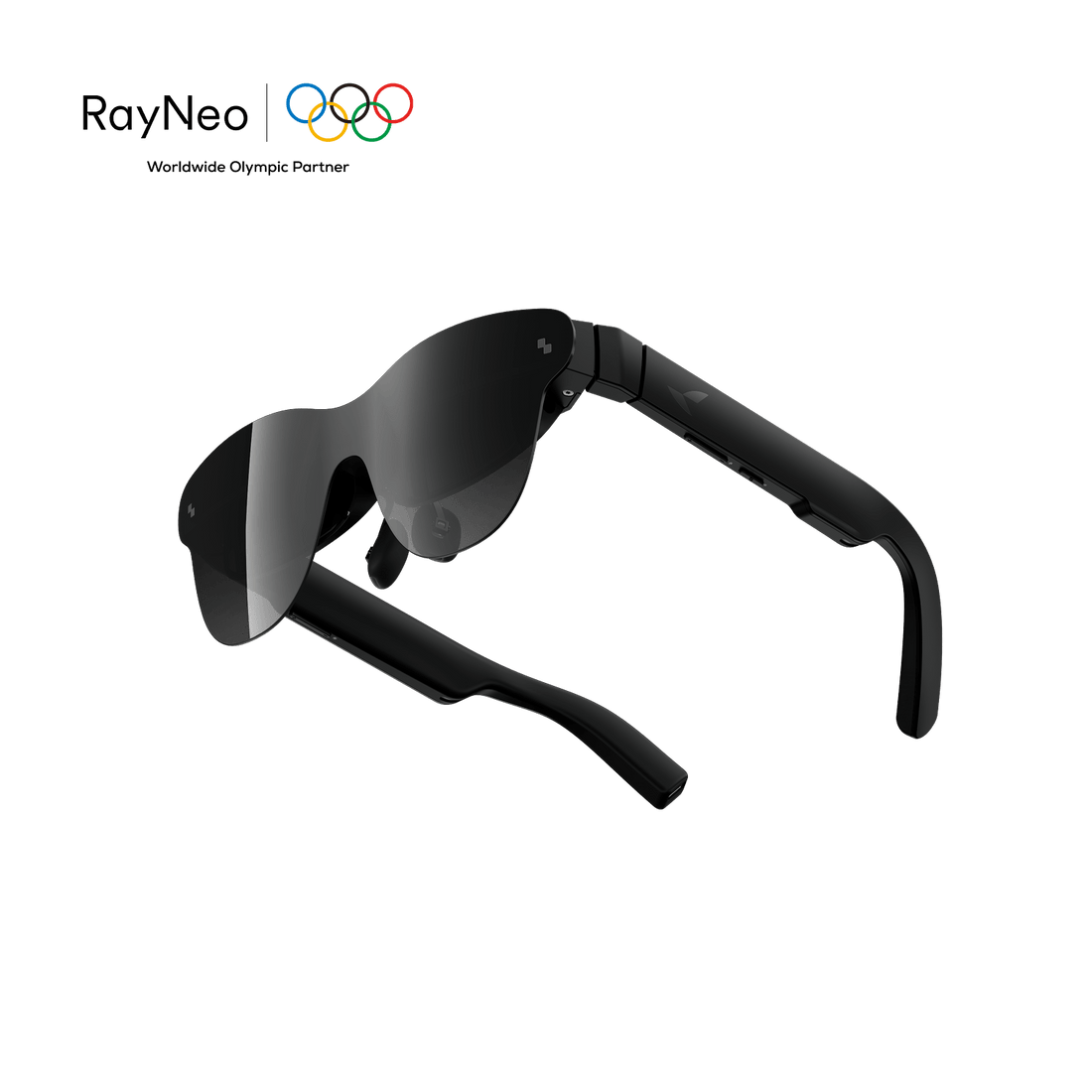
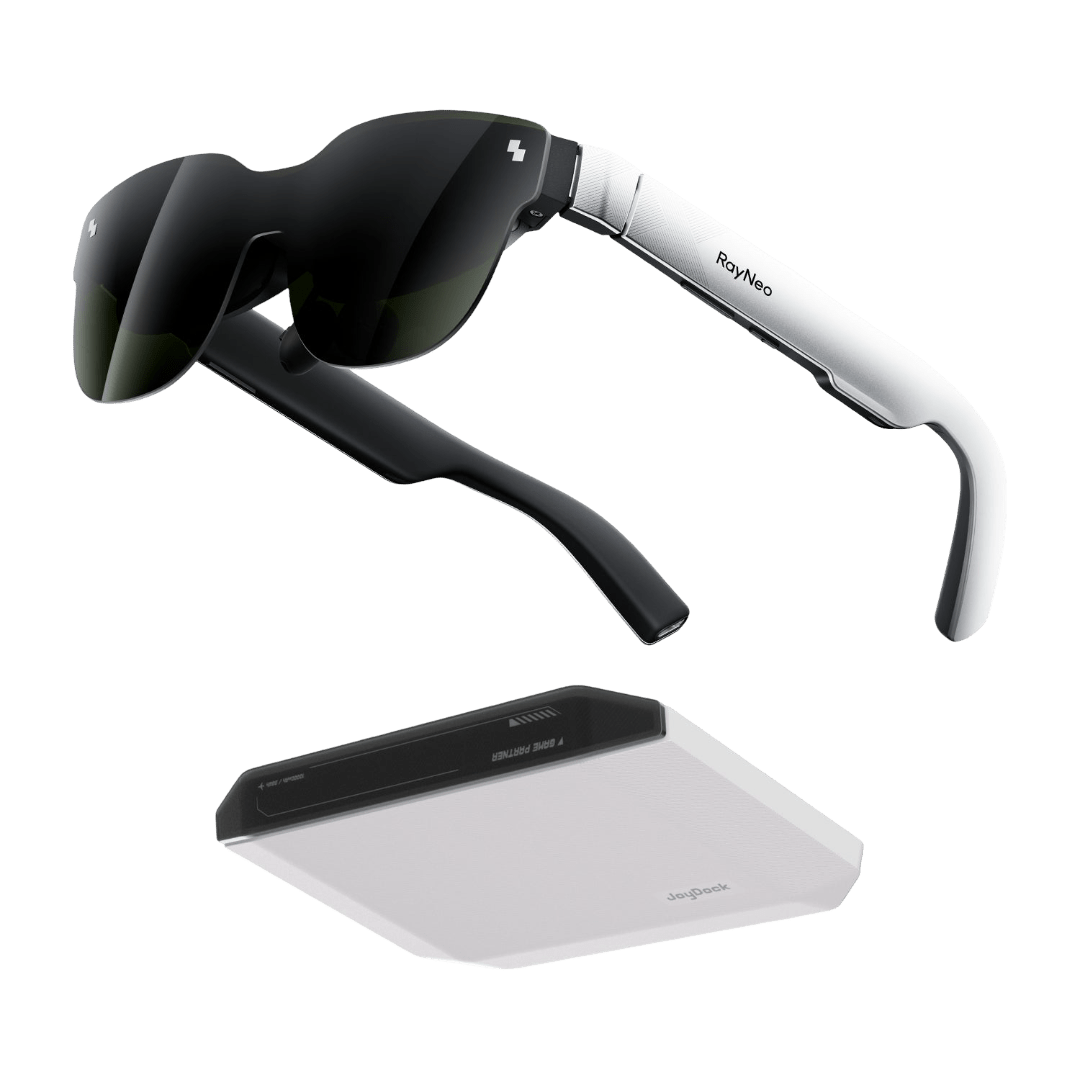
For anyone seeking the top AR glasses for immersive digital content, the RayNeo Air 4 Pro AR Glasses are a strong option. It features dual Micro-OLED displays with HDR10, a 120Hz refresh rate, and up to 1,200-nit brightness for sharp, vibrant visuals. Bang & Olufsen-tuned open-ear speakers enhance movies and gaming without isolating you from your surroundings.
Lightweight and compatible with USB-C devices such as laptops, smartphones, and handheld gaming systems, the Air 4 Pro offers a portable large-screen experience that works well for entertainment, travel, and everyday productivity.

As AR technology advances, immersed AR glasses are becoming a practical choice for both work and entertainment. From virtual multi-monitor setups to immersive media experiences, the right model depends on your priorities, including display quality, comfort, tracking, and device compatibility. Comparing these features before buying helps ensure you choose glasses that fit your lifestyle and deliver long-term value as augmented reality continues to evolve.
No. AR glasses and VR headsets serve different purposes. AR glasses overlay digital content onto your real-world surroundings, allowing you to stay aware of your environment. VR headsets completely replace your view with a virtual world, creating a fully immersive experience. If you want to interact with both digital and physical spaces, AR glasses are the better choice.
Yes, AR glasses can replace a computer monitor for some users, especially for portable work, virtual multi-monitor setups, and media consumption. However, they may not fully replace traditional monitors for long work sessions due to comfort, text clarity, battery demands, and display stability. They work best as a flexible secondary display rather than a permanent monitor replacement.
Yes. Most immersive AR glasses work with smartphones, laptops, tablets, and handheld gaming devices that support USB-C with video output. When connected, they can mirror your screen or create a large virtual display for work, entertainment, and gaming. Some models also support desktop modes, making it easier to stay productive while traveling.





Share:
Do Smart Glasses Record Video and Audio? Explained
Best AI Glasses: A Complete Buying Guide for 2026