For travelers frustrated by tiny seatback screens or limited hotel televisions, movie glasses offer a portable way to enjoy films on a large virtual display. They can also make personal viewing easier at home when a shared television is unavailable. Yet screen size is only one part of the experience.
Color, audio, comfort, and device support all affect how enjoyable a full movie feels. This guide explains what to look for in movie watching glasses, how immersive displays work, and where the RayNeo GT Max fits into a practical entertainment setup.
Explore the full RayNeo range of ar glasses to understand the available personal viewing options.
Why Display Technology Determines Movie Quality
A large virtual image can feel cinematic, but the numbers on a specification sheet do not tell the whole story. Good ar glasses for movies must combine usable image quality with consistent audio and an easy fit.
Display Technology and Color
Standard dynamic range and high dynamic range content reproduce contrast and bright highlights differently. When a film supports HDR, compatible hardware and a suitable source can reveal subtleties in a sunset, a dim interior, or a bright outdoor scene.
A virtual screen should also maintain readable subtitles and clear fine detail.
Check whether an HDR feature is built into the glasses or requires a companion device. Those are different purchasing decisions, especially if you plan to use several phones, computers, or streaming accessories.
Audio Quality and Privacy
Directional speakers and spatial audio can make dialogue and effects feel connected to the picture. Open-ear designs can preserve awareness of people and announcements, but they are not completely silent to those sitting nearby. Quiet-room listening still calls for sensible volume.
Viewing Comfort
Movie sessions are longer than a quick demo. Frame fit, interpupillary distance (IPD), nose pressure, and the stability of the image all matter. Try to prioritize a screen that remains clear without excessive head adjustment, particularly if you wear prescription lenses.
RayNeo GT Max: A Personalized Cinema Experience Anywhere
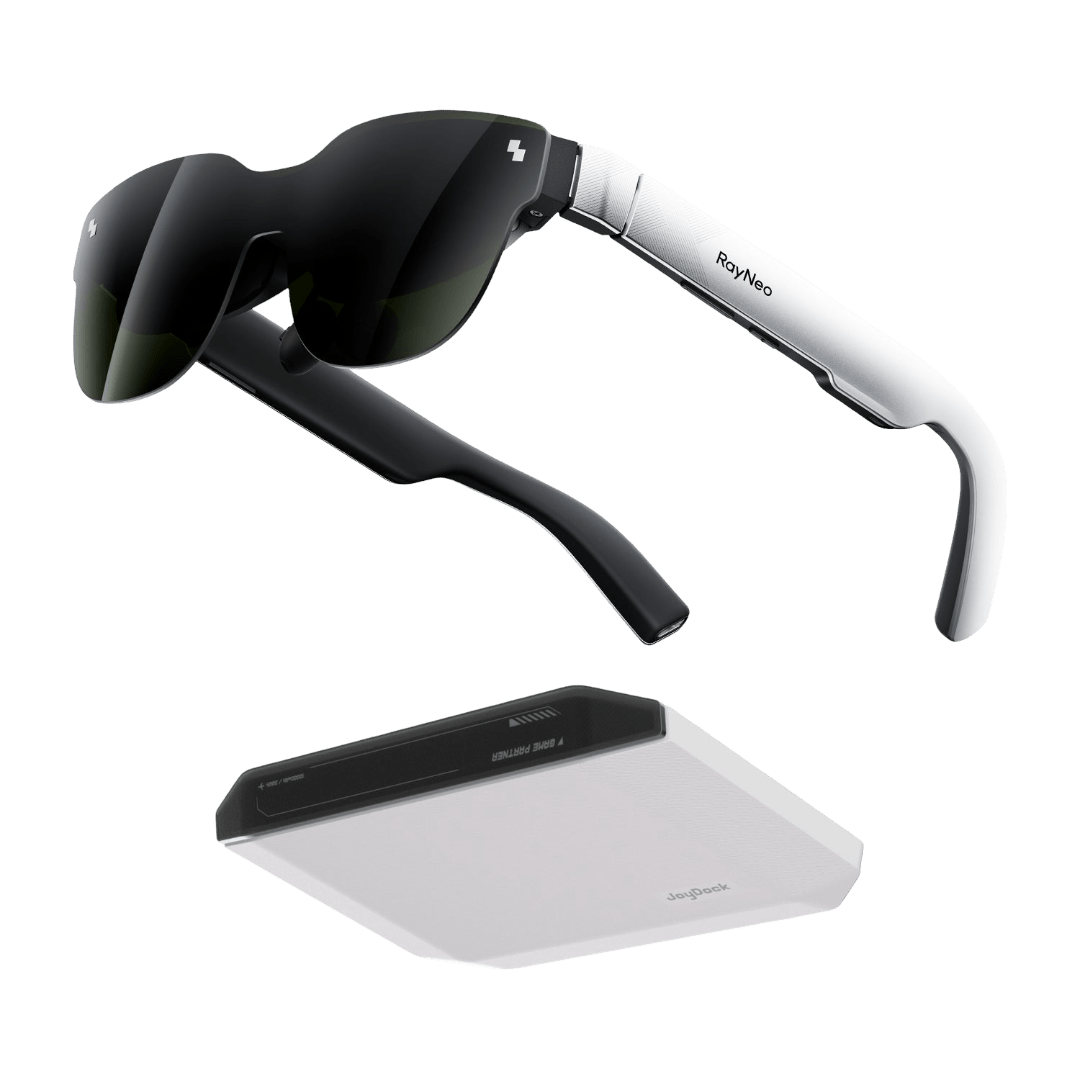
For buyers seeking glasses for movies rather than a permanent projector or television installation, the RayNeo GT Max AR Glasses provide a flexible personal viewing option. The glasses combine selectable virtual display sizes, head-tracked spatial sound, and viewing modes intended to keep on-screen content comfortable to follow.
They suit home movie nights, hotel stays, and other situations where a portable screen is useful. The strongest reason to consider them is not a single headline measurement, but the ability to adjust the viewing experience to your eyes and surroundings.
Key Features of RayNeo GT Max
-
Up to 307-inch virtual display: Select a 227-inch, 267-inch, or 307-inch equivalent image according to your preference and available viewing comfort.
-
Dolby Vision AR experience: Pair the glasses with Pocket TV Pro to access Dolby Vision HDR detail and cinematic color. The compatible accessory is an important part of this feature.
-
Native 3DoF viewing: The Zone 360 3DoF chip supports Follow, Steady, and Pinned modes, giving you different ways to position the virtual screen.
-
Spatial audio: A racetrack quad-speaker system tuned in partnership with Bang & Olufsen offers head-tracked sound and Whisper Mode 2.0.
-
IPD options: Choose S for below 64 mm, M for 64–67 mm, or L for above 67 mm; the RayNeo IPD measurement website can help with selection.
The GT Max is particularly relevant if you want a sizable virtual picture but also care about screen placement and finding the right fit. Measure IPD before ordering and confirm that the video device you intend to use supports the desired viewing features.
What to Consider Before Buying
The advertised 307-inch size represents a virtual display, not a physical image projected onto a wall. Actual perception will depend on the optics, fit, content, and surrounding lighting. Larger is not automatically better if you must move your eyes excessively to follow subtitles.
Also remember that the Dolby Vision experience described for GT Max depends on pairing with Pocket TV Pro. Confirm accessory requirements, connection details, and availability before treating a feature as part of a standalone purchase.
Content Categories and HDR Benefits
Different films make different demands on movie glasses. Thinking about what you watch most often helps identify which display and audio features deserve priority.
Modern Streaming Content
Recent films and series often combine dark scenes, bright highlights, and finely graded colors. A capable HDR pipeline can maintain detail that looks flatter on an incompatible display. Results still depend on the content version, service, and connected playback device.
Animated Content
Animation often uses saturated palettes, stylized lighting, and crisp edges. A well-adjusted display should keep colors distinct without making faces or landscapes look unnaturally intense. Subtitle sharpness and consistent color are as useful as the largest available screen setting.
Cinematic Photography
Films with elaborate lighting or restrained color grading reward balanced contrast and careful tone reproduction. Look for detail in shadowed clothing, subtle skin tones, and bright windows rather than judging picture quality from vivid demonstration footage alone.
Documentary Content
Nature, travel, and science documentaries benefit from detail across landscapes and close-ups. Spatial audio may add a sense of place, while stable viewing modes help keep narration, subtitles, and moving images easy to follow.
Real-World Viewing Scenarios
Portable movie watching glasses are useful in several environments, although each one introduces different comfort, privacy, and connectivity concerns.
Travel Entertainment
-
Air travel: A personal virtual screen avoids reliance on seatback displays. Keep the volume moderate and remain attentive to cabin announcements and crew instructions.
-
Hotel stays: Watch familiar content without relying on an unfamiliar television interface. Check power, cables, and whether your playback device can send compatible video to the glasses.
-
Long trips: Pack the glasses securely and plan for the battery life of the connected source. Take occasional breaks rather than treating a portable screen as a reason for uninterrupted viewing.
Home Viewing
-
Personal viewing: A virtual screen can provide an alternative when someone else is using the family television. A stable seated position often makes longer sessions more comfortable.
-
Late-night entertainment: Directional audio can be convenient in shared rooms, but sound leakage varies with volume and distance. Whisper Mode 2.0 can be worth exploring where quieter listening matters.
Public Spaces
-
Commuting: Use the glasses only when it is safe to focus on a screen. Avoid wearing them while driving, cycling, or navigating busy crossings.
-
Waiting areas: A personal display can make downtime more enjoyable, but maintain awareness of belongings, boarding calls, and people nearby.
Streaming Platform and Device Compatibility
Compatibility matters as much as image quality. Before purchasing ar glasses for movies, identify the exact phone, laptop, or playback accessory you intend to connect and confirm that it can supply the required video signal.
Confirm Your Playback Setup
-
Video output: Not every USB-C port supports external displays. Check the device’s video-output specification rather than assuming the connector shape is sufficient.
-
Streaming rights: Some services restrict external display playback or use content protection. Test the service and connection pathway you actually plan to use.
-
HDR playback: Dolby Vision support requires a compatible source and viewing system. With GT Max, the supplied product description specifically identifies Pocket TV Pro as the pairing option.
-
Power and accessories: Determine which device supplies power, whether an adapter is required, and if charging during playback is practical.
If your main goal is to watch downloaded films while traveling, verify offline playback and storage on the source device. If you stream at home, pay closer attention to connection stability, service compatibility, and your preferred seating arrangement.
Future-Proofing Considerations
Streaming formats and connection standards continue to evolve. It is sensible to choose features that solve current needs instead of assuming every advertised capability will work with future devices. Keep compatibility documentation and accessory support in mind.
For the GT Max, selectable virtual screen sizes, multiple spatial viewing modes, and IPD-specific sizing address recognizable user needs. However, a future software update or newly launched source device should never be assumed to offer unverified functionality.
Value Analysis for Movie Enthusiasts
The value of glasses for movies depends on how regularly you use them and what other equipment you already own. A virtual display is not a direct replacement for a shared family television, but it can create a convenient personal alternative.
-
Travel value: Consider whether the glasses meaningfully improve long flights, hotel evenings, or temporary living arrangements.
-
Home value: Ask whether personal viewing, reduced competition for the main screen, or flexible seating would justify the purchase.
-
Total cost: Include any required companion hardware, prescription accessories, compatible cables, and a suitable playback device.
A buyer focused on cinematic color may prioritize the Pocket TV Pro pairing. Someone more sensitive to screen motion may value 3DoF modes. These needs are more informative than attempting to rank products solely by virtual screen size.
Feature Prioritization for Movie Watching
When comparing candidates for the best ar glasses for movies, rank practical factors ahead of marketing superlatives. Use the following priorities to narrow the decision.
Essential Features
-
Clear image and subtitles: Check sharpness across the usable field of view, including the edges and lower subtitle area.
-
Suitable fit: Measure IPD carefully and account for any prescription requirements before choosing a size.
-
Reliable sound: Dialogue intelligibility and comfortable listening volume matter more than exaggerated bass claims.
-
Stable screen positioning: Decide whether Follow, Steady, or Pinned viewing better fits your posture and habits.
-
Compatible source device: Confirm the intended cable, output format, and required accessory before making a purchase.
Less Critical Features
-
Maximum virtual size alone: A smaller clear image can be easier to follow than a very large one.
-
Unrelated productivity tools: Workspace features may be useful, but they should not outweigh video performance for a movie-first purchase.
-
Headline specifications without context: A feature matters only when its required hardware and content are available.
Manufacturing Quality and Long-Term Ownership
Build quality affects whether glasses remain comfortable after months of packing, cleaning, and repeated use. Check the frame, hinges, lenses, included case, and instructions for proper storage and cleaning.
Support is another part of ownership. Before buying, review the manufacturer’s warranty terms, replacement accessory availability, return conditions, and regional service options. Reliable assistance may matter more than a small difference in a headline technical specification.
Technical Specifications Summary
The following RayNeo GT Max characteristics come from the supplied product description. Details not provided there, including weight, battery life, and specific port support, should be verified separately before purchase.
Display and Spatial Viewing
-
Virtual display presets: 227, 267, and 307 inches.
-
HDR experience: Dolby Vision when paired with Pocket TV Pro.
-
Spatial processing: Zone 360 3DoF chip with Follow, Steady, and Pinned viewing modes.
Audio and Fit
-
Speaker system: Racetrack quad-speaker design tuned with Bang & Olufsen.
-
Listening features: Head-tracked spatial audio and Whisper Mode 2.0.
-
IPD sizes: S below 64 mm; M from 64 to 67 mm; L above 67 mm.
Choosing the Right Size
Measure your interpupillary distance before selecting GT Max. RayNeo provides a smartphone-based measurement option at ipd.rayneo.com. If you are between sizes or require corrective lenses, check the manufacturer’s fitting guidance before ordering.
Conclusion
The right movie glasses make personal entertainment easier without turning setup into a technical project. Prioritize a clear image, comfortable fit, dependable audio, and compatibility with the devices you already use.
RayNeo GT Max stands out for its selectable virtual display sizes, three spatial viewing modes, IPD options, and audio designed for immersive listening. Its Dolby Vision experience also has a specific pairing requirement: Pocket TV Pro. Before buying, measure your IPD and check your intended source device.
These practical steps are more valuable than choosing by screen size alone, especially for regular movie nights or travel.
Frequently Asked Questions
Are movie glasses useful for watching full-length films?
Yes, provided the frame fits comfortably, the source device works reliably, and you can take breaks when needed. Good movie glasses should feel manageable beyond a short demonstration, not just look impressive initially.
Do movie glasses replace a television?
They can serve as a personal screen, particularly for travel or independent viewing. They do not provide the same shared experience as a physical living-room display, and their usability depends on compatible source hardware.
What makes the best AR glasses for movies?
The best ar glasses for movies for you will balance display clarity, comfort, audio, stable viewing modes, device compatibility, and total ownership cost. The largest claimed virtual screen is not necessarily the most satisfying choice.
Does the RayNeo GT Max support Dolby Vision on its own?
The supplied product description specifies Dolby Vision when GT Max is paired with Pocket TV Pro. Confirm the complete playback setup rather than assuming the glasses alone will deliver the same feature.




For travelers frustrated by tiny seatback screens or limited hotel televisions, movie glasses offer a portable way to enjoy films on a large virtual display. They can also make personal viewing easier at home when a shared television is unavailable. Yet screen size is only one part of the experience.
Color, audio, comfort, and device support all affect how enjoyable a full movie feels. This guide explains what to look for in movie watching glasses, how immersive displays work, and where the RayNeo GT Max fits into a practical entertainment setup.
Explore the full RayNeo range of ar glasses to understand the available personal viewing options.
Why Display Technology Determines Movie Quality
A large virtual image can feel cinematic, but the numbers on a specification sheet do not tell the whole story. Good ar glasses for movies must combine usable image quality with consistent audio and an easy fit.
Display Technology and Color
Standard dynamic range and high dynamic range content reproduce contrast and bright highlights differently. When a film supports HDR, compatible hardware and a suitable source can reveal subtleties in a sunset, a dim interior, or a bright outdoor scene.
A virtual screen should also maintain readable subtitles and clear fine detail.
Check whether an HDR feature is built into the glasses or requires a companion device. Those are different purchasing decisions, especially if you plan to use several phones, computers, or streaming accessories.
Audio Quality and Privacy
Directional speakers and spatial audio can make dialogue and effects feel connected to the picture. Open-ear designs can preserve awareness of people and announcements, but they are not completely silent to those sitting nearby. Quiet-room listening still calls for sensible volume.
Viewing Comfort
Movie sessions are longer than a quick demo. Frame fit, interpupillary distance (IPD), nose pressure, and the stability of the image all matter. Try to prioritize a screen that remains clear without excessive head adjustment, particularly if you wear prescription lenses.
RayNeo GT Max: A Personalized Cinema Experience Anywhere
For buyers seeking glasses for movies rather than a permanent projector or television installation, the RayNeo GT Max AR Glasses provide a flexible personal viewing option. The glasses combine selectable virtual display sizes, head-tracked spatial sound, and viewing modes intended to keep on-screen content comfortable to follow.
They suit home movie nights, hotel stays, and other situations where a portable screen is useful. The strongest reason to consider them is not a single headline measurement, but the ability to adjust the viewing experience to your eyes and surroundings.
Key Features of RayNeo GT Max
The GT Max is particularly relevant if you want a sizable virtual picture but also care about screen placement and finding the right fit. Measure IPD before ordering and confirm that the video device you intend to use supports the desired viewing features.
What to Consider Before Buying
The advertised 307-inch size represents a virtual display, not a physical image projected onto a wall. Actual perception will depend on the optics, fit, content, and surrounding lighting. Larger is not automatically better if you must move your eyes excessively to follow subtitles.
Also remember that the Dolby Vision experience described for GT Max depends on pairing with Pocket TV Pro. Confirm accessory requirements, connection details, and availability before treating a feature as part of a standalone purchase.
Content Categories and HDR Benefits
Different films make different demands on movie glasses. Thinking about what you watch most often helps identify which display and audio features deserve priority.
Modern Streaming Content
Recent films and series often combine dark scenes, bright highlights, and finely graded colors. A capable HDR pipeline can maintain detail that looks flatter on an incompatible display. Results still depend on the content version, service, and connected playback device.
Animated Content
Animation often uses saturated palettes, stylized lighting, and crisp edges. A well-adjusted display should keep colors distinct without making faces or landscapes look unnaturally intense. Subtitle sharpness and consistent color are as useful as the largest available screen setting.
Cinematic Photography
Films with elaborate lighting or restrained color grading reward balanced contrast and careful tone reproduction. Look for detail in shadowed clothing, subtle skin tones, and bright windows rather than judging picture quality from vivid demonstration footage alone.
Documentary Content
Nature, travel, and science documentaries benefit from detail across landscapes and close-ups. Spatial audio may add a sense of place, while stable viewing modes help keep narration, subtitles, and moving images easy to follow.
Real-World Viewing Scenarios
Portable movie watching glasses are useful in several environments, although each one introduces different comfort, privacy, and connectivity concerns.
Travel Entertainment
Home Viewing
Public Spaces
Streaming Platform and Device Compatibility
Compatibility matters as much as image quality. Before purchasing ar glasses for movies, identify the exact phone, laptop, or playback accessory you intend to connect and confirm that it can supply the required video signal.
Confirm Your Playback Setup
If your main goal is to watch downloaded films while traveling, verify offline playback and storage on the source device. If you stream at home, pay closer attention to connection stability, service compatibility, and your preferred seating arrangement.
Future-Proofing Considerations
Streaming formats and connection standards continue to evolve. It is sensible to choose features that solve current needs instead of assuming every advertised capability will work with future devices. Keep compatibility documentation and accessory support in mind.
For the GT Max, selectable virtual screen sizes, multiple spatial viewing modes, and IPD-specific sizing address recognizable user needs. However, a future software update or newly launched source device should never be assumed to offer unverified functionality.
Value Analysis for Movie Enthusiasts
The value of glasses for movies depends on how regularly you use them and what other equipment you already own. A virtual display is not a direct replacement for a shared family television, but it can create a convenient personal alternative.
A buyer focused on cinematic color may prioritize the Pocket TV Pro pairing. Someone more sensitive to screen motion may value 3DoF modes. These needs are more informative than attempting to rank products solely by virtual screen size.
Feature Prioritization for Movie Watching
When comparing candidates for the best ar glasses for movies, rank practical factors ahead of marketing superlatives. Use the following priorities to narrow the decision.
Essential Features
Less Critical Features
Manufacturing Quality and Long-Term Ownership
Build quality affects whether glasses remain comfortable after months of packing, cleaning, and repeated use. Check the frame, hinges, lenses, included case, and instructions for proper storage and cleaning.
Support is another part of ownership. Before buying, review the manufacturer’s warranty terms, replacement accessory availability, return conditions, and regional service options. Reliable assistance may matter more than a small difference in a headline technical specification.
Technical Specifications Summary
The following RayNeo GT Max characteristics come from the supplied product description. Details not provided there, including weight, battery life, and specific port support, should be verified separately before purchase.
Display and Spatial Viewing
Audio and Fit
Choosing the Right Size
Measure your interpupillary distance before selecting GT Max. RayNeo provides a smartphone-based measurement option at ipd.rayneo.com. If you are between sizes or require corrective lenses, check the manufacturer’s fitting guidance before ordering.
Conclusion
The right movie glasses make personal entertainment easier without turning setup into a technical project. Prioritize a clear image, comfortable fit, dependable audio, and compatibility with the devices you already use.
RayNeo GT Max stands out for its selectable virtual display sizes, three spatial viewing modes, IPD options, and audio designed for immersive listening. Its Dolby Vision experience also has a specific pairing requirement: Pocket TV Pro. Before buying, measure your IPD and check your intended source device.
These practical steps are more valuable than choosing by screen size alone, especially for regular movie nights or travel.
Frequently Asked Questions
Are movie glasses useful for watching full-length films?
Yes, provided the frame fits comfortably, the source device works reliably, and you can take breaks when needed. Good movie glasses should feel manageable beyond a short demonstration, not just look impressive initially.
Do movie glasses replace a television?
They can serve as a personal screen, particularly for travel or independent viewing. They do not provide the same shared experience as a physical living-room display, and their usability depends on compatible source hardware.
What makes the best AR glasses for movies?
The best ar glasses for movies for you will balance display clarity, comfort, audio, stable viewing modes, device compatibility, and total ownership cost. The largest claimed virtual screen is not necessarily the most satisfying choice.
Does the RayNeo GT Max support Dolby Vision on its own?
The supplied product description specifies Dolby Vision when GT Max is paired with Pocket TV Pro. Confirm the complete playback setup rather than assuming the glasses alone will deliver the same feature.
Share:
Leave a Comment
We'd love to hear your thoughts. Comments are reviewed before publication.