The growing popularity of wearable display technology has made AR vs XR glasses an important topic for consumers exploring next-generation digital experiences. Although often mentioned together, these technologies represent different approaches to combining digital content with the physical world.
AR glasses are mainly designed to enhance the user's view by adding digital content, such as virtual screens, images, or information, while allowing users to remain connected with their surroundings. XR glasses represent a broader category of immersive technologies that can include augmented reality, mixed reality, and virtual reality experiences. Understanding how they differ can help users choose a device that matches their entertainment, productivity, and lifestyle needs.
What Are AR Glasses?
Augmented reality glasses are wearable display devices that overlay digital content within the user's view while maintaining a connection between digital information and the physical environment. Unlike traditional monitors or televisions, they create a personal viewing space that users can access wherever they go.
The main purpose of AR glasses is to improve everyday digital interaction. They can provide a large virtual screen for watching videos, working with multiple displays, or enjoying gaming content while keeping users aware of their surroundings.
How AR Glasses Work
AR glasses use display and optical technologies to present digital images within the user's field of view. Depending on the device, they may include features such as Micro-OLED displays, motion tracking, spatial positioning, and built-in audio systems.
Instead of replacing the physical world, AR glasses add digital information to everyday experiences. For example, users can watch movies during travel or create a larger workspace while working remotely.
The experience depends on several hardware factors, including display quality, field of view, comfort, and compatibility with external devices. These elements determine how natural and useful the glasses feel during daily use.
Common Applications of AR Glasses
AR glasses combine portability with large-screen experiences, making them useful for entertainment, productivity, travel, and gaming. Users can enjoy a private cinema experience, expand their workspace, or connect compatible devices without carrying traditional display equipment.
Modern AR glasses are designed to provide a balance between immersive visuals and practical everyday usability, making them suitable for people who want a portable alternative to conventional screens.
What Are XR Glasses?
Extended reality (XR) glasses represent a broader category of wearable technology that combines different immersive experiences. XR includes augmented reality (AR), virtual reality (VR), and mixed reality (MR), allowing devices to support different levels of digital interaction.
While AR focuses on enhancing the real environment, XR technology can create more advanced experiences where digital objects, environments, and information interact with the user's movements.
How XR Technology Expands Digital Experiences
Many XR devices use sensors, cameras, and tracking systems to create interactive digital experiences. Depending on the product design, virtual objects may appear fixed in space, respond to movement, or interact with the environment.
This makes XR technology useful for applications beyond entertainment, including professional training, design visualization, simulation, and collaborative digital environments.
When comparing XR vs AR glasses, it is important to understand that XR is an umbrella term covering multiple reality technologies, while AR focuses specifically on enhancing the real world with digital elements.
The Relationship Between AR and XR
AR and XR are closely connected rather than completely separate technologies. AR is considered part of the XR ecosystem because it extends reality by adding digital elements to the user's environment.
A simple way to understand their relationship is:
-
XR: The overall category covering extended reality technologies.
-
AR: A technology that overlays digital content onto the real world.
-
VR: A fully digital environment that replaces the user's surroundings.
-
MR: A combination of physical and virtual elements that can interact together.
This relationship explains why discussions about wearable displays often compare AR and XR devices, even though one technology exists within the broader XR category.
AR vs XR Glasses: Key Differences Explained
Choosing between AR and XR glasses depends on how users want to experience digital content. Some people prioritize portability and real-world awareness, while others prefer deeper immersion and advanced interaction.
The following comparison highlights the main differences between the two technologies.
| Feature |
AR Glasses |
XR Glasses |
| Technology Scope |
Focuses on augmented reality features |
Covers AR, VR, and mixed reality experiences |
| Reality Awareness |
Keeps users connected with their surroundings |
Depends on the level of immersion and device design |
| Primary Purpose |
Portable displays, entertainment, and productivity |
Advanced immersive applications and interactive experiences |
| Immersion Level |
Enhances the real world with digital content |
Can provide more complex digital environments |
| Typical Users |
Travelers, professionals, and entertainment users |
Gamers, creators, businesses, and technology enthusiasts |
| User Experience |
Generally designed for straightforward daily use |
May involve additional setup depending on advanced features |
Display and Immersion Experience
Display performance plays a major role in wearable experiences. A high-quality display should provide clear images, comfortable viewing, and natural interaction with digital content.
AR glasses typically focus on creating a large virtual screen while allowing users to remain aware of their surroundings. XR devices may add more advanced spatial features, enabling digital elements to feel more connected to the environment.
For users mainly interested in watching movies, working with virtual monitors, or enjoying portable entertainment, AR glasses may provide a more practical experience. Those who need deeper interaction with digital environments may benefit from XR solutions.
Interaction and Tracking Capabilities
Tracking technology determines how naturally digital content behaves when users move. Basic display-focused glasses may provide a stable viewing experience, while more advanced devices can maintain virtual screens or objects in specific positions.
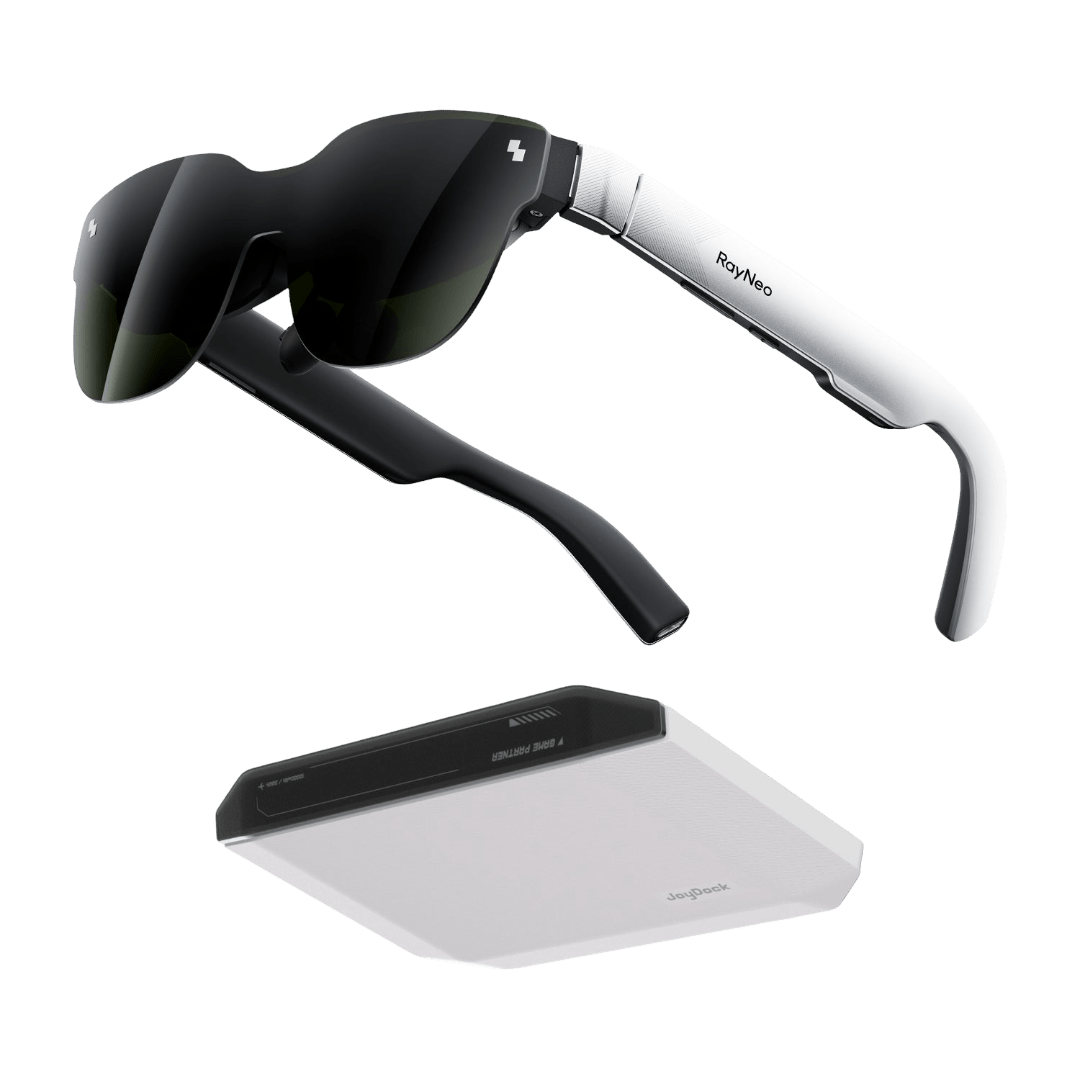
For example, the RayNeo GT Max AR Glasses support a native 3DoF spatial experience powered by the Zone 360 chip, offering viewing modes such as Follow, Steady, and Pinned for different usage scenarios. This helps create a more stable virtual display experience during extended use.
These capabilities demonstrate how modern wearable displays are moving beyond simple screens toward more interactive viewing environments.
Real-World Awareness and Comfort
One of the biggest advantages of AR-focused devices is maintaining awareness of the user's surroundings. This can make them more convenient for travel, office environments, and everyday entertainment.
Comfort also affects the overall experience. Users should consider weight balance, frame design, lens adjustment, and whether the glasses remain comfortable during longer sessions.
A device that provides excellent visual performance but feels uncomfortable may not deliver a satisfying daily experience.
AR Glasses vs XR Glasses: Which One Is Better for Different Uses?
The choice between AR and XR glasses depends largely on the user's goals. Different scenarios require different levels of immersion, portability, and interaction.
Entertainment and Gaming
For entertainment, AR glasses are often attractive because they can create a large personal display without requiring a television or monitor. Users can watch movies, stream content, or play compatible games while enjoying a private viewing experience.
The RayNeo GT Max AR Glasses, for example, provide a virtual display experience of up to 307 inches, a 59° field of view, and Micro-OLED display technology designed for high-quality viewing in entertainment and productivity scenarios. These features make them suitable for users looking for a portable cinema-style experience.
XR devices may provide additional advantages for users who want more interactive gaming environments or mixed reality applications.
Work and Productivity
AR glasses can be useful productivity tools because they provide additional screen space without requiring a physical monitor. Remote workers and frequent travelers may use them to create a flexible workspace in different locations.
Before choosing a device, users should consider whether they need a simple virtual display or advanced spatial interaction features. For many professionals, portability and comfort are more important than maximum immersion.
Travel and Everyday Use
Portability is one of the strongest advantages of AR glasses. A lightweight wearable display can be easier to carry than a traditional monitor, making it useful during flights, business trips, and daily commuting.
XR devices may offer more advanced capabilities, but users should consider whether those features match their regular activities.
What Features Should You Consider Before Buying AR or XR Glasses?
Selecting the right wearable display requires more than comparing technical specifications. Users should evaluate how each feature affects comfort, usability, and long-term satisfaction.
Display Quality and Field of View
Display quality directly influences image clarity and viewing comfort. A sharper image, wider viewing area, and smoother performance can significantly improve the overall experience.
When evaluating display technology, consider:
-
Resolution: Higher resolution improves text clarity and image detail. Users who plan to use AR glasses for productivity, reading, or watching high-quality videos should prioritize sharper displays.
-
Brightness: Higher brightness can improve visibility in environments with changing lighting conditions. Users who frequently use glasses near windows or outdoors should pay closer attention to brightness performance.
-
Field of view: A wider field of view allows virtual screens to occupy more of the user's vision, creating a more natural viewing experience. Users who mainly watch movies or use multiple virtual screens may benefit from a larger FOV.
-
Refresh rate: A higher refresh rate can create smoother motion, which benefits gaming and fast-moving videos.
Comfort and Wearability
Since wearable displays are often used for extended periods, comfort should be a major consideration. Even advanced technology may become difficult to use if the design creates pressure or fatigue.
Important comfort factors include:
-
Weight distribution: A balanced design reduces pressure on the nose and ears. Users who plan to wear glasses for long movies or extended work sessions should consider weight balance carefully.
-
Frame design: Lightweight materials and ergonomic structures make glasses easier to wear throughout the day.
-
Fit adjustment: Adjustable IPD and fitting options help users align the display correctly. Proper adjustment can improve image clarity and reduce eye discomfort during extended use.
Device Compatibility and Connectivity
Compatibility determines whether the glasses can easily integrate with your existing devices. A powerful display is less useful if it cannot connect smoothly with your preferred platforms.
Before purchasing, check:
-
Connection options: Check whether the glasses support the ports, adapters, or wireless connections required by your devices before purchasing.
-
Device compatibility: Verify compatibility with your main devices, such as laptops, smartphones, gaming consoles, or streaming accessories, to avoid connection limitations.
-
Software support: A reliable software experience can simplify setup, updates, and everyday operation.
Audio and Additional Features
Audio performance can improve entertainment experiences, especially for movies and gaming. Some wearable displays include directional speakers or spatial audio systems for more natural sound.
Features such as motion tracking, display adjustment, and accessory support can also influence how versatile the glasses are for different situations.
How Wearable Display Technology Is Evolving
The wearable display market is moving toward devices that combine entertainment, productivity, and portability. Instead of replacing every traditional device, many AR and XR glasses are designed to provide additional flexibility.
Wearable displays continue to improve through advances in display technology, comfort, tracking, and audio performance. The development of devices such as the RayNeo GT Max AR Glasses reflects this trend by combining a large virtual display, spatial capabilities, and entertainment-focused features.
As technology continues improving, wearable displays may become a more common way for users to access digital content in everyday situations.
Conclusion
Understanding AR vs XR glasses allows consumers to better evaluate which wearable display technology fits their needs as the market continues to evolve. AR glasses focus on enhancing daily experiences through digital displays, while XR glasses represent a broader range of immersive technologies.
For users who value portable entertainment, productivity, and easy everyday use, AR glasses can provide a practical solution. Those looking for advanced interaction and deeper immersion may explore XR devices with additional spatial features.
As wearable displays continue to improve, both AR and XR glasses will play an important role in shaping how people watch content, work, and interact with digital environments.
Frequently Asked Questions
Are XR glasses the same as AR glasses?
No. AR glasses are one category within XR technology. XR includes a wider range of experiences, including augmented reality, virtual reality, and mixed reality.
Can AR glasses replace traditional monitors?
AR glasses can provide a large virtual display and may serve as an alternative to portable monitors for some users. However, traditional monitors may still be preferred for certain professional workflows.
Are AR glasses good for gaming?
AR glasses can provide a larger personal screen for gaming and entertainment. Users who want fully immersive virtual environments may prefer more advanced XR devices.
What should I consider when buying AR or XR glasses?
Consider your main usage scenarios, display quality, comfort, connectivity, tracking features, and audio performance before making a decision.




The growing popularity of wearable display technology has made AR vs XR glasses an important topic for consumers exploring next-generation digital experiences. Although often mentioned together, these technologies represent different approaches to combining digital content with the physical world.
AR glasses are mainly designed to enhance the user's view by adding digital content, such as virtual screens, images, or information, while allowing users to remain connected with their surroundings. XR glasses represent a broader category of immersive technologies that can include augmented reality, mixed reality, and virtual reality experiences. Understanding how they differ can help users choose a device that matches their entertainment, productivity, and lifestyle needs.
What Are AR Glasses?
Augmented reality glasses are wearable display devices that overlay digital content within the user's view while maintaining a connection between digital information and the physical environment. Unlike traditional monitors or televisions, they create a personal viewing space that users can access wherever they go.
The main purpose of AR glasses is to improve everyday digital interaction. They can provide a large virtual screen for watching videos, working with multiple displays, or enjoying gaming content while keeping users aware of their surroundings.
How AR Glasses Work
AR glasses use display and optical technologies to present digital images within the user's field of view. Depending on the device, they may include features such as Micro-OLED displays, motion tracking, spatial positioning, and built-in audio systems.
Instead of replacing the physical world, AR glasses add digital information to everyday experiences. For example, users can watch movies during travel or create a larger workspace while working remotely.
The experience depends on several hardware factors, including display quality, field of view, comfort, and compatibility with external devices. These elements determine how natural and useful the glasses feel during daily use.
Common Applications of AR Glasses
AR glasses combine portability with large-screen experiences, making them useful for entertainment, productivity, travel, and gaming. Users can enjoy a private cinema experience, expand their workspace, or connect compatible devices without carrying traditional display equipment.
Modern AR glasses are designed to provide a balance between immersive visuals and practical everyday usability, making them suitable for people who want a portable alternative to conventional screens.
What Are XR Glasses?
Extended reality (XR) glasses represent a broader category of wearable technology that combines different immersive experiences. XR includes augmented reality (AR), virtual reality (VR), and mixed reality (MR), allowing devices to support different levels of digital interaction.
While AR focuses on enhancing the real environment, XR technology can create more advanced experiences where digital objects, environments, and information interact with the user's movements.
How XR Technology Expands Digital Experiences
Many XR devices use sensors, cameras, and tracking systems to create interactive digital experiences. Depending on the product design, virtual objects may appear fixed in space, respond to movement, or interact with the environment.
This makes XR technology useful for applications beyond entertainment, including professional training, design visualization, simulation, and collaborative digital environments.
When comparing XR vs AR glasses, it is important to understand that XR is an umbrella term covering multiple reality technologies, while AR focuses specifically on enhancing the real world with digital elements.
The Relationship Between AR and XR
AR and XR are closely connected rather than completely separate technologies. AR is considered part of the XR ecosystem because it extends reality by adding digital elements to the user's environment.
A simple way to understand their relationship is:
This relationship explains why discussions about wearable displays often compare AR and XR devices, even though one technology exists within the broader XR category.
AR vs XR Glasses: Key Differences Explained
Choosing between AR and XR glasses depends on how users want to experience digital content. Some people prioritize portability and real-world awareness, while others prefer deeper immersion and advanced interaction.
The following comparison highlights the main differences between the two technologies.
Display and Immersion Experience
Display performance plays a major role in wearable experiences. A high-quality display should provide clear images, comfortable viewing, and natural interaction with digital content.
AR glasses typically focus on creating a large virtual screen while allowing users to remain aware of their surroundings. XR devices may add more advanced spatial features, enabling digital elements to feel more connected to the environment.
For users mainly interested in watching movies, working with virtual monitors, or enjoying portable entertainment, AR glasses may provide a more practical experience. Those who need deeper interaction with digital environments may benefit from XR solutions.
Interaction and Tracking Capabilities
Tracking technology determines how naturally digital content behaves when users move. Basic display-focused glasses may provide a stable viewing experience, while more advanced devices can maintain virtual screens or objects in specific positions.
For example, the RayNeo GT Max AR Glasses support a native 3DoF spatial experience powered by the Zone 360 chip, offering viewing modes such as Follow, Steady, and Pinned for different usage scenarios. This helps create a more stable virtual display experience during extended use.
These capabilities demonstrate how modern wearable displays are moving beyond simple screens toward more interactive viewing environments.
Real-World Awareness and Comfort
One of the biggest advantages of AR-focused devices is maintaining awareness of the user's surroundings. This can make them more convenient for travel, office environments, and everyday entertainment.
Comfort also affects the overall experience. Users should consider weight balance, frame design, lens adjustment, and whether the glasses remain comfortable during longer sessions.
A device that provides excellent visual performance but feels uncomfortable may not deliver a satisfying daily experience.
AR Glasses vs XR Glasses: Which One Is Better for Different Uses?
The choice between AR and XR glasses depends largely on the user's goals. Different scenarios require different levels of immersion, portability, and interaction.
Entertainment and Gaming
For entertainment, AR glasses are often attractive because they can create a large personal display without requiring a television or monitor. Users can watch movies, stream content, or play compatible games while enjoying a private viewing experience.
The RayNeo GT Max AR Glasses, for example, provide a virtual display experience of up to 307 inches, a 59° field of view, and Micro-OLED display technology designed for high-quality viewing in entertainment and productivity scenarios. These features make them suitable for users looking for a portable cinema-style experience.
XR devices may provide additional advantages for users who want more interactive gaming environments or mixed reality applications.
Work and Productivity
AR glasses can be useful productivity tools because they provide additional screen space without requiring a physical monitor. Remote workers and frequent travelers may use them to create a flexible workspace in different locations.
Before choosing a device, users should consider whether they need a simple virtual display or advanced spatial interaction features. For many professionals, portability and comfort are more important than maximum immersion.
Travel and Everyday Use
Portability is one of the strongest advantages of AR glasses. A lightweight wearable display can be easier to carry than a traditional monitor, making it useful during flights, business trips, and daily commuting.
XR devices may offer more advanced capabilities, but users should consider whether those features match their regular activities.
What Features Should You Consider Before Buying AR or XR Glasses?
Selecting the right wearable display requires more than comparing technical specifications. Users should evaluate how each feature affects comfort, usability, and long-term satisfaction.
Display Quality and Field of View
Display quality directly influences image clarity and viewing comfort. A sharper image, wider viewing area, and smoother performance can significantly improve the overall experience.
When evaluating display technology, consider:
Comfort and Wearability
Since wearable displays are often used for extended periods, comfort should be a major consideration. Even advanced technology may become difficult to use if the design creates pressure or fatigue.
Important comfort factors include:
Device Compatibility and Connectivity
Compatibility determines whether the glasses can easily integrate with your existing devices. A powerful display is less useful if it cannot connect smoothly with your preferred platforms.
Before purchasing, check:
Audio and Additional Features
Audio performance can improve entertainment experiences, especially for movies and gaming. Some wearable displays include directional speakers or spatial audio systems for more natural sound.
Features such as motion tracking, display adjustment, and accessory support can also influence how versatile the glasses are for different situations.
How Wearable Display Technology Is Evolving
The wearable display market is moving toward devices that combine entertainment, productivity, and portability. Instead of replacing every traditional device, many AR and XR glasses are designed to provide additional flexibility.
Wearable displays continue to improve through advances in display technology, comfort, tracking, and audio performance. The development of devices such as the RayNeo GT Max AR Glasses reflects this trend by combining a large virtual display, spatial capabilities, and entertainment-focused features.
As technology continues improving, wearable displays may become a more common way for users to access digital content in everyday situations.
Conclusion
Understanding AR vs XR glasses allows consumers to better evaluate which wearable display technology fits their needs as the market continues to evolve. AR glasses focus on enhancing daily experiences through digital displays, while XR glasses represent a broader range of immersive technologies.
For users who value portable entertainment, productivity, and easy everyday use, AR glasses can provide a practical solution. Those looking for advanced interaction and deeper immersion may explore XR devices with additional spatial features.
As wearable displays continue to improve, both AR and XR glasses will play an important role in shaping how people watch content, work, and interact with digital environments.
Frequently Asked Questions
Are XR glasses the same as AR glasses?
No. AR glasses are one category within XR technology. XR includes a wider range of experiences, including augmented reality, virtual reality, and mixed reality.
Can AR glasses replace traditional monitors?
AR glasses can provide a large virtual display and may serve as an alternative to portable monitors for some users. However, traditional monitors may still be preferred for certain professional workflows.
Are AR glasses good for gaming?
AR glasses can provide a larger personal screen for gaming and entertainment. Users who want fully immersive virtual environments may prefer more advanced XR devices.
What should I consider when buying AR or XR glasses?
Consider your main usage scenarios, display quality, comfort, connectivity, tracking features, and audio performance before making a decision.
Share:
Leave a Comment
We'd love to hear your thoughts. Comments are reviewed before publication.