

$449.00

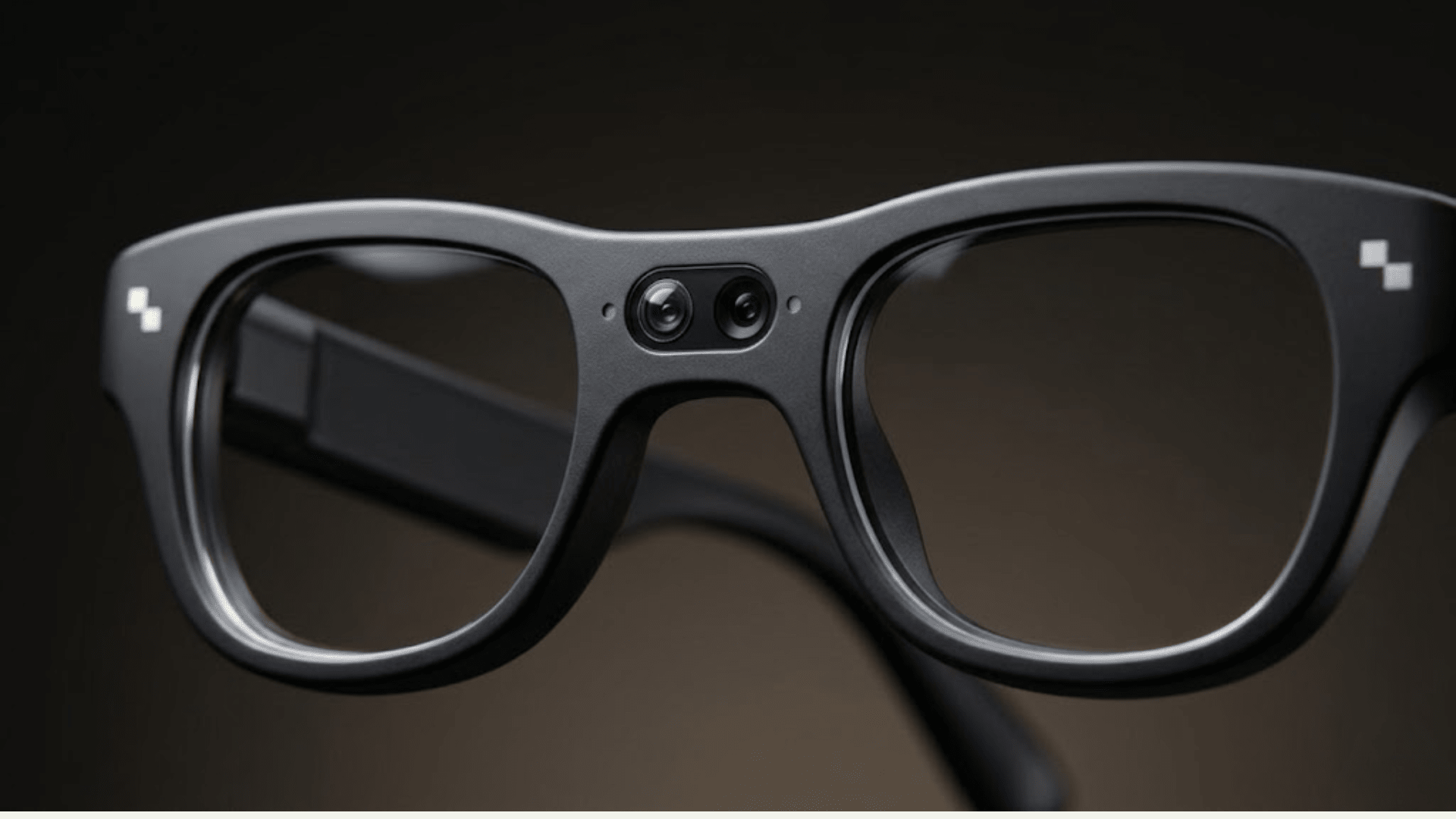
"Safety glasses with a camera" actually describes two different kinds of products, and mixing them up matters if your job requires certified eye protection. One category is purpose-built industrial eyewear: impact-rated lenses that meet ANSI Z87.1 or CE EN166, with a camera built into the frame, sold specifically to field technicians and inspectors who need hands-free documentation while wearing required PPE. The other category is consumer or prosumer AI and AR camera glasses, built for everyday photo and video capture, translation, and notifications, with no occupational eye-protection certification at all; RayNeo X3 Pro, covered later in this guide, belongs to this second category. Showing up to a site in gear that records well but doesn't meet the eye-protection rules a safety officer enforces is a real compliance problem, not just an inconvenience.
If your worksite requires ANSI Z87.1 or EN166-rated eye protection, a consumer camera glasses product cannot substitute for it, regardless of camera quality or how rugged it looks. That distinction is the first thing to sort out before comparing specs.
A lot of confusion around this search comes from conflating two separate types of certification.
ANSI Z87.1 (United States) and CE EN166 (Europe) certify that a lens and frame can absorb a high-velocity impact without shattering into the wearer's eye. This is the standard OSHA references when a job involves flying debris, chips, dust, or splash hazards, and it's tested on the physical lens material and frame construction, not on any camera or electronics inside the frame.
IP ratings (IEC 60529), like IP65 or IP67, certify how well an enclosure resists dust and water intrusion. This is an electronics durability standard, not an eye-injury standard. A device can carry a high IP rating and still have zero certified impact protection for the eye, because IP testing has nothing to do with how the lens behaves when something hits it at speed.
ATEX and IECEx certifications apply only to equipment used in explosive or hazardous atmospheres, such as oil and gas facilities, chemical plants, or grain silos. Most worksites don't require this; it's specific to hazardous-location work.
| Certification | What it actually certifies | Who typically requires it |
|---|---|---|
| ANSI Z87.1 / CE EN166 | Lens and frame impact resistance, protecting the eye from projectiles, chips, and splash | OSHA-regulated construction, manufacturing, machining, and similar hazard-exposure jobs |
| IP rating (IEC 60529) | Dust and water ingress protection for the device's internal electronics | Outdoor or wet/dusty work environments, regardless of eye-hazard classification |
| ATEX / IECEx | Safety for use in explosive or flammable atmospheres | Oil and gas, chemical processing, grain handling, and similar hazardous-location work |
A camera glasses product can meet one of these, all three, or none. Checking each one separately, instead of assuming a rugged-looking device covers all three, is the difference between compliant PPE and a device that just happens to survive a drop.
Once eye protection and electronics durability are separated, the products that actually serve worksite recording and inspection needs split into two categories.
ANSI/CE-certified camera safety glasses. These are built as protective eyewear first, with a small camera integrated into the bridge or frame. At least one such product on the market lists a TR90 frame, ANSI-rated clear lenses, a removable battery arm rated for roughly 70 minutes of continuous recording, and up to 256GB of onboard storage, according to that manufacturer's own product page. Treat those specific numbers as an example of what this category offers rather than an industry standard, since specs vary by brand and this comes from a single source. The point of this category is that the eye protection is the primary certified function, and the camera is a secondary feature added to eyewear that already meets the impact standard.
Rugged industrial AR headsets. These are usually sold as hands-free documentation and remote-support tools rather than as "safety glasses" in the eyewear-certification sense, since many are visor or headband-style devices rather than certified protective lenses. What they typically offer instead is IP65 or higher dust/water resistance, sometimes combined with ATEX or IECEx certification for hazardous locations, plus compatibility with hard hats and other required PPE, live video streaming to a remote expert, and voice-controlled hands-free capture. These are common in utility, oil and gas, and manufacturing quality-control work, where the goal is documentation and remote collaboration rather than replacing the worker's actual eye protection.
If you need to actually source either category, start with industrial safety equipment distributors and PPE suppliers rather than consumer electronics retailers, and search using the certification name itself (for example, "ANSI Z87.1 camera safety glasses" or "IP65 industrial AR headset for inspections"). Ask any vendor for the actual certificate or test report, not just marketing copy. An IP rating or ANSI/CE claim only counts for compliance purposes when there's a document behind it, and that applies to any brand, including RayNeo.
As of August 2026, neither category is something RayNeo makes. RayNeo's camera-equipped product, X3 Pro, is a consumer AI and AR device, not a member of either category above.
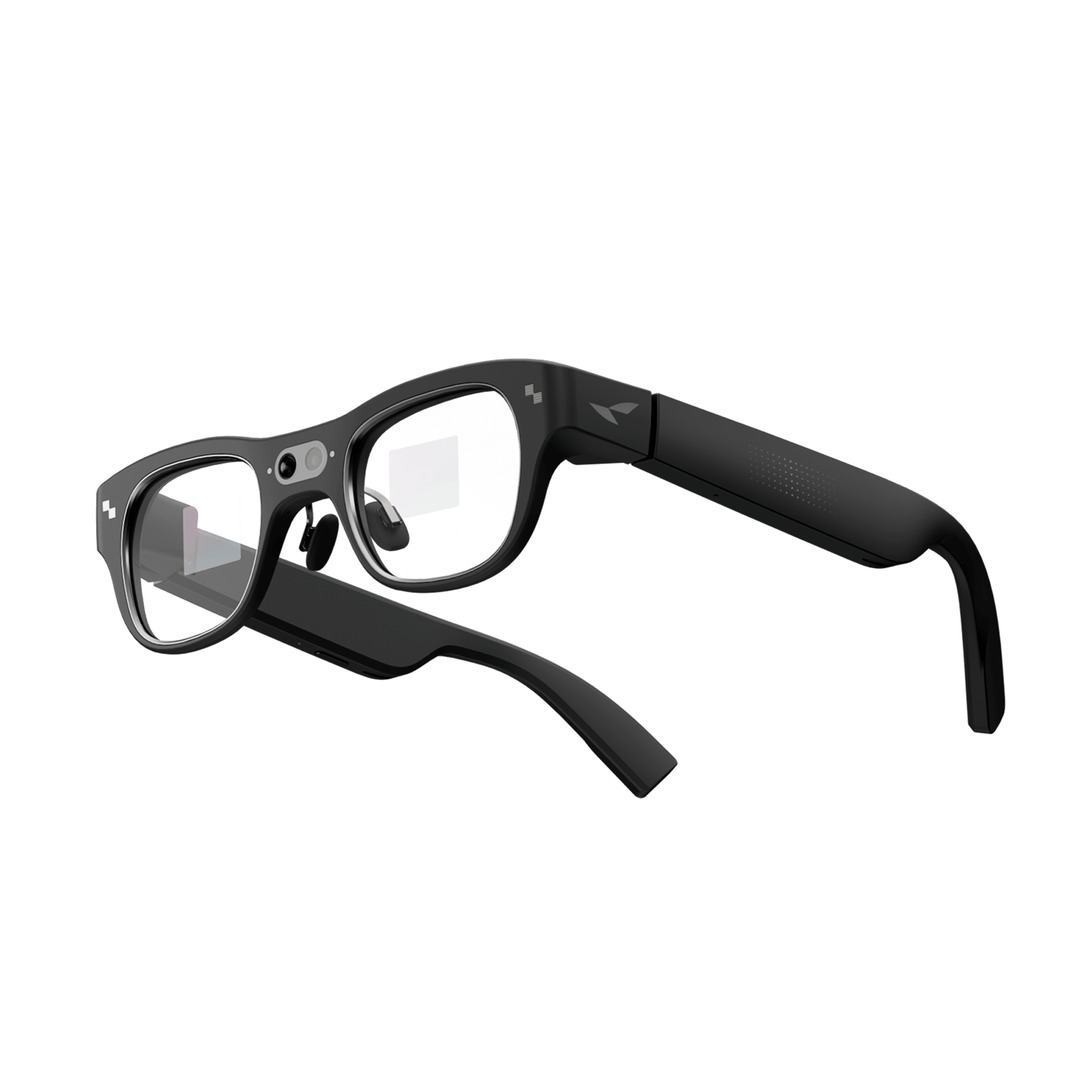
RayNeo X3 Pro pairs a 12MP camera with a dual-eye MicroLED AR display, capable of 4K photos and video up to 1440p, in clips of about 9 minutes each, up to roughly 50 minutes of total recording per charge. It also runs a live camera preview through its display, along with real-time translation and heads-up navigation. Independent reviews describe that footage as good enough for casual documentation, but noticeably behind a mid-range phone camera, especially in low light, which is worth factoring in if inspections happen in dim mechanical rooms, basements, or after dark.

X3 Pro is priced at $1,299 on RayNeo's official product page (one RayNeo blog post lists $1,099 instead; treat the product page as the current figure). It stores video locally on 32GB of built-in storage, so recordings don't depend on a live connection to save. Getting clips off the glasses, though, requires the RayNeo AR companion app (iOS 15.5+ or Android 9+): some basic capture works without an active phone connection nearby, but transferring files, adjusting settings, and installing firmware updates all need the glasses paired to a phone. RayNeo's product materials don't specify whether exported clips carry timestamp or GPS metadata, so confirm that directly if footage needs to double as a timestamped or geotagged record.
RayNeo's official product page, checked directly in August 2026, does not list an IP rating for dust or water resistance, and it makes no claim of ANSI Z87.1, CE EN166, or any other occupational eye-protection certification. The only durability-related information on the page covers warranty and return policy, not physical protection standards. X3 Pro is not marketed, tested, or sold as protective eyewear or industrial safety equipment.
That doesn't rule it out for every work-adjacent use. It rules it out for the uses where certified eye protection is actually required.
Where it could reasonably fit: light documentation in settings that don't mandate certified eye protection, such as an office building walkthrough, a retail store audit, a property inspection, or a light warehouse check where PPE isn't required by policy. In those settings, the AR display's live preview and heads-up navigation genuinely help someone walking a site hands-free while referencing a checklist, without needing to pull out a phone between stops.
Where it doesn't fit: any site or task where ANSI Z87.1 or EN166-rated eye protection is mandated, which covers most construction, manufacturing floor, and chemical or oil and gas work involving flying debris, particulate, or chemical splash risk. It also doesn't fit hazardous or explosive atmospheres requiring ATEX or IECEx-rated equipment. RayNeo hasn't published fit or compatibility testing for wearing X3 Pro under a hard hat, with a respirator, or alongside a face shield, so treat that combination as unverified rather than assuming it works.
Battery reality check for a long inspection walk: The "roughly 50 minutes of total recording per charge" figure assumes short, stop-and-start clips, since the 9-minute cap forces a break between each one. Recording continuously, back-to-back, drains the same battery in about 30 minutes instead. Those two numbers aren't contradictory, they describe different recording patterns. Plan around the 30-minute figure for a long, uninterrupted walk, not the 50-minute one.
X3 Pro is better suited to short, stop-and-start clips than a full-shift recording session.
| ANSI/CE-Certified Camera Safety Glasses | Rugged Industrial AR Headset | RayNeo X3 Pro | |
|---|---|---|---|
| Primary certified function | Eye protection (impact-rated lens) | Electronics durability, sometimes hazardous-location safety | Consumer AI/AR display and camera |
| ANSI Z87.1 / EN166 | Yes, this is the core feature | Not typically (visor/headband style, not certified lens) | No |
| IP rating | Varies by product | Often IP65 or higher | Not published |
| ATEX / IECEx | Not typical for this category | Available on some models for hazardous locations | Not applicable |
| Camera role | Secondary feature added to certified eyewear | Primary tool for documentation and remote expert support | Primary tool for photo, video, translation, and navigation |
| Designed for hazard-exposure worksites | Yes | Yes | No |
Does OSHA require ANSI Z87.1 certification for camera glasses used at work? OSHA's eye protection requirements are based on the hazard exposure of the task, not on whether a device happens to have a camera. If a job already requires impact-rated eye protection, adding a camera to a non-certified device doesn't create an exemption from that requirement, and a non-certified camera glasses product can't be substituted as the required PPE.
Is a high IP rating the same as being "safety certified"? No. An IP rating only describes dust and water resistance for the electronics inside a device. A smartphone can carry an IP68 rating and still be something no one would treat as certified eye protection, because IP testing says nothing about how a lens holds up against a physical impact to the eye. ANSI Z87.1 and EN166 are the certifications that actually address eye injury protection.
Can RayNeo X3 Pro be worn under a hard hat or with a respirator? This isn't a RayNeo-specific gap; consumer AI and AR glasses generally don't appear to publish this kind of testing, because they aren't designed around PPE compatibility in the first place. OSHA's respiratory protection standard (29 CFR 1910.134) specifically calls out temple pieces on glasses as a condition that can break a respirator's face seal, and it puts the burden on the employer to make sure eyewear doesn't interfere with that seal. The only way to know whether a specific frame passes is a fit check with the actual respirator on-site, not a spec sheet.
Can footage from consumer AI glasses be used as an official inspection record? That depends on your organization's documentation requirements, not on the glasses themselves. RayNeo's product materials don't describe X3 Pro as built for chain-of-custody documentation (an unbroken, verifiable record of who captured a piece of footage and when, often required for evidence used in audits or disputes), timestamped inspection logs, or integration with inspection-management software. If footage needs to hold up as a formal record, confirm metadata and export requirements with your safety or compliance team before choosing any camera device, glasses included.
Can you plug in a power bank to keep recording during a long inspection walk? X3 Pro charges over USB-C, and third-party USB-C battery packs marketed for use with it are available, which tells you charging on the move is at least physically possible. What RayNeo's own product materials don't spell out is whether the camera can keep recording while the port is actively drawing charge from an external pack, as opposed to needing recording paused during a charge cycle. If a full-shift inspection walk depends on that working seamlessly, test it with your own power bank before the day you actually need it, rather than assuming it based on the accessory being sold at all.
What's the difference between a "safety glasses camera" and an "industrial AR headset"? The safety glasses camera category leads with a certified impact-rated lens and adds a camera as a secondary feature. The industrial AR headset category typically isn't certified as protective eyewear at all; it leads with ruggedized electronics (IP rating, sometimes ATEX certification) and a camera built for documentation and remote expert support, meant to be worn alongside separately certified eye protection rather than in place of it.
If your worksite requires certified eye protection, start with ANSI Z87.1 or EN166-rated camera safety glasses, since that's the only category where the certification and the camera are part of the same product. If you need rugged, hands-free documentation with remote expert support and your environment involves dust, water, or hazardous atmospheres, an industrial AR headset with an appropriate IP or ATEX rating is the better fit, worn alongside your required eye protection rather than instead of it. If neither applies, meaning your setting doesn't mandate certified eye protection and you just want hands-free photo, video, and heads-up navigation for light documentation, RayNeo X3 Pro is a reasonable option to evaluate, with the clear understanding that it is not, and isn't sold as, protective eyewear.
If that describes your situation, the RayNeo X3 Pro product page has current specs, pricing, and companion app requirements to review before you decide.





Share:
Which Smart Glasses Look Stylish Enough for Everyday Wear?
Smart Glasses for Blind and Low-Vision Users: What Actually Helps