

$449.00

Shopping for smart glasses in 2026 can feel like information overload. Between AI assistants, built in cameras, massive virtual screens, and hands free everything, it’s hard to tell what’s actually useful versus what just sounds cool in an ad. Once you start comparing specs, the buzzwords pile up fast, and that’s usually where people get stuck.
This guide is here to simplify things. We’ll walk through the best smart glasses available this year, explain how the main categories differ, and highlight the features that actually matter in real life, not just on paper. From personal theater displays to AI powered everyday tools, we’ll help you figure out which smart glasses make sense for how you live, work, and unwind in 2026.
Smart glasses have finally grown up. What used to be a confusing mix of half finished ideas has settled into a few clear categories, each built for a different kind of user, from casual creators to full on tech enthusiasts.
Smart AI Glasses with Camera are all about seeing and capturing the world hands-free. Built in cameras and microphones work with AI software to record video, snap photos, translate conversations, or stream straight to social apps. Most models skip a full display altogether, which helps keep them lightweight and extends battery life.
The big win here is how normal they look. At a glance, they pass for everyday eyewear, making them a solid choice for content creators, commuters, or anyone who wants to capture moments without pulling out a phone.
Display glasses are built for entertainment and everyday productivity. They project a large virtual screen directly into your field of view, turning your phone, laptop, or game console into a portable theater. Plug in, and you can watch, work, or game almost anywhere without carrying a bulky monitor.
For this category, visual quality is the priority. Comfort, clarity, and eye protection matter more than cameras or AI features. If the image stays sharp and your eyes don’t feel tired after a long session, the glasses are doing exactly what they’re meant to do.
True AR computing glasses sit at the top of the smart glasses ladder. They combine cameras, displays, sensors, and onboard processing into one self-contained system. Instead of just showing you a virtual screen, they understand the space around you.
Digital objects can appear anchored in the real world, such as floating menus, directions, or notes that move naturally as you move. This is the closest thing to real spatial computing, where your physical environment and digital content blend together in real time.
Finding the right fit among what are smart glasses means looking past the flashy ads and focusing on what actually affects daily use. Specs only matter if they fit your lifestyle. Otherwise, even the coolest pair ends up forgotten in a drawer.
First question: What do you want them for? If you’re trying to replace a TV or monitor, you’ll need high-brightness display glasses. If your focus is content creation, calls, or quick capture, a lightweight camera first model is the smarter buy. The category should match how you’ll actually use them, not how they look in marketing photos.
For display glasses, brightness matters more than almost anything else. Aim for at least 1,200 nits so the screen stays clear in daylight or bright rooms. On the AI side, don’t just look for “AI-powered” labels, check whether they run advanced models like Gemini that can give useful, context-aware help instead of basic voice commands.
If they’re not comfortable, even wearing them becomes a drag, let alone working with them on. For those prioritizing ultimate comfort, tracking down the lightest-smart-glasses is essential; a good target is under 80 grams with balanced weight so they don’t slide down your nose during long sessions. Battery life should realistically handle at least four hours of active use, not just standby time.
Most smart glasses use USB-C with DisplayPort, but that doesn’t guarantee they’ll work smoothly with every phone, laptop, or console. Older iPhones and some gaming devices may need adapters. Privacy features also matter, directional or phase canceling audio helps keep your calls and content from leaking to people around you.
Prices typically range from about $219 to $1,299. Cheaper models are fine for casual use, but spending more on glasses with an open app ecosystem means they can improve over time instead of feeling outdated after one update cycle.
Artificial intelligence has evolved from simple voice commands to a proactive partner that understands exactly what you are looking at. The market now offers devices that act as a personal assistant, translator, and navigator all in one sleek package.
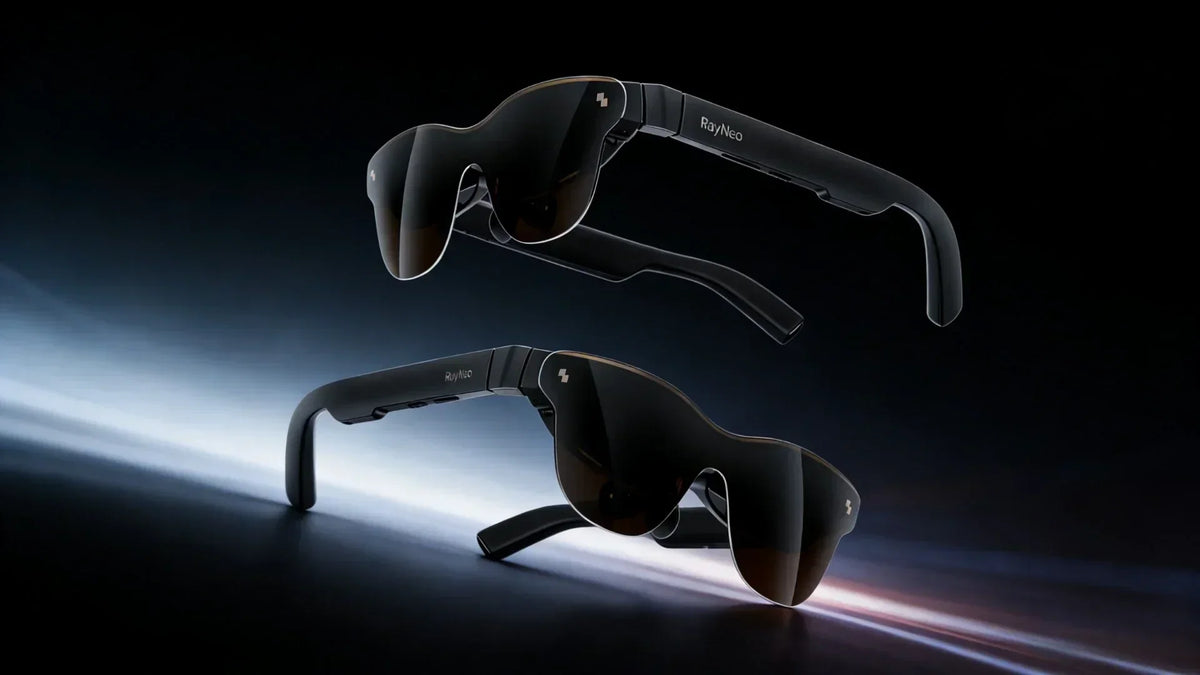
The RayNeo X3 Pro sits at the top of the AI smart glasses space right now. It’s built around a powerful Snapdragon AR1 Gen 1 chip and uses a unique five-dimensional touch control on the temples, so you can navigate without awkward swipes or buttons. Everything is designed to work smoothly throughout your day, not just in short demos.

RayNeo AIOS: Runs on its own operating system with native support for apps like TikTok, Instagram, and WhatsApp, no phone juggling required.
Gemini 2.5 Integration: Uses Google’s latest AI for real time answers, translation, and hands free help that actually feels useful.
In-House Light Engine: Packs the world’s smallest light engine, projecting a floating 43-inch virtual screen without blocking your natural view.
Dual Opposing Acoustic Chambers: A custom audio setup that delivers clear, directional sound while minimizing audio leakage for better privacy.

The X3 Pro is made for people who want to stay connected without constantly checking a phone. With its comfortable fit and weather-ready design, it works just as well for translating a menu while traveling as it does for recording meetings and getting AI generated summaries on the fly.
For creators in 2026, filming needs hardware that can keep up with fast-paced environments without sacrificing image stability. Nobody wants to fumble with a phone or carry extra gear just to capture a moment. The best smart glasses with cameras now focus on stable video, quick sharing, and designs that actually look good out in public.
The Ray-Ban Meta Gen 2 has become the go to standard for creators who want clean POV footage without the bulk of a traditional camera. It combines a classic aesthetic while packing a solid 12MP camera that’s built for everyday footage filming.
Professional stabilization: Improved software smooths out micro shakes while walking, biking, or moving through a crowd, so footage looks natural instead of jittery.
Direct social integration: Pairs with companion apps for quick uploads to Instagram and Facebook, cutting out extra editing or file transfers.
Hands free controls: Voice commands let you snap photos or start recording without stopping what you’re doing.
Diverse styles: Comes in different frame and lens options, including polarized and photochromic lenses, so they work just as well as regular sunglasses.
What really sets these apart is how normal they feel to wear. There’s no bulky headset, no awkward stares. You just look where you’re looking and hit record. That ease makes them the best smart glasses with a camera for creators who care about both style and performance.
If the idea of carrying a movie-theatre-sized screen in your backpack sounds wild, that’s exactly where display smart glasses are headed in 2026. These glasses now deliver sharper visuals, higher brightness, and real HDR support, making them a legit alternative to lugging around a TV or projector, whether you’re on a plane, in a park, or crashing on the couch.
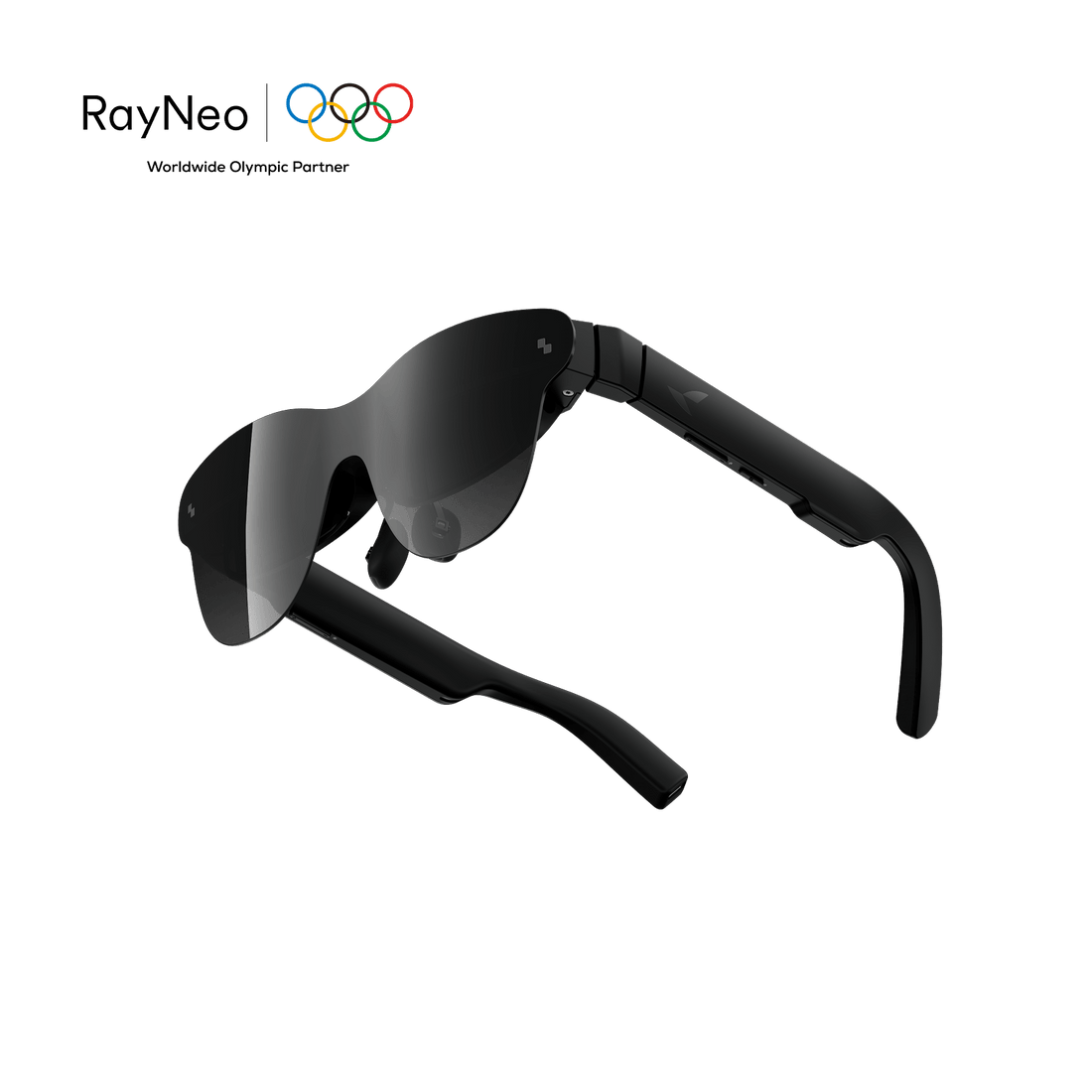
The RayNeo Air 4 Pro feels less like a gadget and more like a personal, head-mounted TV. It’s built with one goal in mind: deliver a cinematic experience anywhere. As the world’s first HDR10-enabled smart glasses, it uses a dedicated image quality chip to upgrade standard video into near-HDR, colours pop and contrast become noticeably deeper. The sophisticated AI 3D feature also elevates ordinary 2D footage into a high-fidelity 3D format, significantly enriching the viewer’s sense of spatial immersion.
Breathtaking Brightness: Offers up to 1,200 nits of to-eye brightness, ensuring clear visuals even in sunlit parks.
Bang & Olufsen Audio: Features rich sound quality tuned by industry experts, with a 80% reduction in sound loss for private listening.
Gaming Performance: Supports a 120Hz refresh rate and a response time of less than 1ms, perfect for competitive play on Switch or PS5.
Eye Protection: Certified for low blue light and flicker-free performance with 3840Hz PWM dimming to prevent eye strain during binge-watching.
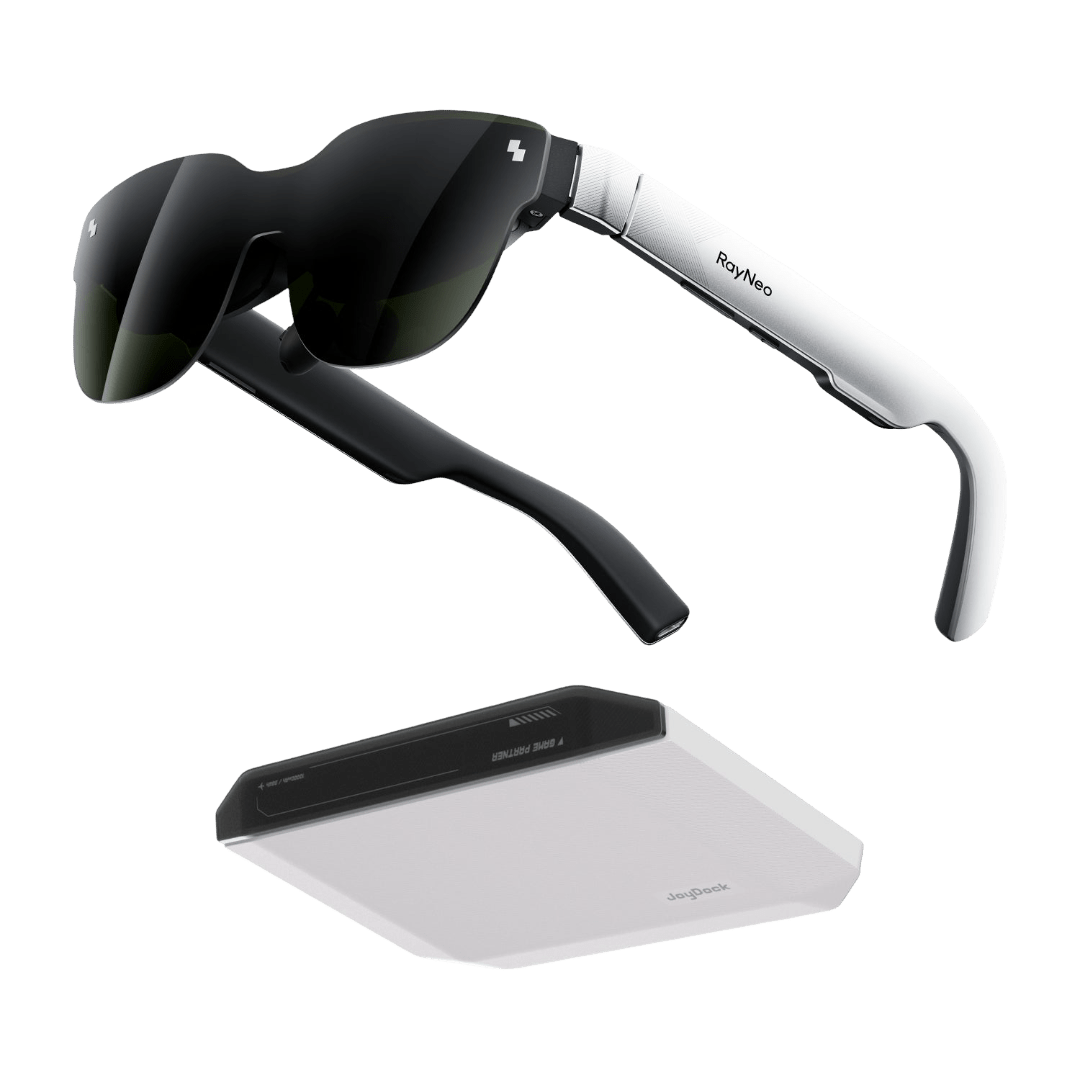
Whether you’re watching the latest blockbuster on a flight or plugging into a Steam Deck through the JoyDock, the Air 4 Pro delivers an immersive experience without setup hassle. That’s why it’s widely seen as the best smart glasses with a display for anyone who puts entertainment first.
For a long time, prescription support was the biggest pain point with smart glasses. If you needed corrective lenses, your options were limited and usually inconvenient. That’s finally changed as manufacturers start treating building frames with optical needs as a priority, either through built-in adjustment systems or included RX frames, making them practical for daily use.
This model succeeds because it treats digital features as a hidden upgrade to an iconic accessory. And the integration works well because the lenses are fitted directly into the frame rims at the factory. You don't have to deal with internal sub-frames or plastic inserts that often collect dust and fog up during your commute.
Diverse Style Choices: You can pick from several shapes, like the Wayfarer or Skyler, with dozens of colours available to match your personal look.
True All-Day Comfort: These frames weigh roughly 50 grams, which is close to high-end sunglasses and prevents soreness on your nose bridge.
Simple Ordering: You provide your script during the purchase, and the glasses arrive ready to wear with your prescription already installed.
Prescription Smart Glasses are a realistic, everyday option for anyone who wants smart features without giving up clear vision or comfort.
Smart glasses in 2026 aren’t a one-size-fits-all gadget anymore; they’re built for very different use cases. If you’re a gamer or movie lover, the RayNeo Air 4 Pro delivers a true IMAX-style experience in front of your eyes. For commuters and social media creators, the Ray-Ban Meta Gen 2 hits the sweet spot between everyday style and easy, hands-free filming. And if you want the most advanced option available, the RayNeo X3 Pro leads the pack with real AR capabilities and Gemini-powered visual AI.
At the end of the day, the best smart glasses are the ones that match how you live. Whether your focus is watching, capturing, or getting real-time assistance, choosing based on your primary needs will give you a pair that feels like a natural part of your daily routine, not just another piece of tech.
The RayNeo Air 4 Pro and RayNeo X3 Pro stood out at CES 2026. The Air 4 Pro was praised for its bright HDR10 display, while the X3 Pro turned heads with its visual AI and real-time context features.
Start with display brightness, weight, and device compatibility. If you want AI features, make sure the processor is powerful enough to handle real-time tasks without lag.
Yes, most top-tier models in 2026 either support direct prescription lens fitting or include a lens frame in the box.
No. Smart glasses use clear visual indicators when recording is on, so people nearby know when the camera is active, and privacy is respected.





Share:
Which AR Glasses Work Best with ROG Ally? Complete 2026 Guide
Best AR Glasses: Top Picks for Augmented Reality Experiences