

$449.00


Are AI glasses worth it? The answer depends on how well their features match your daily needs. From hands-free assistance and real-time translation to first-person content creation and productivity tools, AI glasses can make everyday tasks more convenient. However, they are not the right choice for everyone. This guide explores the practical benefits, key features, and situations where AI glasses provide real value, helping you decide whether this emerging wearable technology is worth considering.

AI glasses are worth buying today if they solve daily problems, such as hands-free navigation, real-time translation, content creation, or quick access to information. They are less valuable if you mainly work at a desk, rarely need smart features on the go, and are satisfied with your phone. The technology has become practical for many everyday tasks, but its value depends on whether it fits your routine.
AI glasses make everyday interactions more convenient by bringing information and controls closer to the user. Their main value comes from providing hands-free access to information, improving communication, and simplifying daily tasks.
Not every AI glasses feature has the same value in everyday life. Some functions can become part of your daily routine, while others are occasional tools that are impressive but rarely used. The most useful features are usually the ones that solve frequent problems and reduce the need to reach for another device.
| Feature | Why it earns its place |
| Voice assistant with vision | Provides quick answers about your surroundings, objects, and everyday questions without using a phone. |
| Notifications and transcription | Helps you check important updates, capture notes, and follow conversations without interrupting your workflow. |
| Real-time translation | Reduces the need to look between a phone and another person during multilingual conversations. |
| Heads-up navigation | Provides directions while keeping your attention on the road or surroundings instead of a smartphone screen. |
| Hands-free capture | Records photos and videos from your own perspective without needing a separate camera setup. |
Some features are valuable in specific situations but may not be used frequently enough to justify a purchase on their own.
When choosing AI glasses, prioritise the features you will use regularly. Occasional functions can add extra value, but they should not be the main reason to buy.
AI glasses are most valuable for people who can use their hands-free features regularly. If one of the following profiles matches your lifestyle, they may offer meaningful everyday benefits.
If you need prescription lenses, arrange this before purchasing AI glasses. The process is similar to ordering regular eyewear: complete an eye exam to get an up-to-date prescription, then order compatible lenses through the glasses manufacturer or an approved lens provider.
Before buying, check whether the frame supports prescription inserts or custom lenses, and confirm the available lens types, prescription range, fitting options, and additional costs. Proper fitting is important because added lens weight can affect comfort during long-term wear.
In the United States, prescription eyeglasses and corrective lenses are generally considered qualified medical expenses under IRS guidelines, which means prescription lenses may be eligible for reimbursement through an HSA or FSA. However, the smart glasses hardware itself is typically not covered because it is considered an electronic device rather than a vision-correction product.
Before making a purchase, consider these steps:
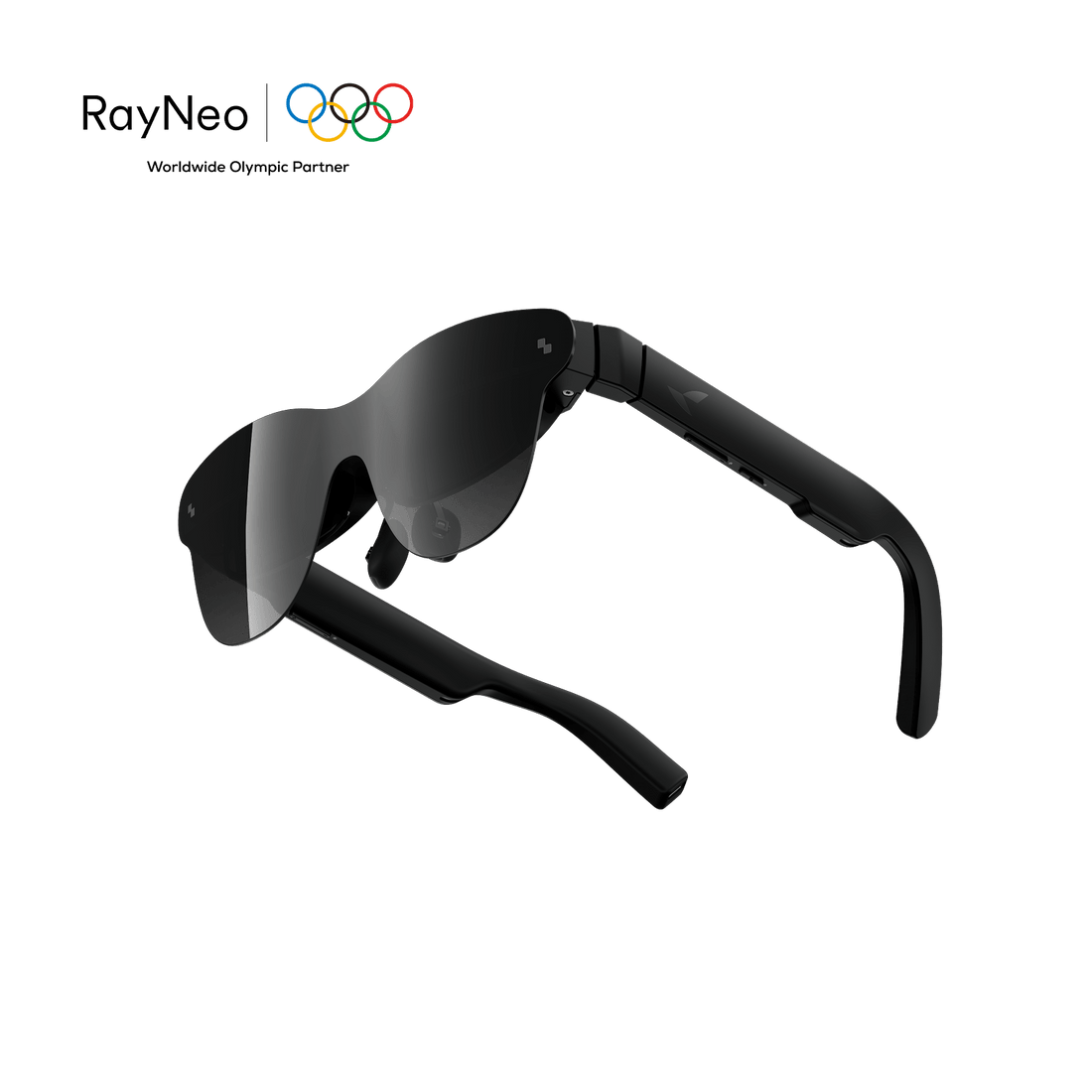
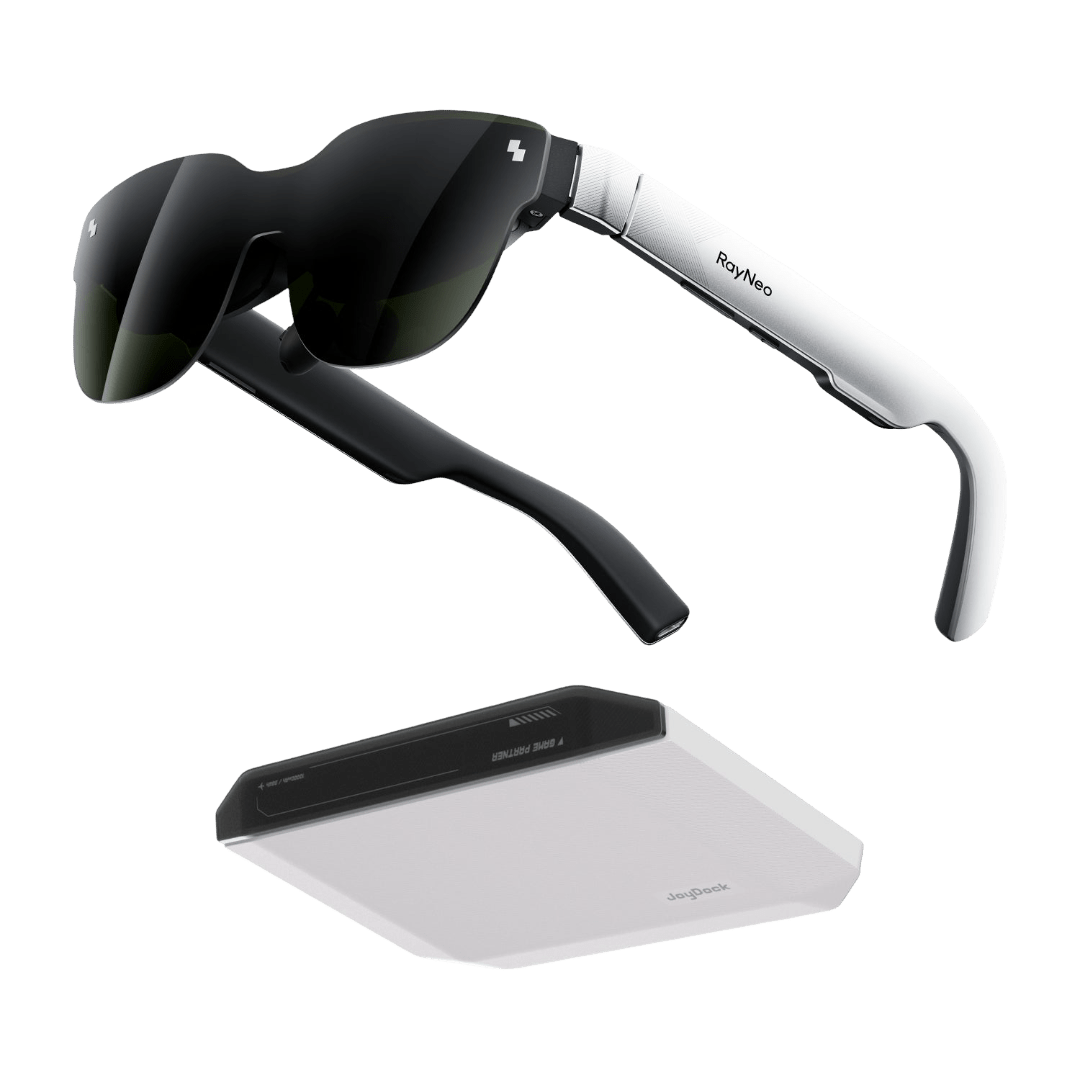
RayNeo X3 Pro AI+AR Smart Glasses are designed for users who want practical AI assistance without constantly checking a smartphone. Combining hands-free AI features, AR display capabilities, real-time translation, navigation support, content creation tools, and productivity functions, they provide a versatile wearable experience for everyday use.
The glasses are especially suitable for users who want smart features integrated into their daily routines:
Powered by a full-colour MicroLED display, Snapdragon AR1 processing, and RayNeo AI OS, RayNeo X3 Pro delivers an integrated AR experience that combines translation, information access, and productivity tools within the user's field of view.

Are AI glasses worth it? They are worth considering when their features solve real problems in your daily life, from reducing smartphone dependence to improving convenience during travel, work, or content creation. While AI glasses continue to evolve, their value depends less on advanced technology and more on how often you use their practical features. By evaluating your needs, habits, and expectations, you can determine whether AI glasses are a useful everyday tool or simply an interesting technology.
Not on their own. The frame is a computer, not a corrective lens, so out of the box the optics are non-prescription. Most models solve this with custom lenses: the X3 Pro takes snap-on prescription lenses from partner lens makers, ordered separately once you have a current prescription. If you wear contacts, you can simply wear the glasses as they are. Get an eye exam first, then order the lenses to match.
Be careful here. There is currently no single US federal rule specifically covering all smart glasses use while driving, so drivers fall under state distracted-driving and video-display rules. California, for instance, restricts video screens visible to the driver under Cal. Veh. Code § 27602, and NHTSA treats attention-diverting devices as a crash risk. Check your state and local rules before you wear them while driving. This is general information, not legal advice.
Physically yes, practically no. A bright display, a camera, and a live connection all draw real power, so treat them as tools for burst use: short sessions, then a quick top-up. X3 Pro charges fully in about 38 minutes, and its cable lets you charge while wearing. There is also a social side. Take them off in bathrooms, locker rooms, and clinics, and tell people when you are recording.





Share:
The Best Smart Glasses for Translation: AR Subtitles vs Voice-Over
Are AR Glasses Worth It? A Complete Guide to Benefits, Limits, and Use Cases