

$449.00

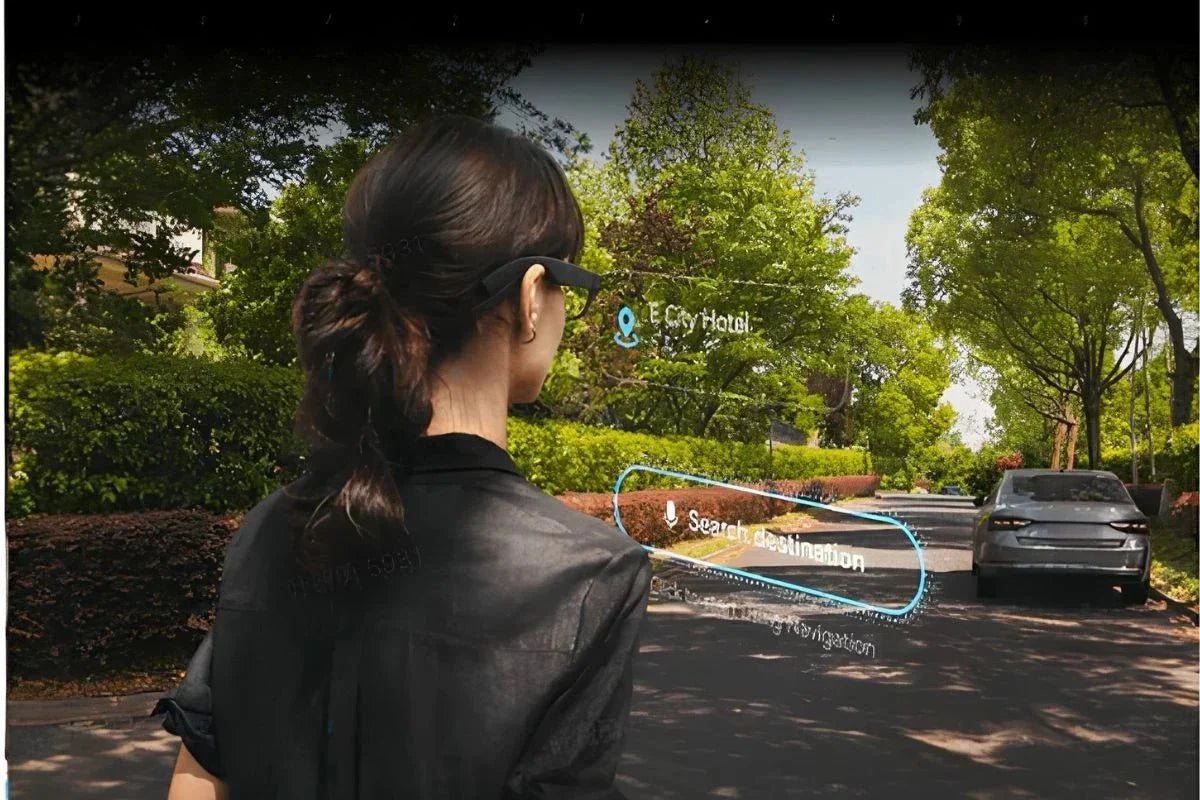
Augmented reality is changing how construction teams plan, build, and inspect projects by bringing digital information directly into the worker's field of view. AR glasses for construction can overlay BIM models, site layouts, and work instructions onto real-world environments, allowing crews to verify measurements, identify potential clashes, and access critical information without relying on paper drawings or handheld devices.
As construction projects become more complex and labor shortages continue to challenge the industry, these devices give teams faster access to digital information during planning, installation, and inspection tasks. This guide explains how AR glasses work on construction sites, their key benefits and current applications, the challenges organizations should consider before adoption, and the features that matter most when selecting the right solution for fieldwork.

AR glasses for construction are wearable computing devices that overlay digital blueprints and 3D Building Information Modeling (BIM) data onto the physical jobsite environment. They enable workers to visualize digital models of structural elements, mechanical systems, and utilities in their real-world locations while keeping their hands free. By combining digital information with the physical workspace, AR glasses improve layout accuracy, streamline inspections, and support more efficient construction workflows.
AR glasses use cameras and inertial measurement units (IMUs) to perform Simultaneous Localization and Mapping (SLAM), allowing them to understand the wearer's position and map the surrounding environment. Additional reference points, such as site markers or pre-mapped locations, can further improve alignment accuracy on construction sites. An optical engine generates digital images, while waveguide displays project them onto transparent lenses so that virtual models remain anchored to real-world locations. Wi-Fi 6 or 5G connectivity enables low-latency access to cloud-based BIM data, supporting real-time visualization and collaboration.
Smart glasses in construction help teams complete tasks more accurately, efficiently, and safely by overlaying digital information onto the physical jobsite. From layout verification to remote collaboration, these devices reduce manual work and improve decision-making throughout the construction process.
Smart glasses in construction allow layout technicians to project digital floor plans directly onto concrete slabs, making it easier to verify dimensions and component locations without relying solely on traditional tapes or strings. When properly calibrated, they help construction teams position mechanical, electrical, and plumbing (MEP) systems more accurately, reducing layout errors and improving installation quality.
Smart eyewear for construction teams identify clashes between digital models and on-site conditions before installation begins, reducing the likelihood of costly errors and rework. By improving layout verification and installation accuracy, these devices can help minimize material waste, avoid project delays, and help reduce avoidable errors, material waste, and project delays.
Construction smart glasses improve site safety by displaying digital safety information, hazard zones, and project schematics directly within the worker's field of view, reducing the need to switch between tools and paper plans. They also enable remote expert support by allowing off-site specialists to see the worker's perspective and provide real-time guidance or annotations, helping teams resolve issues more quickly and minimize project delays.
Construction teams are adopting AR glasses across multiple stages of the construction process to improve accuracy, collaboration, and safety. Common applications include:
Not all construction smart glasses are designed for demanding jobsite environments. Before selecting a device, evaluate key factors such as durability, comfort, display performance, and connectivity to ensure it can withstand daily use while supporting efficient field operations.
Although AR glasses for construction offer significant benefits, organizations should consider several challenges before adopting the technology:
The best smart glasses for construction depend on your workflow. Some models prioritize AI-powered collaboration and hands-free assistance, while others focus on delivering large, high-quality displays for reviewing digital content. The following RayNeo smart glasses offer features that can support communication, visualization, and productivity in field environments.
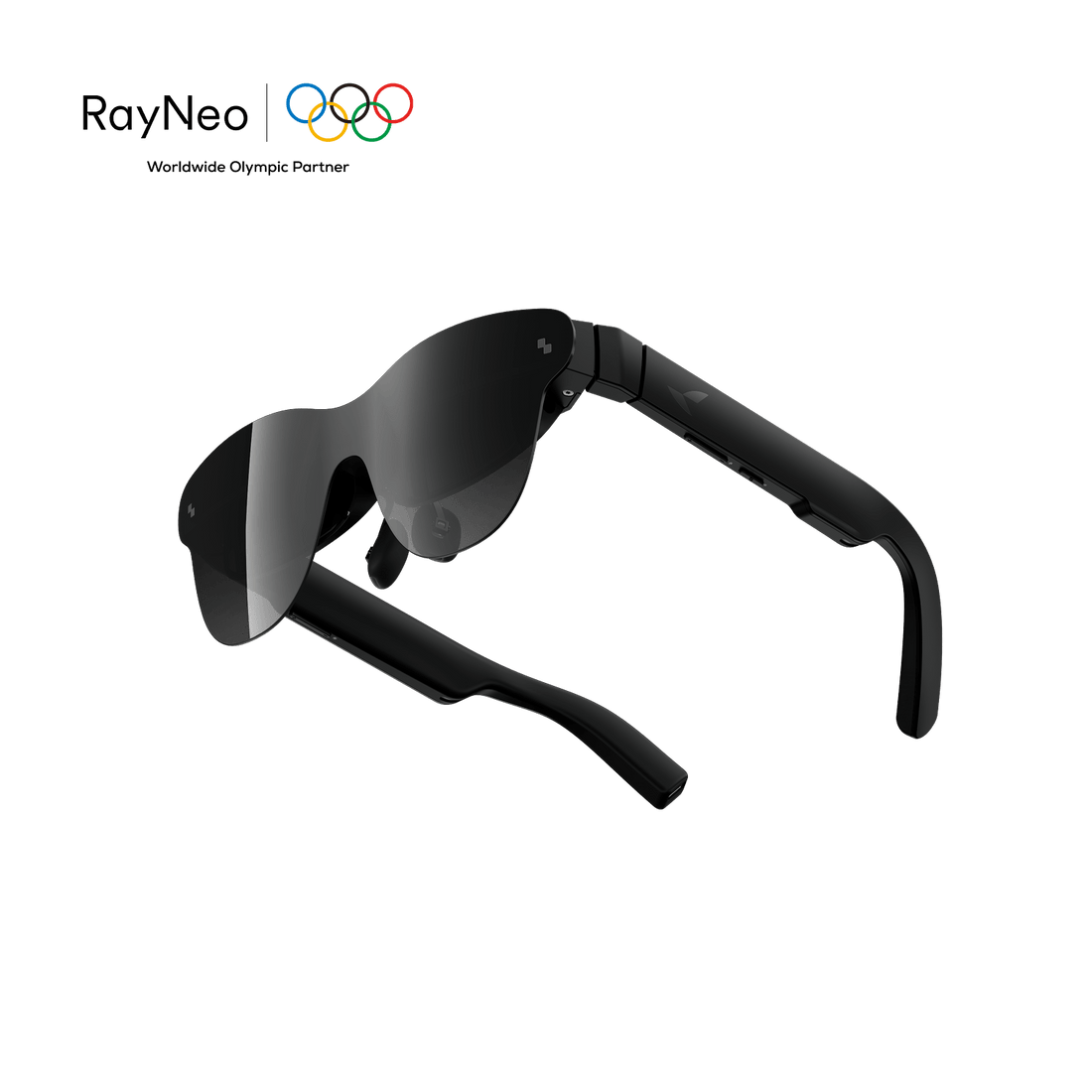
The RayNeo X3 Pro AI+AR Smart Glasses are better suited to on-site work that requires hands-free access to information. Google Gemini provides always-on AI assistance, while the full-color MicroLED HUD can keep navigation and other digital information within view. RayNeo AI OS also supports a 3D spatial interface and AR apps for more interactive workflows.

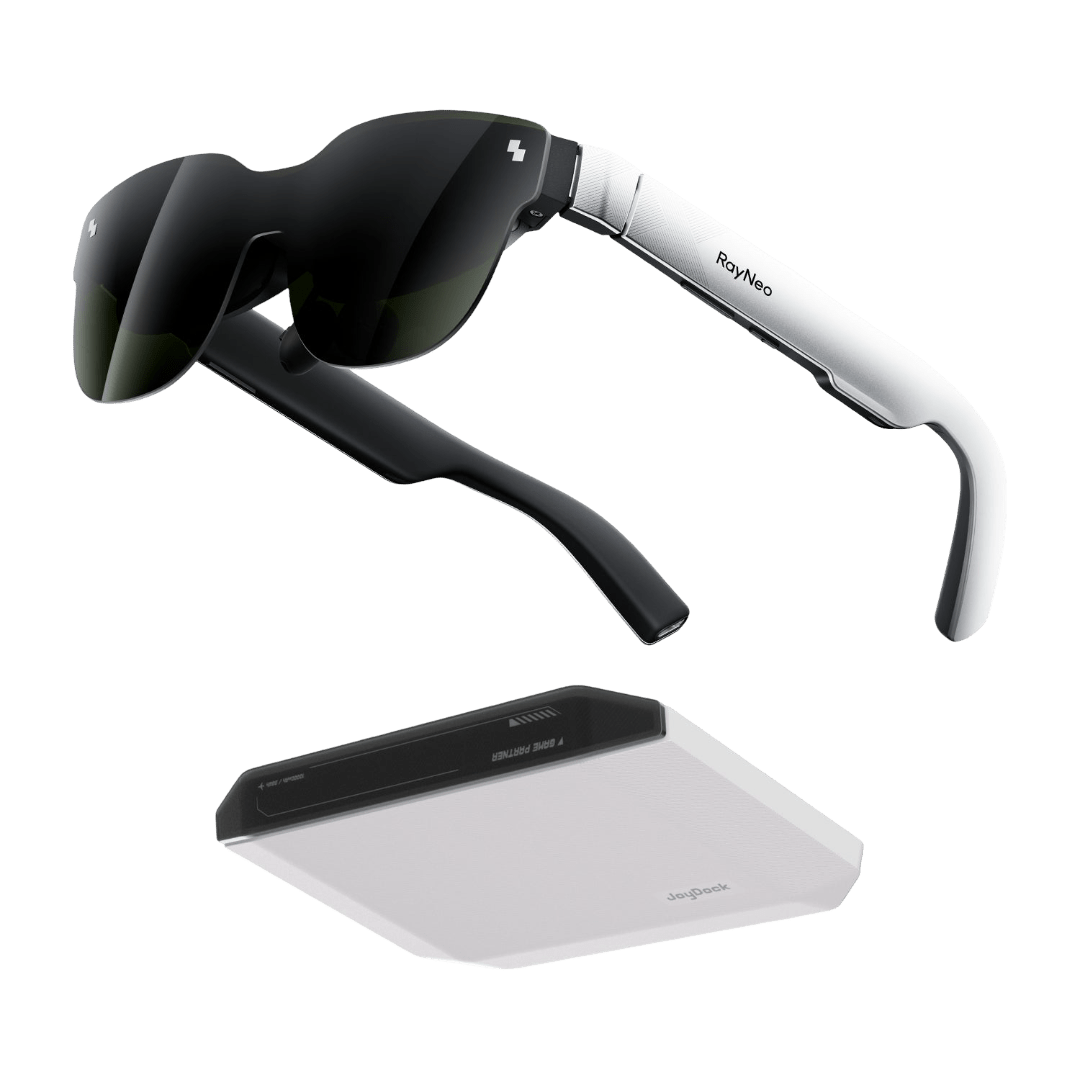
The RayNeo Air 4 Pro AR Glasses focus more on large-screen viewing, making them useful when detailed digital content needs to be viewed from a connected device. Their 201-inch virtual HDR10 display, 200,000:1 contrast ratio, and 120Hz refresh rate provide a clearer and smoother viewing experience, while the 76 g frame keeps the setup relatively lightweight.

AR glasses construction technology is becoming a practical solution for improving accuracy, collaboration, and productivity on modern jobsites. While factors such as battery life, connectivity, and user adoption should be considered, continued advances in AR hardware and AI capabilities are making these devices increasingly valuable for fieldwork. Selecting the right solution can help construction teams reduce costly errors, improve workflows, and support safer, more efficient project execution.
AR glasses utilize a complex interplay of hardware and software to superimpose digital visuals onto the real world. Key components include cameras for scanning surroundings, motion-tracking sensors like IMUs, and optical engines such as waveguide-based systems. Sophisticated software like SLAM (Simultaneous Localization and Mapping) and spatial anchoring ensures that virtual models remain perfectly aligned and locked to specific physical coordinates as the user moves.
Yes, many AR glasses are designed to work with construction safety gear, including hard hats. Some solutions are integrated directly into safety helmets, while others are designed to fit comfortably alongside standard personal protective equipment (PPE). Choosing a compatible model helps ensure workers can access AR guidance without compromising safety or comfort on the job site.
AR glasses can provide highly accurate construction layouts when paired with reliable positioning and calibration methods. Their accuracy depends on technologies such as SLAM and physical reference points, including QR codes, markers, or survey control points, which align digital models with the physical environment. With proper calibration, construction teams can verify dimensions and position components such as ductwork, conduits, or wiring more efficiently while reducing the need for repeated manual measurements.





Share:
How Do AR Glasses Work? Full Tech Guide & Top RayNeo Picks
Best Smart Glasses for AI, AR, and Everyday Use in 2026