

$429.00


Smart glasses are moving from science fiction into everyday life. With advances in artificial intelligence, cameras, and lightweight display technology, today’s smart glasses can do much more than play audio or show notifications.
They can help you interact with AI assistants, capture moments hands-free, translate languages, and even create a large virtual screen in front of you. But what are smart glasses exactly, and how do they work? This guide explains the different types of smart glasses, what they can do, and whether they are worth considering today.

Smart glasses are wearable devices that look similar to regular glasses but include built-in technology such as speakers, cameras, AI features, or display systems. Unlike traditional glasses, they can connect with your phone or other devices to provide hands-free access to information and digital features.
Depending on the model, smart glasses can help you listen to music, make calls, use AI assistants, capture point-of-view (POV) photos or videos, translate languages, or view digital content. Some smart glasses focus on audio and AI, while others include displays that create augmented reality (AR) experiences.
Smart glasses work by combining several miniaturized technologies inside a lightweight frame. The exact hardware depends on the type of smart glasses, but most models rely on a combination of sensors, microphones, cameras, processors, connectivity, and sometimes display systems to deliver smart features.
Many smart glasses use cameras and sensors to understand what is happening around you.
Cameras can capture photos, record videos, or provide visual information that AI systems can analyze. Motion sensors such as accelerometers and gyroscopes help the glasses detect movement and orientation, which is especially important for display-based AR experiences.
For example, AI-powered smart glasses with cameras can recognize objects, help answer questions about your surroundings, or assist with tasks such as translation.
Many smart glasses are designed around voice interaction. Built-in microphones pick up your voice commands, while speakers built into the frame deliver audio without blocking your ears.
This allows you to perform everyday tasks more naturally, such as:
Because the speakers are often open-ear designs, you can continue hearing your surroundings while using the glasses.
Behind the scenes, smart glasses use processors and software to handle inputs from cameras, microphones, and sensors. Some tasks can be processed directly on the device, while others rely on a connected smartphone or cloud-based AI services for more advanced functions.
Not all smart glasses include displays. Audio-only and camera-based AI glasses may provide information through sound rather than visuals. Display-equipped models use technologies such as micro-displays and optical systems to project images, text, or virtual screens into your field of view.
Depending on the design, the display experience can range from simple notifications and navigation prompts to a large virtual screen for entertainment or productivity. This is where smart glasses begin to overlap with AR and XR devices.
Most smart glasses connect to smartphones through Bluetooth, while some also use Wi-Fi or mobile data for features that require internet access. A companion app is often used for setup, software updates, settings, and managing features.
In simple terms, smart glasses work by combining what you hear, what you see, and what the device understands into a more hands-free way of interacting with technology.
Smart glasses are not all designed for the same purpose. Some focus on simple everyday features like audio and calls, while others use cameras, AI, or built-in displays to create more advanced experiences.
Audio-only smart glasses add speakers and microphones to a regular-looking frame, allowing you to listen to music, answer calls, and use voice assistants without wearing earbuds.
These glasses typically connect to your smartphone through Bluetooth and use open-ear speakers, so you can hear audio while staying aware of your surroundings. They are a good choice if you want hands-free audio without a visual display.
Camera and AI smart glasses use built-in cameras, microphones, and AI software to provide more interactive features. They can capture photos and videos, answer questions about your surroundings, translate text, and provide hands-free assistance.
Many AI glasses rely on a connected smartphone or cloud services for advanced features, but they offer a more natural way to interact with digital tools without constantly using your phone.
AR and heads-up display (HUD) smart glasses add visual information to your field of view using built-in displays and optical systems. Depending on the model, they can show notifications, navigation directions, subtitles, or virtual screens while allowing you to see your surroundings.
Some HUD-style smart glasses only display simple information overlays, while AR smart glasses can create more interactive experiences by combining displays with sensors and spatial awareness features.
Virtual screen smart glasses are designed to create a large private display that you can view through the glasses. They usually connect to devices such as smartphones, laptops, or gaming devices via USB-C to display movies, games, or work content.
Unlike full AR glasses, these glasses mainly focus on creating an immersive viewing experience rather than interacting with your physical environment.
The terms smart glasses, AI glasses, and AR headsets are often used interchangeably, but they describe different types of wearable technology. Smart glasses are the broadest category, while AI glasses and AR headsets focus on specific features and experiences.
| Device type | Form factor | Main purpose | Display | How you interact | Best for |
| Smart glasses | Usually designed like regular glasses, with varying levels of built-in technology | Add connected features to everyday eyewear | May or may not include a display | Voice commands, touch controls, companion apps | Everyday features such as audio, calls, photos, notifications, and AI assistance |
| AI glasses | Lightweight glasses designed for all-day wear | Provide hands-free AI assistance | Usually no display | Voice commands and camera-based input | Asking questions, translation, object recognition, and daily productivity |
| AR headsets | Larger visor-style or headset-like devices | Overlay digital content for immersive experiences | Yes, with AR or mixed reality displays | Hand tracking, controllers, voice, gestures | Gaming, 3D content, professional training, and immersive applications |
The main difference is where the information comes from and how you experience it:
Now, you might want to ask, what do smart glasses do in real life? While different models offer different features, most are designed around one key idea: giving you access to information and digital tools without constantly reaching for your phone.
Here are some of the most practical ways people use smart glasses today:
When you are traveling, AI or display-equipped glasses can help you translate signs, menus, and short conversations, identify landmarks, or hear navigation prompts without repeatedly checking your phone.
They are especially useful for international travelers, exchange students, and business professionals who regularly move between unfamiliar places or languages.

Camera-equipped smart glasses let you record what you are seeing while your hands remain available. A parent could capture a child’s first bike ride, a traveler could record a walking tour, or a creator could film a cooking, crafting, or outdoor activity from a natural point of view.
This format suits content creators, hobbyists, and anyone who wants more spontaneous footage than a phone usually allows.
Virtual screen glasses can display movies, games, or laptop content on a large personal screen while connected to a compatible device.
They are practical for frequent flyers, commuters, dorm residents, and people working in small spaces where carrying a monitor or using a TV is not convenient. The private display can also help you view content without sharing your screen with people nearby.
AI glasses can answer questions, recognize objects, summarize visible text, create reminders, or provide spoken information based on what you are looking at. This can be useful when cooking from a recipe, shopping, organizing a workspace, or learning about something in front of you. They are best suited to busy users who often need quick information but do not want to stop and type.
In warehouses, repair work, manufacturing, and field service, smart glasses can show instructions or share the wearer’s point of view with a remote expert.
A technician, for example, could check a wiring step while continuing to work, rather than switching between tools and a manual. These systems are most valuable for hands-on professionals, trainees, and teams that need real-time guidance across different locations.
Display glasses can provide a private workspace for reviewing documents, following presentation notes, or extending a laptop screen while away from a desk. Professionals who travel frequently, remote workers, and students may find them useful when a café table, airport seat, or shared office does not provide enough screen space.

So, are smart glasses worth it? They are most worthwhile when their features match a task you already perform often. A traveler may value translation, a creator may prioritize first-person recording, and a mobile professional may benefit more from a portable display.
Using smart glasses is usually similar to setting up other connected devices: you pair them with your phone, customize the settings, and learn a few controls before using them throughout the day.
The exact steps vary by model, but most smart glasses follow a similar setup process.
Before using your smart glasses, fully charge them and turn them on. Most models connect to your smartphone through Bluetooth, allowing the glasses to access features such as audio playback, calls, notifications, and companion apps.
During the initial setup, you will typically need to:
The companion app is usually where you manage settings, update software, and activate features.
Smart glasses are designed for quick interactions rather than constant screen use. Depending on the model, you may control them through:
For AI glasses, voice interaction is often the main way to access features. For display smart glasses, you may use a combination of touch controls, connected devices, or companion apps.
Once set up, smart glasses work best as an extension of your existing devices rather than a replacement for your phone. Common everyday uses include:
The most useful experience comes from choosing smart glasses that match your needs. Audio glasses focus on convenience, AI glasses add intelligent assistance, and AR display glasses provide visual information or immersive screens.
If you are looking for smart glasses that go beyond audio and basic AI features, an AI + AR model can offer a more interactive experience by combining intelligent assistance with a built-in display.
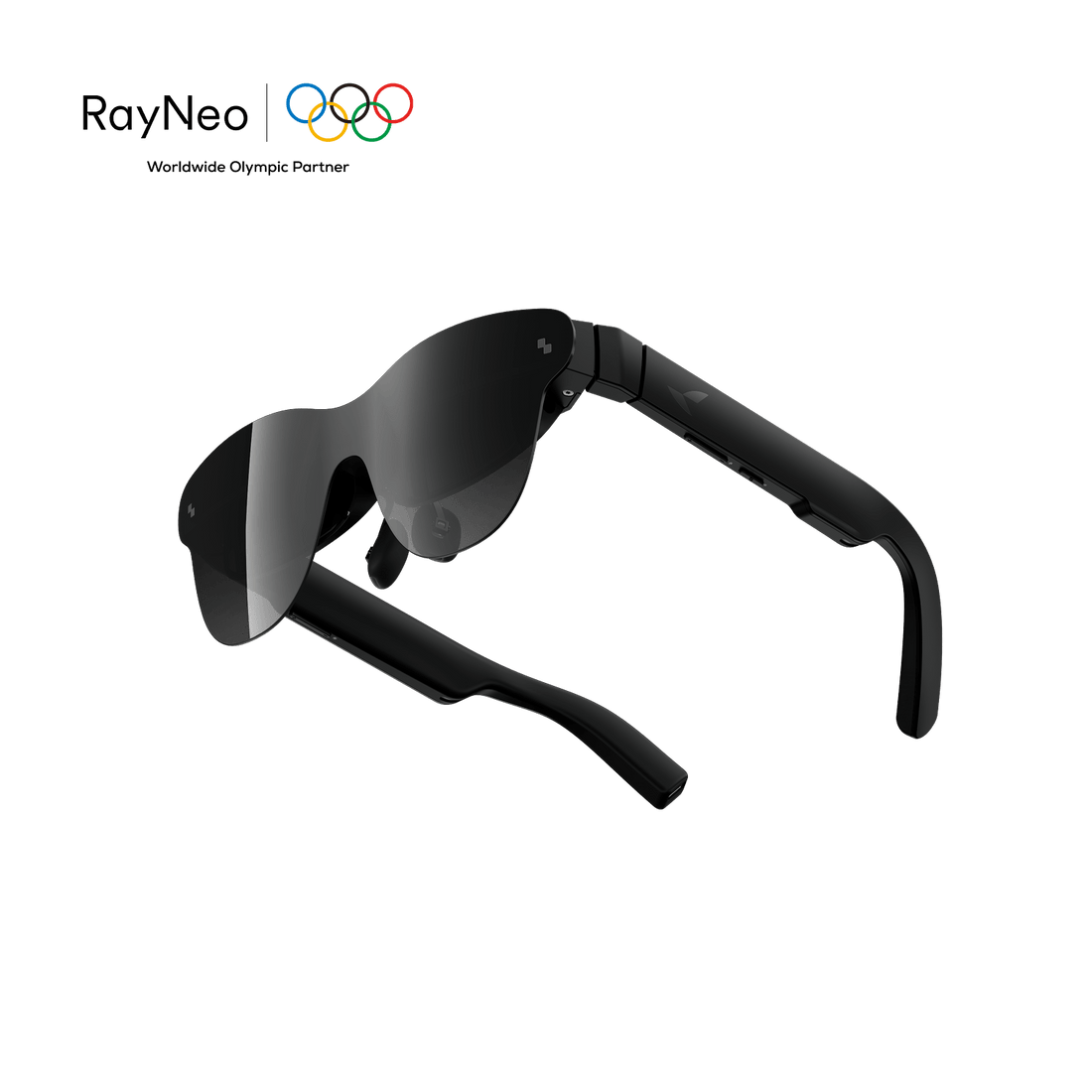
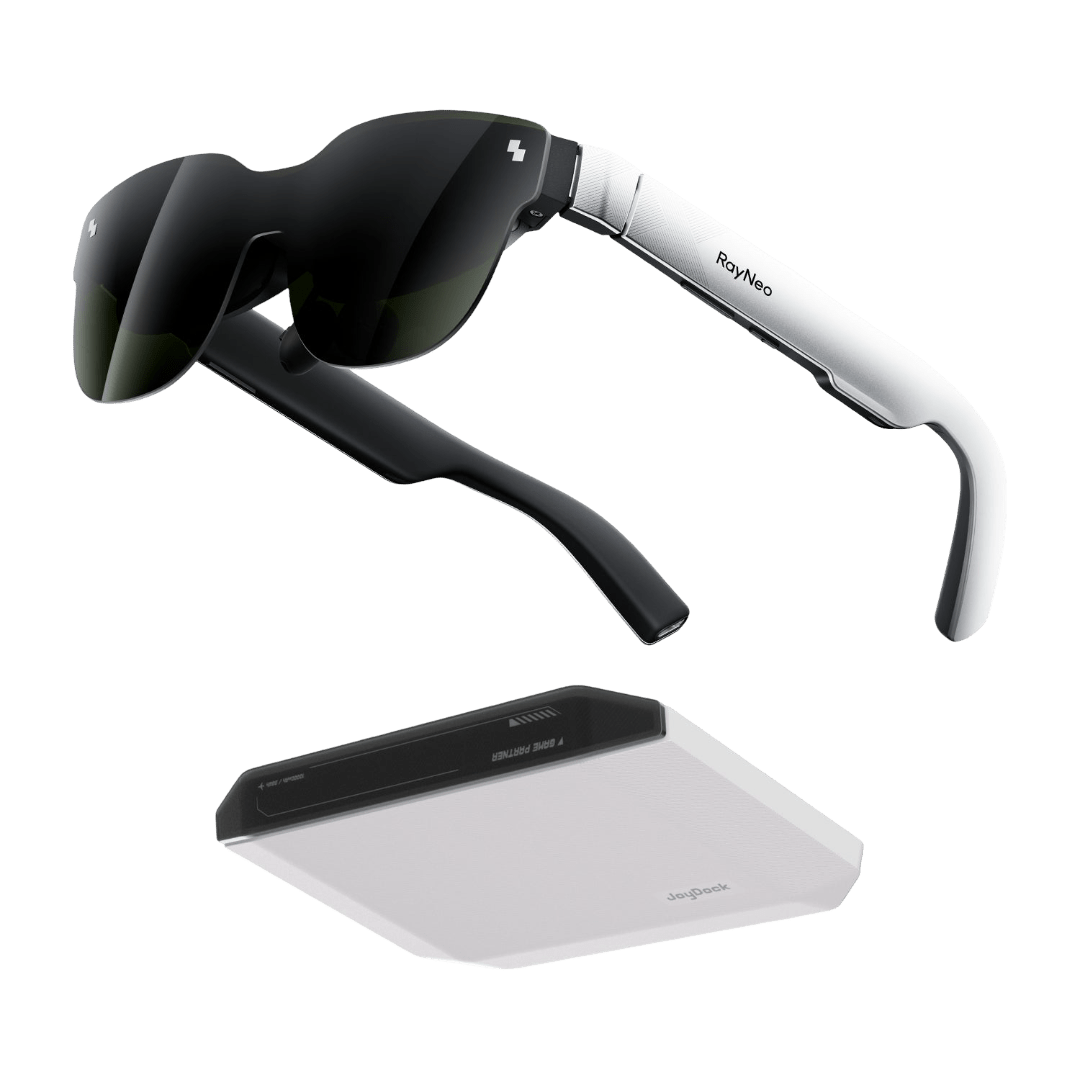
Instead of only providing answers through audio, the RayNeo X3 Pro AI+AR Smart Glasses use dual full-color MicroLED displays to place AI responses, translations, navigation guidance, and app content directly in your view.
Google Gemini support allows you to ask questions about your surroundings, while the built-in translation tools can display or play translations across 14 supported languages. This makes the glasses particularly useful for international travelers, multilingual professionals, and anyone who frequently needs information while moving through unfamiliar places.
Beyond AI assistance, the X3 Pro is designed for more immersive AR experiences. Its spatial tracking capabilities help position digital content within your surroundings, while the built-in 12MP camera lets you capture photos and videos from your own perspective.
Additional features such as meeting transcription, summaries, reminders, and a teleprompter also make it useful for professionals, creators, and people who want more hands-free productivity.

Best for: Travelers, mobile professionals, developers, and early adopters who want visual AI responses, live translation, navigation, and spatial AR features in one wireless device.
Key features:
Smart glasses are evolving from futuristic concepts into practical wearable devices that combine audio, cameras, AI, and display technology. Whether you want hands-free assistance, easier travel, a private virtual screen, or new ways to interact with digital content, the right device depends on your needs.
Understanding what smart glasses are and how different types work can help you choose a model that fits your lifestyle. As AI and AR technology continue to improve, smart glasses are becoming a more natural way to access information in everyday situations.
No, most AI glasses do not require a monthly fee to use their basic features. You usually pay for the device itself, and functions such as listening to audio, taking photos, using voice controls, or connecting to your smartphone work without an ongoing subscription.
However, some brands may charge for optional premium AI services, cloud storage, or advanced software features. Before buying a pair, it’s best to check whether a subscription is required to unlock additional capabilities.
It is not always possible to tell if someone is wearing smart glasses because many models look similar to regular eyewear. Some clues include thicker frames, visible cameras or indicator lights, charging contacts, or repeated touch gestures on the temples. However, these signs are not definitive, so asking politely is the best approach if privacy is a concern.
Smart glasses can be worth it if you want hands-free access to information, AI assistance, navigation, translation, or content capture. They are especially useful for people who want to use technology without constantly checking a phone. However, features vary widely between models, so consider factors such as display, AI capabilities, comfort, and battery life before choosing a pair.





Share:
Smart Prescription Glasses: Complete Buying Guide
10 Tips That Make the Digital Nomad Lifestyle Less Stressful