

$429.00

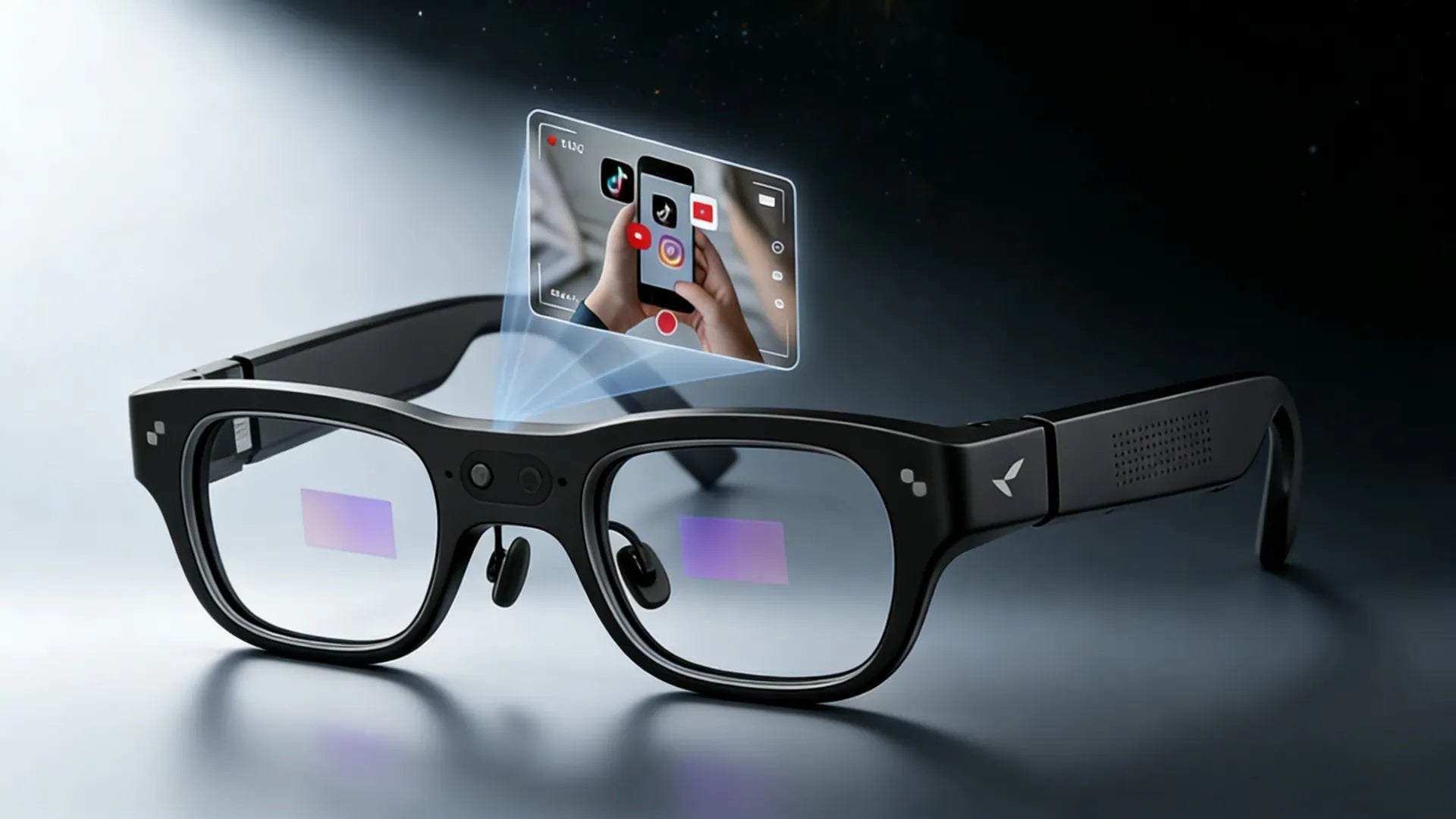
POV content dominates platforms like TikTok, Instagram Reels, and YouTube Shorts, yet many viewers still pause and ask, what does POV mean when they see it in captions or hashtags. While the term originally came from filmmaking and gaming, social media has reshaped how POV is used and understood. This guide explains the true meaning of POV, how it differs from other filming styles, and how creators use it to make content feel more immersive and relatable.
POV stands for point of view, a filming approach where the camera represents the creator’s own eyes. Instead of watching someone from the outside, the viewer sees exactly what the person filming sees, moment by moment. There are no over-the-shoulder shots or staged angles, just direct perspective.
This format creates a strong sense of presence. Whether you’re watching someone walk through a street market or hike a narrow trail, POV places you inside the experience rather than observing it. The camera becomes the viewer’s viewpoint, making each movement, decision, and discovery feel immediate and personal.
Understanding how POV compares to other common filming styles helps clarify why it feels so distinct on screen.

The third-person view shows the subject from the outside, much like a camera following someone through an experience. The audience watches the person move through a scene without sharing their perspective. This approach works well when the focus is on the individual, but it keeps viewers at a distance from the action.
POV removes that distance by placing the camera where the person’s eyes would be. Instead of watching a hiker walk through a forest, the viewer moves along the trail with them, seeing what’s ahead and noticing details as they appear. This sense of presence is what makes POV feel more immersive.
Selfie mode turns the camera toward the creator, putting their face, reactions, and expressions at the center of the shot. POV does the opposite, pointing the camera outward to show what the creator is seeing. Both formats involve filming alone, but they serve different goals. A food creator might use selfie mode to capture their reaction to a dish, then switch to POV to show the moment they cut into it, letting viewers focus on the food rather than the person.
On social media, the meaning of POV has expanded beyond its original technical use. On platforms like TikTok and Instagram, creators often use “POV:” as a prompt followed by a situation or idea, turning the format into short storytelling clips rather than true first-person footage. In many cases, the camera isn’t showing what the creator sees at all, but instead sets the scene for a quick narrative viewers are meant to step into mentally.
On TikTok in particular, POV has become shorthand for roleplay and relatable scenarios. Phrases like “POV: you’re the main character” or “POV: you made a bad decision” invite viewers to imagine themselves in a specific moment. These videos are more performative than literal, often showing the creator’s face and breaking the strict definition of point of view. Still, the format works because it taps into shared experiences, humour, and cultural references that encourage viewers to engage and respond.
Different creator communities use POV in distinct ways, shaping the format to fit their content and audience. While the perspective stays the same, the purpose and feel of POV can vary widely depending on how it’s used.
First-person shooter games introduced many people to POV long before it became popular on social media. Games like Call of Duty and Valorant lock the view into the character’s perspective, showing only hands, weapons, and the immediate environment. This creates a sense of urgency and immersion that pulls players and viewers into the action. When streamers share gameplay clips, the audience experiences tense moments exactly as the player does, which translates well to platforms like Twitch and YouTube.
Action sports rely heavily on POV to capture intensity and movement. Snowboarders, surfers, and skateboarders often use helmet-mounted cameras to record tricks from their own viewpoint. Viewers see the terrain approach at speed and follow split-second decisions as they happen. Mountain biking POV, in particular, highlights how quickly conditions change, with rocks, roots, and sharp turns unfolding in real time. This style works because it delivers raw experiences that most people wouldn’t encounter themselves.
In vlogging, POV helps turn everyday routines into something more engaging. Filming from eye level makes simple activities feel more personal, whether it’s shopping for groceries or preparing a meal at home. Cooking videos shot in POV let viewers follow each step naturally, as if they were performing the task themselves. By removing staged angles and heavy editing, POV vlogs feel more honest and relatable, which is why they resonate so strongly with audiences.
POV content feels different because it matches how people experience the world in real life. Instead of watching someone else do something, viewers see events unfold from a first-person angle. That shift makes the experience feel more direct and explains why POV videos tend to hold attention so well across platforms.
Most videos place the viewer on the outside, watching someone else take action. POV removes that distance by putting the viewer in the middle of the moment. Seeing things through a first-person view makes the experience feel more personal, which often leads to stronger emotional engagement than traditional formats.

POV allows people to explore places and situations they wouldn’t normally encounter. High-risk activities, unfamiliar cities, or extreme environments can be experienced without danger or commitment. Someone at home can briefly step into a skydive, a mountain trail, or a busy street on the other side of the world, all without leaving their seat.

POV videos often feel casual and unfiltered. When creators film their day from their own perspective and talk naturally, it can feel like walking alongside someone rather than watching a performance. That sense of closeness helps build trust and keeps viewers coming back, which is why POV creators often develop loyal audiences over time.
Good POV content comes from a mix of technical choices and small creative details. The goal isn’t perfection, but making the footage feel natural and easy to follow from a first-person perspective.
POV works best when your hands are free. Action cameras, AI smart glasses, and phone mounts can all get the job done, but each setup has tradeoffs. Action cameras offer strong stabilization and durability, while phones are convenient and easy to edit. Chest mounts tend to capture natural arm movement, while head mounts show exactly where you’re looking, though they can feel shaky if not adjusted well. Testing different options helps you find what feels comfortable and fits your content style.
Believable POV footage matches how people naturally see the world. If the camera sits too high or too low, the perspective feels off and breaks immersion. Eye-level placement makes scenes feel intuitive, helping viewers forget they’re watching a recording and instead focus on what’s happening in front of them.
Purely static POV clips lose attention quickly. Simple actions like opening doors, picking things up, or pointing at details add context and depth. In cooking videos, for example, seeing hands chop, stir, and plate food makes the experience feel active rather than observational. These small movements help anchor viewers in the scene.
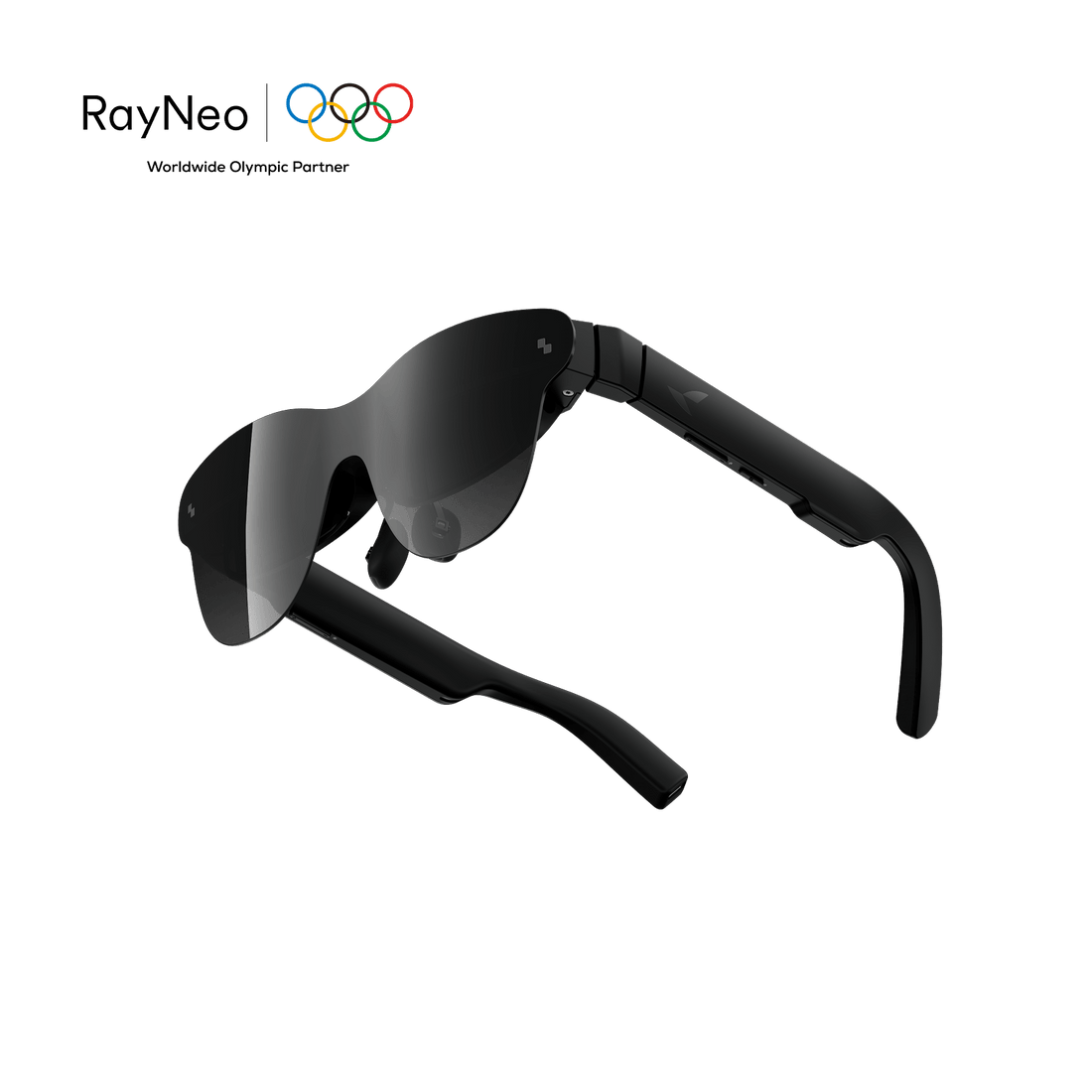
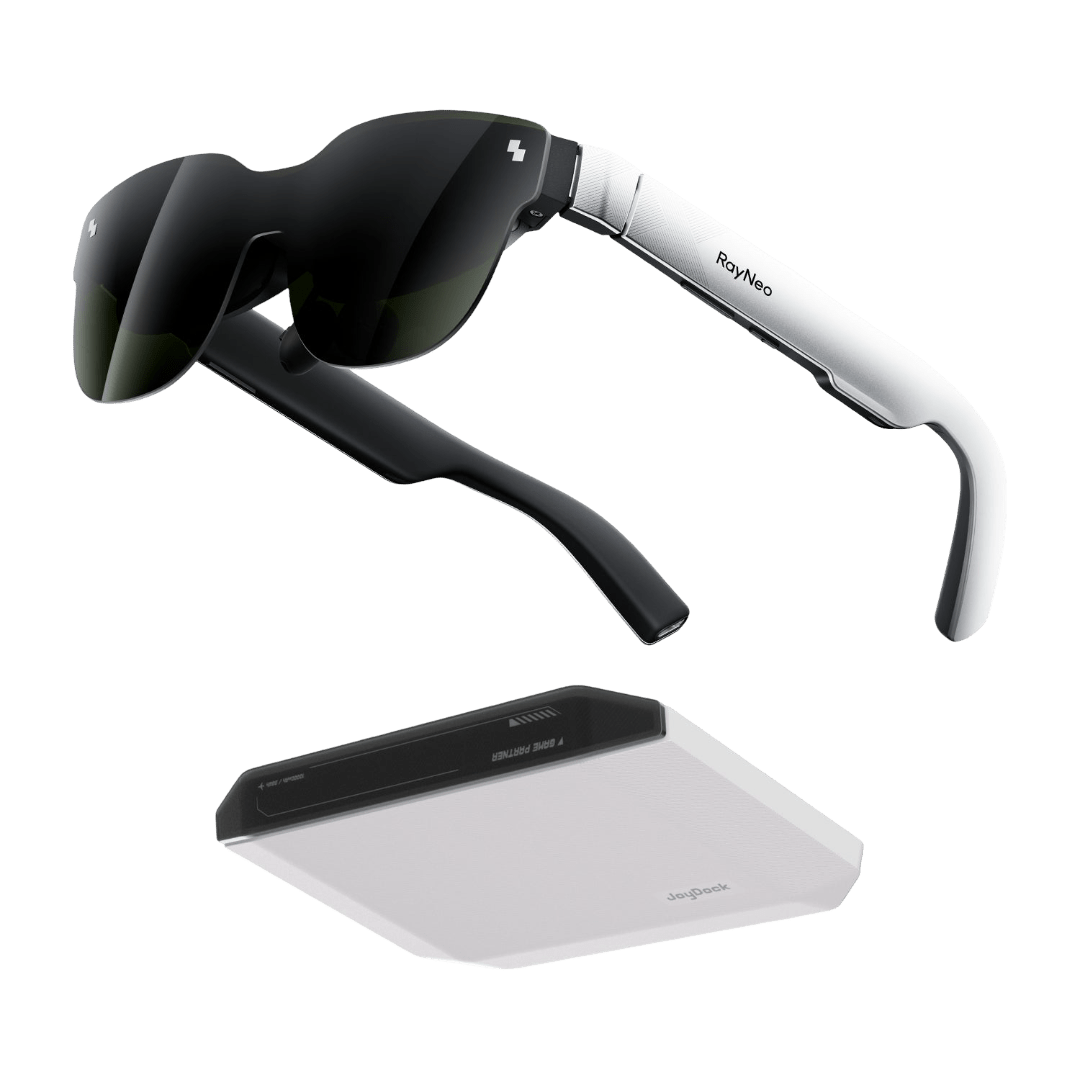
Using head straps or phone mounts just to capture short POV clips can feel awkward, especially for everyday filming. To bypass this, diving into the mechanics of a smart glasses with camera everything you need to know setup offers a simpler option by recording directly from your natural line of sight. With devices like the RayNeo X3 Pro Smart AI Glasses, creators can capture what they’re seeing without adjusting mounts or holding a camera, which makes spontaneous recording much easier. For a deeper dive into these capabilities, check out this next generation AR gear guide.

Because smart glasses are lightweight and hands-free, they fit naturally into daily routines where pulling out a camera would feel disruptive. Features like continuous recording, quick charging, and on-device previews reduce friction during filming and help creators stay focused on the moment itself. Since they resemble regular eyewear, they’re easier to wear in public and make POV recording feel less staged, which often leads to more natural, usable footage.
POV content has changed how people create and experience digital media by closing the gap between the person filming and the person watching. Instead of observing from the outside, viewers are placed inside the moment, whether that’s a gaming session, a daily routine, or an extreme sport. As recording tools continue to evolve, especially hands-free options, POV is likely to show up in even more creative and unexpected ways. Understanding what POV means today helps creators produce content that feels honest and immersive in a space where audiences are increasingly drawn to real experiences over polished presentations.

A common example is a mountain biker filming a downhill trail from their own perspective. The camera shows the handlebars, the path ahead, and approaching obstacles exactly as the rider sees them, allowing viewers to experience the descent as if they were riding themselves.
No. A selfie turns the camera toward your face to capture your expressions and reactions. POV points the camera outward, showing what you’re looking at instead of showing you on screen.
Nothing beyond your gaming setup. Most first-person shooter games already use a POV perspective by default. To share gameplay, you’ll just need screen capture software such as OBS Studio or the built-in recording tools available on consoles.
Yes. VR headsets and XR glasses can make POV videos feel more immersive by expanding the field of view and adding depth. When watching POV content through devices from the best smart glasses brands like RayNeo, the experience can feel closer to being inside the scene rather than watching it on a flat screen.





Share:
Best 8 Alternatives to Ray-Ban Meta Smart Glasses
Help Me Choose for 2026: The Definitive AR Glasses Buying Guide