

$429.00

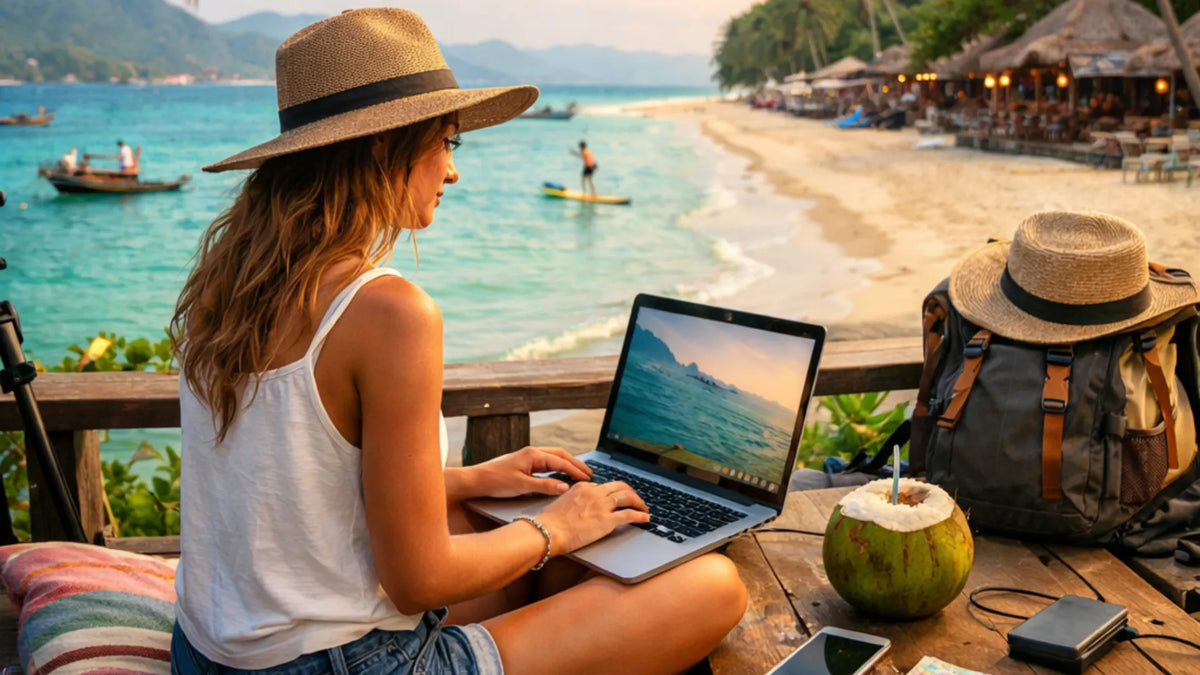
Working from a beach sounds ideal, until you’re scrambling for a 2 a.m. video call or stuck with Wi-Fi that can’t handle a simple upload. The digital nomad lifestyle offers freedom, but without preparation, it often delivers stress. Time zone juggling, unreliable connectivity, and cross border finances trip up many people who expect the polished, social media version and burn out fast.
These ten tips focus on what actually determines whether nomad life works long term. They cover the practical systems, connectivity, routines, finances, and tools that reduce friction and help you stay productive and sane wherever you land.
A digital nomad works remotely while moving between places, often across countries or cities. Instead of being tied to an office, their job travels with them, usually a laptop and a backpack, turning cafés, apartments, or coworking spaces from places like Bangkok to Lisbon into temporary offices.
Technology makes this lifestyle possible. Reliable internet pairs with cloud tools like Slack, Zoom, and Google Workspace to keep work moving. Beyond software, embracing how monitor glasses change your workday forever is transforming the hardware setup, though nomads still rely on VPNs for security, project management software to stay organized, and time zone converters to schedule calls. The roles vary widely; developers, copywriters, designers, consultants, and customer service professionals all fit naturally into this setup.
Remote workers usually stay in one place, often in their home country. Digital nomads choose mobility, spending weeks or months in each location. Remote work offers location flexibility; nomad life adds constant travel. A remote worker in Ohio keeps one address, while a nomad might rotate between Medellín, Chiang Mai, and Tbilisi.
Instagram shows sunsets and laptops by the pool. Reality includes missed deadlines from bad Wi-Fi and feeling alone in a city where you don’t know anyone. Understanding both sides of the digital nomad lifestyle helps you prepare for what actually comes with it.
Geographic arbitrage is a major upside. A $60,000 income stretches far more in places like Buenos Aires than in San Francisco. Beyond cost savings, living in different countries exposes you to new cultures and perspectives that change how you think and work. Constant movement pushes personal growth and keeps daily life from becoming routine.
Freedom comes with pressure. Unstable internet can ruin productivity and hurt client trust fast. Finding reliable workspaces takes effort, especially outside major nomad cities. Loneliness sets in when you’re always the outsider, and relationships stay short-term because everyone knows you’re leaving. Add banking issues, healthcare concerns, and nonstop logistics, and stress builds quickly.
Time zones are one of the biggest challenges. Working across 10-12 hour gaps means someone is always compromising sleep. Keeping European hours from Southeast Asia often leads to late nights that hurt health. Clients forget your location and book 3 a.m. calls, while constant time conversions add mental fatigue.
Leaving home doesn’t remove responsibilities. Taxes still apply, visas limit how long you can stay, and overstaying has real consequences. Health insurance gaps increase risk, banks may flag or freeze accounts, and maintaining a legal address becomes complicated. These details quietly determine whether the lifestyle is sustainable long term.
Strip away complications with these proven strategies. These tips focus on the real pain points that trip people up once the excitement wears off.
Use world time apps to see overlap with clients at a glance. Block deep work hours when no one expects fast replies, and be clear about availability. Always state your timezone. Many nomads choose places with a 3-4 hour difference instead of extreme offsets so workdays stay sane.
A solid setup makes almost any place workable. Noise-cancelling headphones help you focus anywhere. A lightweight laptop stand fixes posture, while a portable mouse and keyboard improve comfort. Carry a battery pack for outlet shortages, and a small travel router to turn unreliable public Wi-Fi into something safer and more stable.
Routines replace the structure you lose on the road. Exercise keeps energy and mood steady, even in tight spaces. Set clear work hours so travel doesn’t bleed into burnout. Weekly rhythms, like planning Fridays or call heavy Wednesdays, add stability no matter where you are.
Use banks built for international use to avoid constant fees. Keep emergency money in more than one currency. Track expenses with accounting software, automate bills, and save receipts. Log days per country and work locations, future tax season will be much easier.
Long flights, airport delays, and the gaps between coworking sessions add up fast. Tablets and extra screens just make your bag heavier. Smart glasses solve that by giving you a big private screen without the bulk.

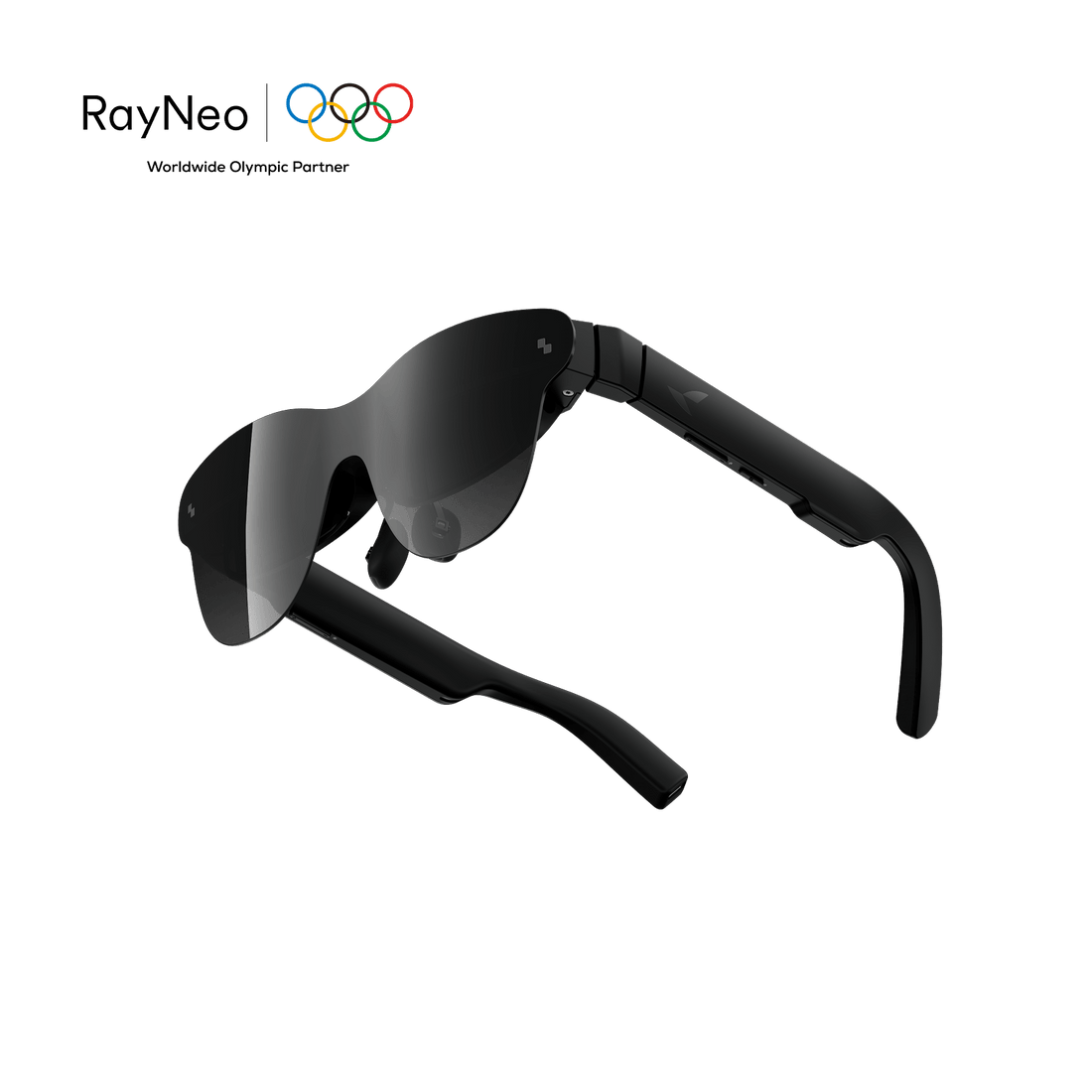
The RayNeo Air 4 Pro turns tight economy seats into a personal theater with a 135 inch virtual screen. The Micro-OLED display with 1920×1080 resolution keeps content sharp without eye strain.
What makes this practical for digital nomad entertainment:
HDR10 with AI enhancement boosts regular video close to HDR quality without special settings
3840Hz PWM dimming helps reduce eye strain on long haul flights
Bang & Olufsen tuned audio delivers clear, cinematic sound while staying quiet to people nearby
Ultra light 76 gram design avoids the neck fatigue common with VR headsets
Fits over myopic glasses, so prescriptions aren’t a barrier
They pack flat in a carry-on and connect via USB-C to phones, tablets, or laptops, working across iOS, Android, PC, Nintendo Switch, and PlayStation 5.
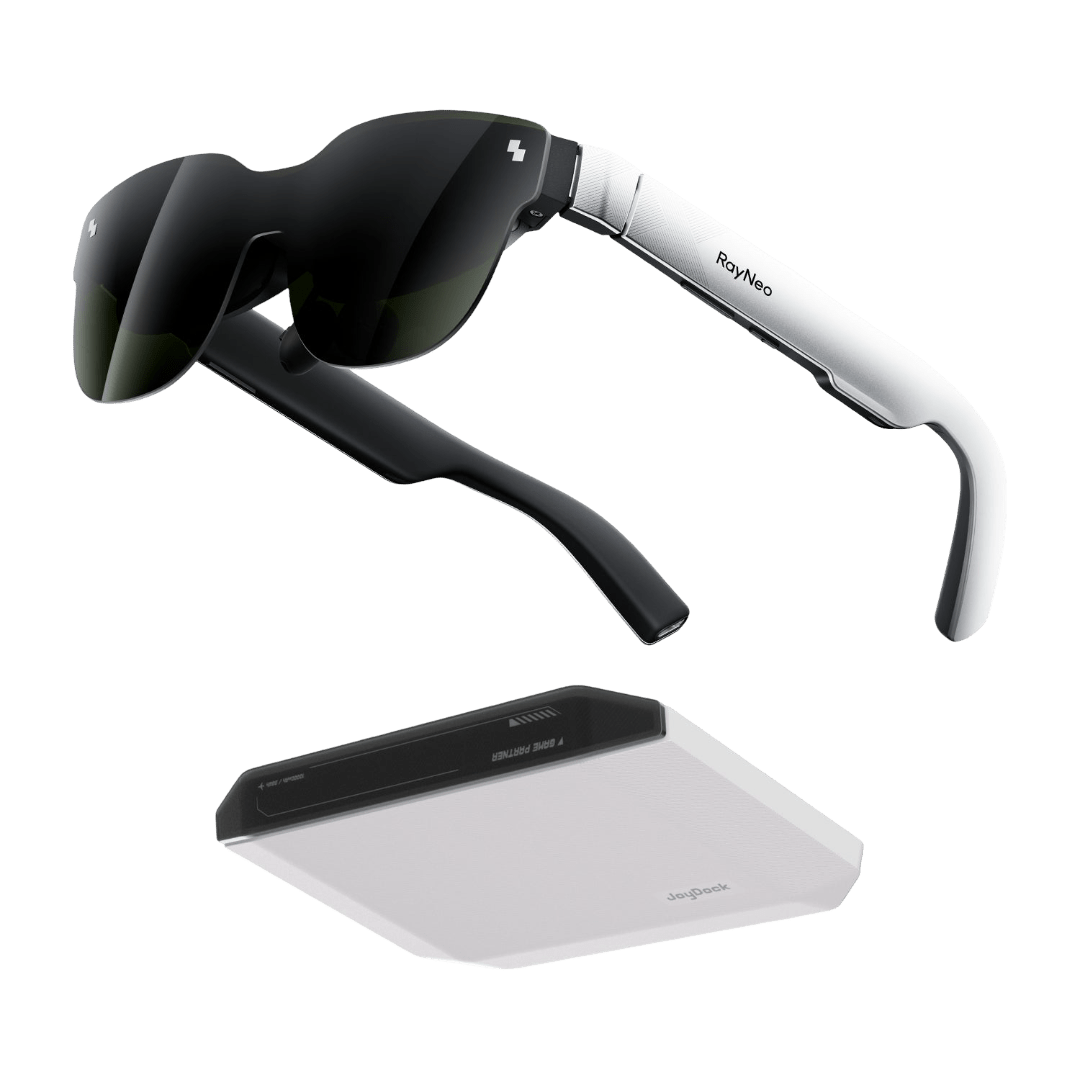
The smart glasses with camera RayNeo X3 Pro focuses on productivity and navigation. Its 43 inch floating display shows information without blocking your real world view, which matters when you’re walking unfamiliar streets or navigating new cities.
Practical work uses for nomads include:
Google Gemini 2.5 AI assistant provides hands-free research and quick answers
Real time translation in 14 languages for menus, signs, and conversations
4-hour battery with 37-minute fast charging covers most work sessions
6 DOF AR support for development and productivity on the go
The AR glasses run on Qualcomm Snapdragon AR1 Gen 1 with 4GB RAM and 32GB storage. MicroLED display delivers 3,500 nits average brightness and 6,000 nits peak, remaining readable in direct tropical sunlight.

Together, the Air 4 Pro covers downtime and entertainment, while the X3 Pro supports work and navigation. Both reduce the need to carry extra screens, illustrating how glasses that display video are changing desktop work while keeping your setup lighter and more flexible.
Research internet speeds before booking accommodation. Read recent reviews mentioning WiFi reliability, not just availability. Test speeds upon arrival with backup options ready. Local SIM cards with big data plans make reliable hotspots. Some nomads use portable Wi-Fi devices to avoid constantly swapping SIMs constantly.
Buy wrinkle-resistant clothing in neutral colors that mix easily. Limit yourself to one backpack and carry-on to avoid complications. Store documents in encrypted cloud storage plus a USB backup and bring universal adapters, but confirm the destination’s plug types ahead of time. Refill small toiletries instead of carrying full bottles to save space.
Join nomad groups online and show up to coworking events, even if you aren’t a social person. Most popular destinations have active nomad meetups. These connections lead to housing tips, food recommendations, and warnings about scams. They help fight the isolation that drives many back to settled life.
Get international health insurance made for your kind. Keep fitness simple with running, bodyweight workouts, or yoga. Schedule routine checkups in affordable countries like Thailand or Mexico. Carry basic meds since familiar brands aren’t always available.
Track days in each country carefully, many tax rules kick in around 183 days. Research visas months in advance. Countries like Portugal, Croatia, and Estonia now offer digital nomad visas. Consult tax professionals specializing in international remote work to understand treaty implications.
The digital nomad lifestyle works when you treat it as a career requiring serious infrastructure, not an extended vacation. Staying productive on the road comes down to mastering logistics, setting boundaries, and having systems that hold up no matter where you open your laptop.
The right tools can remove a lot of friction, cutting down travel stress while protecting both focus and quality downtime. More than anything, sustainable nomading means being honest about what you actually need day to day, not chasing the Instagram version of life on the move.
Most digital nomads spend $2,000-$3,000 per month in Southeast Asia or Eastern Europe, and $3,500-$5,000 in Western Europe or higher-cost Asian cities. That typically covers rent, food, coworking, transportation, and basic lifestyle costs. You should also plan extra for flights, visas, insurance, and replacing work equipment when needed.
Portugal balances affordable living, fast internet, English speakers, and a digital nomad visa. Thailand stands out for lower living costs and mature nomad communities. Mexico provides timezone alignment with the US. "Best" depends on priorities: budget, weather, community, or client proximity.

With difficulty. Many nomads are single or partnered with other nomads. Those with families slow travel pace, choose longer stays in fewer places, or alternate between nomadic periods and settled time at home. Video calls help, but they can't replace physical presence.
International health insurance comes first. Equipment insurance protects laptops and gear. Some countries require proof for visa applications. Read fine print carefully regarding pre-existing conditions, activity exclusions, and country limits.
At least once a year is common for taxes, family, and mental reset. Many return every 3-6 months to handle paperwork, maintain relationships, and avoid burnout. Staying away too long can make reintegration difficult and risks losing the support network that makes nomading sustainable.





Share:
What Are Smart Glasses? A Guide to Smart Eyewear
Can You Recommend Some AR Glasses? Here's My 2026 Buyer's Guide