

$429.00


Two-way translation smart glasses let two people who speak different languages talk naturally, without a phone between them. You see what the other person says as captions on your lens, and your reply can be translated back to them through connected audio or a paired device in real time.
This helps with real-time translation for international business trips, overseas travel, and business hosting. This guide explains how they work, how to choose a pair, and where RayNeo iO fits.

Two-way translation smart glasses are eyewear that translates a conversation in both directions in real time. You see the other person's words as captions on your lens, while your reply is translated back to them, often through a paired phone. That lets two people speaking different languages hold a natural, hands-free conversation without passing a device back and forth.
These AI translation glasses combine speech recognition, AI language processing, and display technology to enable two-way communication.
Lens captions and phone-assisted processing keep conversations flowing smoothly. The other person speaks, you read the caption, and you reply—creating a more natural exchange.
Language barriers often create friction in situations where speed, understanding, and confidence matter. Two-way translation smart glasses help bridge that gap by making communication more accessible in multilingual environments.
According to the U.S. Census Bureau, nearly 68 million U.S. residents, or about one in five people, spoke a language other than English at home in 2019. This highlights the need for practical translation tools in multilingual environments.
Key benefits include:
The right pair depends on how and where you will use them. Weigh these four factors.
Set a range based on how often you will use translation. Occasional travelers need less than frequent international professionals. Focus on overall value, including language coverage, comfort, and reliability, rather than choosing only the lowest price. A comfortable pair that you use regularly often provides more value over time.
Match the glasses to your main scenario. Travelers want broad language support and long battery life. Business users value discretion, clean transcripts, and reliable performance in meetings. For daily life, comfort and quick everyday help matter most. Decide your primary use first, then compare from there.
Some glasses speak the translation aloud through open-ear audio, while others show it as subtitles on a display. Audio suits eyes-busy moments; visual subtitles are quieter and more private, which is ideal in meetings. Glasses with lens-based subtitles take a more discreet approach, reducing the need to look at a phone screen and allowing users to maintain eye contact during conversations.
Check how many languages a pair supports and what connectivity options it offers. Broader language support can make international travel easier, while reliable connectivity helps keep translations smooth and responsive. Choose a model that supports the languages you actually need and works well with your devices.
Yes, with the right setup. The person wearing the glasses reads the other side as captions on the lens, while the translated response is delivered through the connected device or audio output supported by the system. This two-way flow is what separates a real conversation tool from a one-directional caption display.
It depends on the model and the task. Some handle basic features on the glasses, while full two-way translation usually works best with a phone that helps process language and show the other person your side. Many consumer translation smart glasses rely on a connected phone for additional processing while allowing users to view captions directly through the lenses, creating a more natural hands-free experience. If phone-free use matters to you, confirm which translation features run on-device before you buy.
A practical tip: Download offline language packs before a trip if your glasses support offline translation. When using connected translation features, keep your phone charged to help maintain performance when you need it most.
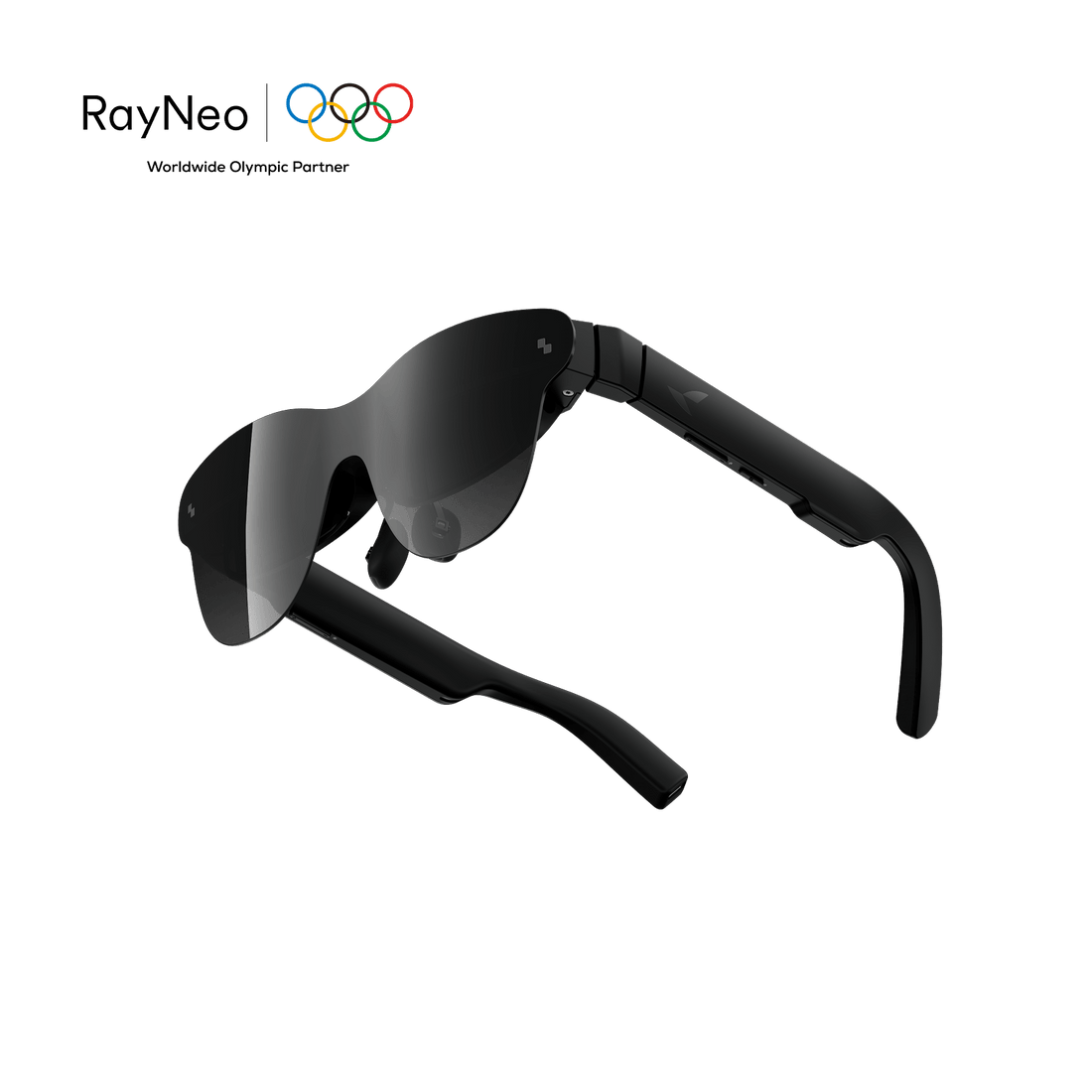
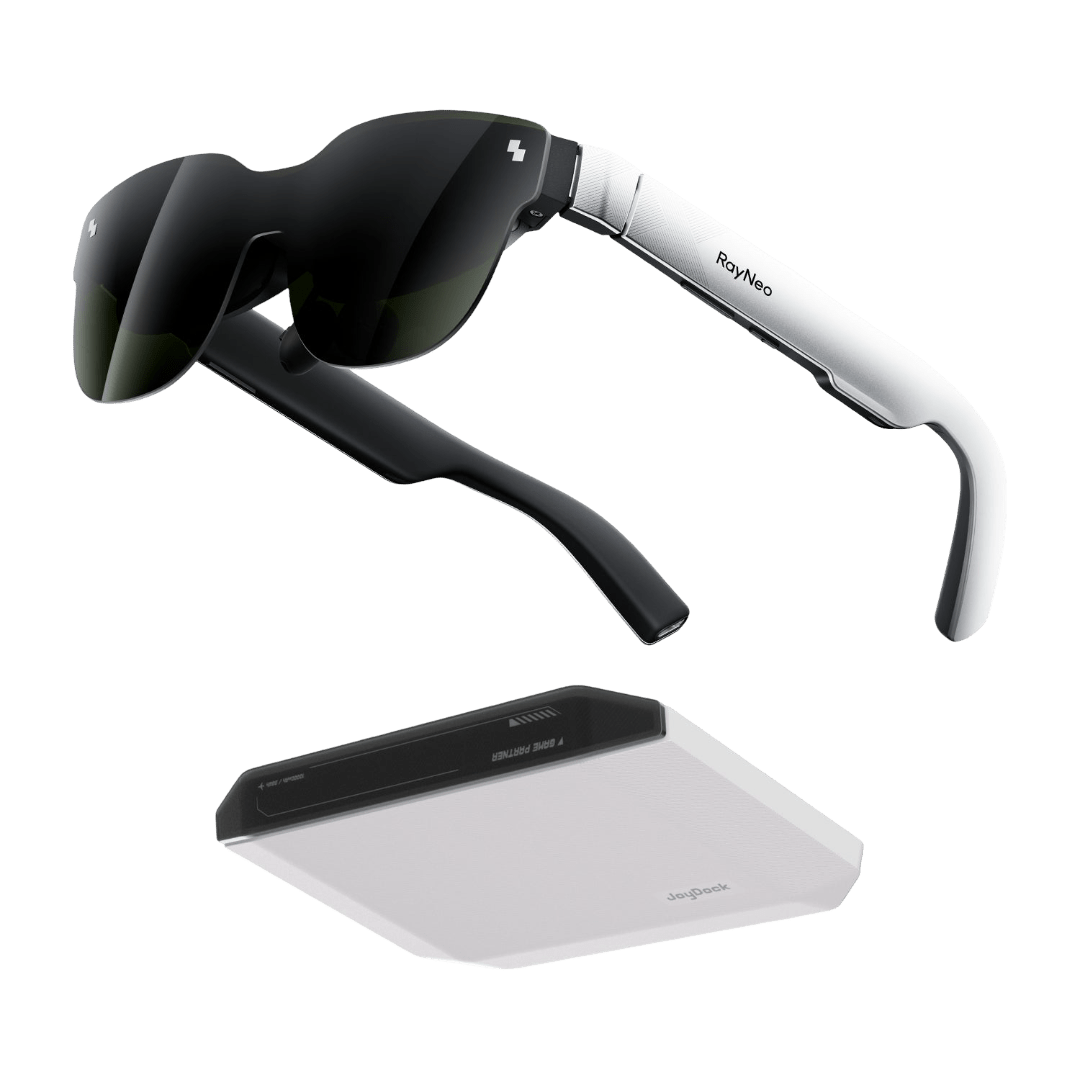
For smoother cross-language communication at work or while travelling, the RayNeo iO AI Glasses bring real-time translated text directly into your line of sight.
Paired with your phone, iO helps you follow conversations without repeatedly looking down at a translation app, whether you are meeting international colleagues, speaking with overseas customers or navigating a new destination.
Key features include:

The appeal of two-way translation smart glasses is simple: they help make cross-language conversations easier, hands-free and in real time. Match the language support, audio or subtitle style, and use case to your needs, and you will get far more out of them.
RayNeo iO offers discreet, on-lens translation across up to 40 languages, with your phone completing the two-way loop. Decide where you will use translation most, then choose the pair that keeps the conversation flowing.
The best pair depends on your needs, but look for broad language coverage, reliable real-time captions, comfort for all-day wear, and true two-way support. Consider whether you prefer spoken audio or on-lens subtitles, and how the glasses handle noisy rooms. For meetings and business hosting, a discreet design can be useful because users can view translations without constantly checking a phone screen. Match the feature set to where you will use translation most before deciding.
Yes. Modern translation glasses can turn real-time speech into readable captions, making many everyday cross-language conversations easier to follow. Performance depends on clear audio, a stable connection, and the language pair. They work best for everyday and business conversations, and may be less precise with heavy accents, background noise, or very technical speech. For most travel and hosting situations, they remove the language barrier well enough to keep things moving.
Translation performance is generally better for common languages and clear, steady speech, and AI improvements continue to improve results. Results can dip with strong accents, idioms, fast talkers, or noisy rooms. Good microphones and speaker separation help a lot, which is why hardware quality matters. Treat the translation as a strong, reliable aid rather than a flawless interpreter, and confirm critical details, like numbers or names, when the stakes are high.





Share:
Cool Tech Glasses 2026: What AI Glasses Can Do This Year
112 Language Transcription Glasses: A Practical Guide for 2026