

$429.00

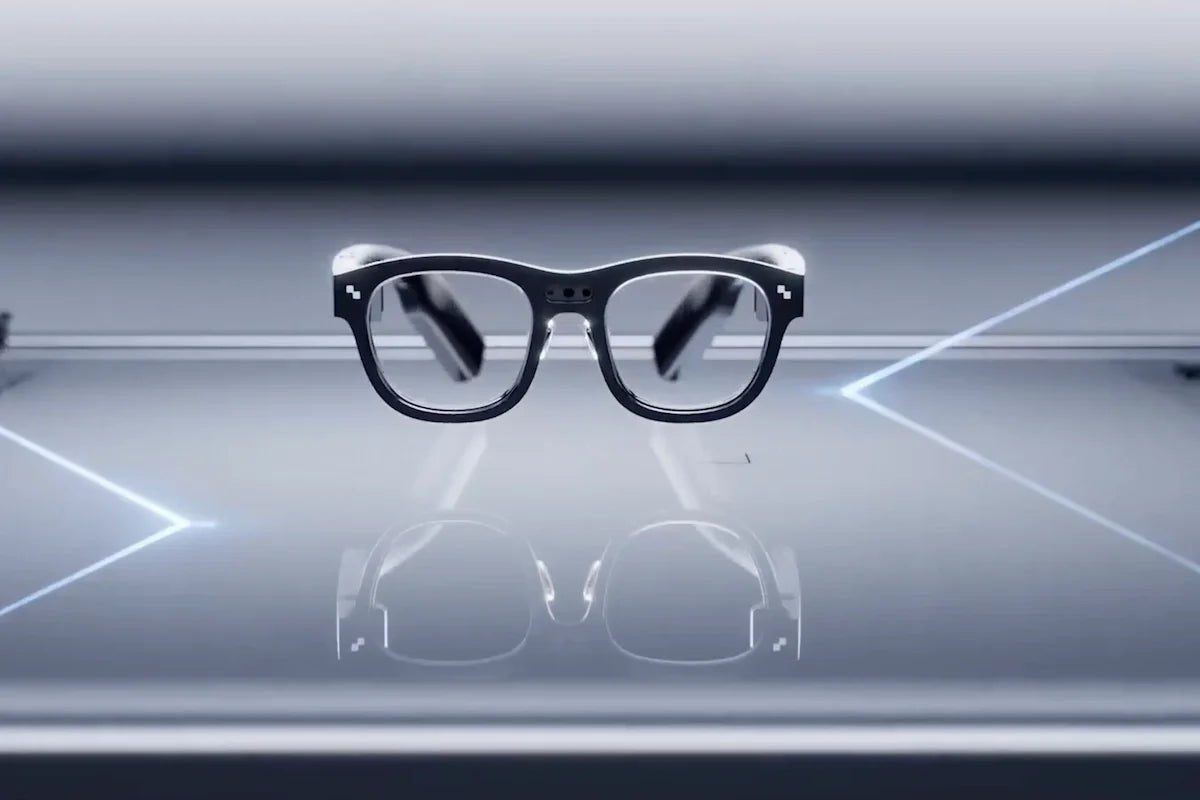
Cool tech glasses in 2026 are no longer just a gimmick; they are genuinely useful eyewear you might actually wear every day. The appeal spans cutting-edge tech, social gatherings, and content creation, all from a frame that looks almost ordinary. If you are curious what AI glasses in 2026 can really do, and how to pick a pair, this guide breaks it down, including where RayNeo iO fits.

What makes them cool now is that they finally feel practical. The category is growing quickly. Counterpoint Research reports that global smart glasses shipments increased 139% year over year in the second half of 2025. AI-enabled models are becoming a major driver of this growth.
In plain terms, the technology got good enough to wear daily. Many frames look like traditional glasses, while some models add discreet displays and AI assistants for hands-free help. That mix of style and genuine usefulness is what turns a gadget into an everyday tool.
AI glasses in 2026 pack a lot into a light frame. Here are the capabilities that matter most.
Camera-equipped models let you shoot photos and video from your own point of view, hands-free. It is ideal for travel, sports, and content creation, since you capture the moment as you see it without holding up a phone. If capture is your priority, look specifically for a model with a built-in camera.
A built-in assistant answers questions, summarizes information, and helps you make decisions on the spot. Some advanced AI glasses let you choose from different AI assistant experiences, including ChatGPT-powered features, so you can get quick answers without unlocking your phone.
Real-time translation is one of the most useful features of the year. Some display-equipped AI glasses can provide translated captions in the lens display across multiple languages, making conversations easier during travel and multilingual meetings.
Directions can appear in your view or through audio, so you follow a route with your head up. Most glasses pull the route from your phone's GPS, then deliver simple cues hands-free, which keeps you moving without staring at a screen.
Beyond fun, these glasses help you get things done. A glanceable dashboard keeps your schedule in view, an auto-scrolling teleprompter helps you present, and voice notes turn talk into organized summaries. Small tasks that used to interrupt your day happen in the background.
With more choices than ever, focus on the factors that shape daily use. You can compare different AI glasses models using these criteria.
AI glasses are light and assistant-led, often in an everyday frame, and some add a small display. AR display glasses typically focus more on immersive visuals for navigation or media, and may involve different trade-offs in weight, battery life, and price. Start by deciding whether you want simple, all-day help or immersive visuals.
A display is only useful if you can read it. Look for brightness and clarity that hold up outdoors. High-end AI glasses use advanced display technologies such as MicroLED displays paired with waveguide optics. These systems help keep captions and notifications visible in daylight while maintaining a discreet design.
You will only wear glasses that feel good and last. Prioritize light weight and long battery life for all-day use. Lightweight AI glasses with long battery life are easier to wear from morning to night without worrying about frequent charging.
Check how the glasses pair with your phone and which features run on-device versus through an app. Smooth pairing and useful software make the difference between a novelty and a tool you reach for daily. Confirm compatibility with your phone before you buy.
If you wear glasses every day, lens options matter. Many models offer prescription lenses or custom fittings, so you get vision correction and smart features in one frame. Confirm the supported prescription range and how fitting is handled before choosing.
If you want smart glasses that bring AI into everyday life without looking overly technical, the RayNeo iO AI Glasses take a more understated approach.
A 0.6mm ultra-thin display works with the compact Firefly Nano Optical Engine to keep the frame close to conventional eyewear, while the 34g design and balanced weight distribution make it practical for longer wear.
A few features make iO especially interesting for 2026:
With a 240mAh battery rated for up to 48 hours of typical use and IP65 dust and water resistance, iO is designed to bring these features into everyday routines rather than short demo sessions.

Smart glasses are not one-size-fits-all. These four groups may find the most practical value from them today.
If you travel often, real-time translation and glanceable directions are a game-changer. You can navigate new cities and communicate with locals without constantly checking your phone. A lightweight frame also makes long travel days more comfortable.
For busy professionals, a teleprompter, meeting summaries, and glanceable notifications keep you focused and present. You capture action items and stay on schedule without pulling out a phone in front of clients or colleagues.
Creators who want authentic, point-of-view footage benefit most from camera-equipped models, which capture what you see hands-free. If POV capture is central to your work, choose a pair built with a camera and strong video quality.
If you love being first, smart glasses are one of the most exciting categories right now. You can explore on-device AI, invisible displays, and new interaction methods. You also help shape how this fast-evolving technology is used.
The growth of cool tech glasses in 2026 comes down to one thing: they are finally becoming practical everyday devices. The best pairs blend real usefulness, AI help, translation, and hands-free convenience with a design you would actually wear. RayNeo iO captures that balance in a light, discreet frame built for everyday life. Decide which features matter most to you, then pick the glasses that fit both your style and your day.
Often, but not always. Many smart glasses pair with your phone for data, notifications, and cloud AI, while some run key features on the glasses themselves. Standalone models with their own processor work more independently. RayNeo iO handles some tasks directly through the glasses, keeping your phone in your pocket. A phone connection is still used for cloud-based features. Check each model’s setup to see how much it does on its own versus through a paired phone.
Yes, many AR glasses are designed with extended wear in mind. A lighter frame, balanced weight distribution and a secure fit can all make a noticeable difference over longer sessions. At RayNeo, we focus on making smart eyewear feel more natural to wear, with designs that balance display technology with everyday comfort. For all-day use, look for a pair that feels light, stable and comfortable across the nose and ears.
Not yet, and that is not really the goal. AI glasses shine at quick, hands-free tasks like questions, translation, notifications, and notes, but phones still handle long typing, payments, media, and full video better. Think of glasses as a hands-free companion device that reduces how often you pull out your phone, not a full replacement. Used together, they let you stay connected while spending less time staring at a screen.





Share:
Keep Phone in Pocket Smart Glasses: Do More Hands-Free in 2026
Two-Way Translation Smart Glasses: A Practical Guide