

$429.00

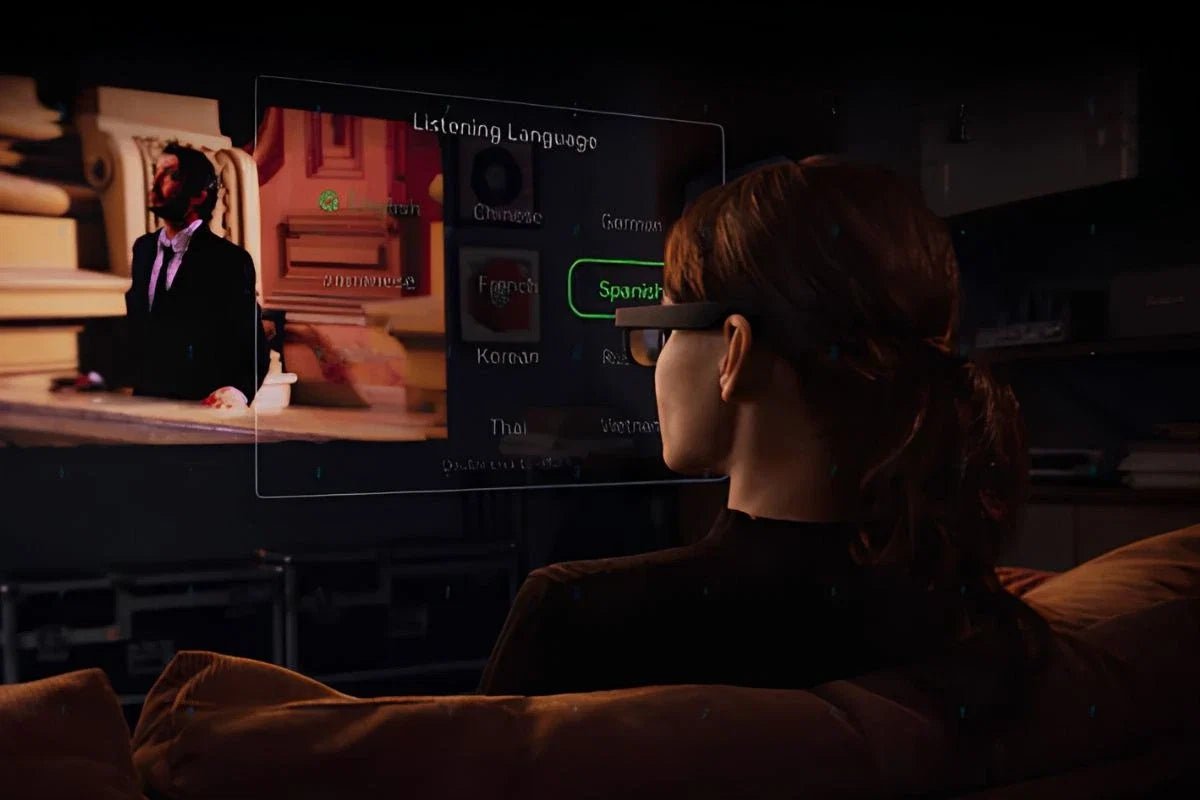
Smart glasses are transforming the way people interact with digital information by combining wearable technology with hands-free computing. From listening to music and capturing photos to displaying augmented reality (AR) content and providing AI-powered assistance, today's smart glasses are available in a wide range of forms and use cases.
This smart glasses wiki explains what smart glasses are, how they work, their history, the different types available, and the applications they support across consumer, enterprise, and healthcare settings. It also explores the core technologies behind these devices and highlights recommended smart glasses to help you better understand the latest innovations in AI and AR eyewear.

Smart glasses are wearable devices that integrate computing technology into eyeglass frames, adding hands-free features such as audio, cameras, sensors, or heads-up displays. Unlike traditional glasses, they combine connectivity and onboard or smartphone-powered processing to deliver real-time information and interactive experiences directly to the wearer.
Smart glasses have evolved from early computerized graphics into the sophisticated AI wearables of today:
Smart glasses work by combining sensors, processing, and display technologies to deliver hands-free digital experiences.
The physical architecture typically includes microphones for voice commands, frame-mounted speakers, IMUs (motion sensors) for head tracking, and wireless connectivity such as Bluetooth or Wi-Fi.
Modern displays utilize two primary methods to show information:
Users interact with smart glasses through voice assistants, touch-sensitive controls on the temples, motion sensors, gestures, and, on some models, companion devices such as smartwatches.
Smart glasses are available in several categories, each designed to meet different user needs, features, and use cases.
Audio smart glasses feature open-ear speakers built into the frames, allowing users to listen to music, make hands-free calls, and interact with voice assistants while remaining aware of their surroundings.
Camera smart glasses include built-in cameras that enable users to capture photos and record point-of-view (POV) videos without holding a smartphone. They are commonly used for hands-free content creation, social media, and documenting everyday activities.
HUD (Heads-Up Display) smart glasses project transparent text, notifications, or user interface elements into the wearer's field of view. They are often used for real-time translation, navigation, teleprompting, and quick access to information while keeping users focused on their surroundings.
AR virtual screen glasses create the experience of viewing a large, high-resolution virtual display through compact eyewear. They are primarily designed for immersive entertainment, gaming, and productivity, providing a portable alternative to traditional monitors.
Mixed reality (MR) and virtual reality (VR) headsets deliver immersive spatial computing experiences by blending digital content with the real world or creating fully virtual environments. They are widely used for 3D design, professional training, collaboration, and interactive simulations.
Thanks to their combination of sensors, connectivity, and intelligent software, smart glasses are used across many industries and everyday scenarios.
For everyday users, smart glasses provide real-time translation, heads-up navigation, immersive virtual displays for media consumption, hands-free content capture, and open-ear audio that allows users to hear their surroundings while listening to music.
In professional settings, smart glasses support hands-free workflows by displaying checklists for field work, showing meeting notes or live transcripts, and providing teleprompter-style prompts during speeches or presentations.
Specialized models can monitor vital signs like heart rate or assist those with vision impairments. Some models assist people who are blind or have low vision by improving their awareness of the surrounding environment.
Whether you need an AI-powered assistant or an immersive virtual display, RayNeo offers smart glasses designed for different AR experiences.
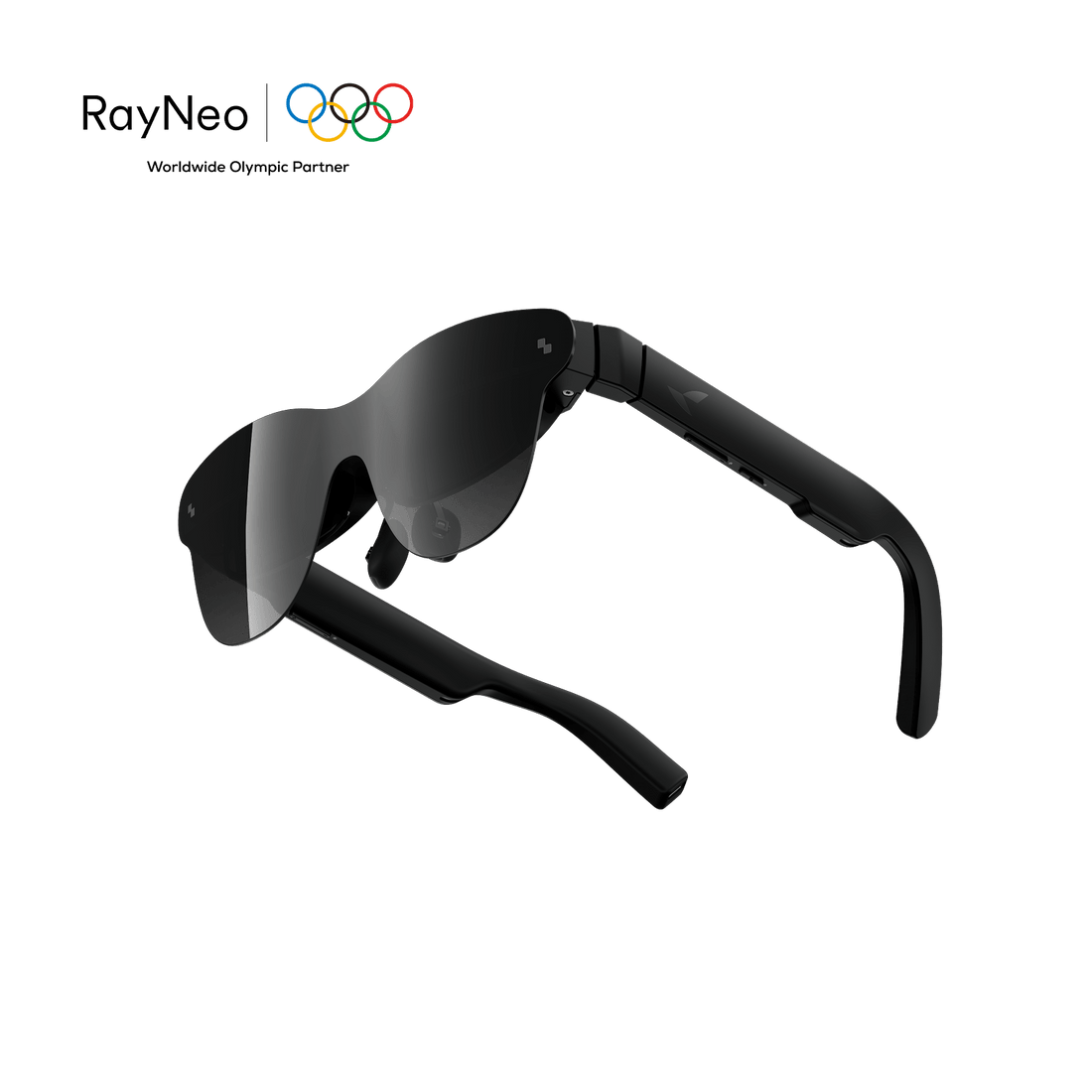
The RayNeo X3 Pro AI+AR Smart Glasses combine Google Gemini-powered AI with a full-colour MicroLED AR display. AI features support real-time translation, information access, and task assistance, while the AR system displays navigation, notifications, and compatible apps directly within the user's field of view.
Key Features:

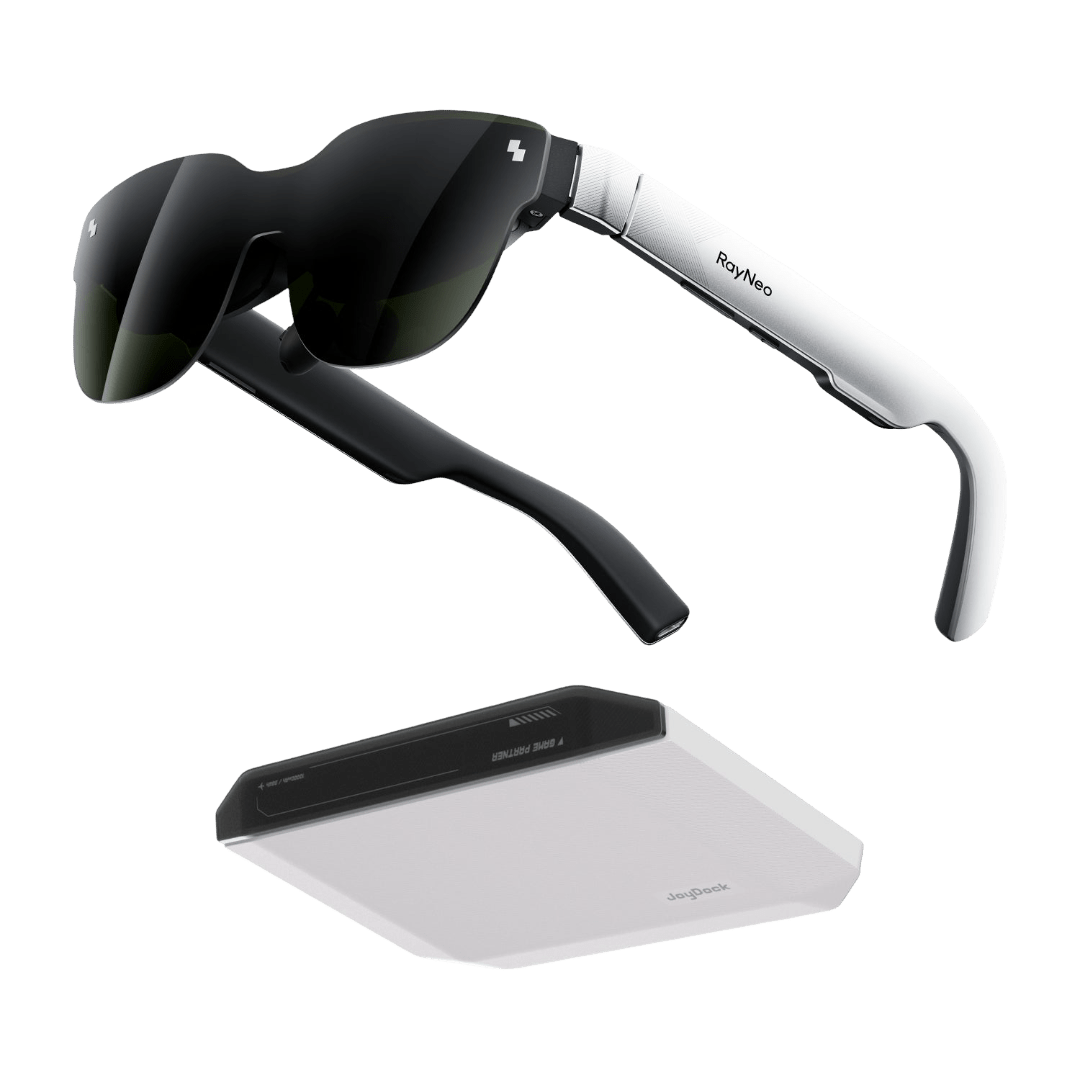
The RayNeo Air 4 Pro AR Glasses project a 201-inch virtual screen for watching movies, gaming, and working on connected devices. The HDR10 Micro-OLED display delivers vivid colours and deep contrast, while the 120 Hz refresh rate provides smooth visuals. Weighing 76 grams, the glasses offer a lightweight, portable alternative to a traditional monitor or television.
Key Features:

This smart glasses wiki has explored how smart glasses have evolved into versatile wearable devices for communication, productivity, entertainment, and augmented reality experiences. From understanding how they work and the different types available to exploring their real-world applications and recommended RayNeo models, this guide provides a comprehensive overview of modern smart eyewear. As AI, augmented reality, and wearable computing continue to evolve, smart glasses are expected to play an increasingly important role in both everyday life and professional environments.
Smart glasses act as wearable computers, providing hands-free digital features. Depending on the specific type, they can play music, handle phone calls, and access voice assistants. Models with cameras allow for POV photo and video capture. Display-focused versions provide visual overlays for real-time translation, navigation cues, and teleprompting. Additionally, some specialised models can monitor vital signs like heart rate or assist those with vision impairments
Smart glasses primarily connect to the internet through Bluetooth pairing with a smartphone. While certain models feature integrated Wi-Fi for direct connectivity, many devices rely on the phone's data connection via a companion app. Direct Wi-Fi is often necessary when using cloud-based AI services or performing wireless transmissions of high-definition media.
In 2026, most smart glasses still depend on a phone for heavy processing, connectivity, and app management. Categories such as audio-only, camera, and display glasses are typically phone-tethered via Bluetooth. While some basic features might function independently, companion apps are usually required for initial setup and accessing critical digital features.





Share:
7 Smart Glasses Benefits That Make Everyday Tasks Easier
Best Smart Audio Glasses for Calls, Music & Daily Wear (2026 Guide)