

$429.00

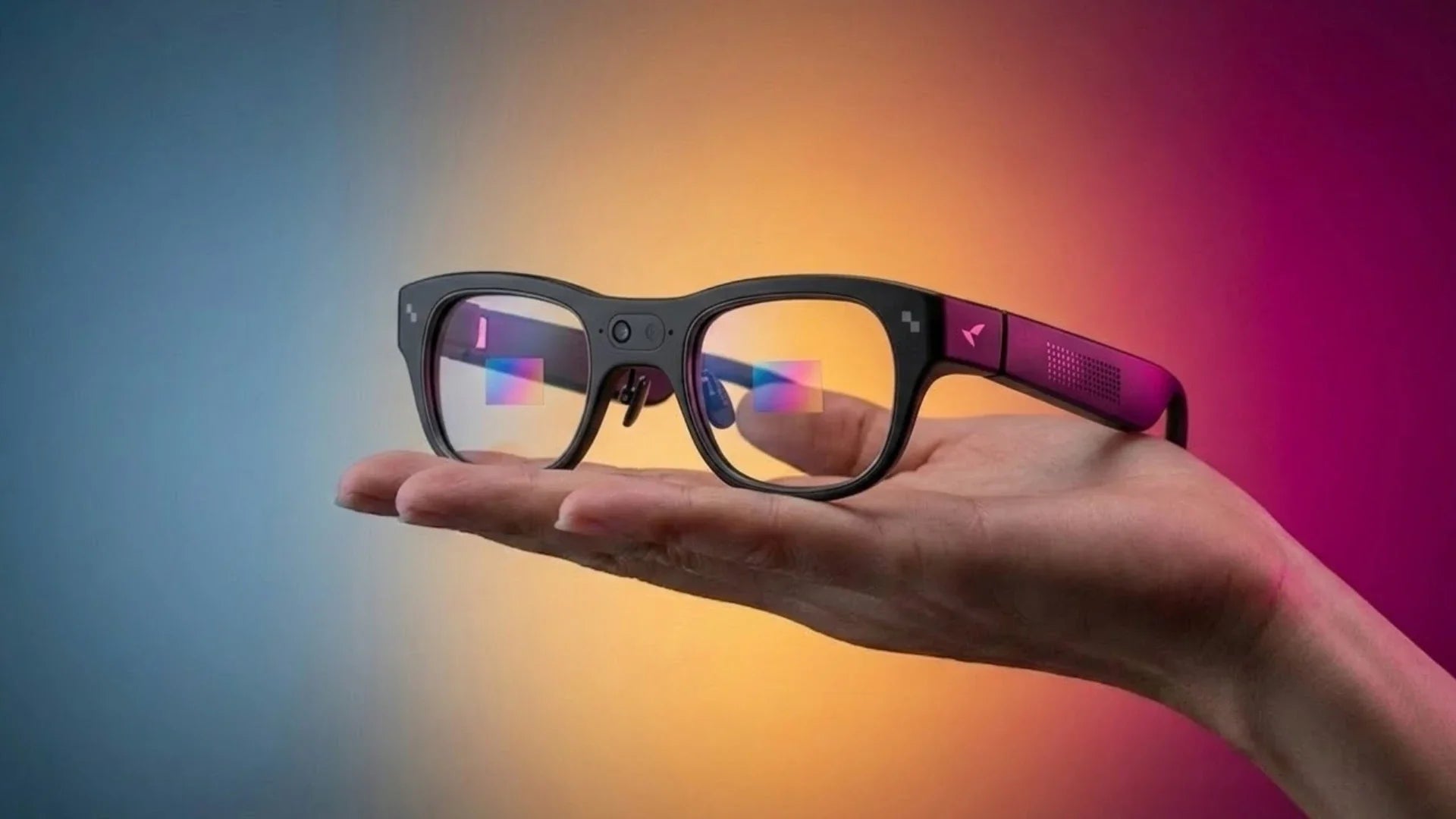
What makes smart glasses comfortable and flattering for a smaller face or narrower nose bridge comes down to a specific set of physical factors, not a men's-versus-women's frame split: total weight, how that weight is balanced between the front and the temples, and how many positions the nose pads and temple tips adjust to. RayNeo's current lineup, the Air 2s, Air 3s Pro, Air 4 Pro, and X3 Pro, publishes real numbers on most of these, including a 46.7% front / 53.3% rear weight split on the Air 3s Pro and a 14×7mm eyebox RayNeo says covers roughly 93% of interpupillary distances, even though neither RayNeo nor any other major smart glasses brand currently ships a frame line marketed specifically for women.
This guide walks through what those comfort factors actually look like across RayNeo's current lineup, plus what independent reviewers have said about fit in practice, since spec sheets and real-world wear don't always agree. It's a close look at RayNeo's own current models on those factors, not a scored comparison against every smart glasses brand on the market.
Traditional eyewear brands often size and market frames separately for men and women, based on differences in average lens width, bridge width, and temple length. Smart glasses haven't caught up to that yet. Across the category, one guide focused on fitting smart glasses to smaller faces put useful reference numbers on it: a lens width around 48 to 52mm, a bridge width around 16 to 19mm, and a temple length around 135 to 140mm tend to work best for smaller heads, with rounder or oval frame shapes generally fitting narrower faces better than larger, angular ones.
RayNeo's product pages don't publish those specific millimeter measurements for its Air or X3 Pro frames. What they do publish is overall weight, adjustability range, and (for some models) front-to-rear weight balance, which is a reasonable stand-in if you can't try a pair on in person first.
If you already know your regular glasses run small (narrow bridge, shorter temple arms fit better), that's worth keeping in mind before buying any current smart glasses sight unseen. None of the models below come in more than one frame size. What varies between them is how much the nose pads and temple tips can be repositioned after the fact, not the overall size of the frame itself, so adjustment specs are about fine-tuning fit, not a substitute for a size range.
A few details don't show up on a spec sheet but come up often the first time someone tries these on.
Temple arms on all four models rest directly against the scalp behind the ear, the same way sunglass temples do. If you regularly switch between wearing your hair up and down, it's worth testing the fit both ways, since a ponytail or bun sitting right where the temple arm rests can change how snug the glasses feel over a few hours.
Clamping grip also depends on friction against the skin, so heavier moisturizer or oil-based makeup near the temples can make a frame slide more than it would on bare skin. That's worth accounting for if you're judging fit right after doing your makeup versus first thing in the morning.
On eye spacing, the Air 3s Pro's published 14×7mm eyebox is the most concrete number in the lineup: RayNeo describes it as covering roughly 93% of interpupillary distances without extra adjustment, which is the closest thing to a documented answer for anyone concerned about a narrower or wider eye spacing than average.
RayNeo backs every order with a 30-day return window from confirmed delivery, so if the fit ends up wrong once the glasses arrive, you have time to send them back in original condition with all accessories and packaging included. For a simple change-of-mind return, return shipping is covered by the buyer, a detail worth factoring in before ordering a model you haven't tried on in person.
Four things determine comfort more than anything else, and they're the same four things worth checking regardless of face shape or gender.
Total weight. RayNeo lists all four of its current models (Air 2s, Air 3s Pro, Air 4 Pro, and X3 Pro) at approximately 76 grams. That's meaningfully heavier than a typical pair of plastic sunglasses, which usually land somewhere between 20 and 30 grams, so expect more presence on your face than you're used to from regular eyewear.
Front-to-rear weight balance. This matters more than raw weight alone. RayNeo's own figures for the Air 3s Pro describe a 46.7% front / 53.3% rear weight split, aimed at keeping the frame from sliding down the nose over hours of wear. In practice, that balance is what determines whether you're constantly pushing the glasses back up during a movie or a long call, or forgetting they're on your face.
Clamping force. Both the Air 2s and Air 3s Pro carry RayNeo's claim of 15% less clamping force than earlier RayNeo AR glasses designs. Less clamping force means less pressure at the temples over a multi-hour session, the kind of ache you'd otherwise feel behind your ears after watching a full movie.
Nose pad adjustability. These figures describe how many discrete positions the nose pads and temple tips can be set to on a single fixed-size frame, not different frame sizes to choose between. The Air 2s uses what RayNeo calls a 9-point FlexiFit system, meaning 9 adjustable positions across the temples and nose pad. The Air 3s Pro offers 9 levels of temple adjustment and 3 levels of nose pad positioning. The Air 4 Pro ships with a 9-way adjustment system and multiple nose pad sizes, including large-size pads in the box. More adjustment points generally mean a better shot at a comfortable fit without needing to try the exact frame in a store first, though it's not a guarantee (more on that below).
This is the question that changes the answer the most, and it's worth settling before comparing models.
The RayNeo Air 2s, Air 3s Pro, and Air 4 Pro all connect over a wired USB-C cable to your phone, PC, or game console. There's no Bluetooth or standalone mode. That means "everyday wear" for these three is really "long sessions while tethered", think a multi-hour flight, an evening of gaming, or working from a virtual monitor at a desk, not wearing them out to run errands the way you'd wear sunglasses.
The RayNeo X3 Pro is the one model in the lineup that doesn't need a cable. It runs its own Snapdragon AR1 chip, has its own battery, and connects to your phone over Bluetooth 5.3 and Wi-Fi 6, so it's the only option here you could actually wear around during a normal day away from a tethered device. The trade-off is battery life: RayNeo's own figures put passive, intermittent use at roughly 3.5 to 5 hours. On continuous camera recording specifically, RayNeo's official spec page lists 36 minutes on the 245mAh battery, while at least one independent review clocked continuous recording closer to 30 minutes. The two numbers don't fully agree, so treat continuous recording time as landing somewhere in the 30-to-36-minute range rather than an exact figure. If you want to wear smart glasses the way you'd wear a normal pair from morning to night without recharging, none of these four currently do that.

So the practical split is: if "everyday wear" means long, comfortable sessions in one place, the Air series is built for that specifically (reduced clamping force, adjustable nose pads, engineered weight balance). If it means wearing them untethered while you're out, the X3 Pro is the only option, with a shorter runtime and different fit trade-offs covered next.
Spec sheets describe intent. Reviews describe what happened when someone actually wore the glasses for a few hours, and it's worth reading both.
A Gizmodo review of the Air 4 Pro noted the 76 grams felt evenly distributed on the shelf, but the reviewer, who described himself as having a larger nose bridge, ran into real discomfort with the standard nose pads: the plastic "didn't feel particularly ergonomic or forgiving." Switching to the large-size pads included in the box helped, but he still described the fit as "a little bit unnatural" over long periods, and noted that an imperfect fit also introduced slight blurriness at the edge of the display. His takeaway was that this is likely to depend heavily on individual nose shape rather than being a universal flaw, but it's a real data point if your nose bridge runs on the larger or narrower side of average. So if the out-of-box fit feels off, trying the alternate pad size first, before assuming the frame just isn't a match, is the practical move that same review points to.
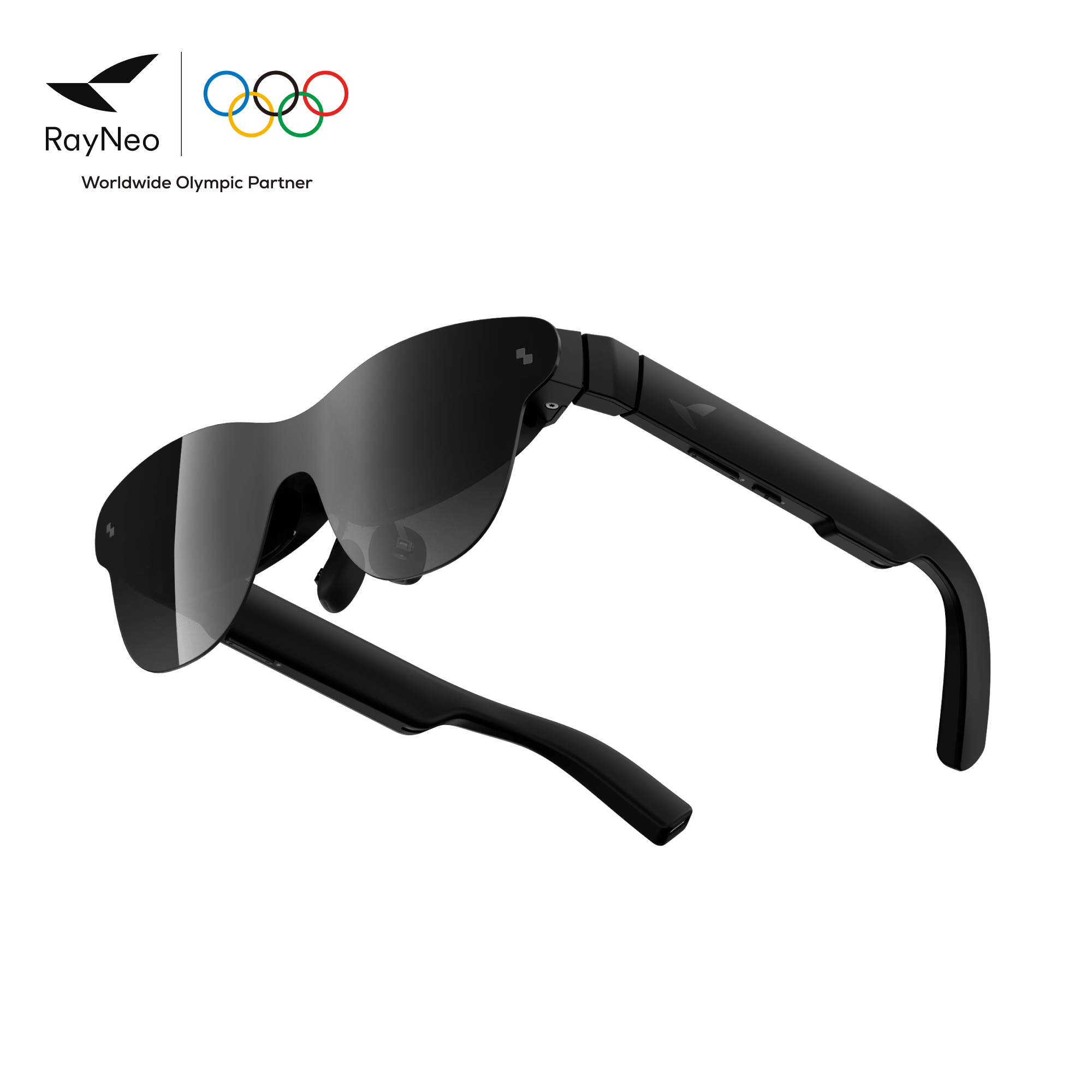
A separate review of the X3 Pro from Android Police found a different issue: short temple arms with relatively little grip at the sides, and a front-heavy weight balance that required perching the glasses low on the nose or pressing them against the bridge to keep the display aligned, even with the nose pads that ship in the box. That's a meaningfully different comfort profile than the Air series, and it lines up with the X3 Pro packing a camera, processor, and battery into the same 76-gram frame that the Air series uses just for a display and speakers.
Neither of these reviews is about face shape specific to gender. Both point to the same underlying reality: fit varies by individual nose bridge and head shape, and the adjustable nose pads help but don't eliminate that variation. Since RayNeo doesn't publish a temple-length spec for the X3 Pro, there's no way to know in advance whether the front-heavy balance one reviewer described will show up the same way on your face, which is exactly the kind of thing worth testing within the 30-day return window covered above rather than assuming it away.
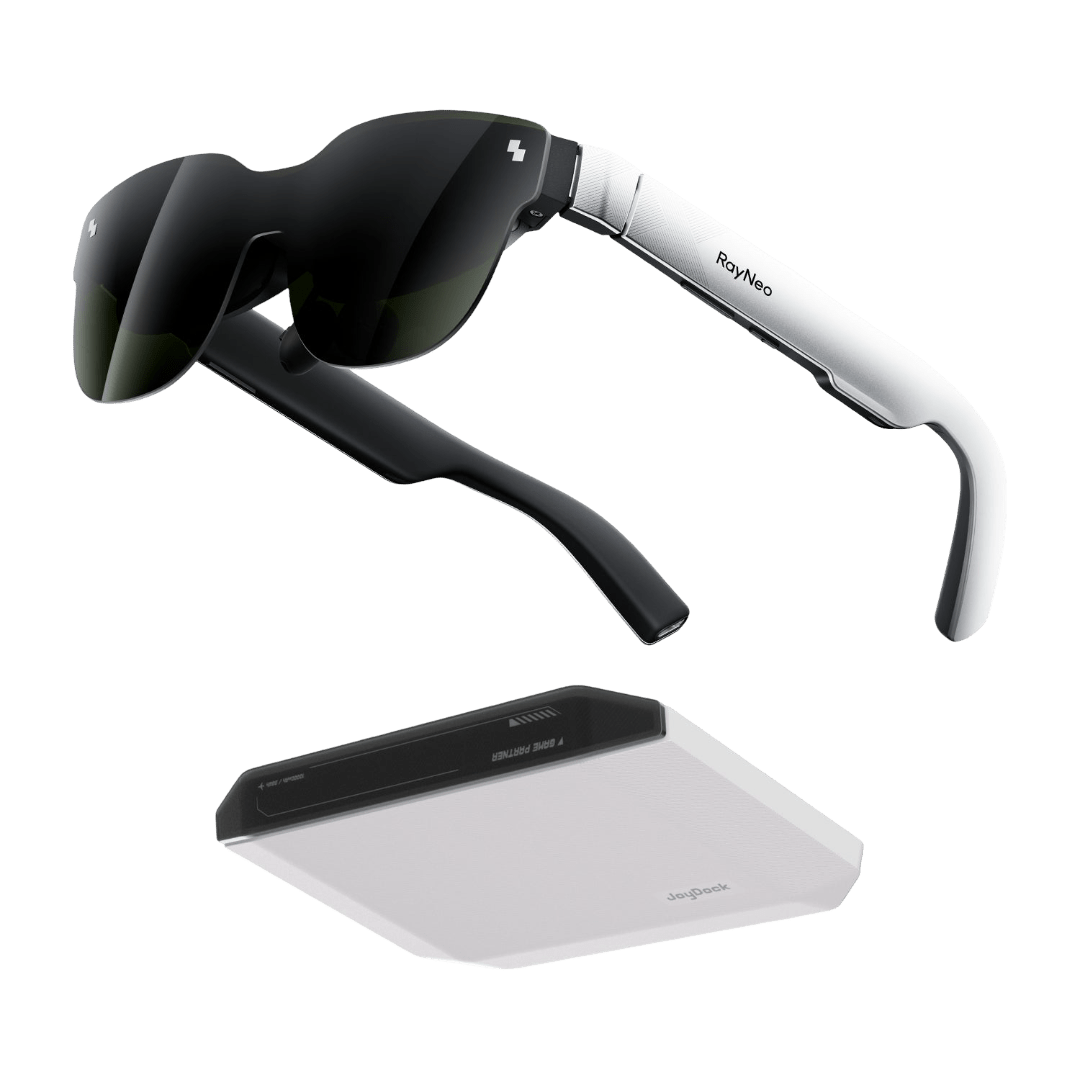
RayNeo's Air series is styled closer to sport sunglasses than to standard prescription eyewear: a single-piece plastic front with lenses built in, temple arms that hook over the ears the same way sunglasses do. Multiple reviews of the Air 2s, including from Laptop Mag, Tom's Hardware, and PhoneArena, describe the shape as reminiscent of a chunky, single-piece sport sunglass frame, with temple arms noticeably thicker than a typical pair of sunglasses to house the display and electronics, and a slight forward protrusion at the top of the frame where the projector and computing unit sit. It's a bold, sport-forward silhouette that reads as smart glasses at a glance rather than passing for plain eyewear, which is either a feature or a drawback depending on whether you want people to notice the tech.
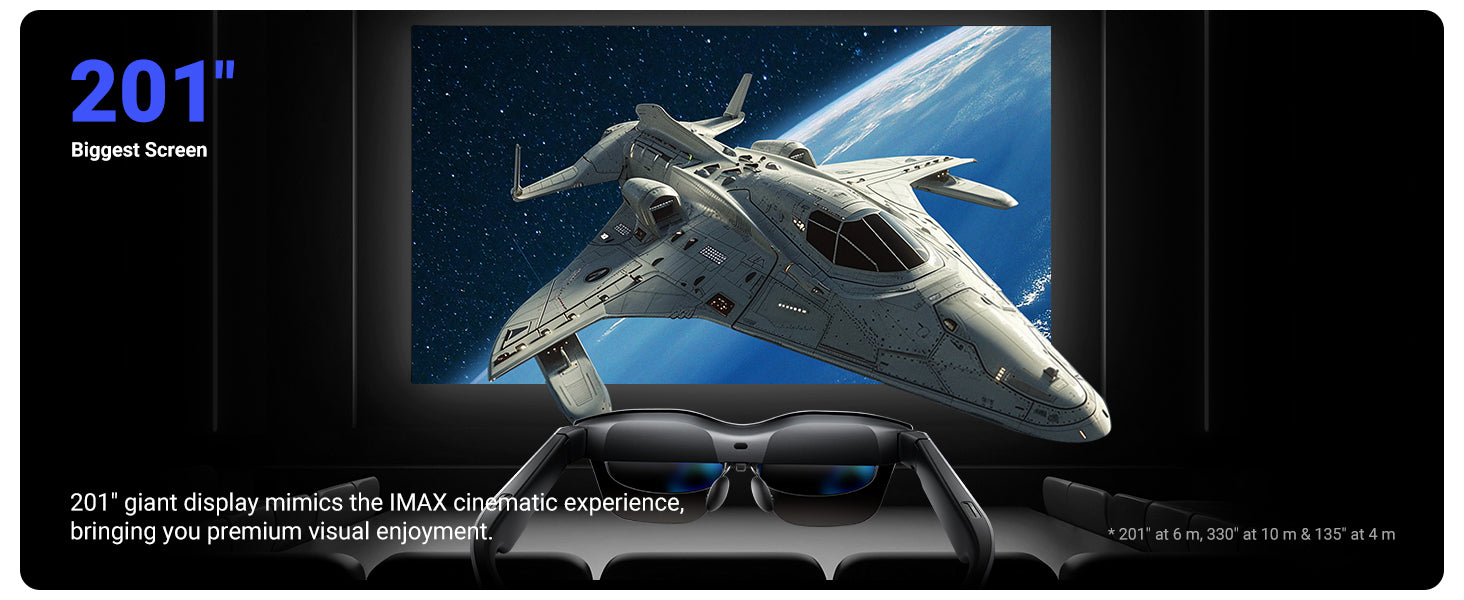
On color and style variety, RayNeo's current lineup is limited compared to how mainstream sunglasses or prescription eyewear brands typically operate. Outside of periodic limited-edition collaborations (RayNeo has released Batman-themed "Justice" and "Chaos" edition versions of the Air 4 Pro, priced slightly above the standard edition), the product pages don't list a range of everyday frame colors to choose between. If having several colorways or frame shapes to pick from is a top priority the way it would be with regular sunglasses, no current AR or AI glasses model, RayNeo's included, offers that kind of variety yet.
If you wear prescription glasses daily, this matters as much as weight or color:
| RayNeo Air 2s | RayNeo Air 3s Pro | RayNeo Air 4 Pro | RayNeo X3 Pro | |
|---|---|---|---|---|
| Weight | 76g | 76g | 76g | 76 ± 1g |
| Weight balance | Not separately published by RayNeo | 46.7% front / 53.3% rear (RayNeo's official figure) | Described as evenly distributed by an independent reviewer; RayNeo doesn't publish an exact front/rear split | Independent review reported a front-heavy balance despite the 76g total |
| Clamping force | 15% less than earlier RayNeo AR glasses (per RayNeo) | 15% less than earlier RayNeo AR glasses (per RayNeo) | Not given as a percentage on the product page | Not published |
| Nose pad / temple adjustment | 9-point FlexiFit (temples + nose pad) | 9 temple levels, 3 nose pad levels | 9-way adjustment system, multiple nose pad sizes including large included | One nose pad included per RayNeo's page; one independent review reported two sizes included |
| Connection | Wired USB-C only | Wired USB-C only | Wired USB-C only | Standalone (own chip, battery, Bluetooth 5.3 + Wi-Fi 6) |
| Prescription support | Lensology clip-on lenses | Lensology lenses, 14×7mm eyebox | Lensology inserts; sample prescription frame in box (earlier materials cited a magnetic frame rated to 1000° myopia; that figure isn't on the current product page, so go with the live listing) | Lens partners, nearsighted correction (range varies by region) |
| Frame color options | Not specified on the product page beyond the standard version | Not specified on the product page beyond the standard version | Standard Edition plus limited-edition Justice/Chaos designs | Not specified on the product page beyond the standard version |
| Price (at time of writing) | $159 (sale) / $299 list | $299 | $299 list price, $254.15 current sale price (both shown directly on RayNeo's official product page) | 1, 299(1,099 early-bird has been offered) |
Prices, promotions, and connectivity details are based on RayNeo's official product pages as of August 2026 and are subject to change. Confirm current pricing and specs on rayneo.com before purchasing.
Does RayNeo make smart glasses specifically designed for women? Fit on RayNeo's current lineup comes from adjustability rather than a separate frame line. All four models (Air 2s, Air 3s Pro, Air 4 Pro, X3 Pro) ship in one standard frame and color scheme, but each uses multi-position nose pads and temple tips, up to 9 adjustment points on some models, to fit a range of face sizes rather than relying on a men's-versus-women's split. RayNeo doesn't currently market a dedicated women's frame, so if your face runs smaller or your bridge runs narrower, the adjustment range above is what to check before buying rather than a separate size option.
Which RayNeo model is most comfortable for a smaller face or narrower nose bridge? There's no RayNeo model verified specifically for smaller faces, since none of the product pages publish lens width or bridge width measurements. What is documented is adjustability: the Air 3s Pro offers 9 temple levels and 3 nose pad levels with a published 46.7/53.3 weight balance, and the Air 4 Pro ships with multiple nose pad sizes including a large option. If your regular glasses run narrow, testing the nose pad range in person before committing is worth the extra step.
Can I wear any RayNeo smart glasses like regular glasses without connecting them to a phone or computer? Only the X3 Pro. It's RayNeo's one standalone model, with its own processor, battery, and wireless connectivity. The Air 2s, Air 3s Pro, and Air 4 Pro all require a wired USB-C connection to a phone, PC, or console to function, so they're built for long sessions in one place rather than being worn while out and about.
Do RayNeo glasses come in different colors or styles? RayNeo's everyday lineup ships in one standard color and frame shape per model, alongside periodic limited-edition designs, like the Batman-themed Justice and Chaos editions of the Air 4 Pro. Color and style variety across multiple frame shapes, the way mainstream sunglasses brands offer it, isn't part of the current lineup, so if that variety matters more to you than the tech inside, it's worth knowing going in.
What if I already wear prescription glasses daily? Every current RayNeo model has some form of prescription support through its Lensology partnership, but the approach differs by model: clip-on lenses on the Air 2s, a wider eyebox lens option on the Air 3s Pro, a Lensology insert plus a sample prescription frame in the box on the Air 4 Pro, and region-dependent lens partner options on the X3 Pro. Earlier materials described the Air 4 Pro's prescription frame as magnetic and rated for up to 1000 degrees of myopia; that detail isn't on the current product page, so go with what's listed on the live page (or ask RayNeo support directly) rather than the older figure. Since the X3 Pro's diopter range and partner availability vary by region, checking your specific prescription coverage at checkout is the more reliable step there.
Will wearing my hair up or down change how these glasses fit? It can, since the temple arms rest directly against the scalp behind the ear rather than at one fixed spot. RayNeo doesn't publish separate fit data for hair up versus down, so if you regularly switch styles, testing the fit both ways within the 30-day return window is a more reliable way to know than relying on the spec sheet alone.
What if my interpupillary distance (IPD) is outside the average range? RayNeo publishes an IPD coverage figure for only one model: the Air 3s Pro's 14×7mm eyebox, described as covering roughly 93% of users without adjustment. None of the other three models list a comparable number, so if you know your IPD runs notably narrow or wide, the Air 3s Pro is the one model with a documented figure to check against, and testing fit early within the return window is the safer bet for the other three.
If you're choosing based on "does it look good," the honest answer is that RayNeo's current lineup, and current smart glasses generally, look more like sport sunglasses with a visible tech component than like a normal pair of eyewear you could disappear into. If you're choosing based on "will it stay comfortable," the more useful comparison isn't between men's and women's design, since that category doesn't really exist yet in smart glasses; it's between how much a given model lets you adjust nose pads and temples, how the weight is balanced front to back, and whether you're willing to test the fit against your own nose bridge before committing to hours of wear.
If comfort and fit are the deciding factor for you, the most reliable next step is to check the specific model's product page directly for its current adjustment specs, prescription options, and pricing, then use the 30-day return window as your safety net if the fit isn't right once the glasses arrive: Air 2s, Air 3s Pro, Air 4 Pro, X3 Pro.





Share:
8 Real-Life Scenarios for Camera Glasses That Record Hands-Free (2026 Guide)
Which Camera Glasses Record the Best Video?