

$429.00


Google has now given us a much clearer picture of what Android XR smart glasses will look like. Rather than one universal design, the platform is expanding into both audio glasses for spoken Gemini assistance and display glasses that can put useful information in your line of sight.
The first audio models are scheduled to arrive in fall 2026, with hands-free features such as navigation, translation, messaging, photos, app access, and contextual AI already demonstrated. In this guide, we’ll explain how Android XR eyewear works, what Gemini adds, how audio and display models differ, and what current AR glasses can—and cannot—offer as alternatives.

Android XR smart glasses are AI-powered wearable devices that combine Google's Android XR platform with extended reality (XR) technology to provide hands-free access to digital information. Depending on the model, they can display visual content in the lens or deliver AI assistance through voice interactions using built-in cameras, microphones, and speakers.
Powered by Gemini AI, these glasses support tasks such as navigation, live translation, messaging, and contextual assistance. Some models also project a private display within your field of view, making it easier to watch videos, follow directions, or access information without constantly checking your phone.
By blending AI with wearable technology, Android XR smart glasses help you stay connected, productive, and aware of your surroundings while traveling, commuting, or working.
Before exploring the individual features, it's helpful to understand how Google Android XR smart glasses integrate AI and extended reality. These glasses combine cameras, sensors, microphones, speakers, and advanced software to deliver hands-free assistance, contextual information, and immersive visual experiences in real time.
Android XR glasses are designed for hands-free operation. You can activate AI features using voice commands or control key functions by tapping the touch-sensitive areas on the temples.
Some Android XR glasses feature an in-lens display that privately shows helpful information, such as directions, translations, and notifications. When paired with Gemini AI, the glasses can understand what you see and hear, providing context-aware assistance and relevant information throughout your day.
Android XR glasses pair with your smartphone to access compatible apps, notifications, and other connected features without taking your phone out of your pocket. Depending on the model, they may also support input from paired devices, offering a more convenient, connected, hands-free experience.
The real advantage of Google XR smart glasses devices comes from Gemini AI. By combining advanced artificial intelligence with wearable technology, these glasses can understand your surroundings, respond naturally to requests, and provide helpful information exactly when you need it.
Gemini AI gives Android XR glasses the ability to understand what you're looking at and provide relevant information in real time. Powered by the Android XR platform, the glasses can analyze your surroundings, answer questions about nearby objects, and deliver contextual assistance while supporting compatible Android apps.
Smart glasses Android can display turn-by-turn directions directly in your field of view, making navigation more convenient while keeping your hands free. They also provide real-time information about nearby places, helping you explore new areas, find destinations, and move around with greater confidence.
Gemini AI enables Android XR AI glasses to translate spoken conversations in real time by displaying subtitles directly in the lens. This feature helps users communicate across different languages more naturally, making travel, meetings, and everyday conversations easier and more accessible.
Gemini AI enables natural, hands-free conversations through the glasses' built-in microphones, speakers, and cameras. By understanding both your voice and what the cameras see, it can answer questions, retrieve relevant information, and respond in real time without requiring you to use your phone, allowing you to stay focused on what you are doing while keeping your hands free.
Android XR glasses let you capture photos and videos using built-in cameras, then edit images with Gemini AI using simple voice commands. You can remove unwanted objects or change parts of a scene, with AI-generated edits processed after the original image is saved.
Android AI glasses can handle multi-step requests by combining voice commands, visual understanding, and compatible apps. For example, it can identify landmarks, translate signs, summarize meetings, retrieve relevant information, and send messages in a single conversation, creating a more seamless hands-free experience than traditional smart glasses.
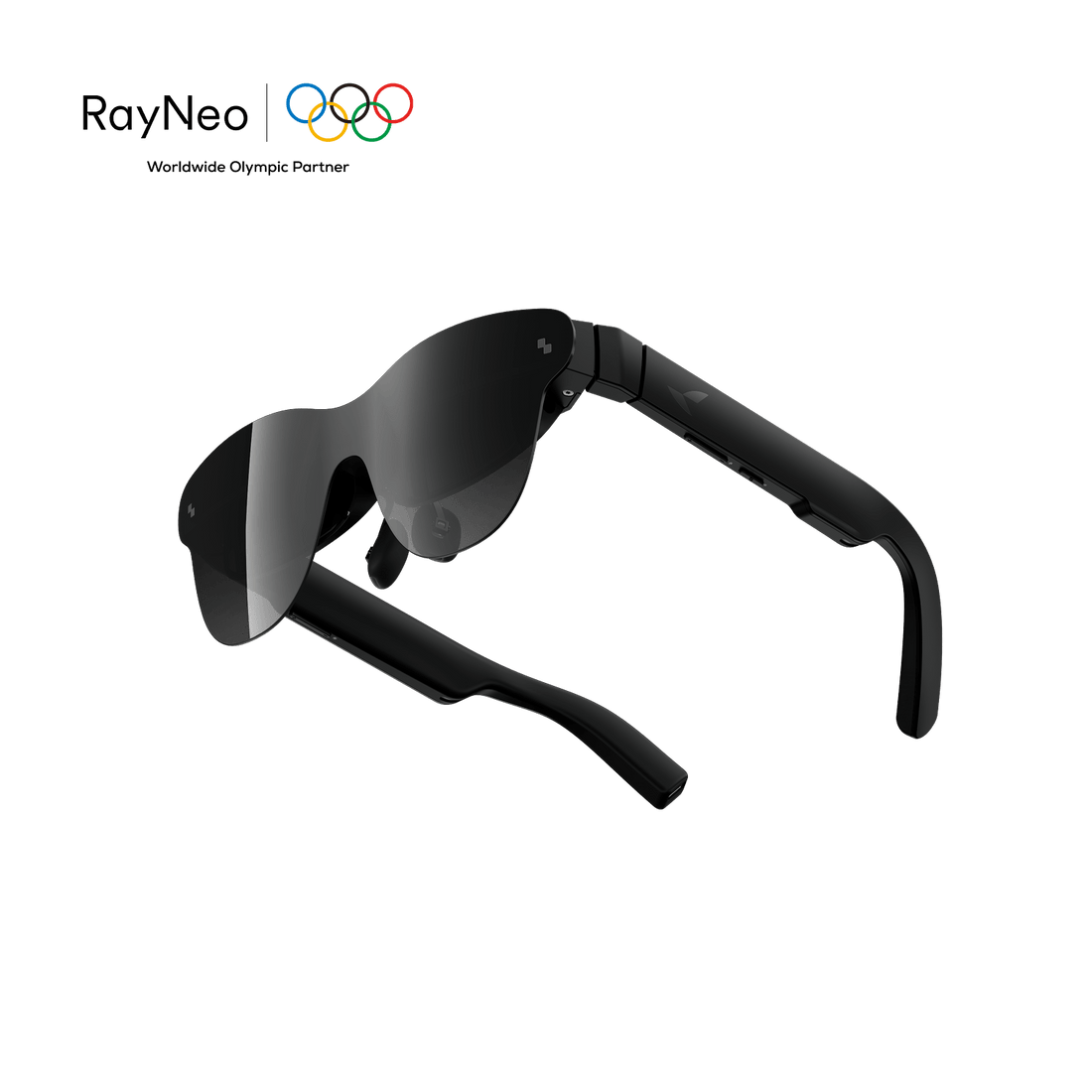
Android XR smart glasses are moving wearable technology toward more natural AI interaction, combining visual information, voice assistance, and hands-free experiences. RayNeo’s X3 Pro brings a similar AI+AR approach with display, translation, navigation, and contextual features built into one wearable.
The RayNeo X3 Pro AI+AR Smart Glasses are designed for users who want a more advanced AI and AR experience rather than a simple audio assistant.
Combining a Full-Color MicroLED display, Snapdragon AR1 platform, Gemini AI, and RayNeo AI OS, X3 Pro brings visual information, navigation, translation, and contextual assistance closer to everyday use.
Instead of relying only on voice responses, it uses a heads-up display to present information directly within your view, creating a more immersive wearable computing experience.
Here is what those features can add to everyday use:

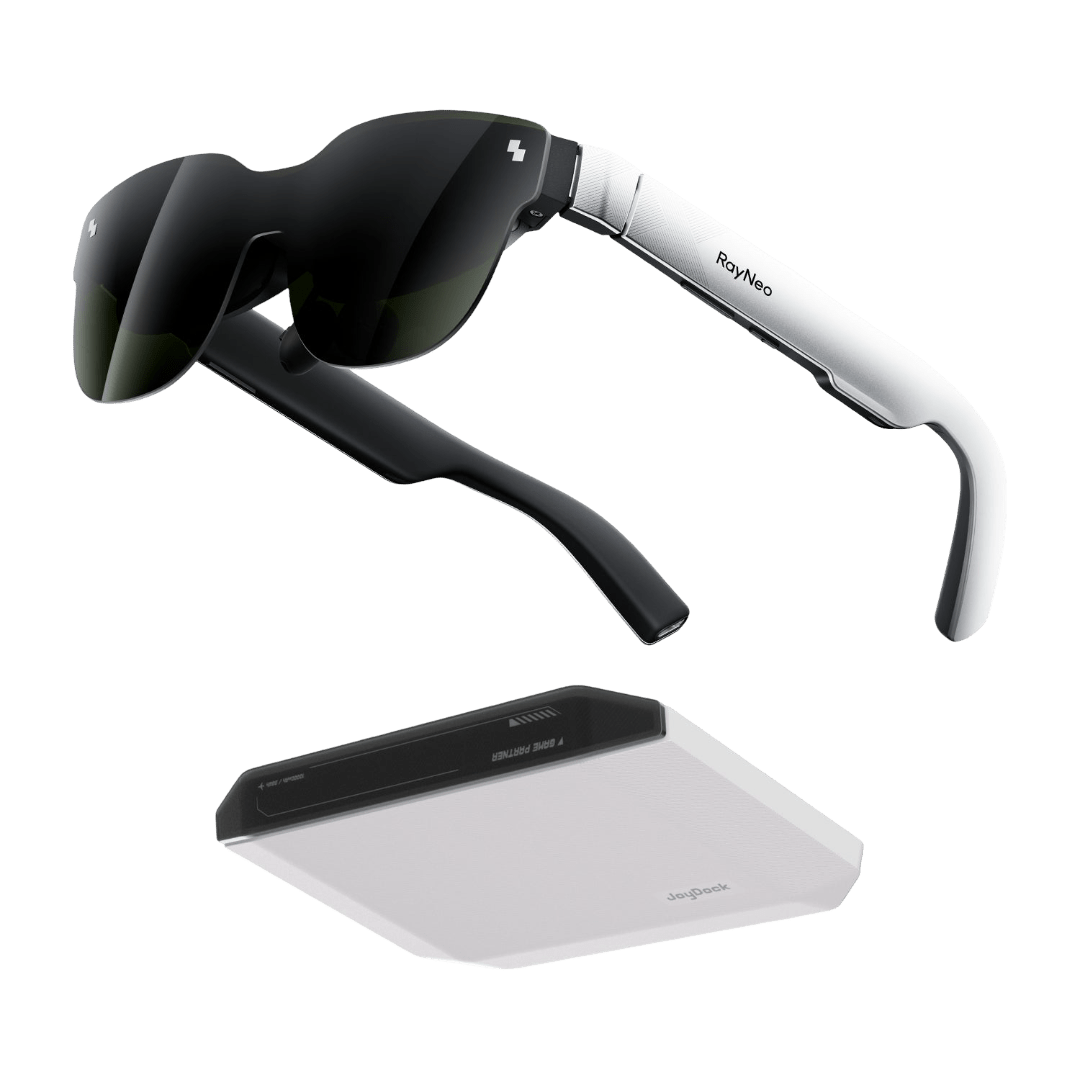
If your interest in XR glasses is mainly about having a private large screen rather than AI-powered assistance, the RayNeo Air 4 Pro AR Glasses offer a different type of experience.
They focus on wearable display technology, creating a large virtual screen for compatible smartphones, laptops, handheld consoles, and other devices. With a high-resolution display, HDR10 support, and a lightweight design, they are better suited for entertainment, gaming, and portable productivity than AI-driven interaction.
Here is what you can expect:

Android XR smart glasses show how wearable technology is moving beyond simple notifications and audio features toward more contextual, AI-powered experiences. By combining cameras, displays, sensors, and AI models, the next generation of smart glasses aims to make information more accessible while reducing the need to constantly look at a phone.
For users interested in this future direction, the right choice depends on the experience they want. AI+AR glasses such as RayNeo X3 Pro focus on visual assistance, navigation, translation, and interactive experiences, while display-focused XR glasses are better suited for private entertainment and portable screens.
Yes, many smart glasses with built-in microphones can record conversations, but whether it's legal depends on where you are. Some U.S. states require only one person's consent to record audio, while others require everyone's permission. Always check local privacy and recording laws before using audio recording or live transcription features.
Yes, many smart glasses can access the internet, but the connection method depends on the model. Most pair with a smartphone using Bluetooth to use its Wi-Fi or cellular connection. More advanced XR smart glasses may include built-in Wi-Fi or cellular connectivity, allowing them to browse online, stream content, and use cloud-based apps without a phone.
XR glasses are worth considering if you want a portable, private display for entertainment, work, or travel. Many models deliver sharp visuals, comfortable designs, and immersive viewing experiences. However, they can be expensive, and premium features may not justify the cost unless you'll use them regularly for productivity or media.





Share:
What Do AI Glasses Do? How They Work and Who They’re For
Smart Glasses for Deaf People: Features, Uses, and How to Choose