

$429.00

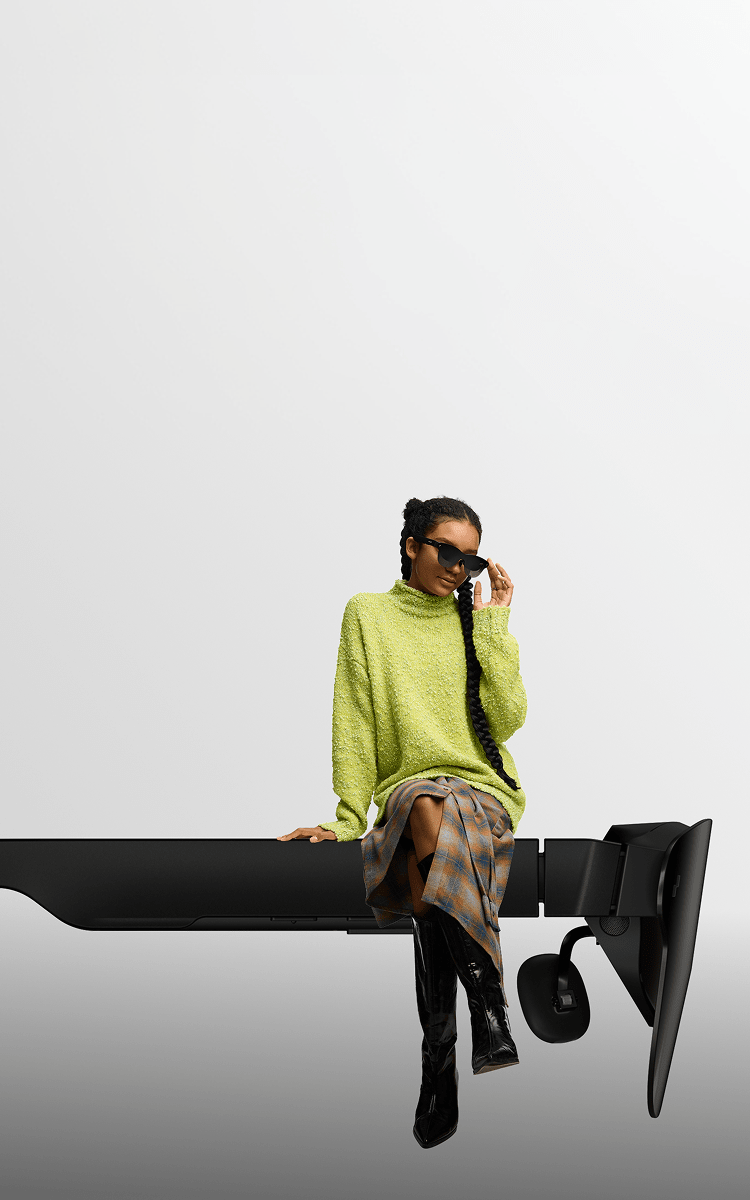
Every current RayNeo AI and AR glasses model, from the camera-equipped RayNeo X3 Pro down to the entry-level RayNeo Air 2s, can be paired with prescription correction through RayNeo’s optical partner, Lensology. None of them grind your prescription into the main lens the way regular eyeglasses do. Instead, each model uses a separate clip-in insert, or on one older model a sample lens taken to your own optician, that sits between your eye and the display or camera module.
Two different things get grouped under “AI glasses” when people search for this topic, and RayNeo’s own lineup spans both.
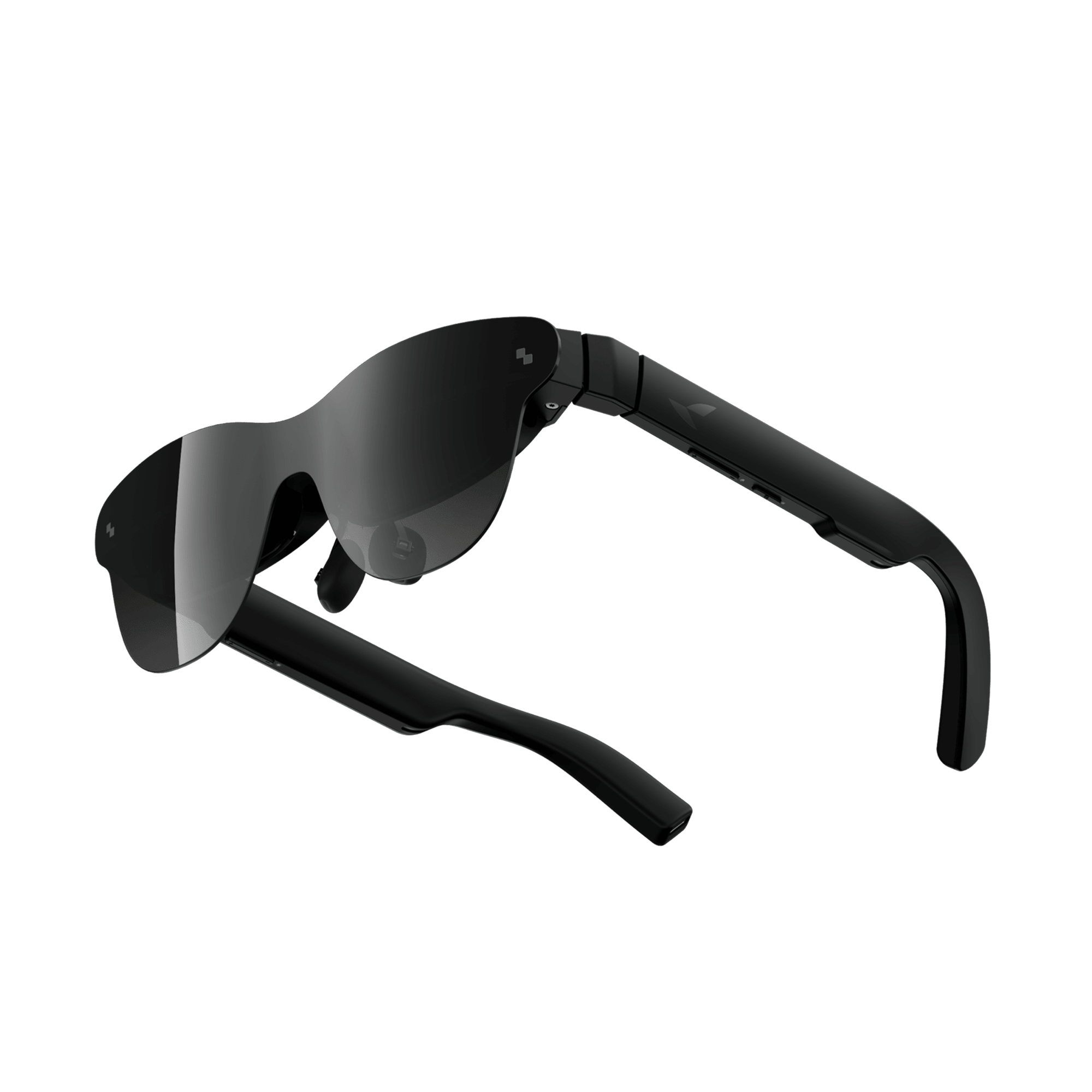
The RayNeo X3 Pro is the closest fit to what most people picture: a standalone pair of glasses with a built-in camera, an on-device AI assistant (Gemini-powered, for translation, navigation, and voice queries), and its own MicroLED display, all running without a phone tethered to it. RayNeo’s earlier X2 was the same category before it went out of stock.
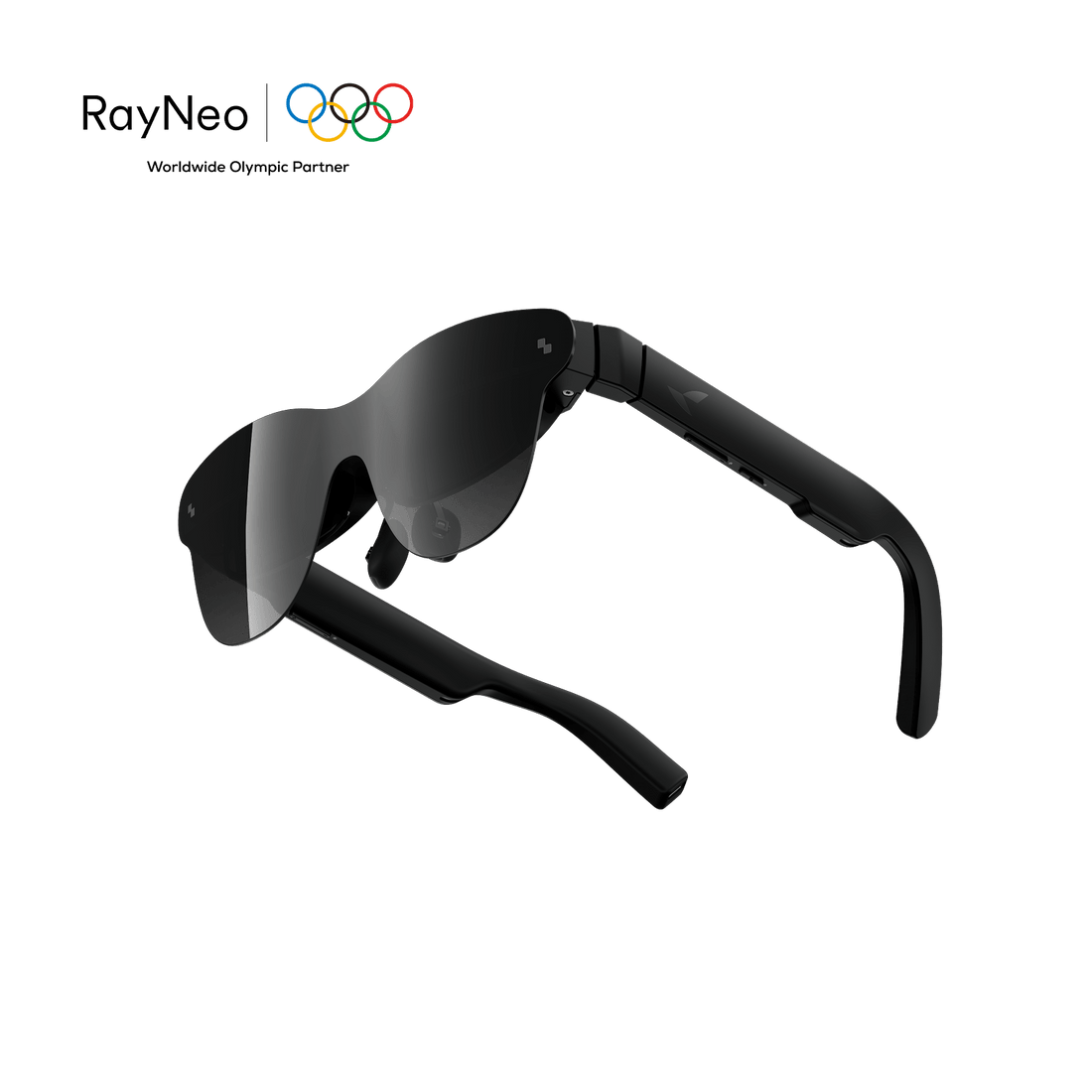
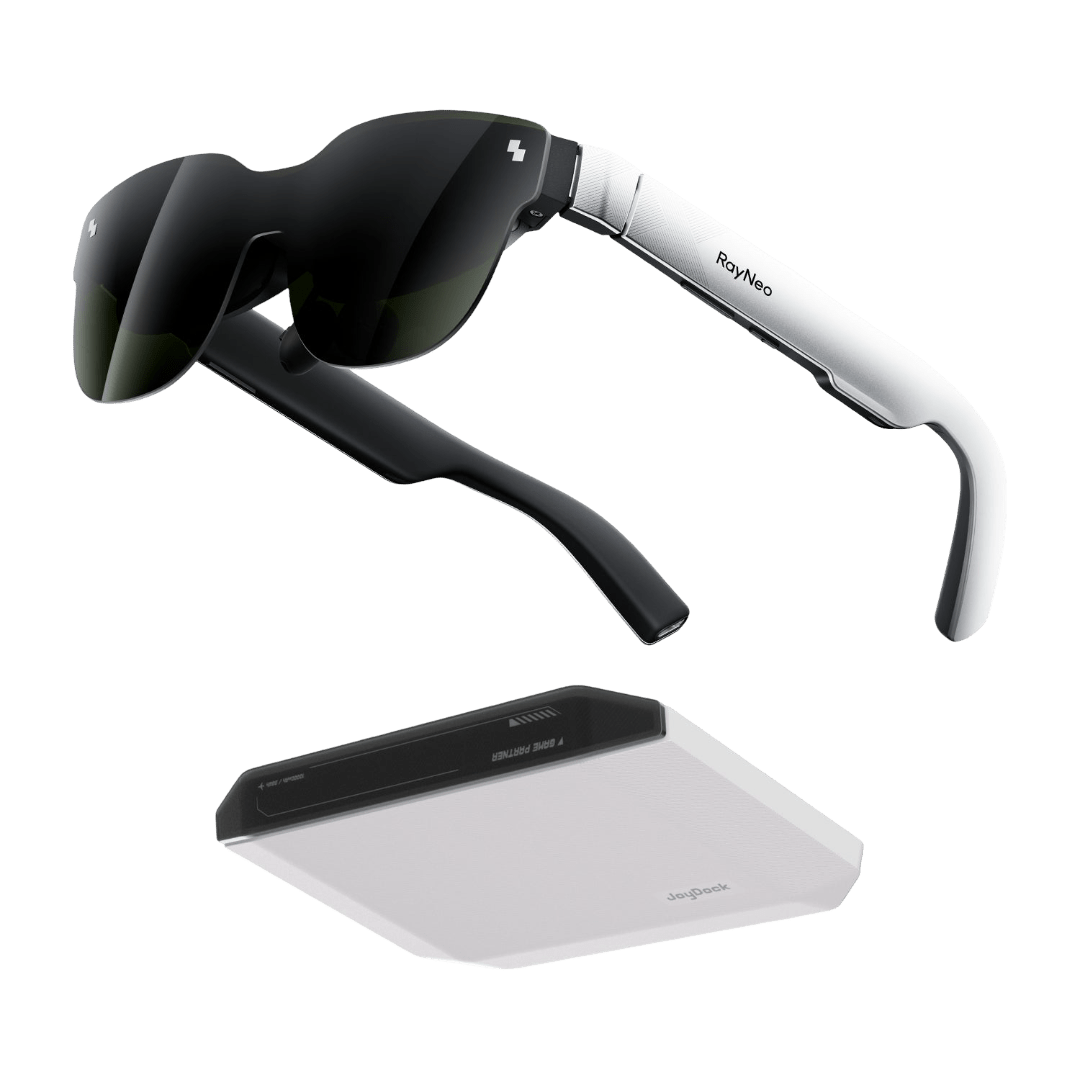
The Air 2s, Air 3s, Air 3s Pro, and Air 4 Pro are a different kind of product: AR display glasses with no camera and no standalone AI assistant. They plug into a phone, laptop, or game console over USB-C and project a large virtual screen, closer to a wearable monitor than a camera-and-assistant device. They still show up in “AI glasses” searches because RayNeo markets across both categories under one brand, and because many buyers are comparing all of them at once.
Both categories are covered below, since the prescription question applies to all of them, but it’s worth knowing which kind of product you’re actually comparing before you decide based on price or specs alone.
| Model | Category | Prescription method | Diopter range published | Ships with sample frame | Insert price (Lensology) | Current price |
|---|---|---|---|---|---|---|
| RayNeo X3 Pro | AI glasses (camera + assistant) | Clip-in insert via Lensology, ordered through a dedicated X3 Pro insert page | Not published by RayNeo or Lensology for this model | Not stated | From £95 | $1,099 (sale), $1,299 list |
| RayNeo X2 | AI glasses (camera + assistant) | Sample lenses in the box for a local optician, or contact Lensology directly | Not published | Yes, sample lenses included | From £79 | Sold out, no current price |
| RayNeo Air 2s | AR display glasses (no camera) | Clip-on lens via Lensology | Myopia 0 to -10.00D, astigmatism 0 to -2.00D (on RayNeo’s dedicated prescription-lens page) | Not stated | From £95 | $159 (sale), $299 list |
| RayNeo Air 3s | AR display glasses (no camera) | Clip-in Rx insert via Lensology | Myopia 0 to -10.00D, astigmatism 0 to -2.00D | Yes | From £95 | $269 |
| RayNeo Air 3s Pro | AR display glasses (no camera) | Clip-in insert via Lensology, 14×7mm eyebox | RayNeo’s page says it accommodates near- and far-sighted correction, without a published diopter number | Yes | From £95 | $299 |
| RayNeo Air 4 Pro | AR display glasses (no camera) | Clip-in insert via Lensology, marketed as “Prescription Lens Compatible” | Not currently published on the live product page | Yes | From £95 | $254.15 (sale), $299 list |
Prices and diopter figures reflect what was live on RayNeo’s and Lensology’s official pages as of August 29, 2026. Both companies update pricing and specs on their own schedule, so treat this table as a snapshot, not a guarantee, and check the linked pages directly before ordering. Glasses prices are listed in US dollars, RayNeo’s own currency, while Lensology’s insert prices appear in British pounds because Lensology is a UK-based optical lab that bills and ships each insert separately, directly from the UK, rather than through RayNeo’s own checkout.
RayNeo doesn’t handle this the same way across its whole lineup. There are really two paths, and which one applies depends on the model.
Clip-in inserts, ordered through Lensology. This covers five of the six models above: X3 Pro, Air 2s, Air 3s, Air 3s Pro, and Air 4 Pro. You send Lensology your prescription, they grind a small lens to match it, and it clips or snaps into the frame between your eye and the display (or, on the X3 Pro, the display and camera module). It’s a separate purchase from the glasses themselves, and it ships separately, sometimes directly from Lensology rather than through RayNeo’s own order and return process.
In practice, that means the order itself happens on Lensology’s site, not RayNeo’s checkout. Lensology’s general AR-glasses lens page lists all five supported RayNeo frames, and the X3 Pro has its own dedicated ordering page built specifically for that model. You pick your frame there, then provide your prescription details as part of that order, which is billed and shipped separately from the glasses themselves.
Each insert is built around the coatings and fit RayNeo and Lensology do document: anti-glare and anti-scratch coatings on the lens, cut to match the specific frame’s eyebox. Neither company publishes separate data on how the insert affects display sharpness, field of view, or edge distortion once it’s clipped in, since that level of optical detail isn’t part of either company’s published spec sheet for any of the five clip-in models. If that’s a deciding factor for you, hands-on testing or a direct question to Lensology’s optical team is the most reliable way to evaluate it for your specific prescription.
Sample lenses for your own optician, on the X2. RayNeo’s X2 product page describes a different route: prescription lens samples ship in the box, which you can take to a local optician to have customized, or you can contact Lensology directly instead. That’s a more flexible option, since it doesn’t lock you into ordering through one specific optical lab, but it also means more legwork on your end. It’s worth noting the X2 is currently sold out, so this option isn’t purchasable right now.
This same clip-in approach is common across the wider AR display category, not just RayNeo’s lineup. Camera-and-audio smart glasses that skip a built-in display entirely can often have their stock lenses swapped for real, ground prescription lenses through an authorized optical retailer, the same way a regular pair of eyeglasses gets new lenses. Once a display enters the frame, whether that’s an AR waveguide or a MicroLED panel like the X3 Pro’s, the optical engine takes up the space a full replacement lens would need, so a separate clip-in insert becomes the standard approach instead. That’s the constraint RayNeo works within on every model above, and it’s a hardware limitation shared across AR display glasses generally, not something specific to one brand.
The RayNeo X3 Pro is currently the only RayNeo model with a built-in camera and on-device AI assistant that’s actually in stock, and its insert fits between the display, the camera module, and your eye.

Its product page states plainly: “If you need prescription lenses, please visit our official prescription lens partner, Lensology, to order custom lenses separately,” with a direct link to a page Lensology built specifically for the X3 Pro. Lensology’s own page confirms it as a supported frame and describes the insert as clip-in (“ready to click into your X3 Pro glasses”). Unlike the Air-series pages, which quote exact myopia and astigmatism limits upfront, the X3 Pro’s diopter coverage gets confirmed directly with Lensology as part of the order, so if your prescription is on the higher end, that’s the place to get your specific numbers checked before ordering. At $1,099 on sale, the X3 Pro is also priced well above the rest of the lineup, and the insert is billed separately on top of that.
RayNeo’s earlier camera-and-AI model, the RayNeo X2, built around a 16MP camera and a Snapdragon XR2 chip, is currently listed as sold out on RayNeo’s own site.
Its product page still describes a prescription path though: sample lenses ship in the box for you to take to a local optician, or you can contact Lensology for guidance on the right degree for your prescription. Lensology’s own lens page also lists the X2 as a supported frame, without specifying the exact attachment type. If the X2 restocks, this is worth re-confirming at that time, since prescription support and pricing on discontinued-then-restocked hardware isn’t guaranteed to carry over unchanged.
The RayNeo Air 2s is RayNeo’s least expensive current AR display model, and it’s the one model whose diopter range is spelled out on RayNeo’s own dedicated prescription-lens purchase page.

Its product page describes “clip-on customizable myopia lenses from Lensology.” That purchase page is worth knowing about on its own: it’s the only page in RayNeo’s current lineup built specifically around ordering prescription lenses, rather than a product page mentioning them in passing. If you have no other model preference and just need confirmed, explicit diopter limits before you buy, this is the most direct source RayNeo publishes.
The RayNeo Air 3s states its prescription range directly on its own product page.
Its product page states: “Our official optical partner, Lensology, provides prescription lenses for these glasses for users with myopia between 0 and -10.00D and astigmatism between 0 and -2.00D.” A sample prescription-lens frame ships in the box, though the actual ground lenses are still a separate order through Lensology.
The RayNeo Air 3s Pro uses the same Lensology partnership, built around a 14×7mm eyebox that RayNeo says fits about 93% of users’ interpupillary distances without extra adjustment.
Its product page describes the Air 3s Pro, in the section RayNeo dedicates specifically to prescription support, as “engineered with full compatibility for prescription lenses, readily accommodating both near-sighted and far-sighted users.” That’s broader wording than the Air 3s uses, since it covers hyperopia as well as myopia, but RayNeo doesn’t pair it with a specific diopter number the way it does for the Air 3s’s myopia and astigmatism range.
By contrast, the Air 2s and Air 3s pages describe their diopter ranges as myopia and astigmatism specifically, with no mention of hyperopia. If you’re farsighted, the Air 3s Pro’s broader “near- and far-sighted” wording is the more relevant lead to follow up on, though it’s still worth confirming your exact numbers with Lensology directly, since RayNeo doesn’t pair that wording with a farsighted-specific diopter figure either.

The RayNeo Air 4 Pro adds HDR10 support and a 200,000:1 contrast ratio over the standard Air series.
Its “In the Box” listing confirms the sample prescription-lens frame directly. On its current product page, RayNeo links out to a Lensology page built specifically for the Air 4 Pro, where you provide your prescription details as part of the order. Lensology confirms your exact myopia, hyperopia, and astigmatism coverage at that point, rather than RayNeo publishing a general diopter ceiling upfront the way the Air 3s does. If a precise diopter number matters before you commit, that confirmation happens directly through Lensology’s Air 4 Pro ordering page.
You need the camera and AI assistant, and your prescription is moderate. The X3 Pro is the only current option, and Lensology confirms it as a supported clip-in frame. Since the exact diopter ceiling isn’t published, get that confirmed for your specific prescription before ordering.
You want the widest confirmed diopter range on paper, and you don’t need a camera. The Air 3s publishes exact numbers (myopia 0 to -10.00D, astigmatism 0 to -2.00D) directly on its own page and ships a sample frame, which makes it the most explicitly documented option in the current lineup.
You want the lowest entry price with confirmed prescription support. The Air 2s, at $159 on sale, is the cheapest current model, and it’s the one model backed by RayNeo’s dedicated prescription-lens purchase page with published diopter limits.
You want the newest display hardware and don’t mind confirming your exact prescription separately. The Air 3s Pro and Air 4 Pro both offer clip-in Lensology support and ship with a sample frame, but neither currently publishes a specific diopter ceiling on its own product page, so budget time to confirm your numbers with Lensology directly.
Does any current RayNeo model come with prescription lenses already built in, with no separate order needed?
Can I use the same prescription insert across different RayNeo models?
What happens if my prescription is outside the published diopter range?
Is the Air 2, the older non-“s” model, still supported?
Every current RayNeo AI and AR glasses model offers a route to prescription correction, but the method, the published diopter range, and the price all vary by model. The Air 2s and Air 3s are the two models with explicit, published diopter limits straight from RayNeo; the Air 3s Pro and Air 4 Pro ship a sample frame and link out to Lensology but don’t publish a specific number; and the X3 Pro, the only current camera-and-AI model, is confirmed as a supported Lensology frame with your exact coverage confirmed at ordering rather than published as a general range.
If an exact diopter range matters to your decision, start with the Air 2s or Air 3s pages, since those are the only two that state the numbers directly. For every other model, the next step is the same either way: submit your prescription to Lensology and get your specific myopia, hyperopia, or astigmatism coverage confirmed before you order, since that’s where the exact number gets locked in regardless of what any single product page lists.





Share:
What Are the Best Smart Glasses With an AI Assistant?
Glasses That Record Video and Audio: How the Law Treats the Combination