

$429.00

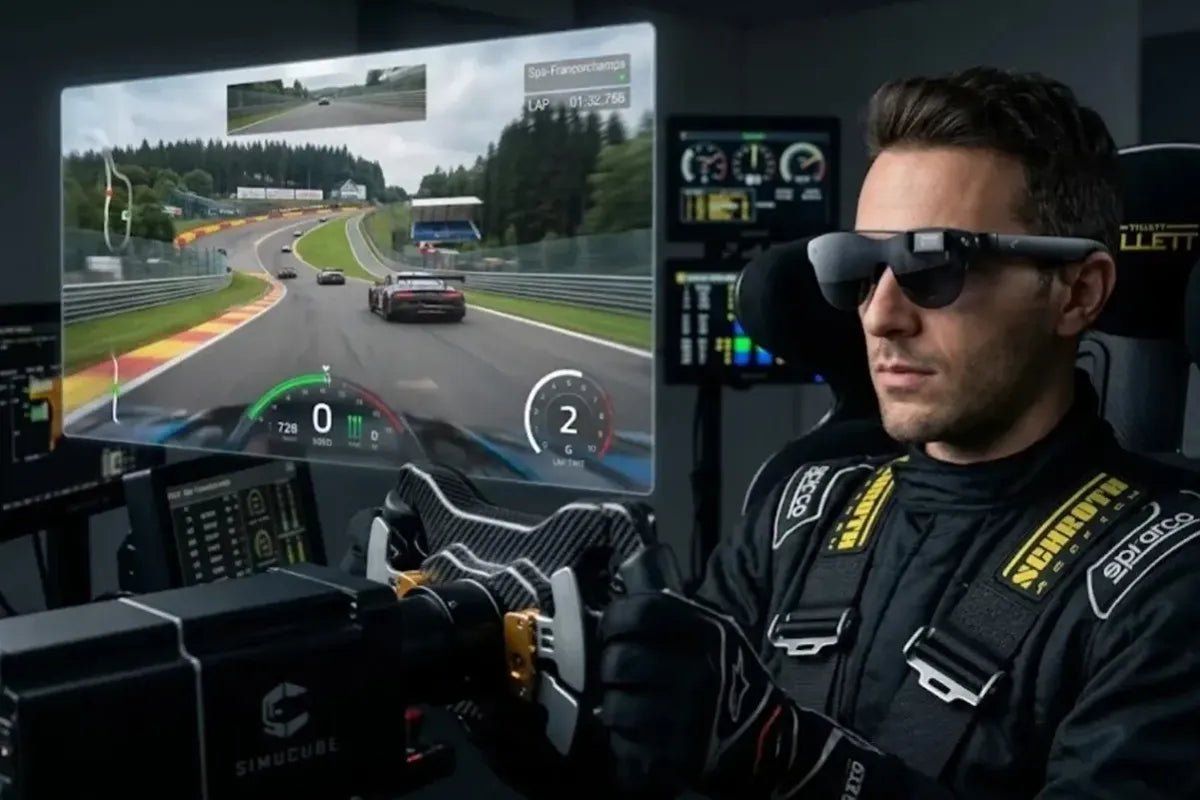
Winning in competitive gaming takes split-second decisions. When players speak different languages, callouts get lost in translation. Misunderstandings cost matches, slow down strategy reviews, and create frustration.
Modern gaming gear must do more than send audio. Using AI captions for gaming teams fixes communication barriers across global rosters. Here is how real-time text tools are changing competitive play forever.

Competitive gaming relies heavily on fast speech. A team has only milliseconds to ping an enemy, group up, or retreat. However, traditional voice channels struggle when players come from different countries. Heavy accents, noisy rooms, and complex dialects slow down raw audio.
Standard headsets only transmit sounds. They do not help players make sense of unfamiliar words. When a callout is missed, entire strategies fall apart. Teams need tools that translate words live and create clear text records for post-game reviews.
AI captions convert spoken words into live text on a display. These systems use speech-to-text technology to analyze audio input and convert spoken language into written text. Technologies such as speech-to-text processing help power applications that rely on automatic speech recognition.
Some AI caption platforms can also provide translation, speaker identification, or keyword extraction features. Players see real-time translated text right as their teammates speak, keeping everyone on the exact same page.
Smart captioning changes how competitive teams interact during matches and review sessions. Here are three major ways live text upgrades team workflow.
Modern rosters feature talent from all over the world. A team might mix players who speak English, Korean, Spanish, or Mandarin. AI captions can translate spoken words in near real time.
Post-match reviews are critical for growth. Usually, coaches listen back through hours of recorded match audio to find key mistakes. AI systems convert full team audio into searchable transcripts.
Coaches can search for specific words like "rotate" or "push" within seconds. AI summaries organize whole discussions into quick bullet points, saving hours during review sessions.
Data analysts need clear information to build winning tactics. Automated text logs make sending player feedback to support staff simple.
Analysts read structured conversation summaries instead of piecing together messy audio clips. This fast loop lets teams adjust their playstyle between tournament rounds.
Live caption technology helps everyone involved in the competitive gaming ecosystem.
Traditional chat apps have served gamers for years, but they feature major trade-offs.
| Communication Tool | Key Strengths | Main Limitations |
|---|---|---|
| Voice Chat | Very fast for direct speech | Fails across language barriers and loud room noise |
| Text Chat | Accurate and easy to read | Requires hands on keyboard, stopping gameplay |
| AI Captions | Fast, clear, and auto-translated | Requires compatible screen space or smart wearables |
Voice chat is the default choice for gamers because talking is quick. Yet, speech fails when teammates do not share a fluent language. Background noise at live venues also drowns out soft callouts.
Typing out messages ensures accuracy, but gamers cannot stop to type during combat. Taking hands off the controller or mouse leads to instant defeat in fast-paced games.
AI captions deliver the best of both worlds. Players talk naturally while the AI creates instant text overlays. Everyone gets fast audio paired with readable, accurate subtitles.

Displaying captions directly on a gaming monitor can take up vital screen space. Wearable AI glasses offer another way to access text information without using additional screen space.
Smart glasses project live text into a player's field of vision. Players read translated subtitles while keeping their eyes locked on the monitor. This heads-up layout keeps reaction times razor-sharp.
Using AR glasses for gaming can reduce the need for manual inputs or additional displays. Subtitles light up automatically when a teammate speaks, leaving hands free to handle game controls.
Wearable tech acts as a virtual assistant during intense practice blocks. Players track live notes, speech summaries, and translation feeds directly on their lenses without interrupting their game flow.
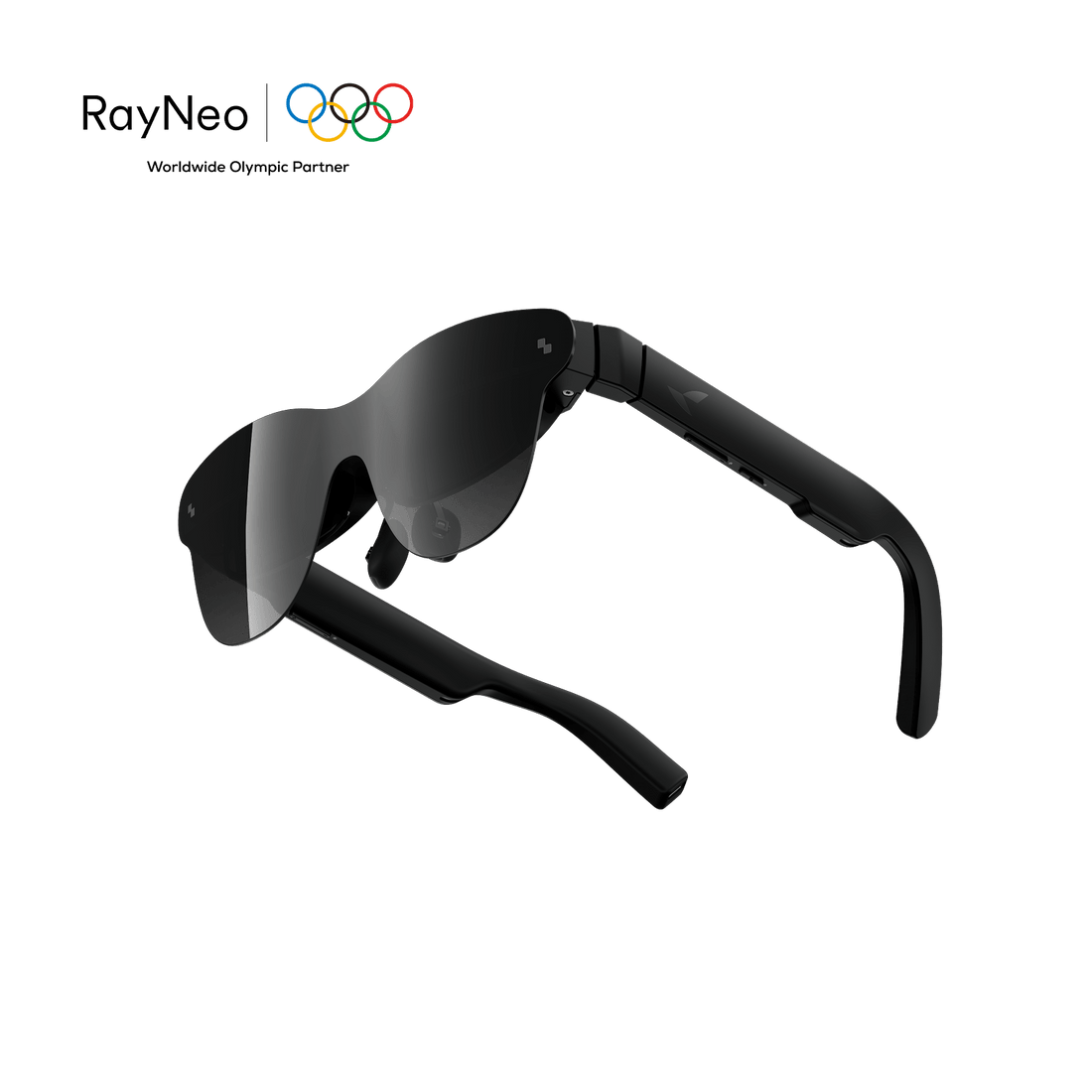
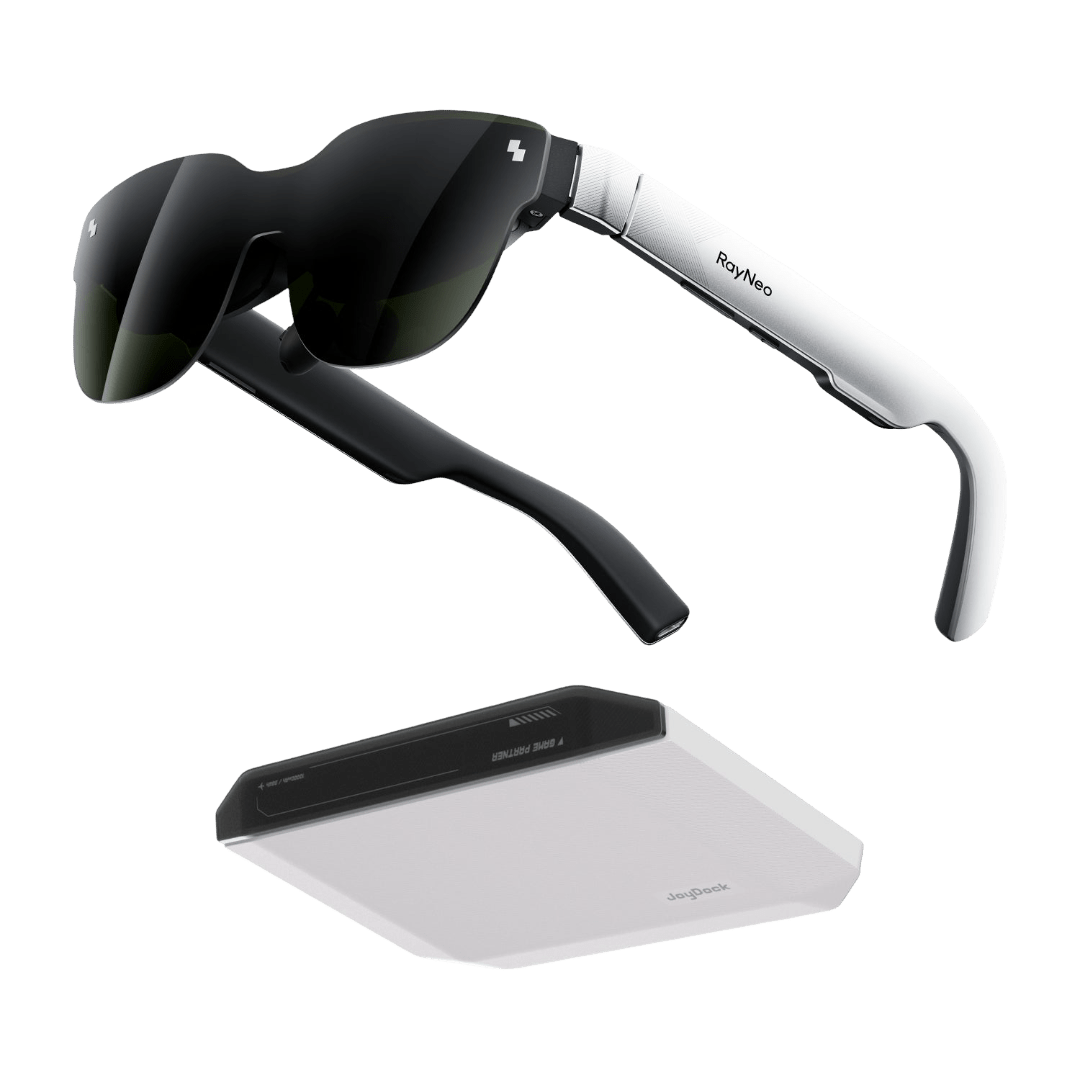
The RayNeo iO AI Glasses help international esports teams reduce communication barriers and access important information without constantly checking a phone. Designed for fast-paced environments, iO combines AI assistance, lightweight eyewear, and real-time information display to support players, coaches, and team members during training, competitions, and global events.
Upgrading squad communication gives modern esports rosters a real competitive edge. Using AI captions for gaming teams removes language barriers, clears up chaotic voice chat, and speeds up strategic match reviews. As wearable AR hardware advances, keeping your roster connected becomes easier than ever. Modernize your team's comms setup today to stay ahead of the competition.
Smart glasses stream live match data, player speech logs, and tactical overlays directly into a coach's field of view without taking their eyes off the team. Instead of looking down at notebook screens, coaches monitor key performance metrics and communication flow in real time. This hands-free access helps coaches spot callout delays immediately and deliver faster, more actionable strategy feedback during practice sessions.
Yes, smart glasses display instant post-match summaries directly on their lenses. Advanced AI transcribes team audio, categorizes key tactical discussions, and generates bullet-point breakdowns of crucial game moments. Players and coaches read clean conversation summaries, strategy points, and performance feedback right on their eyewear. This eliminates the need to review hours of raw match recordings and speeds up post-game analysis.
Smart glasses help reduce language barriers by projecting real-time translated subtitles directly into a player’s field of vision. When international teammates speak different languages, the glasses translate callouts instantly into text. Players read translated subtitles while keeping their eyes on the game screen. This heads-up setup stops misheard commands, speeds up response times, and helps global rosters collaborate effortlessly without interrupting gameplay.





Share:
112 Language Transcription Glasses: A Practical Guide for 2026
Productivity Smart Glasses: Boosting Professional Efficiency