

$449.00

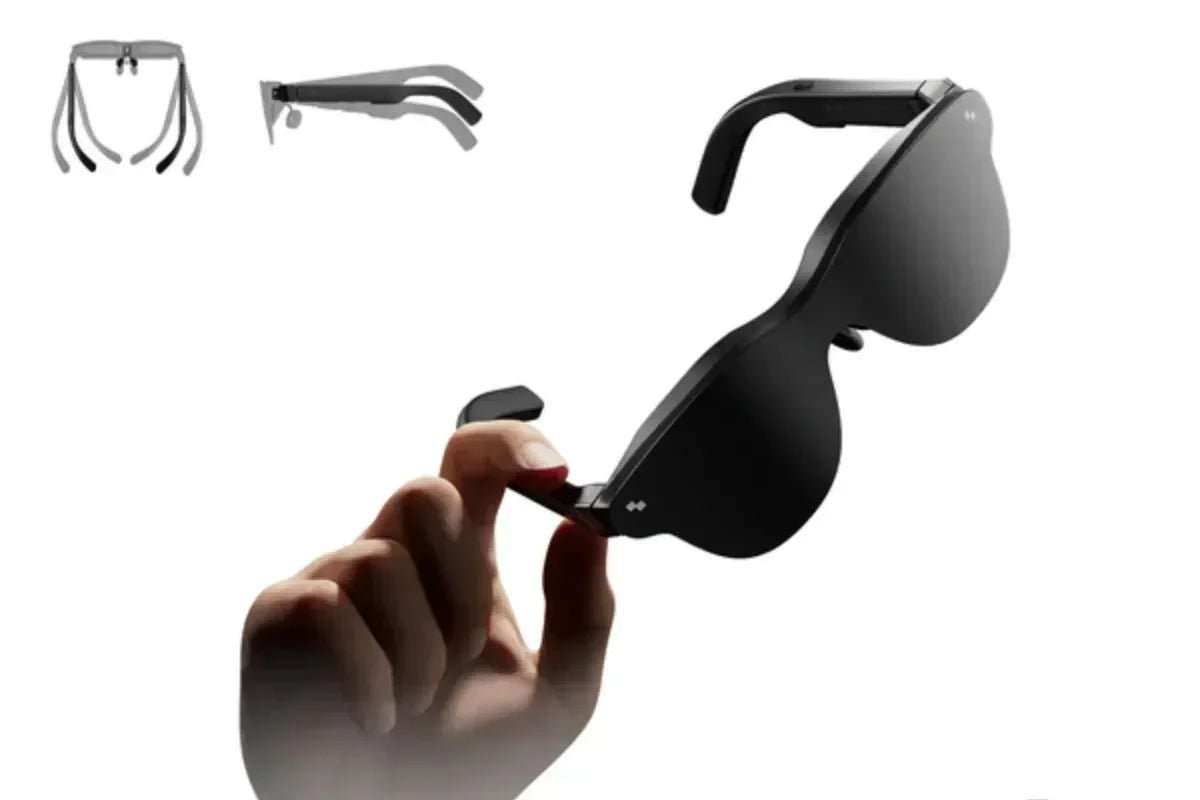
A display built directly into your eyewear changes the way digital information fits into daily life. Instead of always pulling out your phone, you can view notifications, directions, and other visual content straight in front of your eyes. Smart glasses with display eliminate the need to constantly glance down at mobile screens. As optical display hardware grows more compact and sophisticated, these wearable devices are emerging as a practical choice for navigation, entertainment, and hands-free information access.
In this article, we'll explain how display technology works, what features matter most, and how to choose the right model for your needs with RayNeo's top picks.

Smart glasses with a built-in display are wearable devices that combine regular eyewear with built-in display technology, allowing digital information to appear directly within your field of view. Using technologies such as waveguide, Micro-OLED, or Micro-LED displays, they can display glanceable notifications, navigation, text, virtual screens, or AR content without blocking your view of the surrounding environment.
Although different manufacturers use different display technologies and optical systems, most smart glasses with displays work by projecting digital images through compact optical components into your eyes without covering your entire vision. Each technology has its own strengths. Here are the main display technologies used today:
Waveguide optics use transparent glass or plastic layers to direct light from a tiny projector into your eyes, creating digital images while keeping your natural view unobstructed. This technology is widely used in smart glasses with AR display because it allows most ambient light to pass through the lens, making the viewing experience feel more natural and comfortable for everyday use. The final field of view depends on the waveguide design and the overall optical system.
Micro-OLED panels are ultra-compact, high-resolution displays built on a monocrystalline silicon wafer instead of a traditional glass substrate. Their small size allows manufacturers to fit powerful display technology into slim, lightweight smart glasses. Acting like microscopic projectors, Micro-OLED panels deliver text, vivid graphics, and high-contrast visuals directly into your field of view.
Micro-LED projectors, also known as LEDoS (Micro LED on Silicon), use tiny LED chips integrated onto a semiconductor silicon substrate to create compact and high-resolution displays. Their high pixel density makes images look sharp and bright, even in bright outdoor environments. This makes Micro-LED technology a strong choice for AR smart glasses with display, where clear graphics and readable information are needed without distracting from the surroundings.
To decide which smart glasses have a display that perfectly fit your needs, you need to compare the comfort and features of many smart glasses brands. To make it easier, let's take a closer look at the most important features to consider before making your decision:
Display quality affects how readable text appears and how realistic graphics look and feel during use. High brightness improves outdoor visibility, and better contrast makes images easier to distinguish in darker settings. A wider field of view creates a more natural experience because digital content occupies a larger area of your vision instead of appearing in a small corner.
Comfort matters too, because smart glasses are designed to be worn for long periods of time. Lightweight frames reduce pressure around the nose and ears, and balanced weight distribution minimizes fatigue throughout the day. The materials used, the shape of the frame, and the overall ergonomics also influence long-term wearability, making the glasses easier to use during work, commuting, or casual activities.
One of the features you must consider behind the display is battery life because it determines how long your smart glasses can be used between charges, especially during travel or extended work sessions. You should also consider the ecosystem. Some models work independently, while others rely on a smartphone or companion app to unlock advanced features and manage settings.
For users who wear corrective lenses, prescription compatibility is essential for overall comfort. Fortunately, many modern smart glasses now support prescription inserts or offer compatible prescription lenses. This allows users to enjoy digital content without sacrificing clear vision. This flexibility makes the glasses more practical for extended use.
Different users have different priorities, and RayNeo offers several options designed to meet those needs. Below are the three best smart glasses with displays from RayNeo:
The RayNeo X3 Pro AI+AR Smart Glasses are designed around an intuitive AI operating system and HUD display. They make everyday interactions feel more natural by presenting digital content within an intuitive spatial environment that closely matches real-world movement.
Who it's for: Professionals and travelers seeking AI-powered assistance and immersive AR experiences in a lightweight wearable device.
Key features:

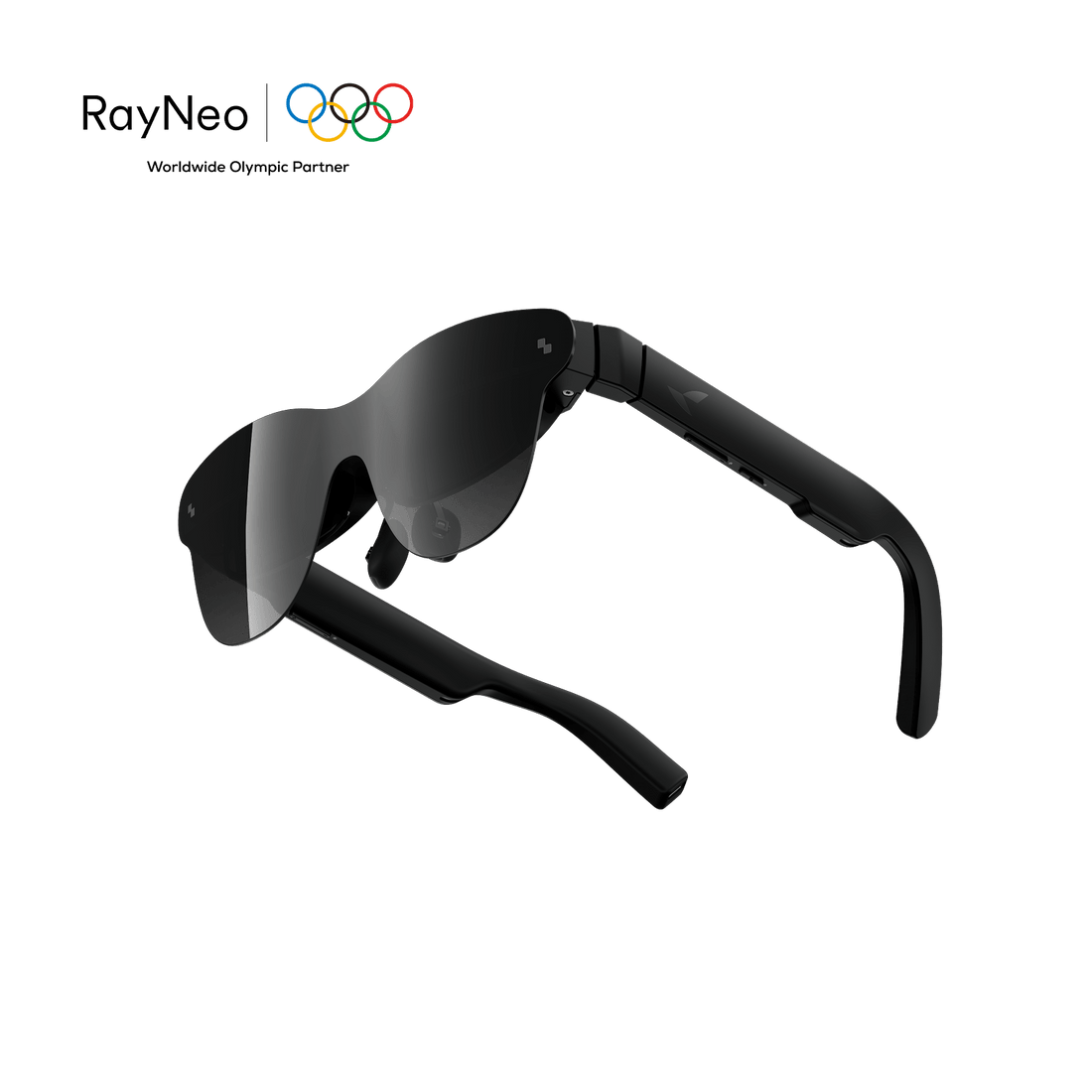
The RayNeo Air 4 Pro AR Glasses create a massive 201-inch virtual display that gives movies, games, and productivity apps a much larger viewing space without carrying an external monitor.
Who it's for: Users who enjoy streaming, gaming, or working on a large virtual display while remaining highly portable.
Key features:

The RayNeo iO AI Glasses feature a distinctive Crown Polygon frame and a transparent waveguide display that combines a modern appearance with everyday comfort and keeps your surroundings visible during daily wear.
Who it's for: People who want discreet AI assistance, lightweight everyday wear, and a natural viewing experience without blocking their surroundings.
Key features:
Whether you need hands-free navigation, immersive entertainment, or AI-powered assistance, smart glasses with display offer a faster, more convenient way to access digital information throughout the day. By understanding the differences in display technology, comfort, compatibility, and overall features, you'll be better prepared to choose a model that fits your daily routine and delivers the experience you expect.
Yes, many smart glasses with a display let you watch Netflix when connected to a compatible smartphone, tablet, laptop, or streaming device such as the RayNeo Air 4 Pro. Models with large virtual displays provide a more immersive viewing experience, making it feel like you're watching a much bigger screen while remaining portable and hands-free.
Yes, many smart glasses allow you to read incoming messages and reply without constantly reaching for your phone. Depending on the model, you can use voice commands, touch controls, or a companion app to send texts, making everyday communication more convenient while keeping your hands free.
Yes, smart glasses with displays are designed to present digital text clearly enough for reading notifications, emails, navigation instructions, articles, and short documents. Display quality, brightness, and resolution all affect readability, so choosing a model with a sharp, high-quality display provides a more comfortable reading experience.





Share:
Best Smart Glasses for AI, AR, and Everyday Use in 2026
DIY Wireless Display Cast Receiver for XR Glasses Explained