

$449.00

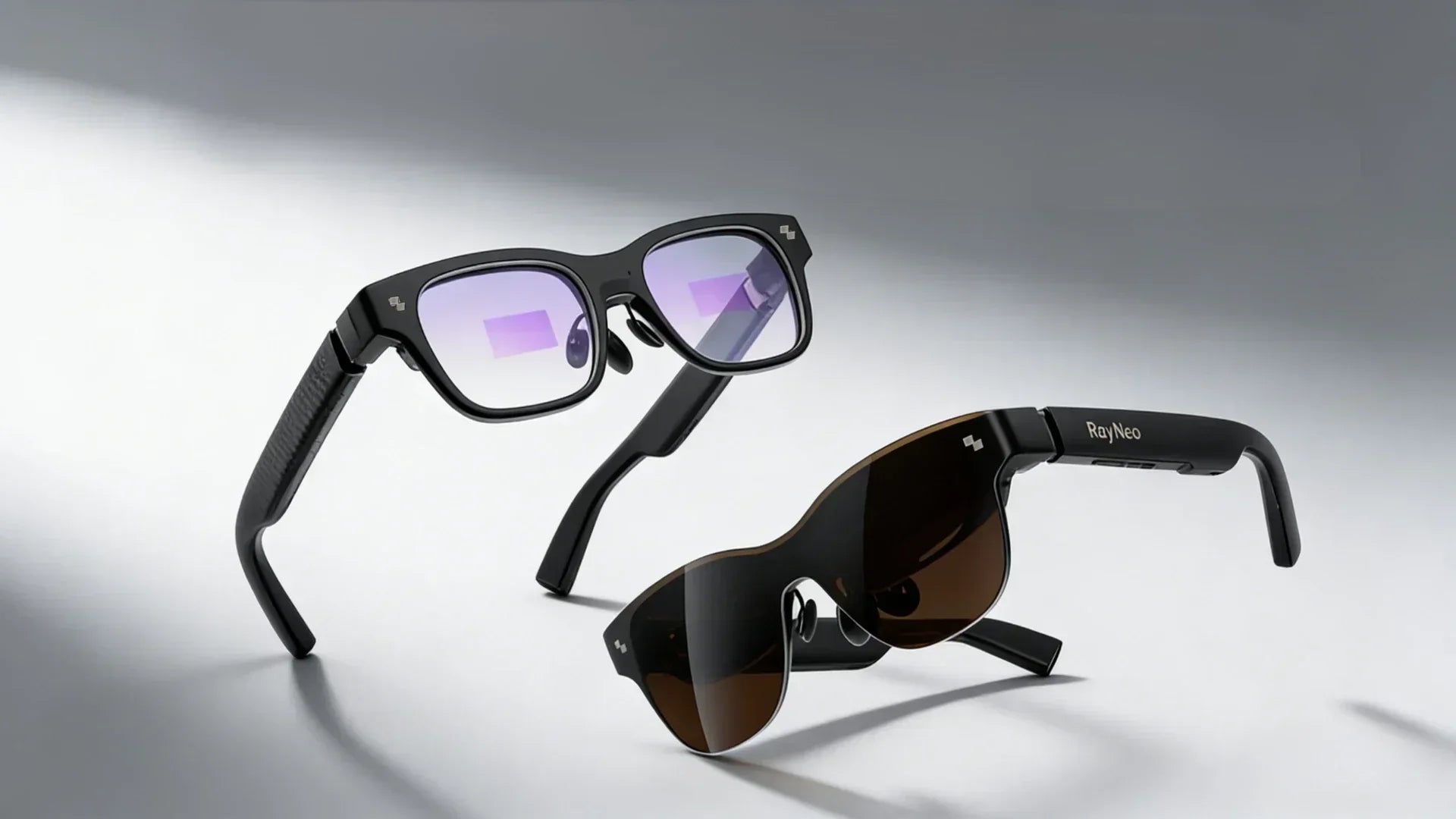
If you're trying to decide between camera glasses in 2026, the short answer is that no single pair wins on every metric. Some prioritize a longer camera-only battery life. Some skip the camera and lean into AR displays. Others aren't glasses at all.
RayNeo X3 Pro currently stands out as the only option here that pairs a real AR display with a workable camera in one device. It does not lead on raw video resolution or on overall battery life, and those tradeoffs are covered in detail below rather than glossed over.
This guide breaks down four types of products people search for under "camera glasses": AR display glasses with a camera, camera-only smart glasses, developer-focused AR glasses, and a clip-on action camera that often shows up in the same comparisons even though it isn't eyewear.
Not every product marketed with a camera and glasses in the same sentence works the same way. Four categories currently dominate this search:
Knowing which category actually fits your use case matters more than any single spec.
| Dimension | RayNeo X3 Pro | Camera-first social glasses | Developer AR glasses | Clip-on action camera |
|---|---|---|---|---|
| Camera | 12MP Sony IMX681 main sensor, plus a monochrome camera for spatial tracking (not for photos) | 12MP camera | Dual color cameras plus 2 IR tracking cameras (specs undisclosed) | 1/2.3" CMOS sensor |
| Photo / video resolution | Photos up to 4K, video up to 1440p | Video up to 3K/30fps | Not officially disclosed | 4K/30fps video |
| Video length per clip | Commonly cited at up to 9 minutes per clip, ~50 minutes total on-device (see caveats below) | About 3 minutes, then auto-downgrades to 1440p/30fps or 1200p/60fps | Not officially disclosed | Around 32 minutes on the camera alone, up to ~140 minutes with the charging dock |
| Battery (mixed use) | Roughly 1 to 2 hours in real AR and camera use, often shorter under heavy load, based on multiple third-party reviews rather than one standardized test | Manufacturer claims ~8 hours of mixed daily use | About 4 hours, extendable with the included charging case | Same as video length figures above (dock-dependent) |
| Display | Dual-color MicroLED, up to 6000 nits (bright enough to stay readable in direct sunlight), Gemini-powered translation, navigation, and notifications | None | LCoS (a projector technology used to beam the image into the lens), 51° field of view (display FOV, not camera FOV) | None (flip screen lives on the charging dock, not the camera) |
| Weight | About 76g | Not officially disclosed | Not officially disclosed | Camera unit is very small and light; dock adds bulk |
| Price | $1,299 (check rayneo.com for current pricing) | About $379 | About $2,195 | $400 (64GB) / $430 (128GB) |
| Available now? | Yes, shipping in the US via rayneo.com | Yes | No, preorder only as of early August 2026, expected to ship fall 2026 | Yes |
A few numbers in this table, especially for the anonymized competitors, aren't officially published anywhere. Where that's the case, we've marked it rather than guessing.
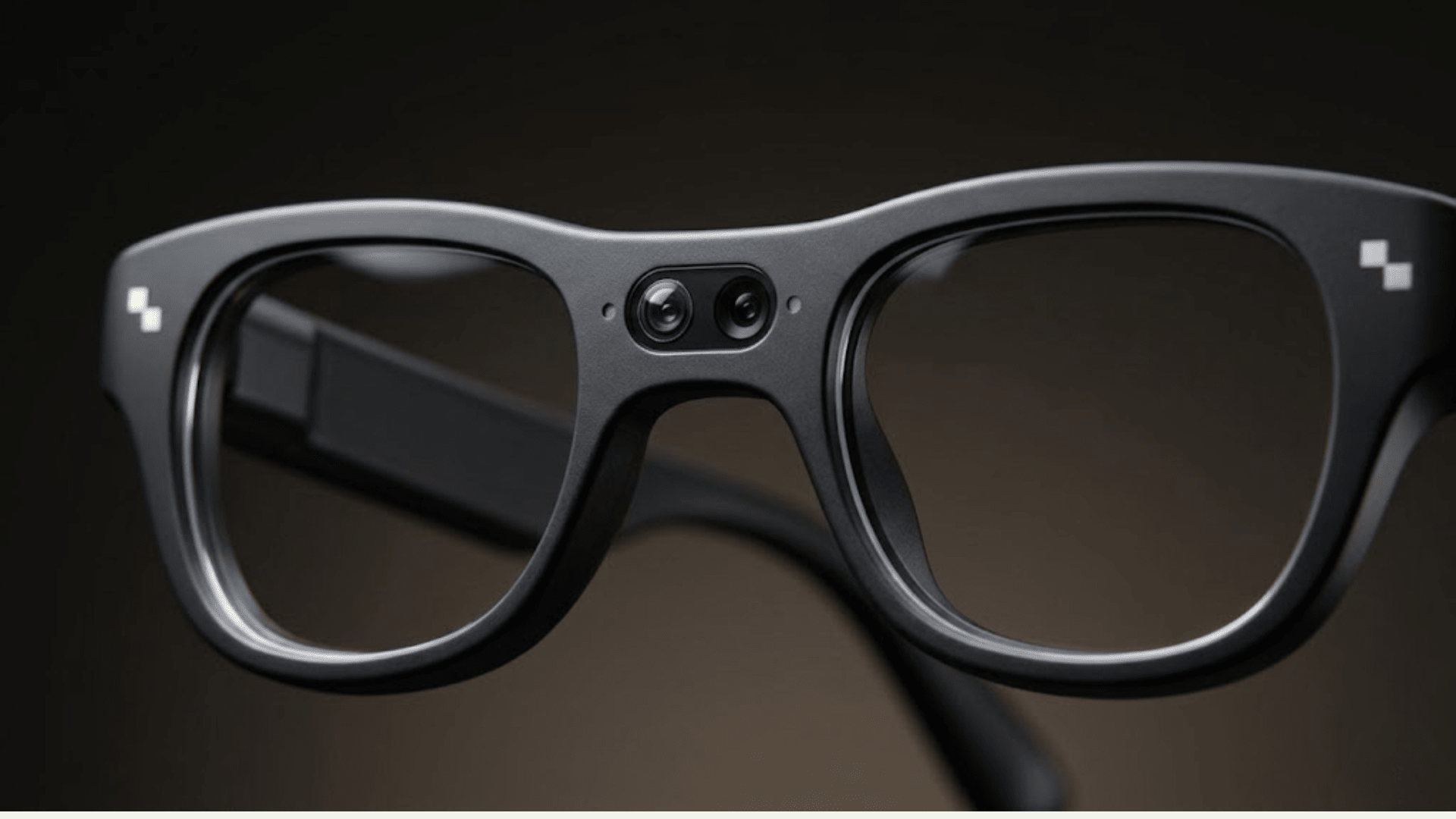
RayNeo X3 Pro uses a 12MP Sony IMX681 sensor for photos and video, capturing stills up to 4K and video up to 1440p. A second, monochrome camera exists purely for spatial tracking and 6DoF positioning (a system that tracks both position and rotation in space, which helps keep projected content aligned as you move your head), not for photography.
The camera-first social glasses top out slightly higher on paper, at up to 3K/30fps video, but that resolution only holds for about the first three minutes of a clip. After that, it automatically drops to 1440p/30fps or 1200p/60fps.
The clip-on action camera uses a larger 1/2.3" sensor (physically bigger than what typically fits into glasses-sized hardware, which generally helps in mixed or low light) and records native 4K/30fps without the same mid-clip step-down. If frame-by-frame video sharpness is your only priority and you don't need a display, this is the strongest camera on paper here.
RayNeo's advantage in this comparison isn't raw resolution. It's being the only device in this group that captures usable photo and video while also running a full AR display at the same time, a combination covered more in the display section below.
RayNeo X3 Pro's video length is commonly cited as up to 9 minutes per clip and about 50 minutes of total recording capacity. That figure comes from multiple third-party sources rather than a single confirmed spec sheet, so treat it as an approximation.
It's worth clarifying how this number relates to the overall battery figures further down, since they can look contradictory at first glance. The ~50 minute figure describes the camera module's own recording ceiling on a full charge, a limit tied mainly to video capture specifically.
Overall battery life reflects a different, broader mix: the AR display, AI assistant, navigation, and camera all drawing power together. That combined load can deplete the battery well before you'd ever hit 50 minutes of continuous filming, which is why the two numbers aren't measuring the same thing.
The camera-first social glasses cap individual clips at about 3 minutes before the quality steps down, though you can start a new clip right after. The clip-on action camera can run about 32 minutes on its own battery, and up to roughly 140 minutes when docked in its charging case between shots.
If your priority is the longest possible total shooting time in a single outing, the clip-on camera's docking setup currently has the edge, mainly because it isn't also running a display and translation engine at the same time.
This is one dimension where RayNeo X3 Pro doesn't lead, and it's worth saying plainly. Multiple independent 2026 reviews, including coverage from Geeky Gadgets and TechRadar, found that mixed AR use (camera, navigation, AI queries, notifications) can drain the device in roughly 1 to 2 hours, sometimes less under heavy load. This is a pattern reported across several outlets rather than a result from one standardized battery benchmark.
By comparison, the camera-first social glasses claim around 8 hours of mixed daily use from the manufacturer, though that's a manufacturer figure rather than an independent test result. The developer AR glasses are rated for about 4 hours, extendable with their charging case.
The tradeoff makes sense once you consider what's running. RayNeo X3 Pro is powering a 6000-nit MicroLED display, real-time translation, and a camera simultaneously, which draws more power than a camera-only device or a lower-brightness display.
If all-day battery on a single charge is your top priority, a camera-only pair or the docked action camera will likely serve you better than any current AR display glasses, RayNeo included.
This is where RayNeo X3 Pro separates itself from the other camera glasses in this comparison. It uses a dual-color MicroLED display reaching up to 6000 nits of brightness, bright enough to stay visible even outdoors in direct sunlight.
Paired with Google Gemini, the display handles real-time translation, turn-by-turn navigation, and notification previews without pulling out a phone. None of the other three products in this table offer a comparable display.

The camera-first social glasses have no display at all, betting entirely on the camera and audio experience. The developer AR glasses do have a display (LCoS, 51° field of view), a smaller field of view than RayNeo's setup, and the product is still in preorder, so hands-on comparisons remain limited.
If you specifically want a device that shows you information, not just records what you see, RayNeo X3 Pro is currently the most capable option in this group.

RayNeo X3 Pro weighs about 76 grams. That's on the heavier end for smart glasses, largely because it's carrying a MicroLED projection system and waveguide optics (the lens layer that channels the projected light to your eye), hardware that display-free glasses simply don't need.
Neither the camera-first social glasses nor the developer AR glasses have published exact weight figures. As a general rule, glasses without a display tend to be lighter, since they skip the projector and waveguide hardware, but this is an inference based on typical designs in this category rather than a measured, apples-to-apples comparison.
If all-day comfort during long wear is your main concern, a display-free pair is likely to feel less noticeable on your face over several hours, though we can't confirm the exact gap in grams.
The clip-on action camera weighs very little on its own since it's a small unit rather than full eyewear, though the charging dock adds bulk you'd carry separately rather than wear.
At $1,299, RayNeo X3 Pro sits well above the camera-first social glasses (about $379) and above the clip-on action camera (about $400 to $430 depending on storage). It's priced below the developer AR glasses, which run about $2,195.
That pricing roughly tracks with what each device does. The cheaper options are camera-focused with no display. The more expensive developer glasses are aimed at early adopters and app builders rather than everyday buyers. RayNeo X3 Pro sits in between because it's combining a display, an AI assistant, and a camera in one pair.
Prices for all of these products can change, so check the official site for each before buying rather than relying on any number in this article as final.
RayNeo X3 Pro, the camera-first social glasses, and the clip-on action camera are all currently available for purchase. The developer AR glasses remain in preorder as of early August 2026, with shipping expected in fall 2026, so they aren't something you can use today even if you order now.
That gap matters if you need a working device soon rather than a future one. Given how close that shipping window is, it's worth checking the manufacturer's own page for the latest status before assuming this article's snapshot still holds.
RayNeo also offers a V3 series aimed at people who want a lighter, camera-focused option without a full AR display. Public specifications for the V3 and a variant referred to as V3 Slim conflict across the sources we reviewed, so we're not going to guess at exact numbers here.
If this lighter option interests you, the most reliable path is to contact RayNeo directly to confirm current specs and availability in your region before making a decision.
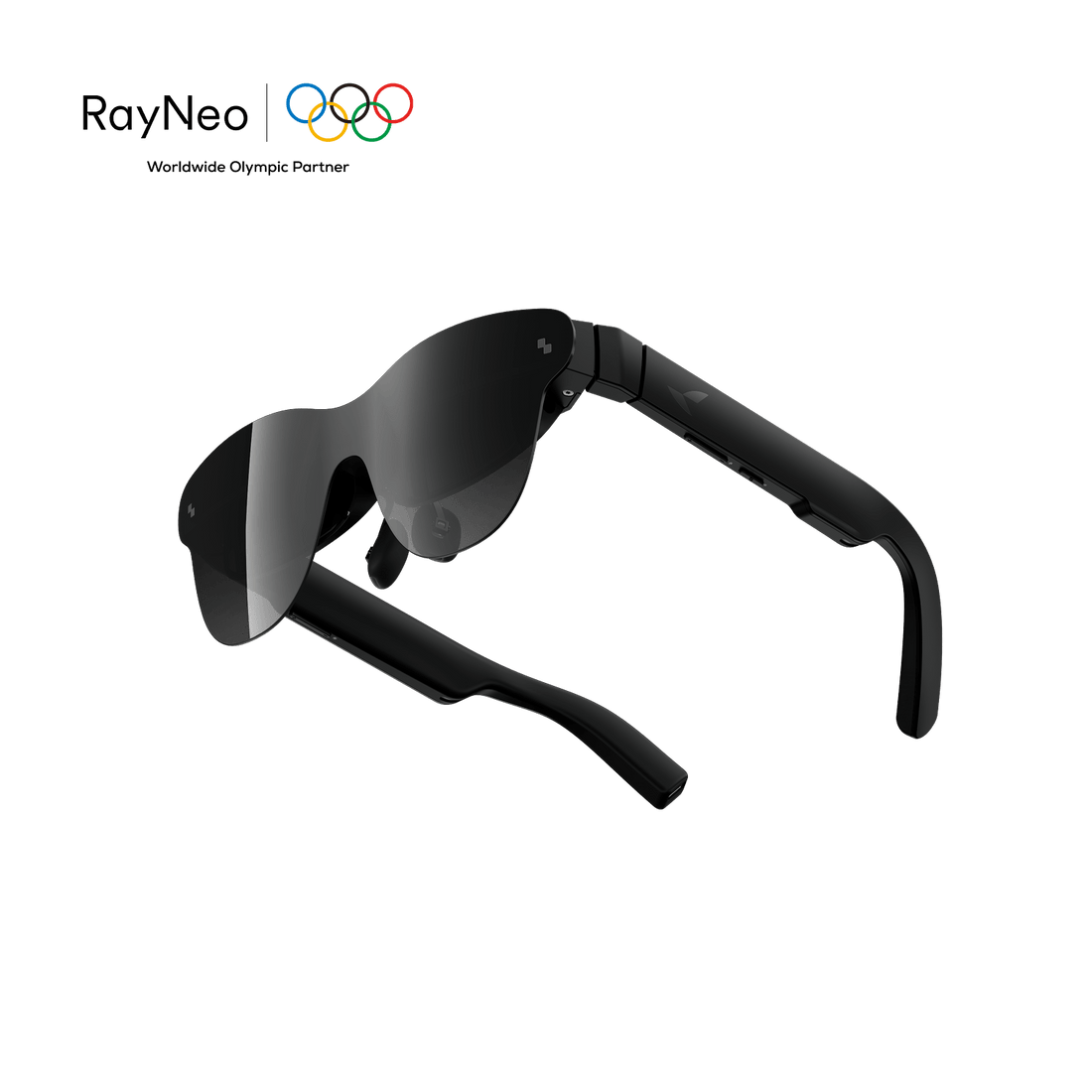
RayNeo X3 Pro makes the most sense for someone who wants AR features (translation, navigation, notifications) and a usable camera in a single device, and who is comfortable trading some battery life and weight for that combination.
It's a weaker fit if your only goal is the lightest possible glasses, the longest camera-only battery life, or the absolute lowest price in this category.
A software note worth knowing before you buy: the RayNeo AR app's main product description on the App Store still centers on the earlier X2 model, which can make it look like X3 Pro support is uncertain. It isn't. The app's version update notes explicitly confirm full support for the X3 Pro, added in version 2.1.0, and version 2.2.0 introduced X3 Pro-specific gesture controls. If you want to double check yourself, open the app's "What's New" section on the App Store, or contact RayNeo support directly to confirm compatibility with your specific phone.
A few other things worth confirming before buying:
None of these are disqualifying for most buyers, but they're the kind of details that are easy to overlook until after you've already unboxed the device.
Do camera glasses need to be connected to a phone? Yes, in most cases. RayNeo X3 Pro and the camera-first social glasses both rely on a companion phone app for setup, media transfer, and some features. The developer AR glasses similarly depend on a connected device for full functionality.
Which camera glasses have the best video quality in 2026? It depends on what you mean by "best." The clip-on action camera records native 4K/30fps without a mid-clip quality drop, which gives it an edge in raw video sharpness. RayNeo X3 Pro records up to 1440p and adds an AR display the action camera doesn't have.
Are AR display glasses like RayNeo X3 Pro better than camera-only glasses? Better depends on your priority. RayNeo X3 Pro offers translation, navigation, and notifications alongside its camera, which camera-only glasses don't have. Camera-only glasses tend to be lighter and offer a longer claimed battery life, since they aren't powering a display.
How long can camera glasses record before running out of battery? This varies by product and by how many features are active at once. RayNeo X3 Pro's camera module is commonly cited at up to 9 minutes per clip and about 50 minutes of total recording capacity, but that's a camera-specific ceiling. Overall mixed-use battery life, with the display and AI features running too, has been reported by multiple independent reviews at roughly 1 to 2 hours, sometimes less under heavy load.
Can I buy the developer-focused AR glasses right now? No. As of early August 2026, that product is in preorder with an expected fall 2026 shipping window, so it isn't available to use today even if ordered now. Check the manufacturer's page for the current status, since that window is approaching.
Is RayNeo X3 Pro worth it if I only want a camera, not AR features? Probably not. If a display, translation, and navigation aren't things you'll use, a camera-only pair of glasses or a dedicated clip-on action camera will likely give you longer battery life and a lower price for the same core camera function.
If you want a display, real-time translation, navigation, and a usable camera in a single pair of glasses, RayNeo X3 Pro is currently the clearest option in this comparison, and there isn't a directly equivalent AR display and camera combination shipping today at a lower price.
If your top priority is the longest camera-only battery life and you don't need a display, the camera-first social glasses or the clip-on action camera will likely serve you better.
If raw image quality and waterproofing matter most and you don't mind a device that isn't glasses at all, the clip-on action camera is worth a look.
If you're an early adopter or developer specifically interested in AR software and don't mind waiting, the developer AR glasses are worth tracking, but they aren't purchasable yet.
For most people asking what the best camera glasses are in 2026 because they want more than just a camera bolted onto eyewear, RayNeo X3 Pro is built for exactly that overlap, with the honest caveat that you're trading some weight and battery life to get it.





Share:
Prescription Camera Glasses: Can You Wear Them With Vision Correction?
AI Camera Glasses: Photos, Video & Visual AI