

$449.00

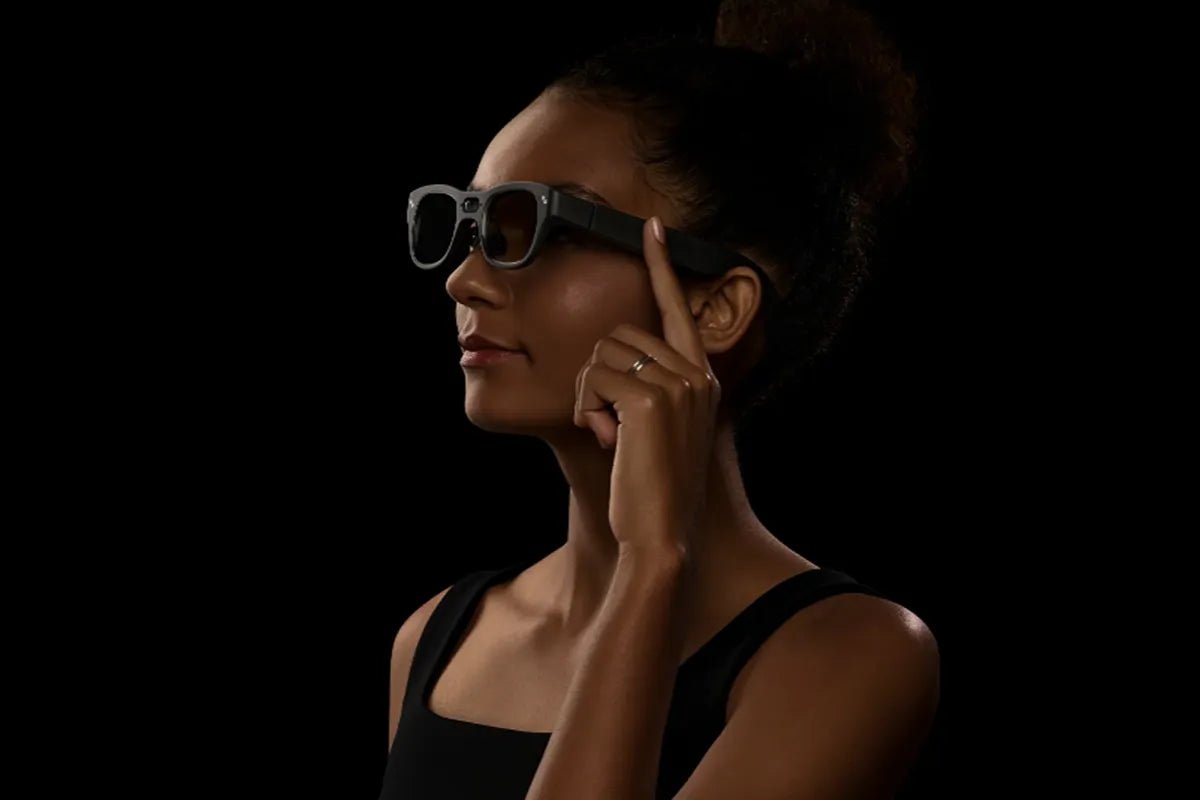
Smart glasses are becoming an increasingly important category in wearable technology, but understanding their real value requires a balanced look at both the benefits and limitations. This guide explores the advantages and disadvantages of smart glasses, including hands-free access, AI-powered features, display experiences, comfort, battery constraints, and practical considerations.
By comparing what smart glasses can achieve today with their current limitations, you can better understand whether this emerging technology fits your daily needs.

Smart glasses are wearable devices that combine traditional eyewear with built-in electronic components. Depending on the model, they may include features like microphones, speakers, cameras, wireless connectivity, and in some cases, small see-through displays. Some advanced smart glasses include onboard computing features, while many still rely on connected devices for processing and additional functionality.
Understanding these differences is essential because the type of smart glasses you choose determines their capabilities, limitations, and real-world use cases.
Smart glasses combine traditional eyewear with digital features, offering new ways to interact with information, entertainment, and connected devices. While their value depends on the model and intended use, several advantages make them increasingly practical in everyday situations.
Smart glasses allow users to access digital features without constantly reaching for a phone. Voice commands, built-in cameras, and AI functions can help with tasks like answering calls, capturing photos, and understanding objects or surroundings.
Depending on the model, smart glasses can provide navigation, translation, notifications, and other contextual information directly through wearable displays or audio features. This can make travel, commuting, and daily tasks more convenient.
Smart glasses with built-in displays can create a private viewing experience for watching videos, gaming, or using digital content in places where a traditional screen is unavailable. They are especially useful for travel, shared spaces, and mobile entertainment.
Features like live captions, voice control, object recognition, and audio assistance can help users interact with digital information more easily. For some users, these tools provide meaningful support for communication and daily activities.
Newer smart glasses are becoming lighter, more comfortable, and closer in appearance to traditional eyewear. Support for prescription lenses and improved ergonomics make them easier to wear regularly.
Before buying smart glasses, it is important to understand their limitations. Many disadvantages are not caused by individual products but are related to the current state of wearable technology, including battery constraints, pricing, and dependence on connected features.
Smart glasses with advanced features can be a significant investment. The cost comes from combining compact displays, cameras, processors, sensors, and software into a lightweight frame that remains comfortable to wear.
Before purchasing, consider whether you need premium features or a simpler wearable display. The price difference often comes from capabilities rather than basic functionality.
Like other digital displays, smart glasses may cause discomfort during long viewing sessions. Because the display is positioned close to the eyes, some users may experience symptoms associated with digital eye strain.
Possible signs include:
Smart glasses are best treated like other personal displays: useful in moderation, but not designed for uninterrupted use throughout the entire day.
Despite rapid development, smart glasses still face technical limitations. A lightweight frame must balance multiple components, including displays, cameras, speakers, wireless connections, and batteries.
Current challenges include:
Many of the common complaints about early smart glasses have been addressed through recent hardware and software improvements. While the technology is still developing, newer models have made progress in areas like display quality, AI capabilities, comfort, charging, and prescription support.
Early smart glasses often struggled with dim displays and limited visibility in bright environments. Newer display technologies have improved image quality, brightness, and contrast, making wearable displays more practical in everyday situations.
Key improvements include:
These improvements make smart glasses more useful for activities like navigation, entertainment, and accessing digital information throughout the day.
Earlier smart glasses often relied mainly on basic voice commands, limiting how useful they felt in real-world situations. Modern AI features combine voice interaction with camera input, allowing smart glasses to understand more about the user's surroundings.
Examples of AI-powered improvements include:
These developments help smart glasses move beyond simple voice-controlled accessories and become more useful everyday tools.
Comfort has always been one of the biggest challenges for wearable technology. Newer smart glasses focus on reducing weight, improving balance, and creating frames that feel closer to traditional eyewear.
Recent design improvements include:
These improvements make smart glasses easier to wear regularly and help the technology feel more natural in everyday life.
Smart glasses are worth buying in 2026 if they solve problems you encounter regularly. They can be useful for frequent travellers, content creators, remote workers, and anyone who wants hands-free access to information without constantly checking a phone.
However, they may not be worth the investment if you already have a good monitor, prefer traditional devices, or rarely need portable smart features.
Smart glasses have become more practical, but they are not designed to replace smartphones or computers. Their value depends on your lifestyle, usage habits, and whether their convenience fits your daily needs.
When choosing smart glasses, the right model depends on what you want them to do. Some users need AI-powered assistance, cameras, and real-time information, while others mainly want a large private display for entertainment, gaming, or mobile work. The following options represent two different approaches to smart glasses.
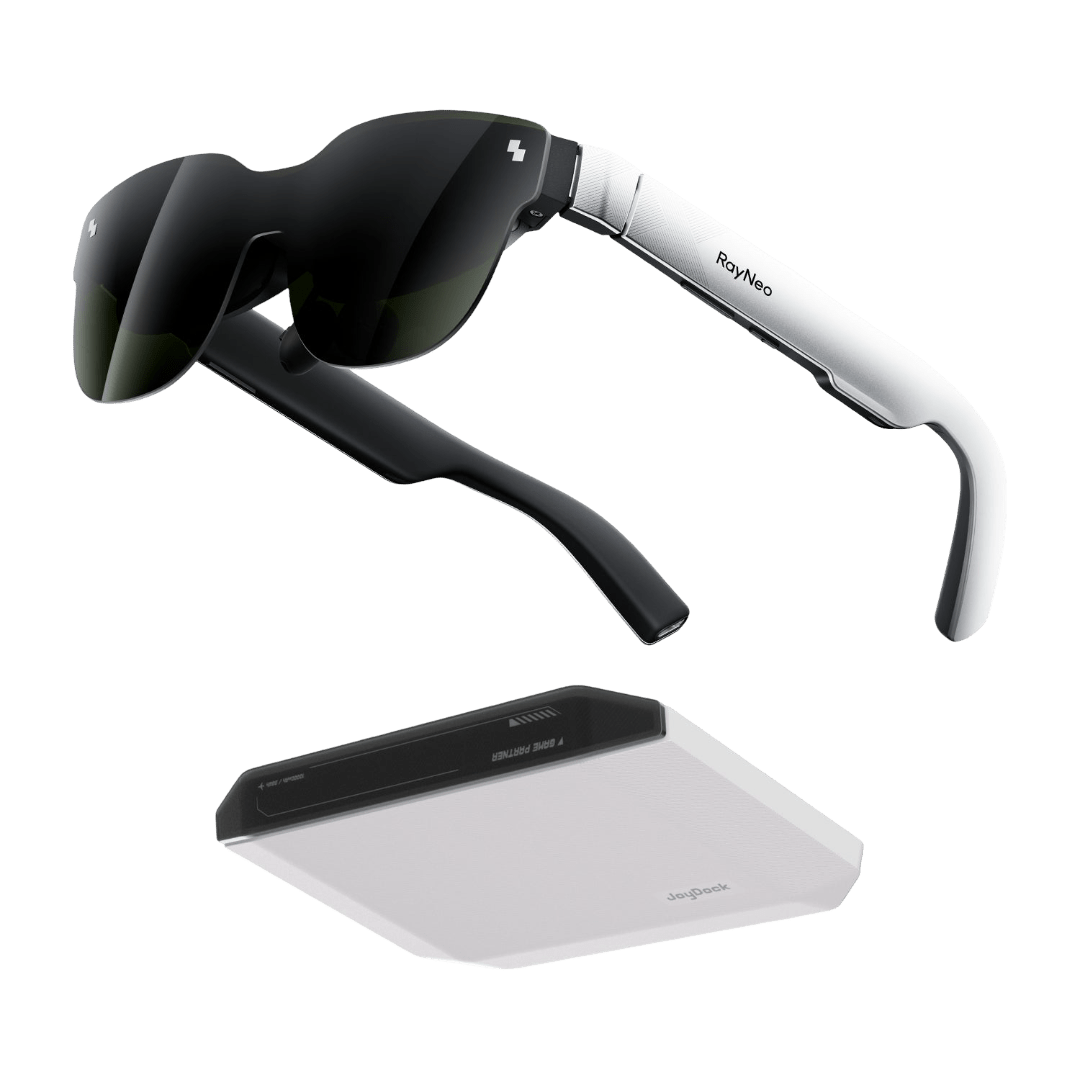
RayNeo X3 Pro AI+AR Smart Glasses are designed for users who want more than a wearable display. With built-in AI features, a camera, and a heads-up display, they can provide real-time information while keeping your hands free.
Key features include:
Choose this type of smart glasses if you value real-time assistance, camera features, and AI interaction more than a traditional display experience.

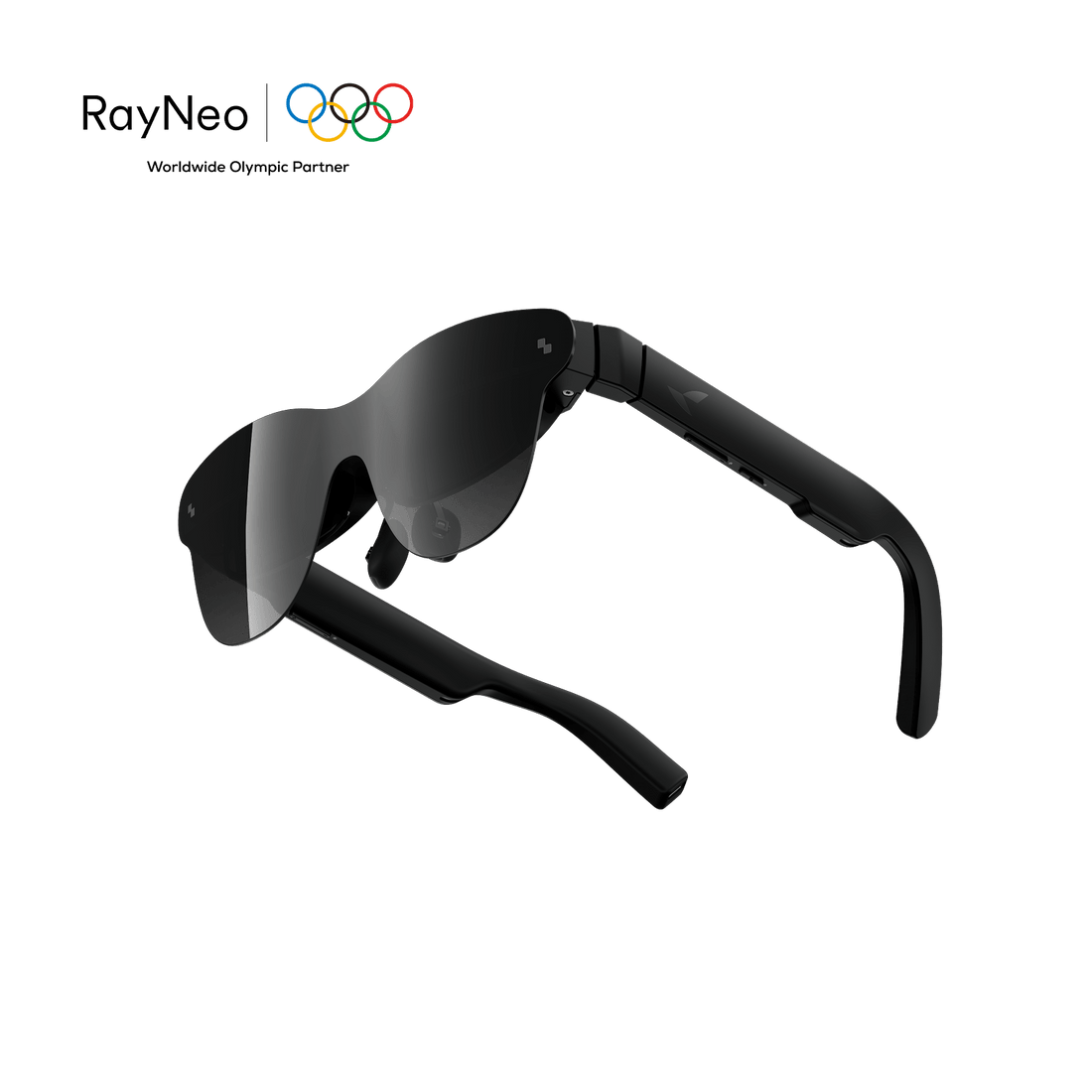
RayNeo Air 4 Pro AR Glasses take a different approach. Instead of adding cameras and AI functions, they focus on delivering a portable personal display. They are designed for users who want a larger virtual screen for watching videos, gaming, or creating a more flexible workspace while travelling or working away from a traditional monitor.
Key features include:
Choose this type of smart glasses if your priority is a portable, private display for entertainment and productivity.

The advantages and disadvantages of smart glasses show that this technology offers meaningful benefits while still facing practical challenges. Hands-free interaction, AI assistance, and immersive displays create new possibilities, but factors like price, battery life, comfort, and functionality limitations remain important considerations. As smart glasses continue to evolve, their value will depend on how well they solve real-world needs rather than simply adding new features.
A clear understanding of their strengths and weaknesses can help users make more informed decisions.
Some smart glasses can reduce glare or improve visibility in bright environments, but the exact solution depends on the model. Many display-based smart glasses support accessories like light blockers or lens shades that help improve contrast and make images easier to see outdoors or in bright rooms. If you need prescription lenses or tinted options, check the supported lens choices before purchasing to ensure they match your needs.
Most smart glasses are not fully waterproof. Because they contain electronic components, displays, cameras, and batteries, they should generally be protected from water exposure unless the manufacturer provides an official water-resistance rating.
Avoid wearing smart glasses in heavy rain, swimming pools, or situations where they may be submerged. Even models with some level of water resistance may only be designed to handle limited exposure. Always check the product specifications for its exact protection level and follow the manufacturer's care instructions.
Yes, all smart glasses need power to operate, but the way they receive power depends on the design. AI-powered smart glasses usually include a built-in battery that needs regular charging to support features like cameras, voice assistants, and displays.
Display-focused AR glasses may not have an internal battery and instead receive power through a USB-C connection from a compatible device. This means they do not require separate charging but still rely on an external power source during use.





Share:
Are AR Glasses Worth It? A Complete Guide to Benefits, Limits, and Use Cases
Privacy, Legality, and Discreet Recording: What to Know Before You Wear Camera Glasses