

$429.00

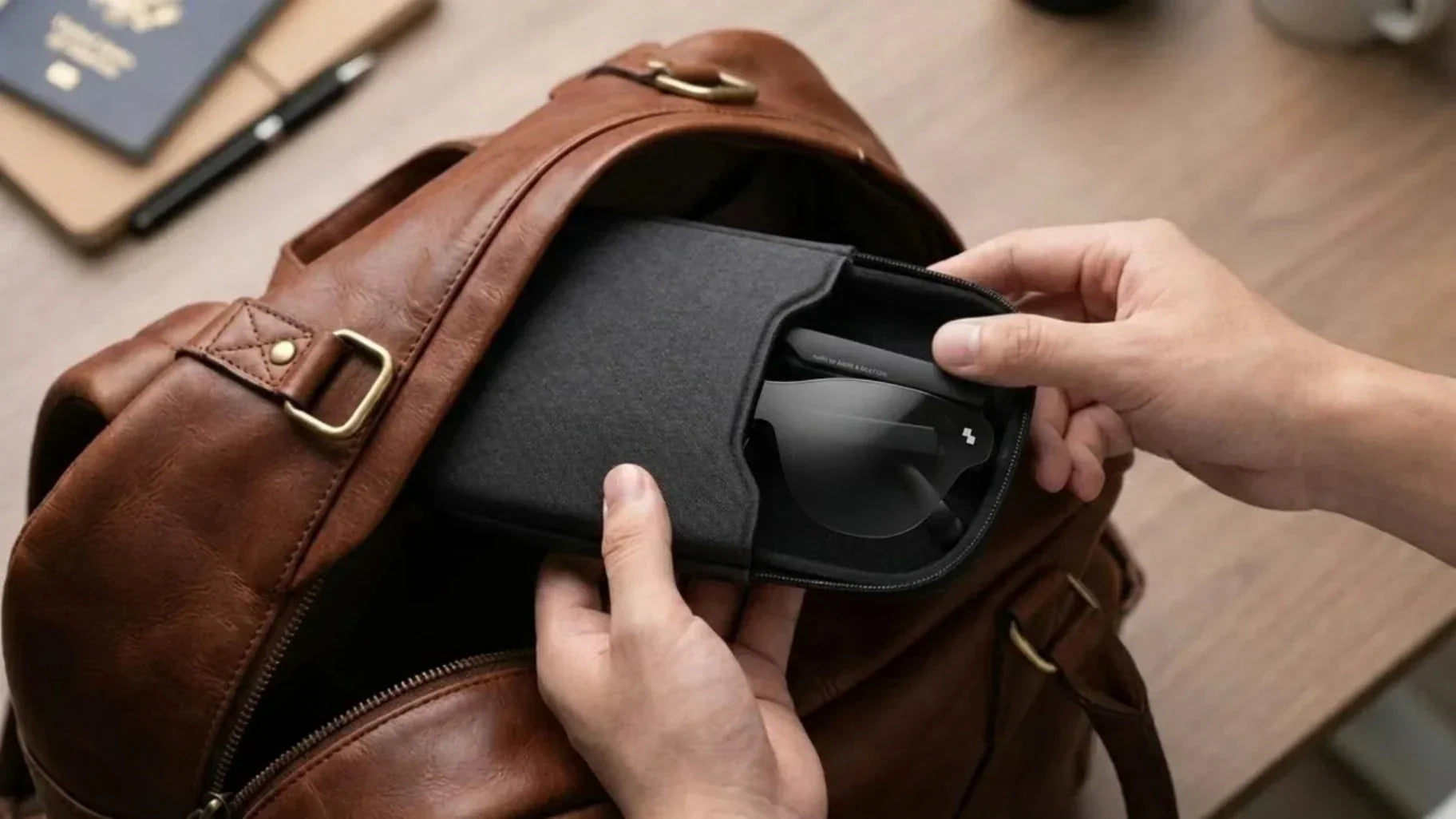
Creating short-form video requires a style that is relaxed, authentic, and close to what the human eye actually sees. Recording glasses are becoming a core productivity tool for TikTok creators to solve issues with efficiency, perspective, and realism. The goal is to eliminate pain points like handheld fatigue, missed moments, limited angles, and repetitive content. By capturing better footage, creators can take advantage of the 21 to 60-second "golden window" where completion rates are highest. In this article, we will explain why creators are moving away from phones, the technical advantages of recording glasses, and how they change the creative process. We will also look at the best TikTok scenarios for this tech and provide a helpful FAQ based on our testing and industry observations.

Over the past decade, smartphones have dominated short-form video. However, with TikTok users now spending an average of 95 minutes per day on the app and scrolling through roughly 90 videos daily, creators are pushing their phones to a painful limit to keep up with the pace.
The most immediate pain point for high-frequency creators is physical fatigue in the hands and shoulders. We tracked a creator who posts five TikToks a day; their daily filming time reached nearly 90 minutes. Holding a phone vertically for long periods keeps the wrist in a state of constant flexion. When you add an external mic and a small fill light, the setup easily exceeds 400 grams. Holding this weight for hours leads to sore forearm muscles, increased shaking, and a noticeable drop in footage stability.
Creators often discuss in their comments how their hands feel heavy by the afternoon. Switching between horizontal and vertical orientations requires constant grip adjustments, which breaks the creative flow.
Trending TikTok content is shifting toward raw, immediate moments: spontaneous street interviews, sudden performances, or highlights during sports. If a creator has to pull out their phone, unlock it, open the camera, and then switch to vertical mode with the right zoom, they often miss the first 3 to 5 seconds. In short-form video, those first few seconds determine whether a viewer stays or swipes.
In contrast, recording smart glasses can go from standby to filming via voice command in just 1 to 2 seconds. While the difference sounds small, for a 30-second video, capturing that initial spark directly impacts completion rates and engagement metrics.
Vertical content does not always mean the angle is optimized. Traditional smartphone footage is limited by the reach of the hand, gimbals, or tripods. Most creators get stuck with a few repetitive angles: chest-level, a 45-degree upward tilt, or a top-down desk shot. Over time, viewers experience visual fatigue from seeing the same perspectives in their feed. Recording glasses allow for subtle angle changes through slight head movements, creating a look that mimics how we actually see the world without the need for a tripod.
Saturation on short-form platforms is skyrocketing. Statista data shows that most young users spend between 45 and 80 minutes daily on short-form video. Interaction rates for these clips are roughly 2.5 times higher than for long-form content. This means more creators are fighting for attention on the same timeline. Many creators report that using the same smartphone compositions and filming methods makes it harder to get views, even with different filters or captions.
The hands-free interaction provided by recording glasses shifts content from being watched to being experienced together. When decoding what does pov mean in video and social media today, data shows that a true first-person perspective creates a stronger, immediate sense of immersion if the narrative pacing is tight. This viral framing often leads to comment trends like "it feels like I am experiencing this myself" or "I feel like I am right there with you. This closing of the psychological distance is something a smartphone lens struggles to maintain over time.
In the context of short-form video, recording glasses act like a real-time eye plug-in for creators. Once you understand the four dimensions of perspective, operational efficiency, natural interaction, and content vibe, it becomes clear why more TikTok creators are using recording glasses as their primary camera.
The essence of short-form video is bringing the audience into the scene, not just piecing one together with effects later. A first-person POV attaches the footage directly to the creator's line of sight. Instead of seeing a frame pointed at by a phone, viewers see the world exactly as the creator sees it.
We tested this by filming the same 30-second concept twice—once with a handheld phone and once with recording glasses—and ran an A/B test on TikTok. The POV version saw a 12% increase in completion rate. Comments like immersive and it feels like I am looking through your eyes were far more common. This shows that in a dense content feed, angles that mimic human vision grab attention faster. It creates a narrative experience of walking alongside the creator. In short, POV reframes storytelling by putting the audience in the creator's shoes.
The biggest friction in short-form creation is the preparation. Picking up a phone, checking the frame, testing the audio, and hitting record constantly interrupts a creator's flow. Transitioning to the best smart glasses for filming simplifies this layout to a simple head tilt plus a quick tap or voice command. This completely removes the mental barrier of reaching for heavy gear.
If a creator sees a moment worth capturing, they just look up and tap the frame to start. The process takes less than a second. The creator keeps walking, talking, or working without any forced pauses. This seamless capture is perfect for the small, spontaneous moments that thrive on TikTok, like the doors opening on a subway, a sudden flash mob, or a friend’s casual joke.
When the device moves from the hand to the face, creators instinctively interact more with their hands, body language, and surrounding space. In street interviews, we noticed that creators wearing recording glasses are more likely to high-five passersby, point at landmarks, or pick up items at a street stall. They do not have to worry about dropping a phone or ruining the shot.
In social settings, pointing a phone at someone often makes them nervous or causes them to decline being filmed. The glasses perspective is more low-profile, keeping the focus on the conversation. As a result, people stay longer and give more relaxed answers. The average length of these interactions increased from 18 seconds to nearly 30 seconds, which directly increases the density of usable footage.
TikTok users are more tolerant of raw footage than many traditional videographers think. Pacing, emotion, and authenticity impact the viewing experience far more than whether every frame is cinema quality. Many creators mention on Reddit and in comments that over-polished footage actually looks like an ad. Viewers often associate 24fps, heavy filters, and complex transitions with commercial content.
The slight head bobs, eye-level movement, and natural rhythm of recording glasses make the footage feel just clear enough without being over-edited. This raw quality builds trust with the audience.
From a creative workflow perspective, recording glasses stitch filming, experience, and life back together.

Filming with a phone always creates a clear start and an interruption. For example, in the middle of a chat, a creator might say hold on, let me film this. When the phone comes out, everyone's attention shifts to the device. Recording glasses allow creators to frame a shot without breaking the conversation. You can maintain eye contact and subtly adjust your head angle while the story moves forward naturally.
In our tests at family gatherings, filming with recording glasses almost never triggered kids or elders to perform for the camera. Everyone just interacted at their usual pace. When reviewing the footage, many creators were surprised that the clips looked exactly like normal life. This is precisely the kind of authentic daily content that short-form video audiences crave.
Recording habits are also changing. Due to battery and storage concerns, phone filming tends to be fragmented. This often cuts off the emotional flow of a scene. The typical way to use recording glasses is to capture longer, continuous segments. You then pick the best moments in editing and use speed ramps or jump cuts to build rhythm.
We had a creator record a 20-minute continuous city walk. We then used editing software to cut out the long pauses while keeping the walking, stopping, dialogue, and environmental details. The final 45-second TikTok video achieved a higher completion rate and a more natural emotional curve without heavy effects. For the creator, this record first, refine later model is much easier than constantly stopping and restarting.
For many creators, the biggest struggle is not what to film, but when to film it. If filming requires extra preparation and mental effort, creators often burn out. Recording glasses embed the act of creation into daily life. Walking, working, or hanging out can all be recorded on the fly. High-frequency posting shifts from a chore to a natural habit of documenting your day.
We noticed some TikTok creators using recording glasses as a digital diary. They instinctively record 10 to 30 seconds every time they enter a new scene. By the end of the day, they have richer source material that truly reflects the rhythm of their life. This method carries less psychological pressure and better consistency. It is especially important for creators looking to build a long-term personal brand.
Different content niches have different hardware requirements. Based on a large number of sample clips and creator feedback, we found several TikTok scenarios that are highly compatible with recording glasses. They share a common trait: viewers want a strong sense of immersion, and creators need to free their hands while interacting intensely with their environment.
Street interviews and social experiment content are perfect for recording glasses. Creators can maintain natural conversations with passersby while adjusting the composition with slight head movements. This captures the person’s expression, the reactions of people walking by, and the surrounding environment all at once. We noticed that on street interview accounts using camera glasses, the comments often say things like I feel like I am standing right next to you or It feels like I am going up to people with you. Likes and comments also focus more on the interaction itself rather than the equipment. This shows that viewers are starting to see the first-person perspective as a normal way to watch, not just a gimmick.
Travel vlogs require recording many dynamic scenes in a short time, from transportation and streets to natural landscapes and cultural spaces. Constantly pulling a phone out and putting it away adds a burden and frequently interrupts friends who are travelling with you. The advantage of recording glasses here is extremely clear.
Food and experience-based content consistently stays popular on TikTok. Viewers want to see exactly what is on the plate or what an activity feels like, rather than the distant camera cuts of traditional food shows. Recording glasses keep the line of sight directly above the table or facility. This lets the audience follow your chopsticks or hands to see the details.
When paired with close-range audio or an external Bluetooth mic, creators can comment on the taste while performing actions. The footage maintains a constant first-person immersion. Many users comment things like I feel like I am eating this myself or This looks even more exciting this way. This type of feedback is the best evidence of the POV advantage.
The behind-the-scenes perspective is the natural home for recording glasses. Whether it is a musician recording, a photographer setting up lights, a designer sketching, or a streamer prepping their room, the glasses perspective captures exactly what the creative process looks like. This type of content has a very stable demand on TikTok and YouTube Shorts. Having the director, photographer, and editor take turns wearing recording glasses on the same project can create a project BTS POV. Viewers see the final result and the first-person decisions made by each team member on set. This multi-POV narrative structure is very effective for boosting the professional image of a brand or personal IP.
Are you still using your phone to film content? Every time you lift your phone, the crowd scatters, the vibe breaks, and the authenticity disappears. The shift from smartphones to recording glasses among TikTok creators is not just a temporary gimmick. It is a systematic upgrade for creative efficiency, physical comfort, and content realism. Average video lengths are increasing, and daily watch times are climbing. Creators need lighter, more natural, and more immersive filming tools to maintain sustainable output in this flood of content.
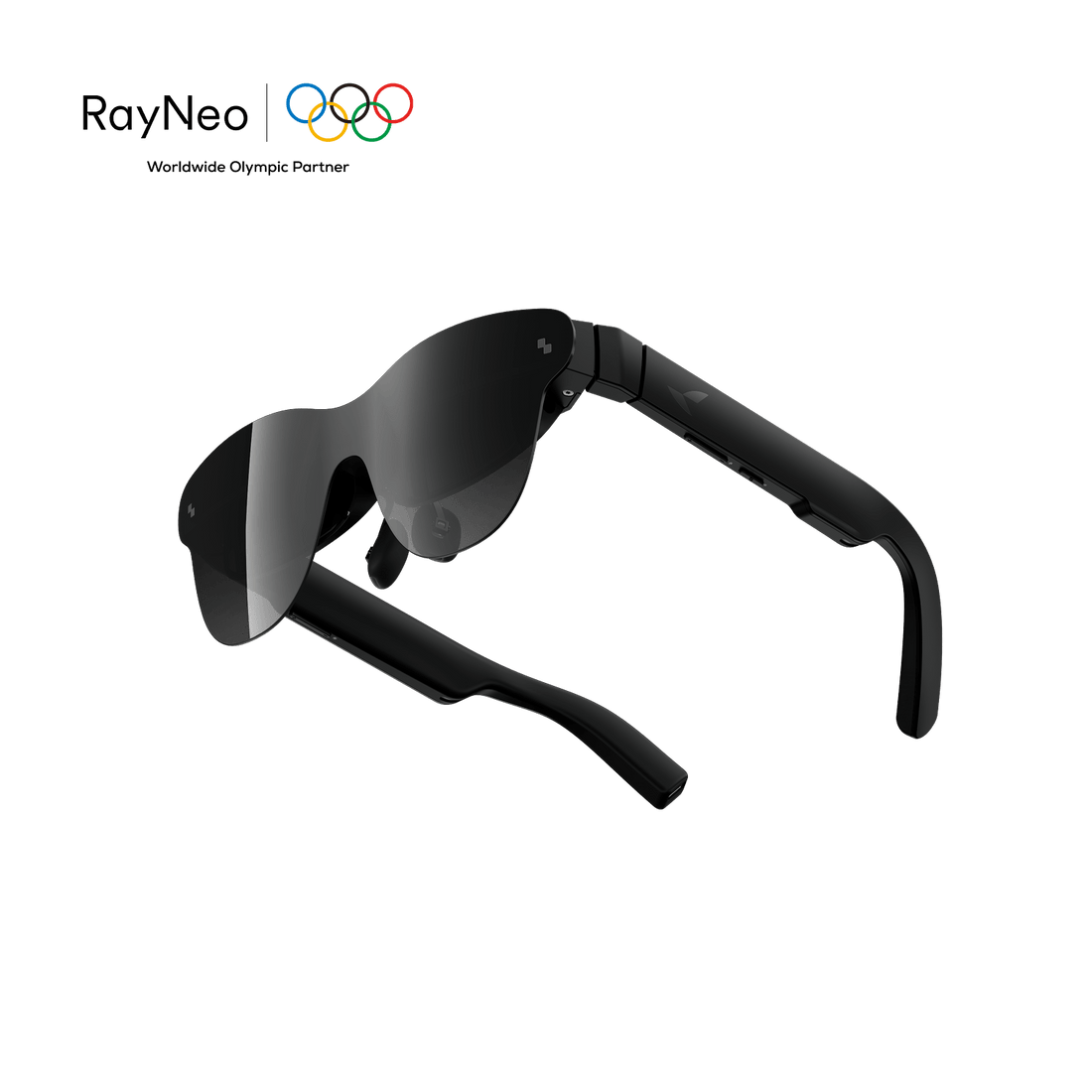
For creators who need all-in-one filming, processing, and storytelling capabilities, we recommend the RayNeo X3 Pro. It features a 12MP Sony sensor and runs the full RayNeo AIOS system. It can directly run mainstream apps like TikTok and use voice commands for instant recording. From the hardware to the underlying system, it is designed around the logic of shooting and posting anytime.

When exploring smart glasses with camera-everything you need to know regarding legal usage, these hardware layouts generally share the same baseline public status as smartphones and action cameras. In most public spaces, filming is permitted provided you follow local privacy laws and likeness rights. However, for private venues like malls, concerts, and closed exhibitions, operators usually post clear parameters at the entrance regarding whether video capture is allowed. Creators should check for these signs or ask staff before entering with recording glasses.
We recommend asking for consent from individuals who appear clearly in your shots, especially in close-ups. During editing, it is also good practice to blur unauthorized faces. This helps avoid potential disputes and shows respect for your audience and the public.
All mainstream recording glasses support simultaneous audio and video recording. However, the number of microphones, their directionality, and noise-reduction algorithms vary. In our tests, single-microphone setups often let environmental noise drown out human voices on busy streets. Dual-mic or array setups with wind and ambient noise suppression significantly improve voice clarity.
For creators doing frequent street interviews or vlogs, we suggest choosing models that support external Bluetooth microphones or synced recording with a phone. This allows you to keep the first-person view while getting audio quality close to a lavalier mic. When using external attachments, ensure they do not block the lenses or interfere with the footage.
There are currently two main ways to transfer footage to a phone or computer: wireless transfer via Wi-Fi or Bluetooth, and wired export using a USB cable. Wireless transfer is great for short daily clips. You can quickly sync the latest footage to your phone during breaks or commutes and use your favorite editing apps. Wired transfer is better for moving large amounts of 4K or high-bitrate video, as it is faster and more stable.
Some devices support cloud integration, automatically backing up content when connected to Wi-Fi. This lowers the risk of data loss for high-frequency creators. In our recommended workflow, we suggest creators set a fixed time for batch exports and backups. For instance, exporting the day's footage every evening helps maintain a steady creative rhythm.
Based on our observations and tests, recording glasses are very friendly to vloggers. They are especially useful for those who prefer capturing the natural flow of daily life over staged shots. The first-person view naturally presents movements like walking, turning, or looking down. Combined with the right focal length and stabilization, they provide an immersive and watchable experience.
The price range for recording glasses is quite broad. Entry-level products usually cost a few hundred dollars but often compromise on resolution, battery life, and ecosystem compatibility. Mid-to-high-end products generally enter the thousand-dollar range. This higher price gets you better image quality, chip performance, and system integration. If a creator intends to use recording glasses as a primary productivity tool rather than just a gadget to try out, we recommend choosing a platform-level product with a mature display and processor, such as the RayNeo X3 Pro.





Share:
Home Theater vs. AR Glasses: Which One Is Better in 2026?
Glasses That Record Video: Best Camera Glasses for Hands-Free Filming