

$429.00

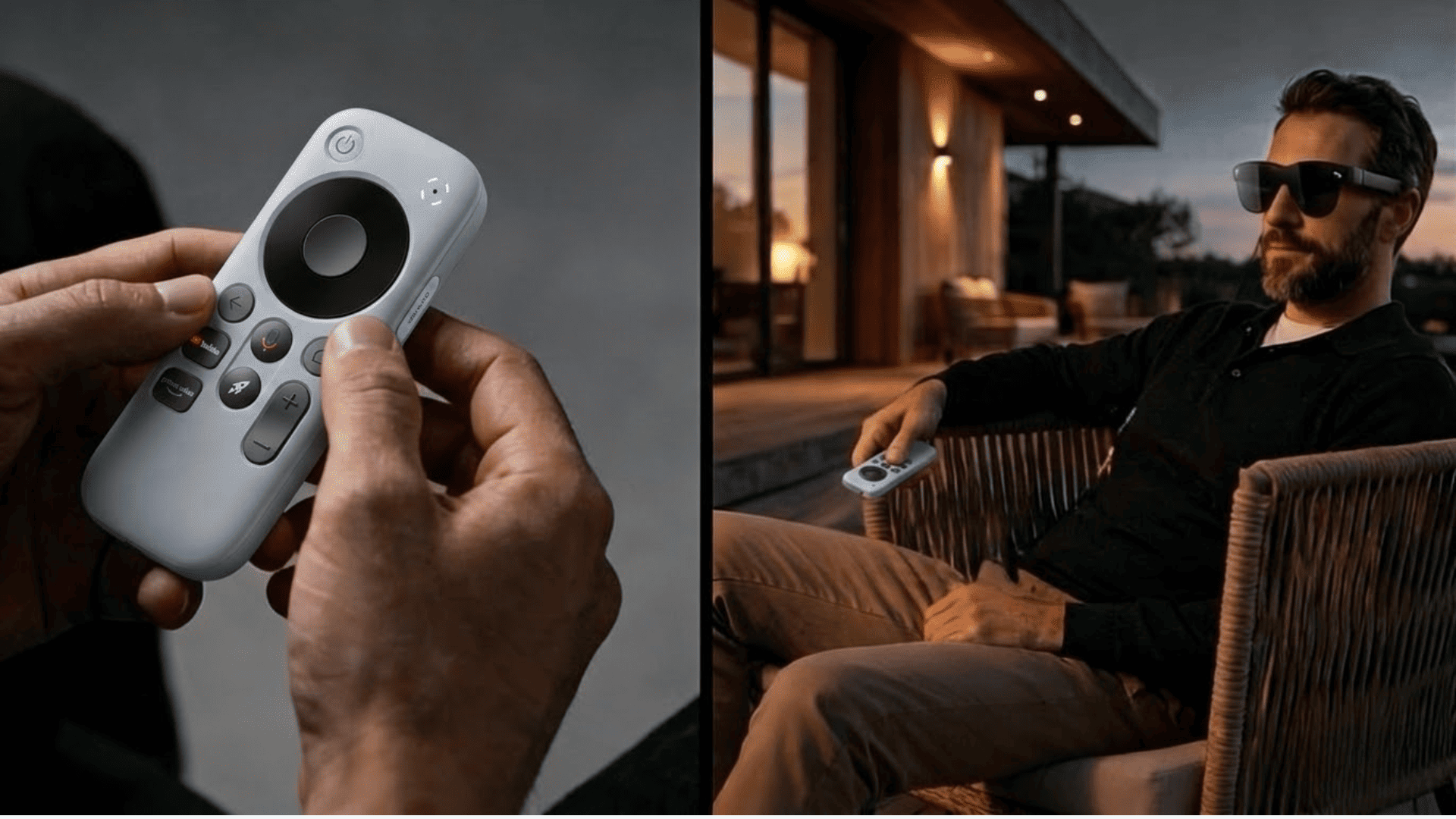
For those seeking an immersive movie-watching experience at home, home theaters and AR glasses represent two completely different lifestyles. If you have a dedicated viewing space and value the ritual of watching blockbusters with family, a home theater is still a great fit. However, if you live in a rental or a studio apartment, or travel frequently and want a 200-inch class portable cinema at any time, AR glasses in 2026 have evolved into a mainstream choice. In this article, we will use high-density data and hands-on experience to help you decide which one fits your space, budget, and habits. We will also break down the differences between home theaters and AR glasses in terms of screen size, audio immersion, installation complexity, and streaming platform compatibility.
At its core, a home theater is a dedicated audiovisual space built around a large-scale display and a multi-channel sound system. The goal is to replicate the standards of a commercial cinema as closely as possible. This includes optimizing color, brightness, and contrast, alongside a 5.1 or 7.1 surround sound field to recreate a true movie theater atmosphere.

A complete Home Theater system typically consists of three main modules: the display device, the A complete Home Theater system typically consists of three main modules: the display device, the audio system, and the signal source.
Display: The display component can be a 75 to 98-inch 4K TV or a 4K projector that throws a 100 to 150-inch image. Brightness levels usually exceed 1500 to 3000 ANSI lumens to maintain visibility in a living room environment.
Audio System: Centred around an AV receiver, the audio system connects 5 to 9 speakers and 1 to 2 subwoofers. Typical configurations are 5.1 or 7.1 surround sound. Some high-end users add ceiling speakers that support Dolby Atmos to enhance vertical soundstage layers.
Signal Source: Signal sources include 4K Blu-ray players, gaming consoles, streaming boxes, and NAS media servers. These connect to the receiver and display through interfaces like HDMI 2.1 to form a complete playback chain.
audio system, and the signal source.
Display: The display component can be a 75 to 98-inch 4K TV or a 4K projector that throws a 100 to 150-inch image. Brightness levels usually exceed 1500 to 3000 ANSI lumens to maintain visibility in a living room environment.
Audio System: Centered around an AV receiver, the audio system connects 5 to 9 speakers and 1 to 2 subwoofers. Typical configurations are 5.1 or 7.1 surround sound. Some high-end users add ceiling speakers that support Dolby Atmos to enhance vertical soundstage layers.
Signal Source: Signal sources include 4K Blu-ray players, gaming consoles, streaming boxes, and NAS media servers. These connect to the receiver and display through interfaces like HDMI 2.1 to form a complete playback chain.
Home theaters generally fall into three categories: living room theaters, dedicated media rooms, and minimalist projector setups. A living room theater uses existing space with a 75 to 85-inch TV and a 5.1 sound system, offering manageable costs but less control over light and noise. Dedicated media rooms utilize a closed 100 to 200 square foot space for 120 to 150-inch screens and 7.1.2 channel systems, providing superior immersion at a higher price point. Minimalist setups typically use ultra-short-throw laser projectors and soundbars in small offices or bedrooms, where users prioritize space-saving and large visuals over absolute audio fidelity or perfect black levels.
For home theaters, many users first wonder if their home actually has enough space. However, bigger is not always better. The key is creating a balanced geometric relationship between screen size, viewing distance, and seating layout. This is the primary physical difference between a traditional home theater and AR glasses.
If you aim for a 100 to 120-inch projection, you need an effective room depth of at least 3.2 to 3.8 meters. The ideal viewing distance is typically 1.4 to 1.6 times the screen diagonal. For a 75 to 85-inch TV setup, a viewing distance of around 3 meters works well, which is achievable even in smaller apartments through smart furniture placement, though the channel layout may feel tighter. To truly support a cinema-grade 7.1.2 system and two rows of seating, you generally need a room larger than 15 square meters along with basic acoustic treatments for walls, ceilings, and floors. Without sound absorption and proper light blocking, even high-end equipment cannot perform at its full potential. In contrast, AR glasses require almost zero physical space. Whether you are on a sofa, in bed, or in an airplane seat, you can enjoy a massive virtual screen with a level of freedom that fixed geometric setups simply cannot match.
For home theaters, the focus is on building an immersive, fixed cinema experience around a physical room. In contrast, AR glasses act as a portable personal giant screen. The difference is that AR glasses bring the screen directly into your field of vision rather than mounting it on a living room wall. By 2026, AR glasses have evolved from early experimental gadgets into daily-use personal display terminals and spatial computing gateways. Improvements in brightness, resolution, refresh rates, and weight now allow for long-term comfort. Powered by AI models and spatial awareness, content is shifting from simple video playback to intelligent information overlays.
Traditional TVs and projectors are often limited by real-world constraints, such as a shared living room, the need for low volume at night while children sleep, or the inability to drill holes in rental walls. To bypass these limitations, buying-tv-glasses-for-immersive-viewing solves these issues by projecting a virtual screen equivalent to 100 to 200 inches. Combined with directional speakers or headphones, they provide high-brightness visuals and a private soundstage that avoids disturbing others. According to Statista estimates for the AR and VR smart glasses market, hardware and software revenue is expected to exceed 24 billion dollars in 2026. This growth reflects a long-term shift in user habits from large, fixed equipment toward personal wearable displays.
In our actual user sample, we see many cases of long-term use for streaming and cloud gaming. The feedback highlights how these technologies fit into different lifestyles:
For Business Travelers: AR glasses provide a consistent visual experience across airport lounges, trains, planes, and hotel rooms. You can summon a virtual screen equivalent to 130 to 200 inches in front of any seat. By using a tablet or phone as the content gateway, you can detach your viewing experience from your physical surroundings.
For Renters and Small Apartments: Feedback shows that AR glasses solve the problem of walls unsuitable for TVs or limited projection distances. They require almost zero renovation costs to build a portable home theater with just a phone or handheld console.
For Gamers: AR glasses with 120Hz refresh rates paired with consoles or handhelds offer smoother motion for FPS and racing titles. Many players on Reddit and YouTube mention that, compared to small handheld screens, AR glasses make it easier to see interface details while preventing neck fatigue from looking down.
For Productivity: Another group of users focuses on professional use, such as overlaying two or three virtual desktops in front of a laptop for multi-window office work or coding. These scenarios require high text clarity and color accuracy, which has driven manufacturers to continuously iterate on MicroOLED and optical waveguide technology.
However, feedback from our long-term wear tests shows that AR glasses cannot simply replace all home entertainment devices. The core limitations involve comfort, eye fatigue, and the ability to share the experience. Even with weight kept between 70 and 80 grams, wearing them for over two hours can cause pressure on the bridge of the nose and a clamping sensation around the ears. This makes the weight distribution and nose pad design critical. Both our internal tests and user feedback indicate that keeping brightness above 700 to 1000 nits for too long can lead to dry eyes and glare. This is especially true when watching HDR content in a dark room. Because of this, we emphasize fine-grained brightness controls and high-frequency PWM dimming in product design.
Multi-user sharing is another practical hurdle. A home theater allows a family of three or four to watch a movie together and interact naturally. AR glasses focus more on a private experience for one or a few people. Even if everyone wears a pair, they still need separate devices or screen-splitting strategies, which weakens the social atmosphere. Finally, there is the issue of content compatibility. Some streaming apps with strict DRM restrictions lower the resolution or block playback during screen mirroring. You often need official connection methods or dedicated apps to get the best picture quality. We have encountered this issue repeatedly while testing different platforms.
So, what are the actual differences between a home theater and AR glasses, and how do these differences impact your real-world experience? We will compare them across four key areas: screen size experience, audio immersion, portability, and installation difficulty. This breakdown will help you quickly determine which direction best fits your needs.
When comparing screen size and visual immersion, we recommend looking at field of view and environmental control rather than just raw inches. A traditional home theater uses a physical 100 to 150-inch image at a specific distance to create the feel of sitting in the front rows of a cinema. However, this requires a deep room and controlled lighting. You must also plan for reflections from walls and furniture, or you will lose shadow detail and contrast.
AR glasses use micro-displays and optical engines to fix a virtual screen of 130 to 200 inches directly in your line of sight. This experience is like watching a 120 to 150-inch TV from 3 to 4 meters away. In 2026, mainstream models lock the virtual screen at a distance of 3 to 6 meters. This reduces eye strain and makes the glasses easy to use in tight spaces like airplanes or bedrooms. Some models reach 1000 to 1200 nits of brightness. Combined with high-contrast MicroOLED tech, they offer black levels similar to high-end OLED TVs in dark rooms, though they still need a light shield in bright environments.
In terms of audio, home theaters rely on physical multi-channel speakers, amplifiers, and acoustic treatments to build a true surround sound field. No AR glasses can fully replicate this yet. With a 7.1.2 Dolby Atmos system, sound forms a continuous sphere around and above you. A dedicated subwoofer handles low frequencies, often dropping below 30Hz with significant pressure. As long as your neighbors and family do not mind, you can perfectly recreate the explosions and ambient effects of a commercial theater.
AR glasses typically use directional open-ear speakers or bone conduction. Many models feature four-unit or two-unit speakers that use beamforming to focus sound toward the user while minimizing leakage. Our tests of 2026 models show that the volume is plenty for bedrooms, hotels, and quiet living rooms. The separation between vocals and background music meets standard viewing needs, but there is still a clear gap in extreme dynamics and deep bass compared to a dedicated system. Using earbuds or headphones with AR glasses can help bridge the gap with virtual surround sound, but this remains a private experience rather than a shared one.
Portability is the most disruptive advantage of AR glasses. It is a key reason why many users are trying them in 2026. Whether it uses a TV or a projector, a home theater is tied to one room. Moving requires taking down mounts, packing heavy gear, and recalibrating everything. This limits its value to a single location. For renters or people who move often, this heavy setup can be a major drawback.
AR glasses function more like a display subsystem for a high-end laptop. They weigh around 70 grams and fit into a small case when not in use. They take up very little space in a travel bag. Feedback shows that users frequently use them on high-speed trains, flights, hotels, and office breakrooms. You can open a personal theater anywhere with just a phone or a handheld console. Home theaters simply cannot match this level of instant access and flexibility.

Setup difficulty is a practical hurdle for many families. Installing a home theater involves choosing equipment, planning cables, mounting hardware, and optimizing acoustics. Even a simple soundbar setup requires managing HDMI eARC and remote settings. Building a dedicated media room can take weeks and is a massive project for a newly renovated home.
AR glasses are much simpler to deploy. Most users only need to pair the device with a phone, tablet, or PC, or just plug it in. You then adjust the interpupillary distance, brightness, and screen size in the settings. Many models connect directly to game consoles via USB-C or HDMI. In our tests, going from power-on to a streaming app or game takes less than a minute. For those who want a giant screen without changing their living room wiring, this low barrier to entry is very attractive.
When it comes to the actual viewing experience, most users care about the overall performance of movies and streaming. This includes image quality, sound, convenience, and how well the tech fits into daily family life. We will focus on the cinematic feel, privacy, and streaming compatibility to see which setup has the edge for daily shows and blockbusters in 2026.
If we judge strictly by how close it gets to a real movie theater, a home theater with a high-end projector or large OLED TV and multi-channel audio still wins. This is especially true if you have enough space, clean wiring, and basic acoustic treatment. A high-brightness laser projector paired with an ambient light rejecting screen delivers excellent HDR brightness and shadow detail in a dark room. The dynamic range during action scenes also far exceeds standard TVs. Combined with the surround sound field and deep bass, the sense of ceremony this system creates is hard for current AR glasses to match.
However, thanks to advances in MicroOLED and optical engines, 2026 AR glasses are approaching or even surpassing traditional projectors in color and contrast. This is particularly noticeable in bedrooms with light-colored walls, as AR glasses do not require specific screen materials or blackout curtains. As long as you use high-bitrate 4K HDR content, the perceived detail and black levels are like watching a high-end OLED TV from about 2 meters away. With a virtual screen size reaching 120 to 150 inches, this close-up large-scale view is very effective for solo watching.
Another key factor is the balance between privacy and sharing. This is where the core logic of home theaters and AR glasses differs most. A home theater is naturally suited for groups. A physical screen functions like a living room sofa or dining table, serving as a social hub. You can pause a movie to discuss the plot or a game strategy. This interaction within a physical space is very intuitive. For families with children, parents can easily monitor reactions and adjust the viewing schedule accordingly.
AR glasses favor the individual. They are perfect for late-night binge-watching when a partner is asleep or a child is nearby doing homework. You can watch anything at a clear volume without leaking sound or light. In travel settings like airplanes, AR glasses provide a private viewing bubble. Many users find that the surrounding environment fades away once they put on the glasses, making it easier to get lost in a story. For families who do not always have the same free time, this ability to watch independently adds significant practical value.
Regarding the content ecosystem, both setups usually rely on the same underlying sources. The issue is not whether you can watch, but how smooth the process is. Home theaters typically use smart TV systems, streaming boxes, or game consoles to access platforms like Netflix, Disney Plus, and Max. These devices are very mature in 2026 and support 4K HDR, Dolby Vision, and Dolby Atmos. With enough bandwidth, the experience is stable and reliable.
AR glasses depend on their connection method. If you use a USB-C DP cable to connect directly to a phone, tablet, or handheld console, the app experience is identical to the mobile device but on a massive virtual screen. Wireless casting can lead to lower resolution or stuttering due to protocol and DRM limits. In our tests, a native wired connection is still the best way to watch streaming content. Keep in mind that some services have different licensing rules for external displays. It is best to check the compatibility of your favorite platforms before buying, which is something we prioritize when recommending hardware combinations.
After the multi-dimensional comparison above, it is clear that home theaters and AR glasses are not simple replacements for each other. Instead, they are solutions that serve different life stages and living spaces. Rather than debating which is absolutely better, you should focus on your current living situation, family structure, and work or travel habits. This will help you determine which option you will actually use more often.
The following table summarizes the core differences across typical 2026 use cases for quick reference:
|
Scenario |
Home Theater |
AR Glasses |
|
Space Requirements |
Requires a dedicated wall and over 3 meters of viewing distance |
Nearly zero space required; can be used in any seat |
|
Viewer Count |
Best for 2 to 6 people to share |
Primarily for 1 person; supports multiple units in parallel |
|
Screen Experience |
100 to 150-inch physical image; limited by room size |
Approx. 130 to 200-inch virtual screen; high adaptability |
|
Audio Performance |
Multi-channel physical soundstage and deep bass |
Directional speakers or headphones; high privacy |
|
Installation |
High; requires wiring and calibration |
Low; ready to use right out of the box |
|
Ideal Users |
Homeowners with family viewing needs |
Renters, travelers, late-night viewers, and heavy mobile workers |
For users who own a stable home, have a fixed room layout, and often watch movies with family, a home theater remains a valuable long-term investment in 2026. In our discussions with movie buffs, we found that those willing to spend time selecting amplifiers, speakers, and projectors deeply value the cinematic bass impact, wide soundstage, and sense of ceremony that a large screen brings. This experience offers irreplaceable social value during family gatherings, visits from friends, and holiday movie nights.
If you have a room dedicated to media or are willing to do light wiring and renovations in your living room, a well-built home theater can last for over a decade. You only need to update the display or amplifier to keep the performance current. This type of long-term asset is ideal for users with a stable lifestyle and children who want to make weekend family movie night a household tradition.
By contrast, AR glasses have a clear advantage for renters, people in small apartments, frequent business travelers, or those who work from multiple locations. We have met many young professionals living in shared or short-term apartments in major cities. They often cannot convince landlords to allow projector screen installations, and it is difficult to fit a massive TV into a 100 to 130 square foot bedroom. For them, AR glasses serve as both a stowable mobile TV and a way to reclaim their sense of personal space.
For frequent travelers, AR glasses significantly change the trip experience. You can watch content on a virtual screen that feels like 200 inches from a comfortable position on a long-haul flight, rather than staring at a small seatback screen or tablet. Consider this real-world scenario: on a red-eye flight or late-night train, other passengers are sleeping with the lights off. Traditional devices are either too bright and distracting to others or too small to be immersive. AR glasses solve this conflict perfectly by providing a high-brightness virtual screen and a private soundstage.
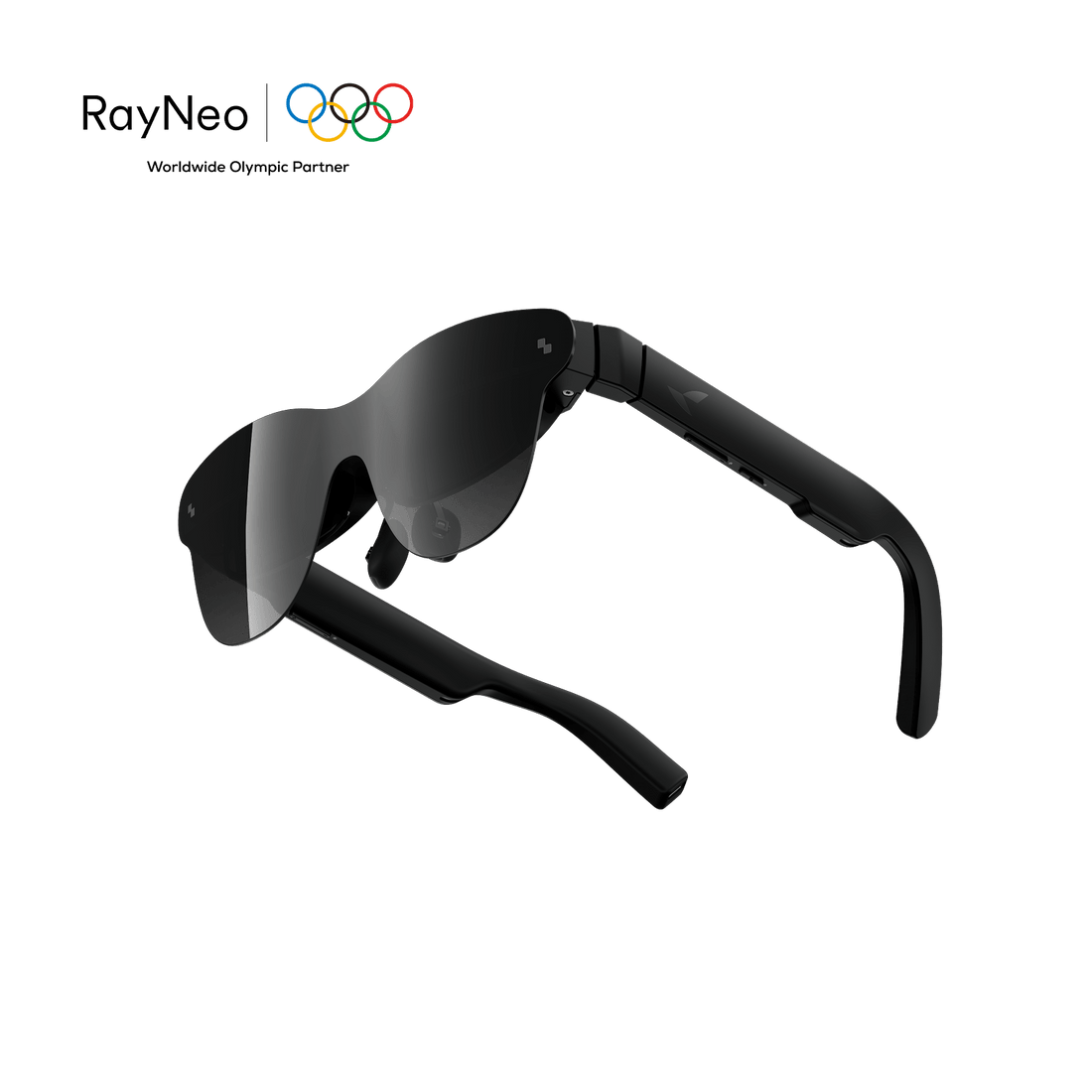
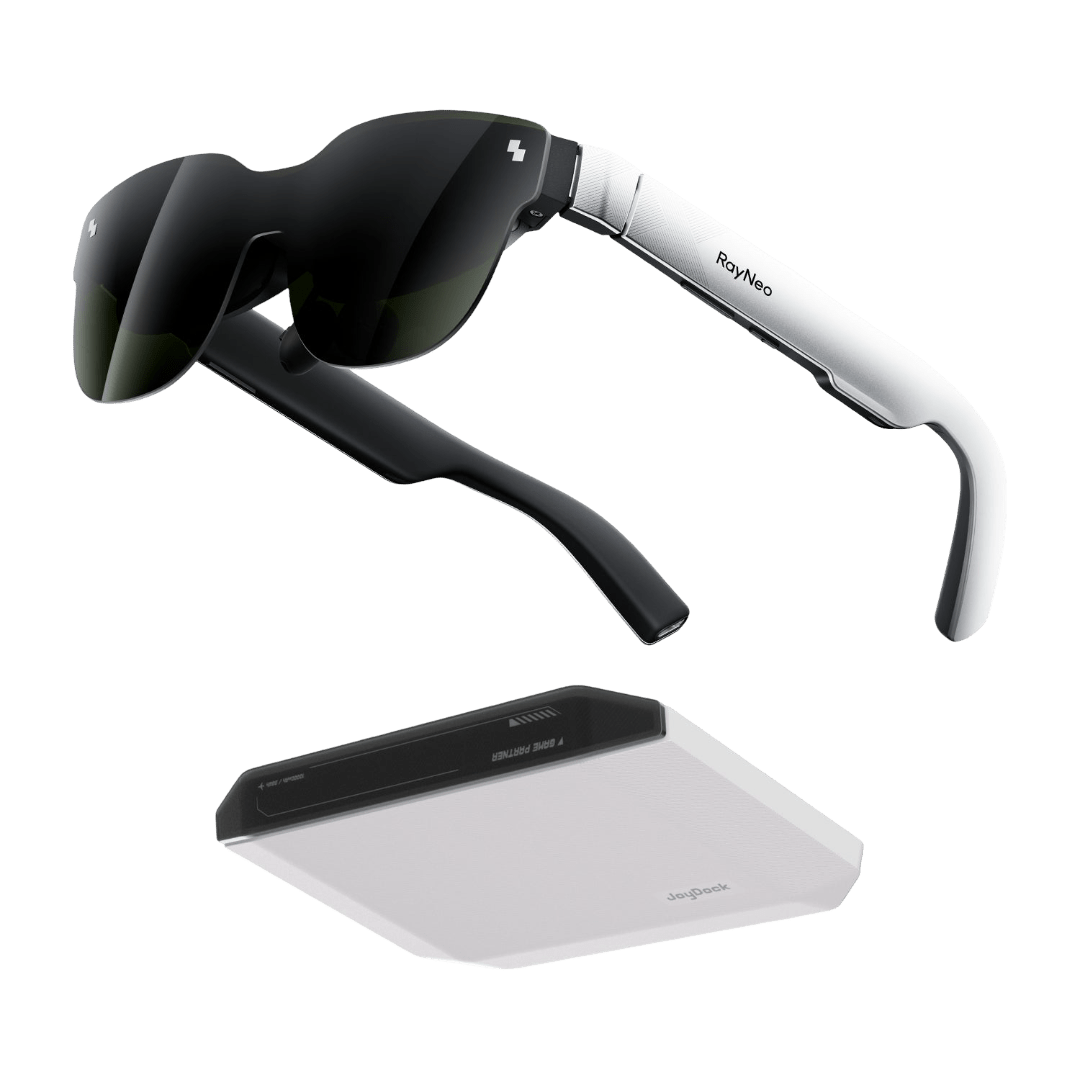
In these cases, a pair of AR glasses with high-brightness MicroOLED displays, a 201-inch virtual screen, and a 120Hz refresh rate will greatly improve the experience. In our testing of the RayNeo Air 4 Pro, we found that its HueView 2.0 1080p MicroOLED screen provides up to 1200 nits of perceived brightness. It also supports up to 120Hz and HDR10, making fast-motion scenes and dark details look much better than on traditional handheld screens. For users who want a giant portable screen without the hassle of a large setup in a rental, these products are often the top choice.

Returning to the original question, which is better in 2026, a home theater or AR glasses? Our conclusion is that it depends on your lifestyle rather than just technical specs. For those who are still undecided, we suggest focusing on how much you will actually use the device daily. If you spend most of your time on the go or live in a compact space, a high-quality pair of AR glasses will likely offer much more value than a living room theater you rarely use. Regardless of your choice, the key in 2026 is to match your screen format to your lifestyle instead of just chasing hardware benchmarks.
A home theater is still a great investment in 2026 if you have a stable living environment and want a long-term upgrade to your media experience. Hardware prices are more affordable than in previous years. The image quality of 4K projectors and large TVs has reached a very mature level. When you combine this with a multi-channel sound system and basic acoustic treatment, you can reliably recreate a commercial cinema experience at home. Additionally, a home theater serves as an emotional centerpiece for family life. Whether you are watching cartoons with your kids on the weekend or old movies with your parents during the holidays, it provides lasting value for years.
For solo viewing, AR glasses can replace a traditional TV in many scenarios, especially for renters, people in smaller apartments, or frequent travelers. Using high-brightness MicroOLED screens to create a 130 to 200-inch virtual display, you can get much better immersion than a TV while sitting in bed, on a sofa, or in a vehicle. It requires zero wall modifications or wiring. However, TVs and home theaters remain essential for group viewing and family social time. A more realistic view is that AR glasses act as your primary mobile screen, allowing the TV to shift from an always-on device to one reserved for specific family moments.
For budget-conscious users, the most cost-effective approach is to focus your spending on a 75 to 85-inch 4K TV and a Dolby Atmos-enabled soundbar. You should avoid trying to build a full 7.1 multi-channel system right away. This strategy keeps your investment manageable while delivering a soundstage and low-frequency performance that is significantly better than built-in TV speakers.
Based on user feedback and our long-term internal testing, 2026 AR glasses are much better for feature-length films than earlier models. Whether they work for you depends on three factors: weight and fit, brightness control and PWM dimming, and how well you adapt to virtual screen distances. Models that weigh between 70 and 80 grams with balanced pressure on the nose pads and temples usually allow for two to three hours of continuous viewing without discomfort. If you plan to watch two or more movies back-to-back, we recommend choosing a model with precise brightness adjustments, high refresh rates, and adjustable nose pads. Taking short breaks will also help reduce eye and neck strain.





Share:
What Are the Latest Trends in Cool Wearable Technology?
Why TikTok Creators Are Switching to Recording Glasses