

$429.00


Camera glasses combine stylish eyewear with a discreet built-in camera that captures photos and video from your point of view. They can help you record walks, travel experiences, demonstrations, or everyday moments hands-free, without constantly reaching for a phone. This convenient design supports quick, natural content creation.
Before buying, compare the manufacturer’s current features, app requirements, storage options, lens choices, battery life, warranty coverage, and U.S. price. Specifications and availability may change, so confirm compatibility with your phone and review privacy guidance before recording in public. Choosing carefully helps ensure your glasses and camera meet your needs.

Camera glasses are worth considering if you value hands-free, first-person recording more than maximum image quality. They are especially useful when using a phone would interrupt the moment.
Best for:
Their natural point-of-view perspective can make everyday footage feel more immersive.
However, camera glasses are less suitable for professional video production. Compared with smartphones, action cameras, or mirrorless cameras, they may offer shorter battery life, fewer manual controls, weaker low-light performance, and less effective stabilization.
Camera glasses are wearable eyewear designed to record photos, video, and sometimes audio through a camera mounted in the frame. They may look like ordinary sunglasses or prescription frames, although a small camera, status light, microphone, and control button are often built into the design.
For a broader look at connected eyewear, explore Smart Glasses, including products that focus on audio, notifications, or display features rather than recording.
Most built in camera glasses feature a front-facing camera, internal storage, and a rechargeable battery. A button or voice command starts recording, while Bluetooth or Wi-Fi connects to a companion smartphone app for setup, file transfer, editing, and sharing. Many models have a visible recording indicator, record short clips, and require a nearby phone. Check operating-system requirements before purchasing.
Typical features include still photos, short video clips, voice commands, open-ear speakers, hands-free calling, and automatic uploads to a phone. Some apps offer simple trimming, captions, filters, or direct sharing to social platforms.
Look for privacy controls such as a physical power switch, clear recording light, microphone settings, and the ability to delete files from both the glasses and the app.
When comparing camera glasses, focus on the features that directly affect recording quality, usability, and everyday comfort:
The best smart glasses for filming depend on how you record, where you wear them, and how much editing you expect to do.
Choose camera glasses with a natural field of view, dependable phone transfer, comfortable frames, and clear microphones. They are convenient for short clips of streets, landmarks, meals, and conversations, provided you respect local privacy expectations.
Look for quick controls, vertical-friendly video, voice commands, and an app that simplifies sharing. Camera glasses can add authentic behind-the-scenes footage to a vlog, but use a phone or dedicated camera for your main presentation because glasses usually lack a large preview screen.
Prioritize secure fit, water resistance, wind reduction, and stabilization. For fast cycling, rugged trails, or extended hikes, an action camera may be safer and more reliable because it offers stronger mounting options and longer battery accessories.
Select a model with official prescription-lens support rather than assuming any optical frame can be adapted. Confirm prescription limits, lens materials, turnaround time, and whether changing lenses affects the warranty.
Choose glasses with an obvious recording light, a physical control, clear shutdown behavior, and straightforward file deletion. Avoid recording in sensitive settings unless everyone understands what the device is doing.
Use an action camera or mirrorless camera when you need long sessions, strong stabilization, 4K detail, manual exposure, interchangeable lenses, or professional audio. Camera glasses are a supplement for spontaneous footage, not a universal replacement.

Each camera type solves a different problem. The main choice is between immediate hands-free convenience and greater quality and control.
| Factor | Camera glasses | Action camera | Smartphone | Body camera |
|---|---|---|---|---|
| Hands-free use | Excellent | Excellent with a mount | Limited without accessories | Excellent |
| Image quality | Basic to good | Good to excellent | Good to excellent | Basic to good |
| Stabilization | Limited to moderate | Usually strong | Often strong | Varies |
| Battery life | Often limited | Better with spare batteries | Moderate | Often designed for longer shifts |
| Storage | Internal or app-managed | Internal or removable card | Generous but varies | Internal or removable, depending on model |
| Durability | Everyday use | Usually rugged | Vulnerable without a case | Often rugged |
| Privacy visibility | Often visible indicator | Usually obvious device | Obvious camera use | Usually obvious |
| Editing | Companion app or phone | Extensive app and desktop options | Extensive mobile options | Often basic |
| Overall control | Limited | High | High | Moderate |
Camera glasses prioritize hands-free convenience and a natural first-person view, while action cameras offer better stabilization, smartphones provide greater control, and body cameras support longer documented recording.
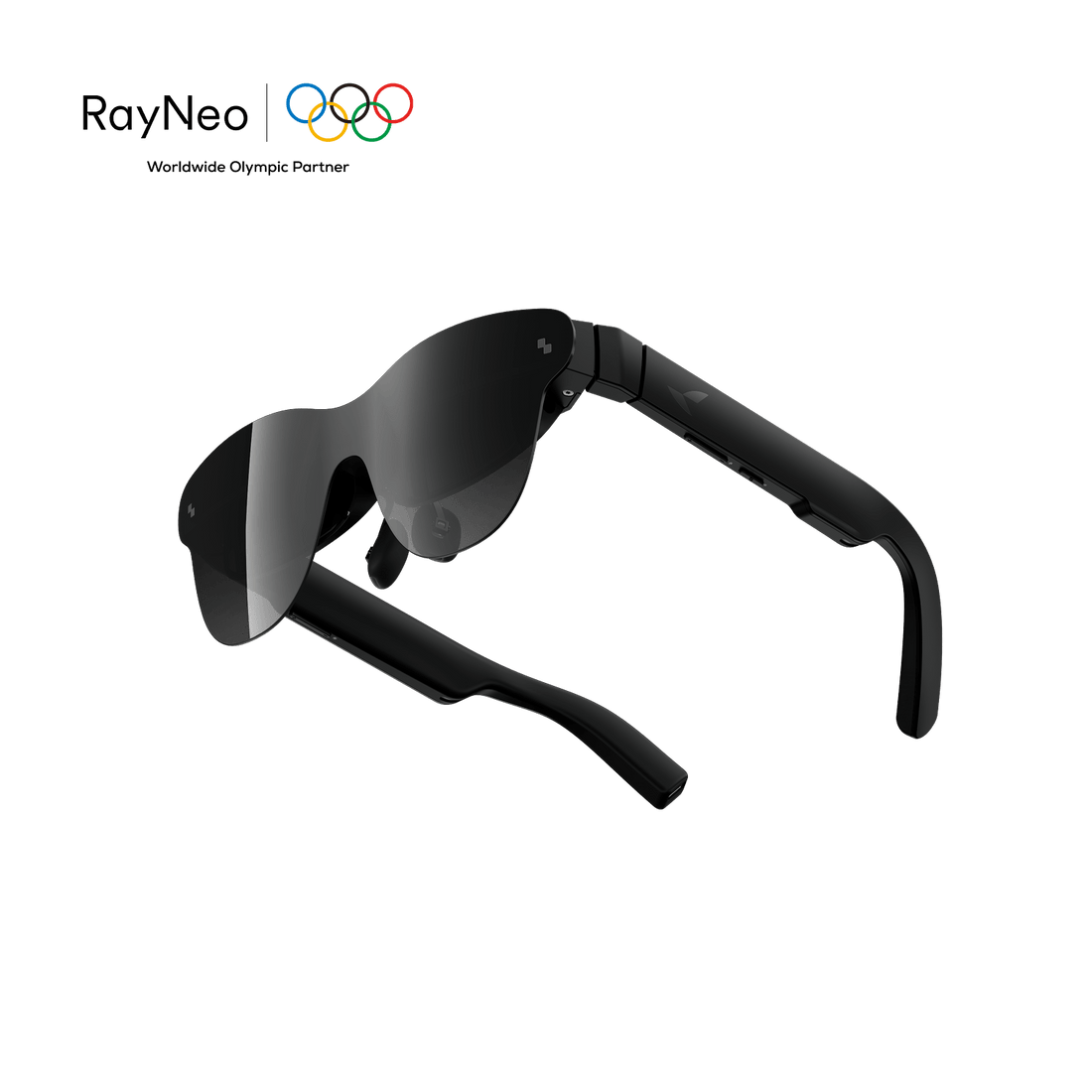
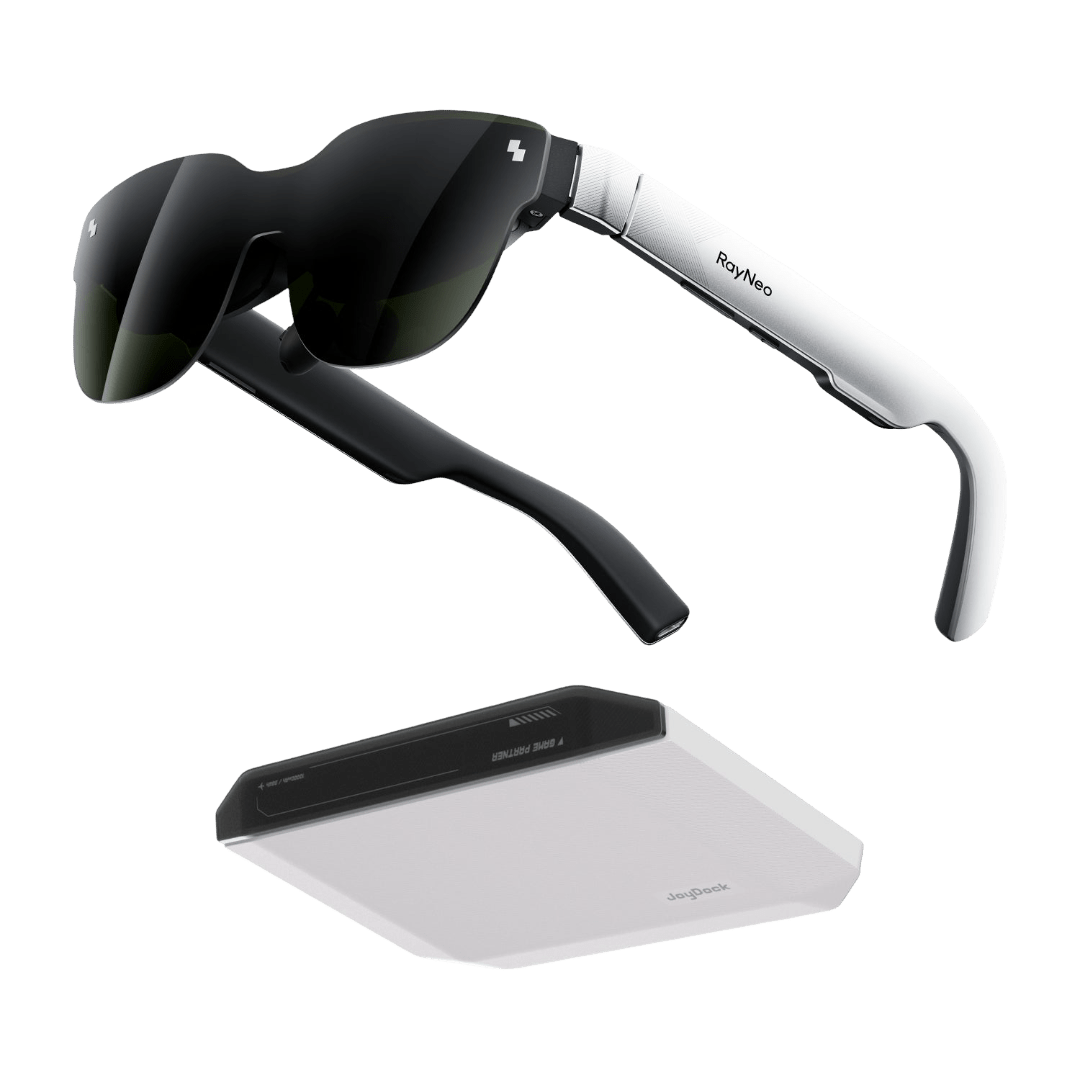
When comparing glasses and camera options, consider image quality, battery life, visibility, and intended use. For display-focused smart eyewear, RayNeo Air 4 Pro AR Glasses offer a different use case, focusing on private viewing rather than recording.
Key features include:
When comparing glasses with built in camera options, use this short process to evaluate individual models.
Recording laws vary by state and situation. Federal and state rules may treat audio and video differently, so users should review applicable state recording laws before capturing conversations.
Keep the status light unobstructed and avoid modifying software or hardware to hide recording. A visible indicator helps people understand when the camera is active.
Ask before recording conversations, medical appointments, classrooms, changing areas, homes, or other sensitive locations. Audio recording can create additional legal concerns, particularly when people do not know they are being recorded.
Businesses, schools, museums, concerts, and employers may prohibit recording devices even when recording might be lawful. Follow posted policies and staff instructions.
Use a strong phone password and secure account credentials. Delete unnecessary clips, review cloud-sharing settings, and avoid automatically uploading private footage to social platforms.
Camera glasses are a strong choice for people who value convenience, comfort, and hands-free first-person footage. They suit travelers, casual creators, and anyone who wants quick clips without constantly holding a phone.
If your glasses and camera purchase must support long recording sessions, rugged mounting, strong stabilization, or manual controls, choose an action camera instead. Choose a smartphone when you need a large preview, advanced editing, multiple lenses, and flexible image quality. Compare current specifications and prices before buying.
Recording time varies by camera resolution, clip limits, storage, battery capacity, and phone connection. Many consumer models are intended for short clips rather than uninterrupted filming for hours. Check the manufacturer’s actual recording-time specification and consider carrying a charging case.
Many camera glasses include microphones and record audio with video, while some models focus only on images. Wind, traffic, and crowded spaces can reduce clarity. Review microphone settings and local recording laws before capturing conversations.
Yes, some models support prescription lenses, but compatibility is not universal. Confirm the manufacturer’s prescription range, approved lens providers, lens type, and warranty terms. Do not assume an optical store can modify every camera frame safely.
Camera glasses can be excellent for short behind-the-scenes clips, travel moments, demonstrations, and authentic first-person inserts. They are less suitable as a complete YouTube setup because they usually lack advanced stabilization, professional audio, long battery life, and a large preview screen.





Share:
What Is IPD and How Does It Affect AR Glasses Clarity?
Why Display Resolution Matters in AR Glasses and Gaming Displays