

$429.00


Smart glasses for athletes combine sports eyewear with connected technology. The two main types are audio and AI camera glasses, which play sound, accept voice commands, and record video, and AR data glasses, which can place navigation or fitness information in your field of view. Runners may value open-ear coaching, cyclists may prefer navigation and speed data, and outdoor athletes may prioritize hands-free recording and weather-ready designs.

Athletes generally use two types of smart glasses: audio and AI camera glasses for hands-free communication and recording, or AR data glasses for viewing training information while moving. The right type depends on whether the athlete prioritizes music, calls, route guidance, first-person footage, or real-time performance data.
Audio and AI camera glasses typically combine open-ear speakers, microphones, voice controls, and cameras. Athletes may use them to listen to music or navigation prompts, take calls, access compatible voice assistants, and record first-person footage without holding a phone or action camera.
These devices generally do not display metrics directly in the lens. Information is usually delivered through audio or reviewed later through a connected phone. Features, app compatibility, recording capabilities, and suitability for sports may vary.
AR data glasses place digital information within or near the athlete’ s field of view. Depending on the model and connected platform, they may show pace, heart rate, speed, power, elevation, navigation directions, or other training information without requiring the athlete to look at a watch or bike computer.
Most models rely on compatible apps, smartphones, watches, sensors, or cycling computers. Athletes should therefore confirm ecosystem compatibility, display visibility, fit, battery life, and support for their preferred training metrics before choosing a pair.
This comparison makes the main difference clear: audio and camera models help you interact hands-free, while AR data glasses are designed to show information visually.
| Feature | Audio and AI Camera Glasses | AR Data Glasses |
|---|---|---|
| Primary function | Audio, voice assistance, AI, and video recording | Visual information and digital overlays |
| Best for | Audio coaching, calls, navigation prompts, and content creation | Viewing live metrics, route information, and training data |
| Workout metrics | Usually accessed through audio or a connected device | May appear directly in the user’ s field of view |
| Camera | Commonly included | Depends on the model |
| Phone dependence | Often required for advanced features | Frequently required for setup, data, or processing |
| Main limitation | May not show visual performance data | Higher cost, battery demands, and display limitations |
A practical buying checklist should connect product specifications with your training needs. Before comparing individual models, review the following functional areas.
Smart Glasses usually complement rather than replace a smartwatch, GPS computer, or fitness tracker. They are excellent for delivering information hands-free, but most do not match a dedicated wearable’ s health sensors, workout recording, or long-term data tools.
Smart glasses can make digital content easier to access without repeatedly holding or checking another device. Depending on the type, they may provide open-ear audio, voice controls, first-person recording, or a wearable display. For athletes, these functions can support spoken guidance, hands-free communication, indoor training, technique review, and entertainment during travel or recovery.
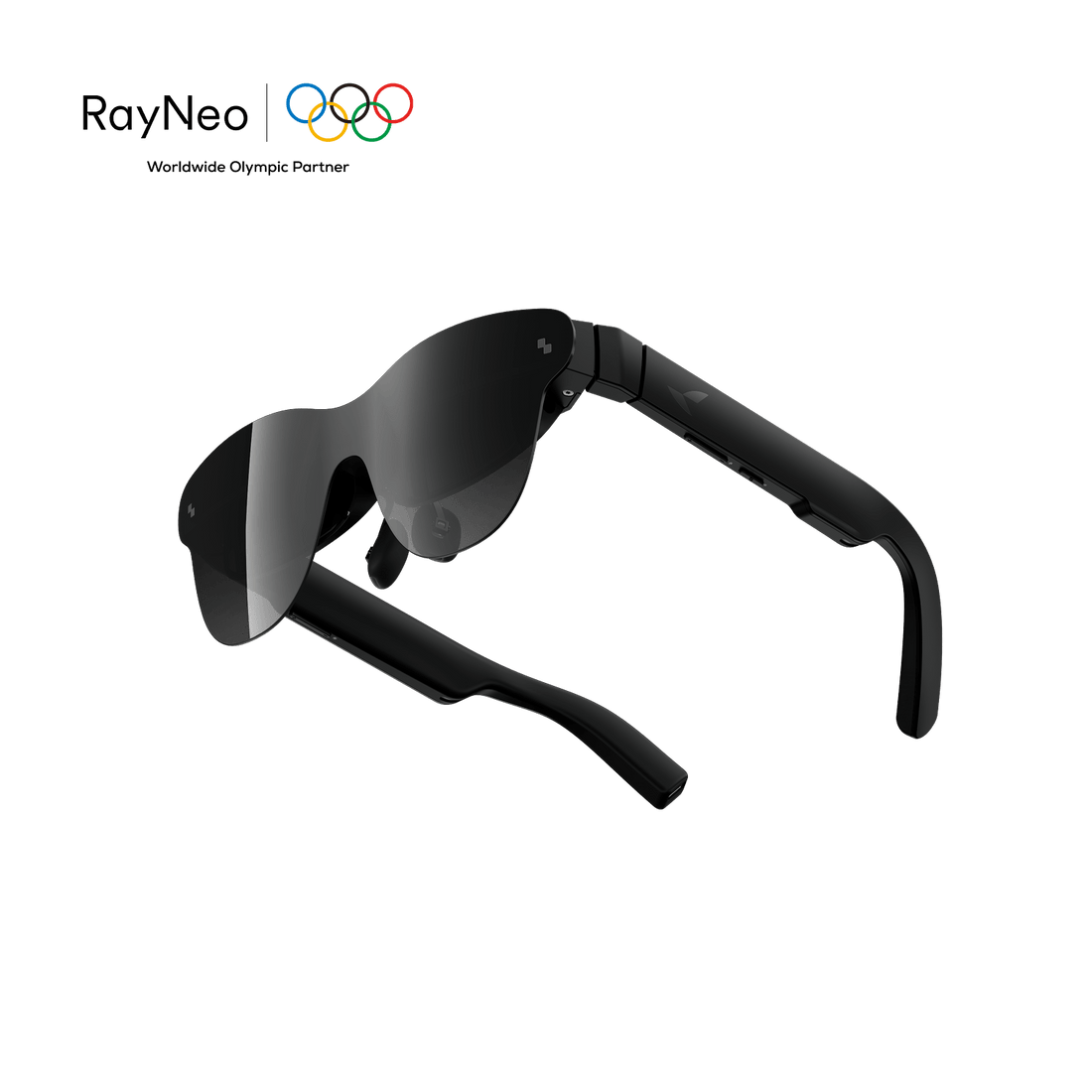
Within this broader category, the RayNeo X3 Pro AI+AR Glasses illustrate how AI+AR eyewear can combine visual guidance with hands-free recording. Their full-color MicroLED display supports heads-up turn-by-turn navigation, while the 12MP main camera supports video capture up to 4K. However, RayNeo does not list sport-specific metric support or a water-resistance rating, so users should confirm fit, weather protection, and training-app compatibility before exercising with them.
Smartwatches and GPS computers typically offer more complete workout recording, heart-rate tracking, GPS mapping, training history, and health data. They also tend to provide stronger battery controls and clearer post-workout analysis.
A smart glasses versus smartwatch comparison is therefore less about choosing one winner and more about assigning each device the right job. Let the watch or computer collect data, and let the glasses provide convenient audio, visual feedback, or recording.
Use this process to narrow your shortlist before comparing prices or designs.
Smart glasses can support navigation, communication, training, and recording, but they should not reduce situational awareness or infringe on other people’ s privacy. Review the following safety and privacy considerations before using them on roads, trails, in gyms, at races, or in other shared spaces.
Audio and AI camera glasses are best for open-ear coaching, voice assistance, calls, and first-person video. AR data glasses are better suited to athletes who want compatible pace, heart rate, speed, navigation, or other information displayed in view, when compatible hardware and apps support it.
The best smart glasses for athletes are not necessarily the most advanced. Compare smart glasses by sport, display type, audio features, and training goals. Check compatibility, comfort, battery life, lens options, durability, safety, and privacy before buying. The right pair should make training more convenient—not more distracting.
Yes, some smart glasses can show or announce pace and heart rate, but support varies by model and connected ecosystem. AR data glasses may display metrics, while audio glasses may read them aloud through a compatible phone, smartwatch, sensor, or training app. Check the exact integrations before purchase.
The best smart glasses for cycling depend on whether you want spoken coaching, hands-free video, or visual metrics. Prioritize wind-resistant audio, helmet compatibility, clear lenses, secure fit, and navigation support. Riders who need power or heart-rate data should confirm compatibility with their bike computer and external sensors.
Many smart glasses work with prescription lenses, but the available options differ by model. Some support prescription-ready frames, while others use interchangeable lenses or prescription inserts. Check the manufacturer’ s approved lens range and consult an optician before ordering, particularly if you need strong prescriptions or specialized coatings.
Some smart glasses offer limited controls or playback without a phone, but many advanced features require one. Phones commonly provide setup, GPS, internet access, AI processing, app connections, and data syncing. AR glasses may also depend on a phone, smartwatch, or cycling computer to supply workout information.





Share:
5 Things AI Glasses with Camera Do Better Than You Think
Meta AR Glasses Alternatives in 2026: Practical Options You Can Use Today