

$429.00

If you are standing on the sidelines of the smart glasses revolution, wondering if it's time to jump in, you are not alone. For years, "smart glasses" were promised as the next smartphone—a ubiquitous device for everyone. But in 2026, the reality is more nuanced. The market hasn't converged on a single "iPhone moment"; instead, it has splintered into specialized tribes.
You might see a traveler on a plane wearing blacked-out frames, a content creator in a park tapping their temple, or a technician on a job site speaking to the air. They are all using smart glasses, but they are using completely different types of hardware.
The Short Answer: Current buying behavior is driven by three distinct "Killer Apps":
Social Capture: The mass market is flocking to Audio/Camera Glasses for the convenience of hands-free photos and music.
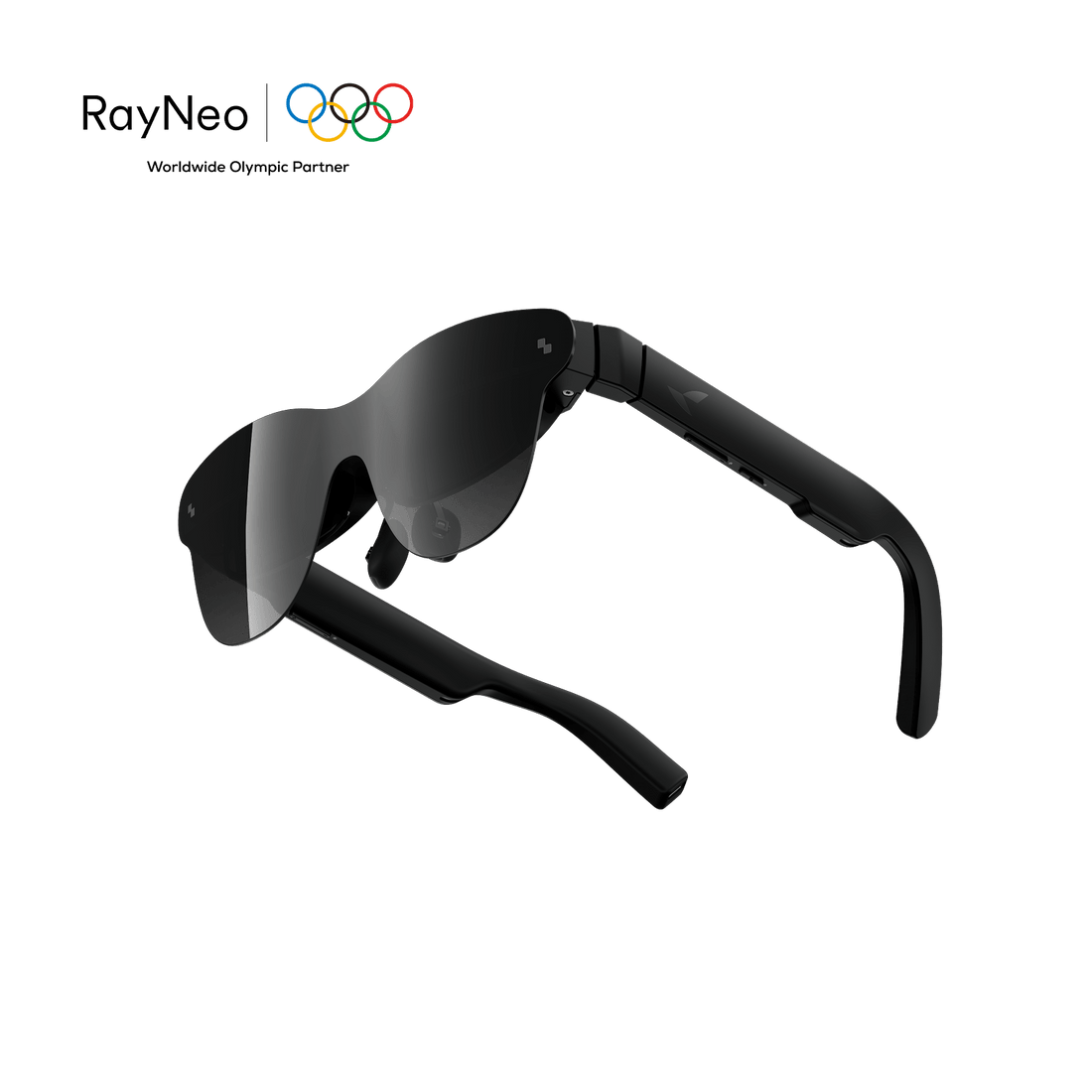
Private Cinema: Gamers and travelers are heavily investing in Display Glasses (like the RayNeo Air 2s) to extend their Steam Decks and phones into giant virtual screens.
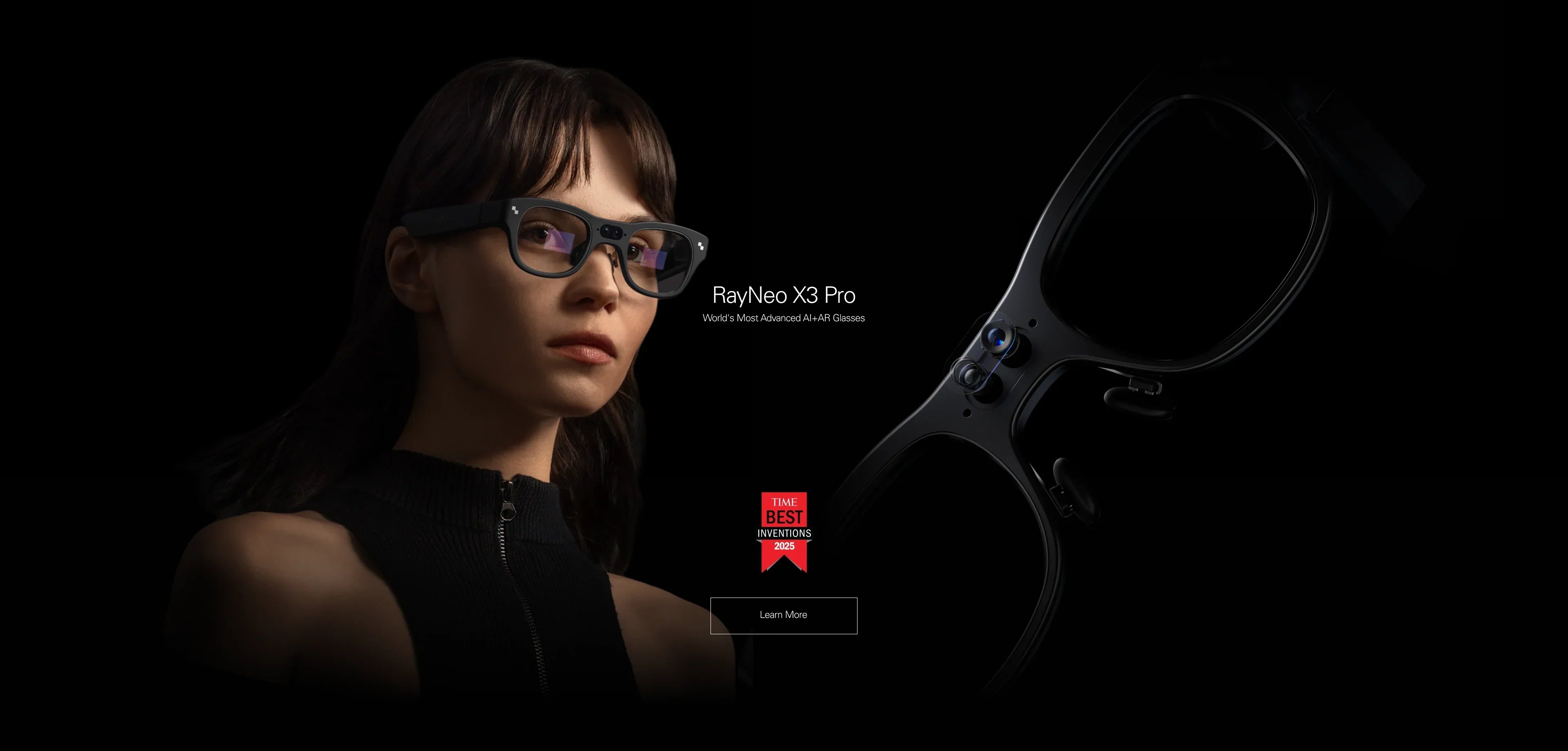
AI Utility: Early adopters and professionals are moving towards Standalone AR (like the RayNeo X3 Pro) to access real-time translation and visual intelligence without tethering to a phone.
In this guide, we will analyze these three consumer waves, look at what the community (Reddit, YouTube, Tech Forums) is actually saying, and help you decide which tribe you belong to in 2026.

What people are buying: Lightweight frames that look like traditional wayfarers but pack cameras and open-ear speakers.
For the general public, the barrier to entry for smart glasses has always been "The Cyborg Factor." People don't want to look like they are wearing a computer. This category succeeds because it prioritizes form factor over function.
The Hook: "I just want to take a POV video of my dog without holding my phone."
The Reality: Users report high satisfaction with the convenience, but often express frustration with the limitations—specifically, the inability to see what they are recording or read notifications.
While RayNeo is known for visual displays, the industry is watching closely. The demand for lightweight AI interaction is undeniable. However, feedback from power users suggests a growing segment that wants the "audio-first form factor" but with a "Visual Confirmation" layer—a gap that devices like the RayNeo X3 Pro aim to fill by adding a transparent MicroLED display to the AI experience.
What people are buying: Tethered "Birdbath" glasses that act as portable monitors. Representative Device: RayNeo Air 2s.
This trend wasn't driven by the glasses manufacturers; it was driven by Valve and Nintendo. The explosion of handheld gaming PCs (Steam Deck, ROG Ally) created a problem: powerful gaming hardware stuck on a tiny 7-inch screen.
The Hook: "I can have a 201-inch TV in my backpack?"
Community Sentiment: On platforms like Reddit (r/SteamDeck), this is the #1 accessory recommendation. Users are less concerned with "looking cool" (since they wear them on trains or in bed) and more concerned with Image Quality (PPD) and Comfort.
The RayNeo Air 2s has gained traction in this segment by focusing on the fundamentals:
Visuals: Using Sony Micro-OLED panels to ensure text in RPGs is readable.
Sound: Improving the audio quality to reduce the need for separate headphones.
Value: Positioning itself as a mid-range "workhorse" for entertainment. You can check the Air 2s specs here to see why it appeals to gamers.
What people are planning to buy: Wireless, all-in-one glasses with onboard operating systems. Representative Device: RayNeo X3 Pro.
This is the "Future Proof" crowd. These users are tired of cables. They bought the first generation of tethered glasses and realized that draining their phone battery was a dealbreaker for all-day use.
The Hook: "A computer on my face that translates languages and navigates me home, phone-free."
The Shift: We are seeing a migration of professionals (developers, frequent travelers, technicians) moving away from simple notification HUDs toward fully capable Android-based eyewear.
Currently, few devices can deliver this without being too heavy. The RayNeo X3 Pro is notable for hitting the sub-80g weight class while retaining the Snapdragon processor and battery required for independence. For users seeking true AI utility, this is the growing category to watch.

Analyzing thousands of user comments and reviews reveals a shift in priorities. In 2024, people asked "Is it cool?". In 2026, they are asking "Does it fit?"
The spec sheet doesn't matter if it hurts your nose.
The Complaint: "Great screen, but I can't wear it for more than 45 minutes."
The Solution: Shoppers are prioritizing adjustable nose pads, flexible temples, and balanced weight distribution over raw pixel count. This is why the adjustable design of the Air 2s is frequently highlighted in user reviews.
Users are realizing that glasses are useless without software.
The Concern: "Will this work with my iPhone? Does it support Samsung DeX?"
The Trend: Buyers are looking for broad compatibility (standard USB-C video) rather than proprietary connectors. They want devices that work with the tech they already own. You can verify your device's readiness on our compatibility checklist.
"Tinny" audio is no longer acceptable. Users want to watch a movie without wearing extra earbuds. This demand is driving anticipation for next-gen devices like the upcoming RayNeo Air 4 Pro, which promises a leap in acoustic performance through partnerships with audio leaders like Bang & Olufsen.
For those in the "Planning to Buy" stage, many are holding out for specific next-gen features.
As glasses replace TVs, users expect TV-quality color. The buzz around HDR10 support (confirmed for the Air 4 Pro) suggests that cinephiles are waiting for devices that can reproduce deep blacks and blinding highlights correctly.
Users want to point their glasses at an object and ask, "What is this?" This requires a camera + screen combo. The surge in interest for the RayNeo X3 Pro suggests that visual AI is moving from a novelty to a daily necessity for productivity.
The final frontier is style. Buyers are increasingly sensitive to how "weird" the glasses look. The trend is moving away from sci-fi aesthetics toward frames that look like... glasses.
Don't buy based on hype. Buy based on the tribe you identify with.
Join the "Gamers & Travelers" (Display Wave) If you own a handheld console or fly frequently, this is a mature, safe purchase.
Current Best Buy: RayNeo Air 2s. It is battle-tested, widely compatible, and offers excellent value.
Wait For: RayNeo Air 4 Pro (Jan 2026) if you are an audio snob who demands cinema-grade sound. Sign up for alerts here.
Join the "Innovators & Pros" (AR Wave) If you want to experience the post-smartphone era today.
Current Best Buy: RayNeo X3 Pro. It offers the independence and visual capabilities that define "True AR."
Reality Check: Be prepared for a learning curve with the OS and charging routine.
Join the "Casuals" (Audio Wave) If you just want music and vibes.
Current Best Buy: Audio-only frames. Just be aware you will still need your phone screen for everything visual.
The smart glasses market in 2026 is not a monolith. It is a collection of specialized tools.
People are using Display Glasses to escape reality (Gaming/Movies).
People are using Audio Glasses to enhance reality (Music/Capture).
People are planning to buy Standalone AR Glasses to augment reality (AI/Info).
Identify your verb—Escape, Enhance, or Augment—and you will find your device.
Q: Are smart glasses popular yet? A: They are moving from "Niche" to "Early Majority." While not as common as smartwatches, seeing them on planes or in tech hubs is becoming normal. The category is growing rapidly as form factors shrink.
Q: What is the resale value like? A: Premium display glasses hold their value relatively well, as they act as monitors which don't become obsolete as quickly as standalone processors.
Q: Should I wait for Apple or Google? A: Rumors exist, but shipping products beat rumors. If you have a use case today (like a long flight next week), buying a current-gen device like the Air 2s provides immediate value. Waiting for a hypothetical "perfect" device often means missing out on years of utility.





Share:
What Smart Glasses Are Good for Work? The 2026 Productivity Guide
What Smart Glasses Are Suitable for Daily Use? With or Without Display?