

$429.00


Smart glasses have gradually moved from niche experiments into products people actually wear, but choosing between options can still feel confusing. Ray-Ban Meta smart glasses focus on everyday usability, blending familiar eyewear design with audio, cameras, and AI features. Google, on the other hand, has taken a less direct path, shifting its smart glasses efforts between consumer launches, enterprise tools, and long-term platforms.
This article compares what Ray-Ban Meta smart glasses offer today with Google’s current smart glasses direction, helping you understand which approach aligns better with how you’d actually use the technology.
Meta’s partnership with Ray-Ban was built around one core idea: smart glasses should look and feel like normal glasses. Instead of standing out as a gadget, they’re meant to fit naturally into daily life.
Ray-Ban Meta smart glasses include a 12MP camera capable of recording 1080p video and taking photos using voice commands or taps on the frame. Video clips are limited to five minutes, which works for quick moments but can feel restrictive for longer activities. Extended recording sessions noticeably impact battery life, making them better suited for short captures rather than continuous filming.
Open ear speakers handle music, calls, and voice prompts while allowing environmental sound to pass through. A multi microphone setup picks up voice clearly for calls and commands. At higher volumes, some sound leakage is possible, but call quality is solid enough that conversations feel natural without needing earbuds.
Voice commands activate Meta’s AI assistant for tasks like taking photos, answering basic questions, or setting reminders. The assistant works best for users already active on Facebook or Instagram, as it pulls from Meta’s broader ecosystem. Translation features are available for common travel situations, though language options remain limited.
Most interactions can be handled by voice, but a touch-sensitive area on the frame provides backup control. Swipes adjust volume or playback, while taps control recording, giving users flexibility when speaking out loud isn’t practical.
The Meta View app manages pairing, updates, and file transfers. Photos and videos sync automatically when the glasses reconnect to your phone, making sharing quick and straightforward. Some features vary by region, which can affect availability depending on where you live.
Second-generation Ray-Ban Meta models improved image quality and addressed some of the battery concerns from the original release. The updated charging case now delivers multiple full recharges, making it easier to get through a full day without constantly worrying about power. Some newer versions also support the Neural Band, which allows basic gesture control through wrist movement. Together, these changes helped reduce early friction around battery life and usability.

Ray-Ban Meta smart glasses still do not include a built-in display, meaning all visual feedback remains on your phone. Video recording limits can be restrictive for creators who want longer, uninterrupted clips. In addition, most AI features depend on an active internet connection, which limits functionality when connectivity is weak or unavailable.
Google’s work on smart glasses has stretched across many years and several shifts in direction. Rather than following a single product path, the company has repeatedly adjusted its focus, which explains why its current position looks different from most consumer tech brands.
Google introduced Google Glass in 2013 to bring smart eyewear to everyday users. The product quickly ran into privacy concerns and struggled to find clear, practical use cases. Google later repositioned Glass for enterprise environments, where hands-free displays proved useful in healthcare, manufacturing, and logistics. Glass Enterprise Edition 2 was discontinued in 2023, after which Google explored experimental AR efforts such as Project Iris before putting those projects on hold. In December 2024, Google announced Android XR, signalling a renewed long-term effort toward AI-powered smart glasses with a target launch around 2026.

Google does not currently sell consumer smart glasses. Android XR devices are expected to arrive in 2026 and are planned to support both models with displays and versions without them. The platform is designed to use cameras, microphones, and optional in-lens displays to deliver contextual assistance powered by Gemini AI. Developer kits are already available, allowing software development to begin ahead of consumer hardware.
When Google offered smart glasses in the past, the focus was on improving efficiency at work rather than everyday lifestyle use. Features centred on live information, remote support, and documentation while performing tasks. These tools were most useful for professionals such as field technicians, warehouse workers, and medical staff who needed access to information without using their hands.
A direct, one to one comparison isn’t entirely possible since Google does not currently sell consumer smart glasses. Even so, looking at how each company approaches design, features, and intended users helps explain why their products and priorities have diverged so sharply.
Ray-Ban Meta smart glasses weigh about 50 grams and closely resemble standard Wayfarer or Aviator frames. They’re easy to wear in public without attracting attention and feel similar to regular eyewear during long periods of use. Google Glass, by contrast, featured a visible prism display attached to the frame, making it immediately noticeable. Even later enterprise versions retained a utilitarian look that felt more like work equipment than everyday glasses.
Meta chose not to include a display, focusing instead on keeping the glasses lightweight and visually discreet. Google built its smart glasses around a small prism projector that displayed notifications, navigation, and data in the user’s peripheral vision. That display defined the Google Glass experience, offering clear utility for certain tasks while also creating distraction and social discomfort in casual environments.
Both platforms use front facing cameras, but public perception differs significantly. Ray-Ban Meta’s camera feels similar to smartphone photography and fits into familiar social norms. Google Glass cameras, on the other hand, raised privacy concerns that followed the product throughout its lifespan. Meta’s recording quality meets modern expectations, while earlier Glass models captured footage that now feels dated.
Ray-Ban Meta relies on open ear speakers and built-in microphones for calls and voice commands. Google Glass used bone conduction audio, which allowed sound to reach the ear without traditional speakers but felt unfamiliar to many users at first. Both designs keep users aware of their surroundings, though neither provides the isolation of conventional headphones.
Meta’s AI features are closely tied to its social platforms, drawing from Facebook and Instagram content. Google Glass used Google Assistant, and Google has confirmed that Gemini AI will power future Android XR devices. Google’s approach emphasizes broader system level integration rather than social interaction, reflecting different priorities. Advances in AI since the original Glass era give both companies more capable tools than before.
Ray-Ban Meta smart glasses are aimed at everyday use, including casual photos, listening to audio, and light AI assistance during daily activities. Google Glass focused on professional environments where constant access to information supported hands on work. These different goals explain why the two products serve entirely separate audiences.
Ray-Ban Meta smart glasses make sense for users who want discreet eyewear with AI features available now. Google’s Android XR platform represents a longer term vision, with a planned launch around 2026 and deeper integration with Android and Gemini AI. Neither option currently offers a complete augmented reality experience, leaving space for other solutions focused on visual displays or productivity driven features.
Smart glasses are easiest to live with when they match your habits rather than your expectations. Instead of comparing long feature lists, it helps to think about how often you’d actually use them during a regular week and what problem they would realistically replace.
Ray-Ban Meta smart glasses are designed for everyday use rather than experimentation. Setup is quick, the controls are easy to get used to, and the frames look like normal eyewear, which makes them comfortable to wear in public. Battery life is usually enough for casual daily use, though frequent video recording will drain it faster than simple listening or short clips.
Some people enjoy using products that are still evolving. Devices like Snapchat’s Spectacles or AR development kits offer more room to explore spatial features and custom software. The tradeoff is that these platforms often change quickly, can feel unfinished, and require patience when things don’t work as expected.
Smart glasses make the most sense when they solve something you already do often. If you can’t think of a few specific moments each week where they’d be more convenient than pulling out your phone, it’s probably better to wait. The category is still developing, and newer versions tend to arrive quickly.
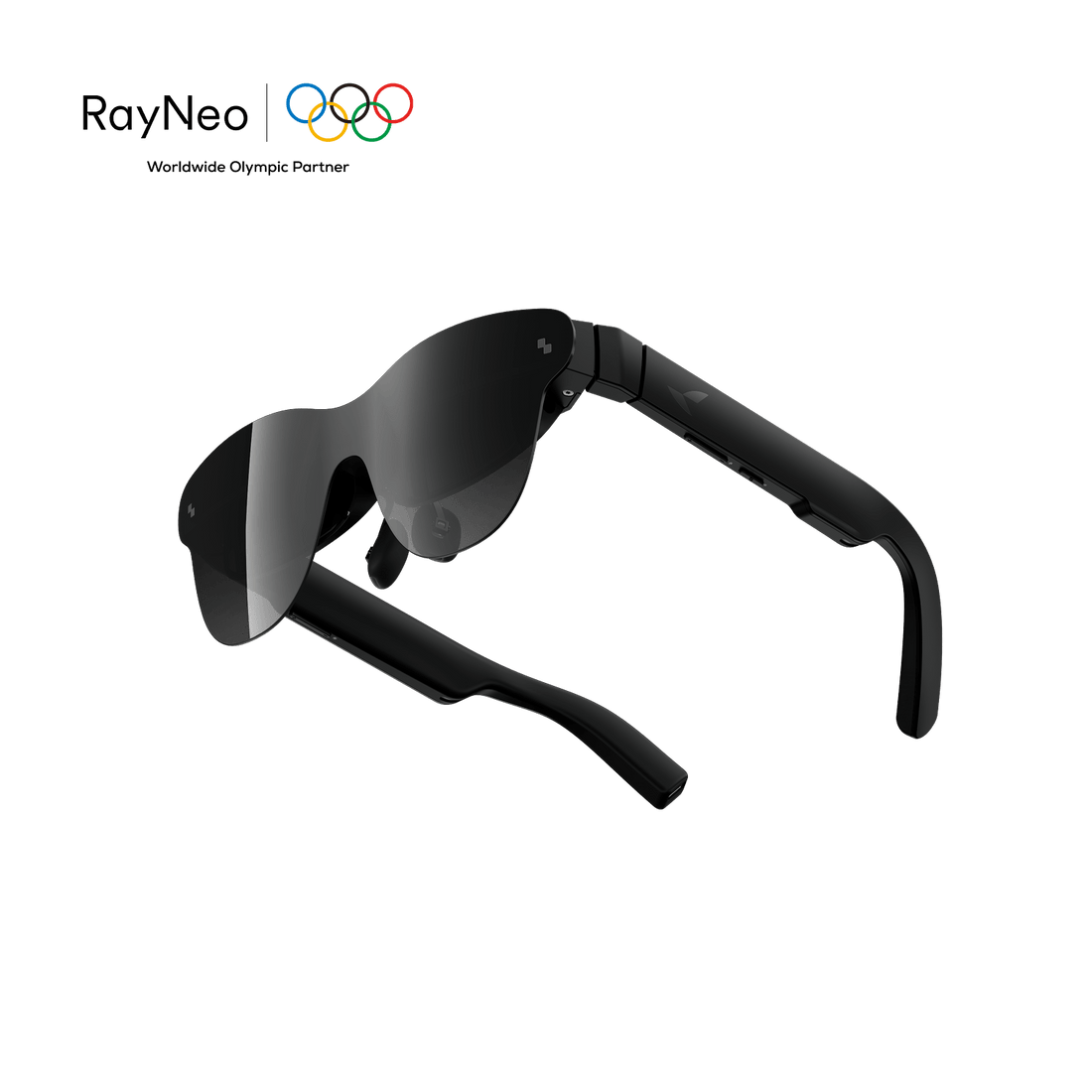
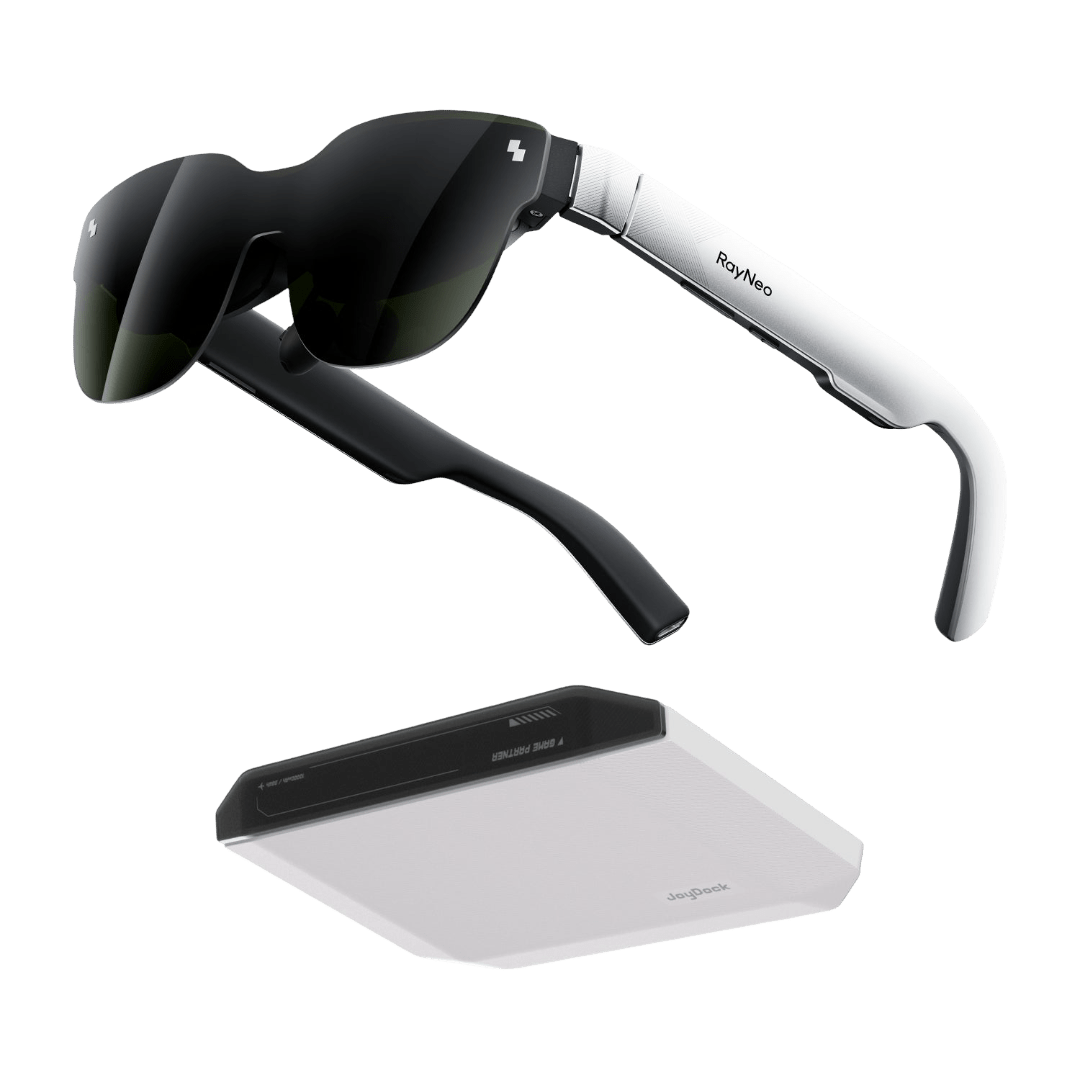
While Ray-Ban Meta smart glasses focus on audio, cameras, and social features, users looking for the best alternatives for meta smart glasses will find that RayNeo takes a more display-centred approach. Its Air series is built around visual AR experiences, pairing bright virtual screens with spatial audio and solid battery performance in frames that remain compact and wearable.
The RayNeo Air 3s Pro projects a large virtual screen for gaming and entertainment without relying on cameras or user accounts, which can be useful for travel or private viewing.

For users who want more advanced AR features, the smart glasses with camera RayNeo X3 Pro adds dual micro-OLED displays, longer recording limits, and multi-language translation powered by Gemini AI. Together, these models appeal to people looking for on-screen information and longer usage rather than phone-dependent or audio-first smart glasses.

Ray-Ban Meta smart glasses have settled into a clear role as lifestyle devices, combining familiar eyewear design with audio, cameras, and basic AI features. Google’s Android XR platform, expected in 2026, points in a different direction, with a stronger focus on open systems and deeper Android integration through Gemini AI. Choosing between them depends less on specs and more on how you plan to use smart glasses day to day. Ray-Ban Meta fits casual content capture and hands-free assistance, while alternatives like RayNeo AR smart glasses are better suited for users who want on-screen AR features, longer recording sessions, and visual overlays that Meta intentionally left out. Ray-Ban Meta smart glasses typically fall in the $299 to $379 range, depending on frame and lens options, placing them in a mid-range price bracket.
Smart glasses are still specialized tools rather than replacements for phones or laptops. The best option is the one that fits into your weekly routine and solves real problems, not the one with the longest feature list or the most attention-grabbing claims.
Ray-Ban Meta smart glasses include a 12MP camera for photos and short videos, multiple microphones for calls and voice commands, and open ear speakers for audio. They connect to your phone through the Meta View app and are designed to work smoothly with platforms like Facebook and Instagram for sharing content.
Most actions are handled directly on the glasses. You can tap the frame to take photos, hold it to start recording video, and use the touchpad on the temple to control volume or playback. Voice commands activated with “Hey Meta” handle common tasks, and content syncs to your phone automatically when the glasses reconnect.
That depends on what you want from smart glasses. Ray-Ban Meta focuses on lifestyle use and social features. Alternatives like RayNeo offer different strengths, such as virtual screen projection for entertainment or AR overlays with translation and visual information. Each option serves a different type of user rather than being a direct upgrade.
They’re best suited for people who want hands-free photos, music, calls, and basic AI assistance without wearing noticeable tech. Users who spend time on social platforms may appreciate the built-in sharing tools, while commuters often use them for audio and calls during daily routines.
Prices typically start around $299, with higher-end frames and transition lenses bringing the cost closer to $379. Prescription lenses and extra accessories, such as additional charging cases, can increase the overall cost beyond the base price.





Share:
What Are Good Alternatives to Meta Smart Glasses? (For Users Who Want a Display)
Meta AI Glasses vs. RayNeo AI Glasses : Which One Should You Buy?