


$429.00

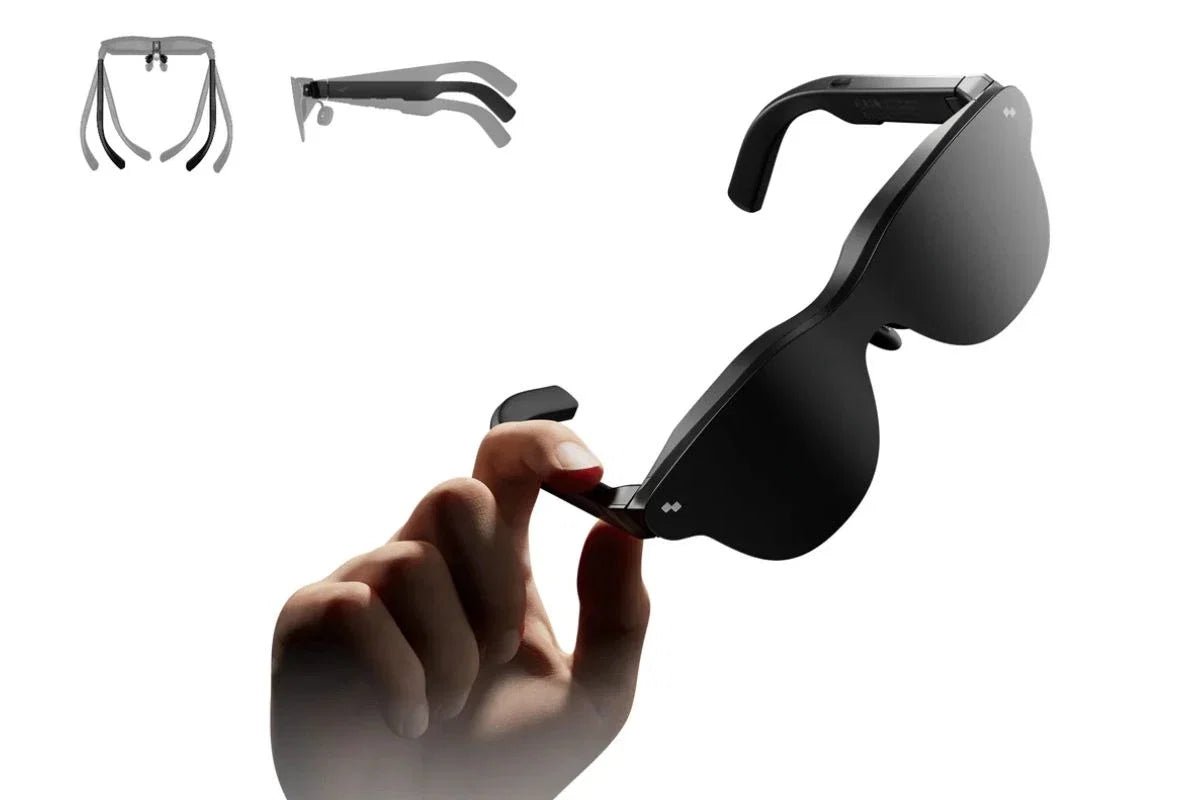
A great pair of smart glasses should feel natural from the moment you put them on. One of the biggest factors that affects long-term comfort is weight. Smart glasses that are too heavy can leave pressure marks or cause discomfort after extended use.
That's why the lightest smart glasses have gained so much attention among users who want wearable technology that fits into everyday life without feeling bulky. In this article, we'll explain what makes smart glasses lightweight, the technology behind their design, and how to choose the right pair for your lifestyle.

When you wear smart glasses for hours, the weight of them can make a noticeable difference in your overall comfort. Unlike traditional eyewear, smart glasses have built-in batteries, chips, cameras, speakers, and other electronic components that add extra weight.
Most models weigh between 35 and 80 grams, and even a small increase can put more pressure on your nose bridge and ears after several hours of wear. That's why choosing the lightest smart glasses can make everyday wear much more comfortable. Fortunately, manufacturers are continually refining internal hardware and using lighter materials to improve the user experience.
Manufacturers carefully balance durability, comfort, optical performance, and technological integration to create lightweight frames that are practical for everyday wear. Some of the most common materials that provide excellent strength while keeping the frame light are listed below:
Choosing the right lightweight smart glasses involves more than just comparing their weight. Comfort, intended use, prescription compatibility, and budget are all important factors in finding a model that suits your daily routine.
Some models prioritize productivity with notification and navigation displays, while others focus on entertainment with immersive displays and media streaming capabilities. There are also AI-powered models designed for hands-free communication and real-time assistance. Matching the glasses to your primary activities helps you avoid paying for features you rarely use.
Decide how light you want your smart glasses to be based on how long you'll wear them each day. Ultra-light models often use premium materials and advanced engineering, which can increase the price. Instead of focusing solely on the lowest weight, consider how comfort, durability, battery life, and available features fit within your budget.
If you wear prescription glasses, compatibility is one of the first things you should consider. Fortunately, many modern smart glasses allow for prescription inserts or customized lenses. This way, you can enjoy smart features without having to switch between multiple pairs of glasses.
Yes, you can absolutely get prescription lenses in lightweight smart glasses. Many modern models support prescription inserts or custom prescription lenses. This allows you to wear a single pair of glasses throughout the day, eliminating the need to switch between regular glasses and smart eyewear.
Brands like RayNeo have designed some of the lightest smart glasses with a prescription, giving you a practical way to combine clear vision with advanced AI and AR features in one lightweight device.
It's easier to choose a lightweight model when you know what each product is designed to do. RayNeo offers several models that balance comfort, performance, and modern technology, ensuring a comfortable fit for extended wear. Now, let's take a closer look at two standout models from RayNeo:
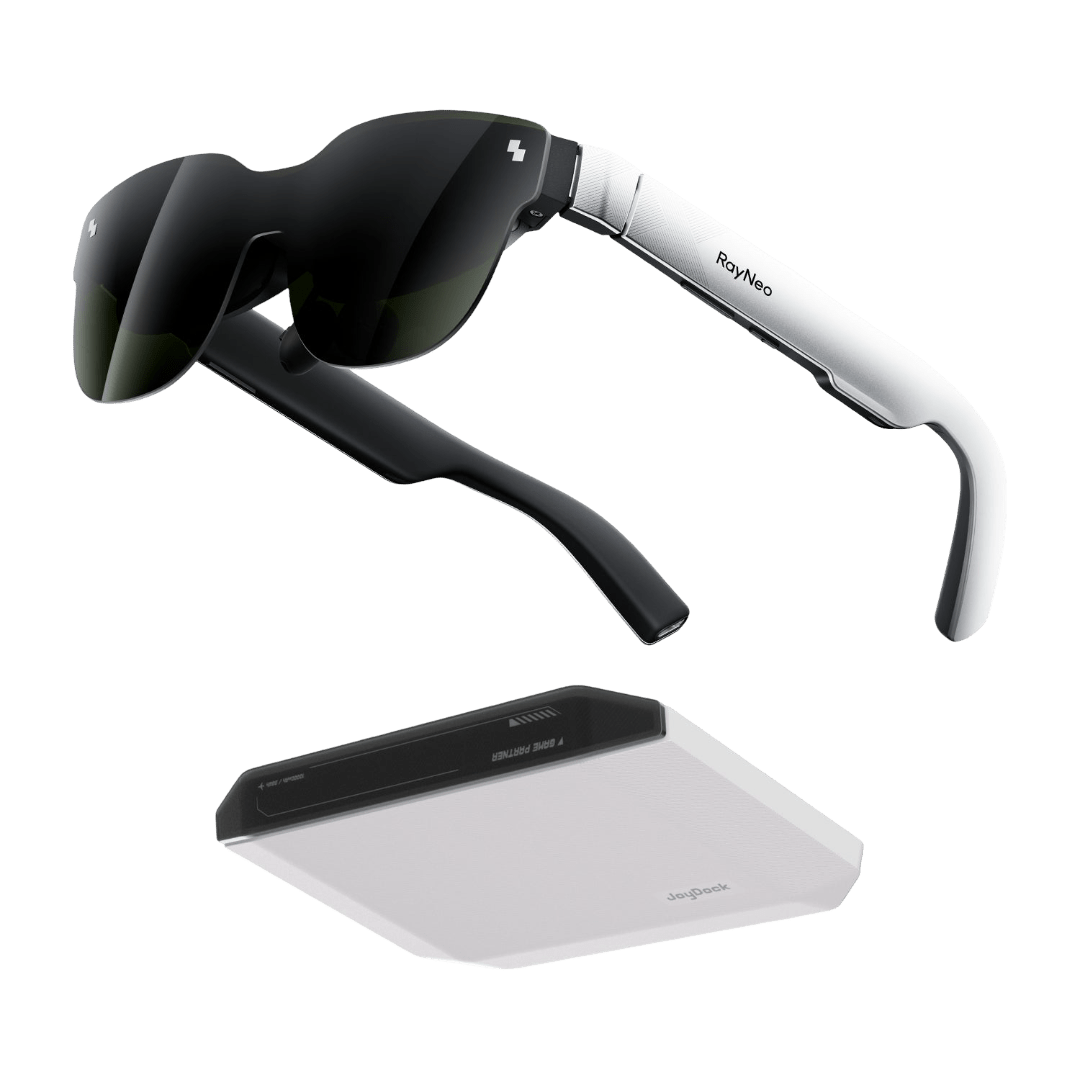
The RayNeo X3 Pro AI+AR Smart Glasses are ideal for professionals, travelers, and anyone who wants hands-free access to AI and AR features throughout the day. With a durable titanium frame and a weight of just 76 grams, they provide a lightweight yet sturdy design. You can access an expanding AR ecosystem, allowing compatible apps to run in an interface optimized for smart glasses. The built-in smart assistant helps you instantly manage your schedule, memos, and to-do lists, while Heads-up Navigation displays real-time directions directly in your field of view.

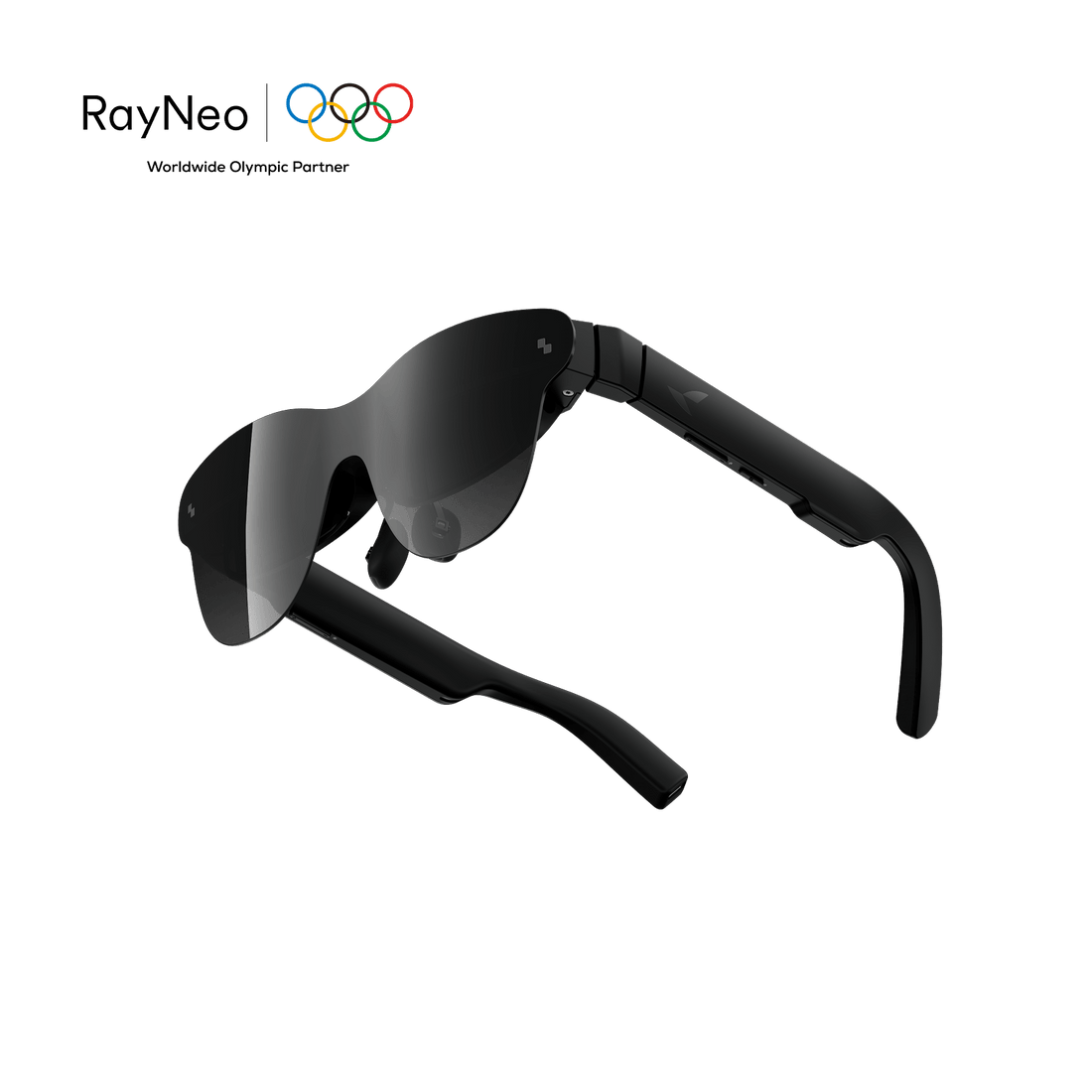
The RayNeo Air 4 Pro AR Glasses are great for watching movies, gaming, working remotely, and multitasking on the go. They feature the world's first HDR10 display in AR glasses, which delivers richer colors, improved contrast, and a more immersive viewing experience. The 5.5th-generation Tandem OLED technology enhances image quality with impressive brightness and sharp details. Meanwhile, 3D Spatial Sound and Whisper Mode 2.0 provide clear, private audio without disturbing those around you.

Choosing the lightest smart glasses requires balancing low weight with comfort, durability, battery life, prescription compatibility, and the features you actually need. Materials such as titanium, magnesium alloy, carbon fiber composites, and advanced polymers help reduce frame weight without sacrificing strength. By comparing these factors carefully, you can find lightweight smart glasses that remain comfortable and practical for extended everyday use.
The weight of most smart glasses ranges from 35 to 80 grams, depending on their design and built-in features. Models with larger batteries, cameras, or advanced AR displays tend to be heavier. Nevertheless, manufacturers continue to reduce weight by using lighter materials and more compact components to improve comfort during extended daily wear.
Yes, lightweight smart glasses are durable enough for many everyday outdoor activities, such as walking, hiking, and cycling. Materials such as titanium, magnesium alloy, carbon fiber composites, and advanced polymers are strong yet lightweight. However, specialized protective eyewear is a better choice for high-impact sports.
Yes, despite their compact design, many lightweight smart glasses still offer reliable battery life. Advances in processor efficiency, battery technology, and power management allow manufacturers to deliver longer usage times without adding weight to the frames. However, actual battery life varies depending on which features you use and how often.





Share:
RayNeo at MIT Reality Hack 2026: Winning Big with the Elite Hacker Community
5 Things AI Glasses with Camera Do Better Than You Think