


$429.00

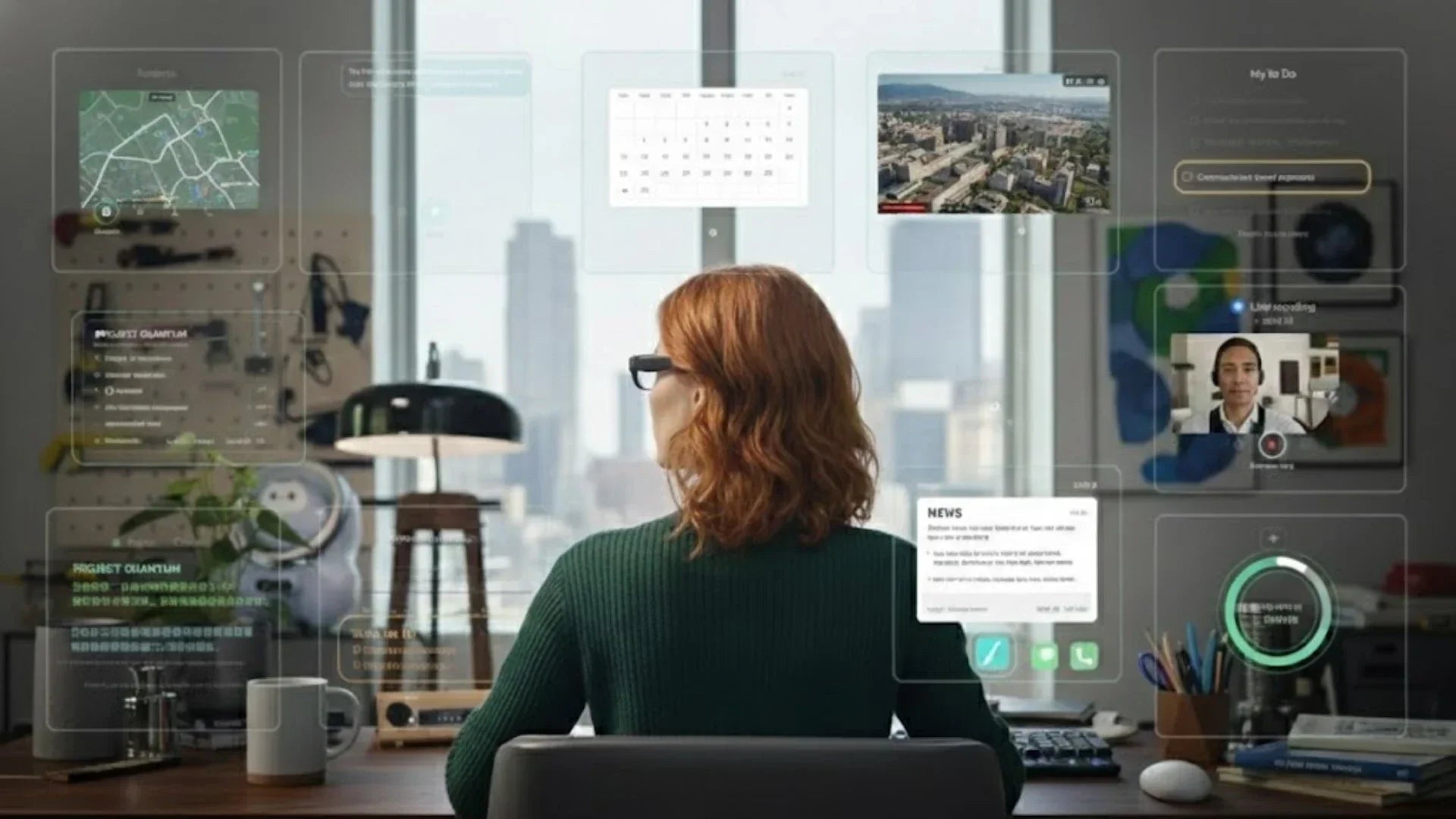
The AI glasses with camera, have already exceeded most people's first expectations. Once you actually try on a pair of smart glasses, you realize that AI glasses with cameras are not just an upgraded version of a simple photography tool or recording device. Instead, they represent a new form of technology—an always-on, context-aware personal visual agent capable of proactive intervention. Based on our conversations with real users, the following core capabilities have proven to be far more stunning in real-world scenarios than what promotional videos or spec sheets suggest. In this article, you will experience how AI Glasses with Camera bring a new sense of order and efficiency to your life.

AI Glasses with a camera are more than just a convenient recording tool—they serve as an "interpretation" engine. By combining high-resolution sensors with neural processing, these devices bridge the gap between viewing and understanding.
The human eye captures light to create a subjective experience, whereas AI glasses leverage Machine Vision to convert light into actionable data.
Humans perceive shapes and colors through the brain, layering them with emotional context. AI glasses, however, process pixels as digital data, utilizing Convolutional Neural Networks (CNN) to detect patterns such as edges, textures, and specific objects. For extraordinary range and detail, modern camera sensors can often see clearly in environments that are significantly darker or brighter than what the human eye can handle.
In terms of object recognition, while humans focus on social cues and contextual meanings, AI concentrates on precise visual features. Through 6D Pose Estimation, it can accurately project digital overlays within an Augmented Reality (AR) environment. Furthermore, processing speed is a key area where AI Glasses with cameras significantly outperform the human biological system; AI vision can respond within milliseconds, far exceeding the typical 200–250 millisecond neural processing latency of the human eye.
How AI glasses observe and perceive the world beyond our physical limitations depends heavily on their hardware philosophy and battery constraints.Currently, mainstream models (such as Meta Ray-Ban smart glasses) focus on short, intentional captures. However, users researching the best alternatives for meta smart glasses often look for professional-grade devices that offer "Always-On" functionality, acting as a wearable dashcam that automatically saves video if a fall or accident is detected. To prevent overheating and conserve battery life, these devices typically record short clips ranging from 30 seconds to 3 minutes.
Users wearing the Smart Glasses with camera RayNeo X3 Pro often utilize the "Visual Search" mode. By waking the built-in RayNeo AI assistant and asking, "What am I looking at?", the camera takes a snapshot for the AI to analyze and provide a verbal description in real-time.
The true value of AI glasses emerges when your hands are completely occupied. For instance, if you are cooking with flour or oil on your hands and scan your ingredients, AI glasses with cameras like the RayNeo X3 Pro—powered by the latest Gemini 2.5 AI—can immediately identify items, recommend recipes, and even read the steps aloud to you. Similarly, we’ve all had those hectic moments while repairing a car, assembling furniture, or fixing appliances, where managing tools and parts becomes cumbersome.
In these moments, AI glasses can understand your actions and proactively prompt you on the next step or which screw to loosen first. Many of our users have shared that with the RayNeo X3 Pro, they finally understand what hands-free actually feels like; they previously thought it just meant not holding a phone, but now they realize many tasks don't require picking up a phone at all. This is especially significant in an era dominated by phubbing and constant screen-staring.
Real-time visual accessibility is an incredibly supportive feature for the visually impaired or those with low vision. AI glasses with cameras can accurately identify common objects (medicine, clothing, food, appliance buttons, etc.) and recognize traffic lights or vehicle distances in low-light environments, describing them in natural language. Helping elderly parents or seniors with declining vision read medication instructions, supermarket promotion labels, and bank statements provides them with a profound sense of security and independence.
Real-time translation is currently one of the most underrated features of AI glasses. As the lens sees text or the microphone picks up speech, translation begins almost simultaneously, delivered via bone conduction transducers. Furthermore, many high-end 2025–2026 AI glasses support offline packs for major languages, making them functional in subways or remote areas abroad. A device like the X3 Pro supports translation for 14 languages; if you speak Japanese and the other person speaks English, the glasses translate their English into Japanese for you while translating your Japanese into English for them. When travelling in Japan, Korea, or Europe, you no longer need to pull out your phone to snap photos of menus—you can even pass for a seasoned traveler who knows the local tongue.
Naturally, AI glasses with cameras significantly lower the barrier for first-person POV content creation. YouTube and Instagram creators can use them for creative projects with total freedom of movement—cooking, rock climbing, driving (where legal and safe), visiting exhibitions, dancing, or live streaming. These glasses offer stable, wide-angle, and natural perspectives that feel much closer to a true first-person experience than a handheld phone or a GoPro. For parenting bloggers, it means recording a child’s every expression and first while still having both hands free to hold the baby, push a stroller, or play.
2026 best AI glasses with cameras have begun to demonstrate proactive assistance rather than just passive responses. In navigation, for example, the glasses don't just give directions; they see you looking at a street sign and proactively say, "Walk another 80 meters and turn right for that cafe you’re looking for." Regarding schedules, when you walk into the gym, they might remind you, "You have a leg day scheduled," or "You did cardio at this time last week; you might want to switch to strength training today." While these features are in early stages and implementation varies by brand, a segment of users is already experiencing the feeling that the glasses are "thinking for them," significantly reducing decision fatigue and allowing them to focus on the more meaningful aspects of life.

The Ray-Ban Meta Gen 2 stands as one of the most popular AI glasses on the market today. Many users consider it a daily essential because it looks almost identical to the standard Ray-Ban Wayfarer while housing an upgraded 3K camera and Meta AI. After months of real-world use, feedback highlights battery life as the biggest standout: while the previous generation lasted only a few hours, the Gen 2 easily handles 8–12 hours of mixed use (music, calls, AI queries, and photos). One CNET editor reported an anxiety-free experience travelling through an airport all day, from breakfast until boarding. Overall, real-world users agree the upgrade is worth it, as the improvements to the battery and camera have transformed it from a fun gadget into a reliable companion.
The RayNeo X3 Pro represents a more aggressive fusion of AR and AI for 2026. Many of our hands-on users describe the experience as the future arriving early, thanks to its built-in binocular Micro-LED waveguide display, 12MP camera, and standalone AI processor. It enables real-time translation, HUD navigation, and world-scale information overlays. Whether engaging in street-side conversations or reading foreign menus, text floats directly before your eyes with virtually zero latency. The interface is clean, and the frames are lightweight and comfortable enough for extended wear. The camera is used for both photos and 1440p video recording, with users reporting reliable performance for daily snaps—especially when paired with AI for information parsing. If you prioritize an immersive AI experience over a perfectly mature ecosystem, this model was hailed as one of the most impressive AR glasses at CES 2026, boasting massive potential through future updates.
Overall, these two models cater to different priorities. If you are looking for a low-profile daily driver and prefer using your camera for documentation, the Ray-Ban Meta Gen 2 is an excellent choice. However, if you are fascinated by HUDs and enjoy the magic of cutting-edge AR translation and POV capture, then the RayNeo X3 Pro is absolutely your best choice for 2026 AI glasses with a camera. In 2026, smart glasses are evolving from concepts into practical tools; you truly have to try them on to feel the magic of the world becoming smarter right before your eyes. If you are considering making a purchase, start with these popular, user-verified models—the future is worn on your face.

The camera on AI glasses is far more than just a portable camera; by integrating multimodal AI, it becomes a second set of eyes for perceiving the world. You can use AI glasses for real-time translation and information extraction, capture immersive first-person POV recordings, and utilize them as a tool for pedestrian navigation and accessibility assistance.
Yes, most major AI glasses brands support the integration of prescription lenses, allowing wearers to achieve vision correction while accessing smart features, including the camera. When you purchase smart glasses from RayNeo, users with myopia ranging from 0 to -10.00D and astigmatism from 0 to -2.00D can order RayNeo X3 Pro prescription inserts from our official optical partner, Lensology.
However, it is important to provide an up-to-date professional prescription; precise Pupillary Distance (PD) measurement is crucial for ensuring digital display content aligns correctly with your eyes, especially for AR (Augmented Reality) features. We also provide a prescription-lens sample when you purchase our smart glasses.
Some AI glasses are equipped with displays that can overlay visual information—such as directions, notifications, or AI answers—directly onto your field of vision, while other models provide only audio feedback.
The first type is AI glasses with a display. Often referred to as AR (Augmented Reality) glasses or display-integrated AI glasses, their core function is to provide visual information. The RayNeo X3 Pro belongs to this category; you can use it to view map navigation, receive text or call notifications, read text answers provided by the AI assistant, and even watch YouTube videos.
The second mainstream type is audio-only AI glasses. This design prioritizes discretion and battery life, typically appearing identical to regular eyewear. Information and AI responses are delivered via open-ear speakers built into the temples, allowing you to remain aware of ambient sounds in your surroundings.
Taking photos with AI glasses is very simple, primarily utilizing physical buttons or voice control. The fastest method is using voice commands; for example, the RayNeo X3 Pro supports multiple interaction methods, including voice control. You can say the wake word, "Hey RayNeo," followed by a capture command. Additionally, the RayNeo X3 Pro features a dedicated Shortcut Button on the top of the right temple for taking photos and recording videos.
Yes, you can use certain AI smart glasses to livestream via their built-in cameras, though this typically requires a connection to your smartphone and specific applications. Most AI glasses do not have independent cellular connectivity on their own, so they rely on Bluetooth and Wi-Fi to tether to your phone to access the internet and go live. Additionally, when livestreaming or recording, an external LED indicator light on the glasses will automatically illuminate to notify those around you that the camera is in use, ensuring privacy protection.

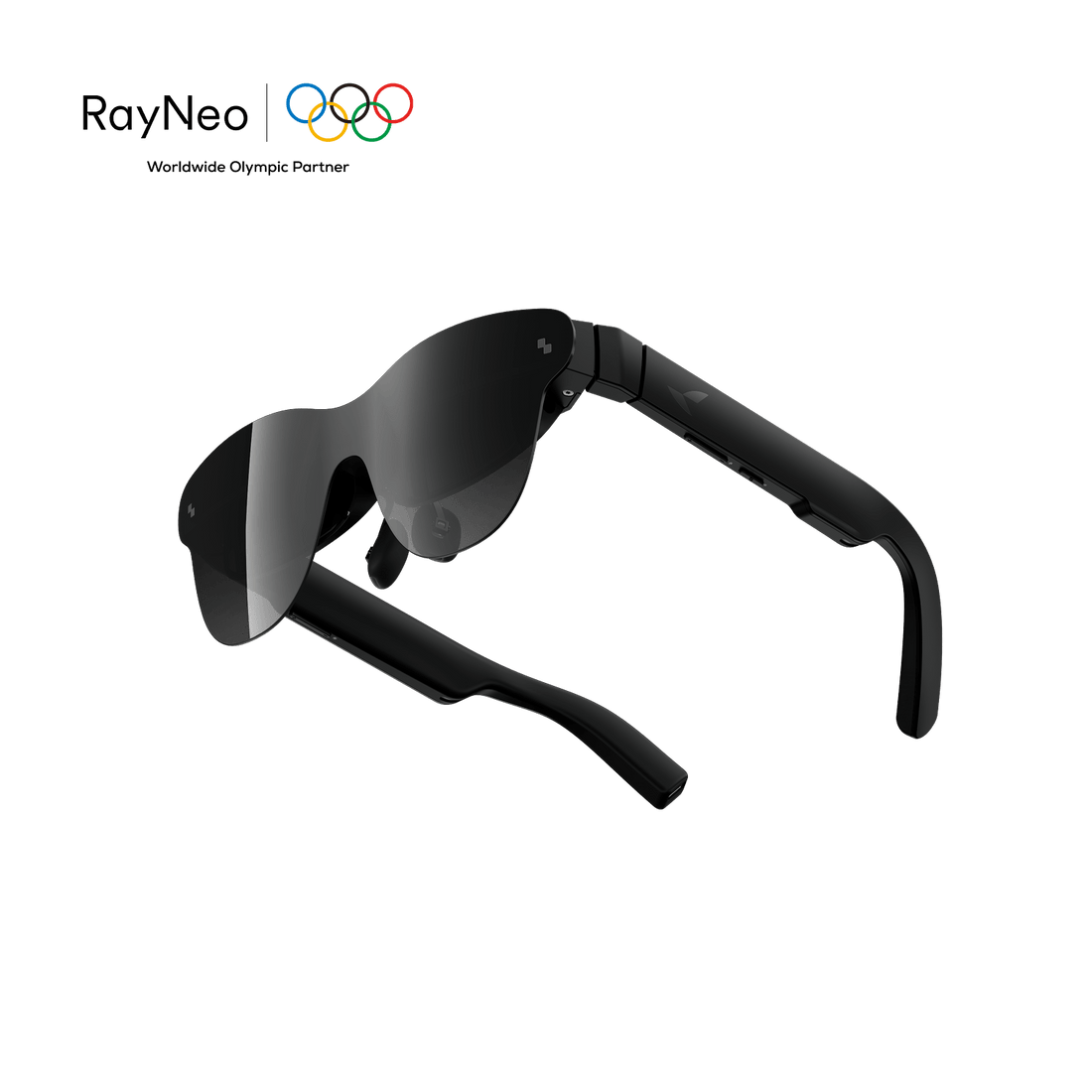


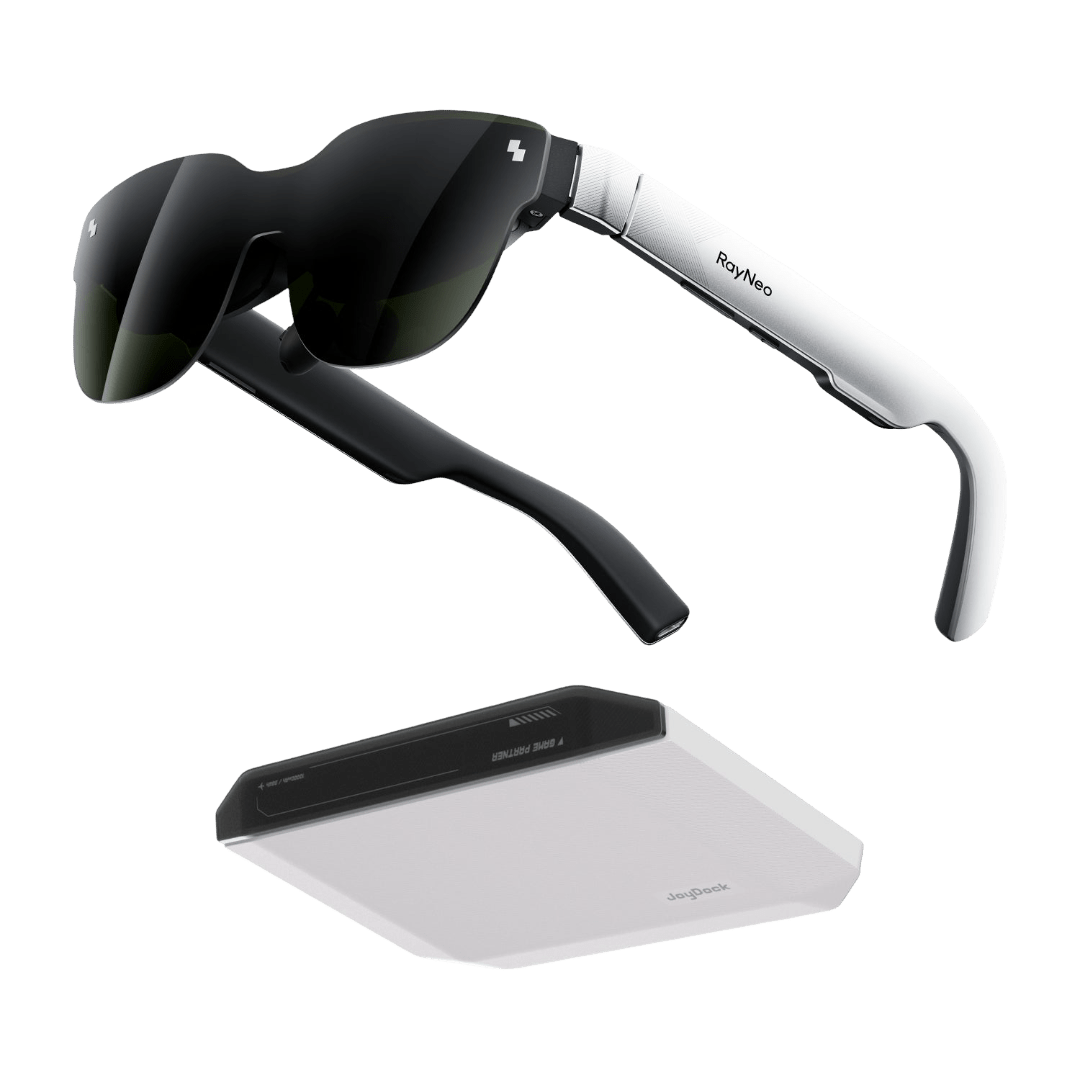


Share:
What to Know Before You Buy: Lightest Smart Glasses
Smart Glasses for Athletes: Types, Uses, and Buying Guide