

$429.00


The idea behind ChatGPT glasses no phone needed is easy to understand when your hands are busy or you simply do not want another reason to look down at a screen. Instead of unlocking a phone for every quick question, AI glasses can put short answers, captions, reminders, or notes directly in view.
Some models are fully standalone, while others keep a phone connected in the background. This guide breaks down how ChatGPT works on smart glasses, what “no phone needed” can mean in real use, and which features make hands-free AI genuinely useful throughout the day.

Yes. Some AI glasses can integrate ChatGPT or other large language models, allowing you to ask a question by voice and receive the response through a near-eye display or audio system. The exact experience depends on the glasses: some support one built-in assistant, while others let you choose between multiple AI models.
ChatGPT itself supports natural voice conversations through ChatGPT Voice, but using it through smart glasses requires compatible hardware and software integration. It is worth checking which AI models a pair supports, whether an extra membership is required, and whether responses appear as text, audio, or both.
For everyday use, the biggest advantage is convenience. You can ask a short question, check information, or trigger a supported AI feature without stopping to unlock and navigate your phone.
Using ChatGPT or another AI assistant on smart glasses usually involves four parts: capturing your request, connecting to the AI service, generating the response, and presenting that response in a way you can use without reaching for a screen.
Built-in microphones pick up your voice when you ask a question or give a command. Microphone arrays and voice-isolation processing can help make speech easier to recognize in busy environments.
The request may be handled through software on the glasses, a connected smartphone, or a cloud-based AI service.
The exact setup varies by model. Some standalone smart glasses have their own processor and wireless connectivity, while other designs use a phone for internet access, account services, notifications, or companion-app features.
With an AR glasses phone connection, for example, the handset may stay in your pocket while it provides connectivity in the background, and the glasses handle the display and interaction.
The selected AI model interprets your request and returns an answer. Depending on the integration, that could be a quick factual answer, a summary, a reminder, or information drawn from supported personal records.
Display-first glasses can place short text responses directly in your field of view, while audio-oriented glasses may read the answer through built-in speakers. More advanced AI+AR glasses can also combine AI with richer visual interfaces.
The important question is therefore not simply whether the glasses “have ChatGPT,” but how much of the interaction you can complete without handling your phone.
The most useful AI glasses features are usually not long conversations or complicated workflows. They are short interactions that would otherwise make you stop, unlock your phone, and switch apps.
You can ask for a definition, quick explanation, conversion, reminder, or another short piece of information while keeping your hands free.
Display-equipped glasses can put the response directly in view, while audio models may read it aloud. This works especially well when you are moving between tasks, carrying something, preparing for a meeting, or simply want an answer without opening another screen.
Some AI glasses can convert spoken language into captions and translate conversations in real time. This can make multilingual meetings, conferences, classes, and travel conversations easier to follow.
Language support varies by model, so check both the number of supported languages and whether the glasses display only the other speaker’s translation or support a two-way conversation.
AI glasses can also reduce the friction of taking notes. Depending on the model, you may be able to record a conversation, transcribe it, flag important moments, and generate a summary or action list afterward.
Other productivity features can include glanceable reminders, calendar information, notifications, and teleprompter prompts, helping short pieces of information stay available without turning every task into a phone interaction.
Putting an AI model on smart glasses is only useful if the hardware makes interactions faster and less distracting than reaching for another device. The display, controls, microphones, connectivity, and fit all shape the experience.
Voice input lets you ask a question while your hands are occupied, while physical controls or head gestures can provide quieter ways to navigate when speaking out loud is inconvenient. Voice may feel natural while walking or working alone, while discreet physical controls can be more comfortable in an office, meeting, or shared space.
A near-eye display is particularly useful for short information: an AI answer, caption, reminder, calendar item, or prompt. This is different from a full AR experience.
A simple transparent display can focus on readable text and glanceable information, while more advanced AI+AR glasses may add full-color graphics, spatial interfaces, or heads-up navigation.
Some smart glasses operate more independently, while others keep a phone connected for network access, notifications, account services, or companion-app features.
If your goal is to check AI answers without constantly reaching for a handset, both approaches can work. What matters is how often the phone needs to come out of your pocket, not simply whether a phone exists somewhere in the setup.
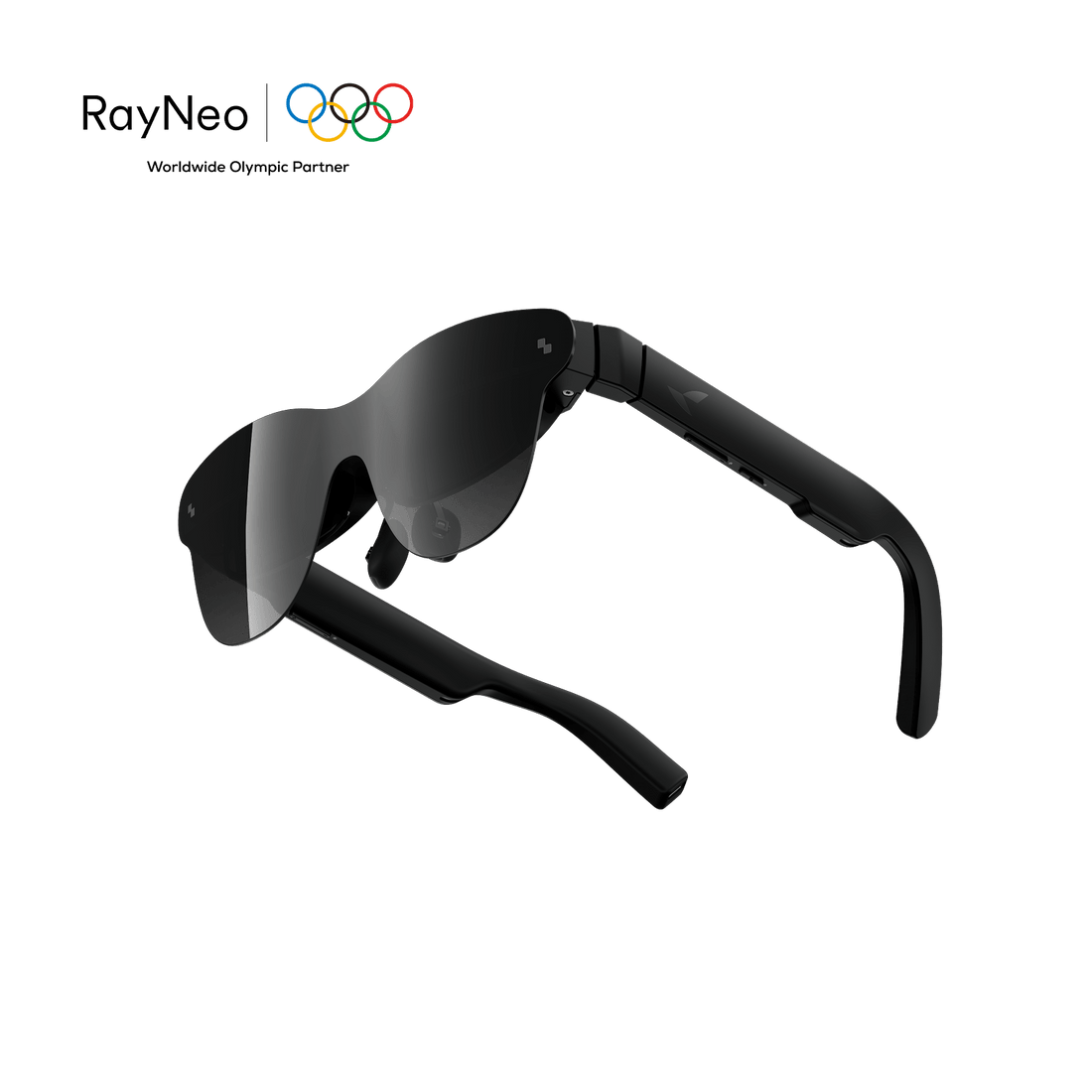
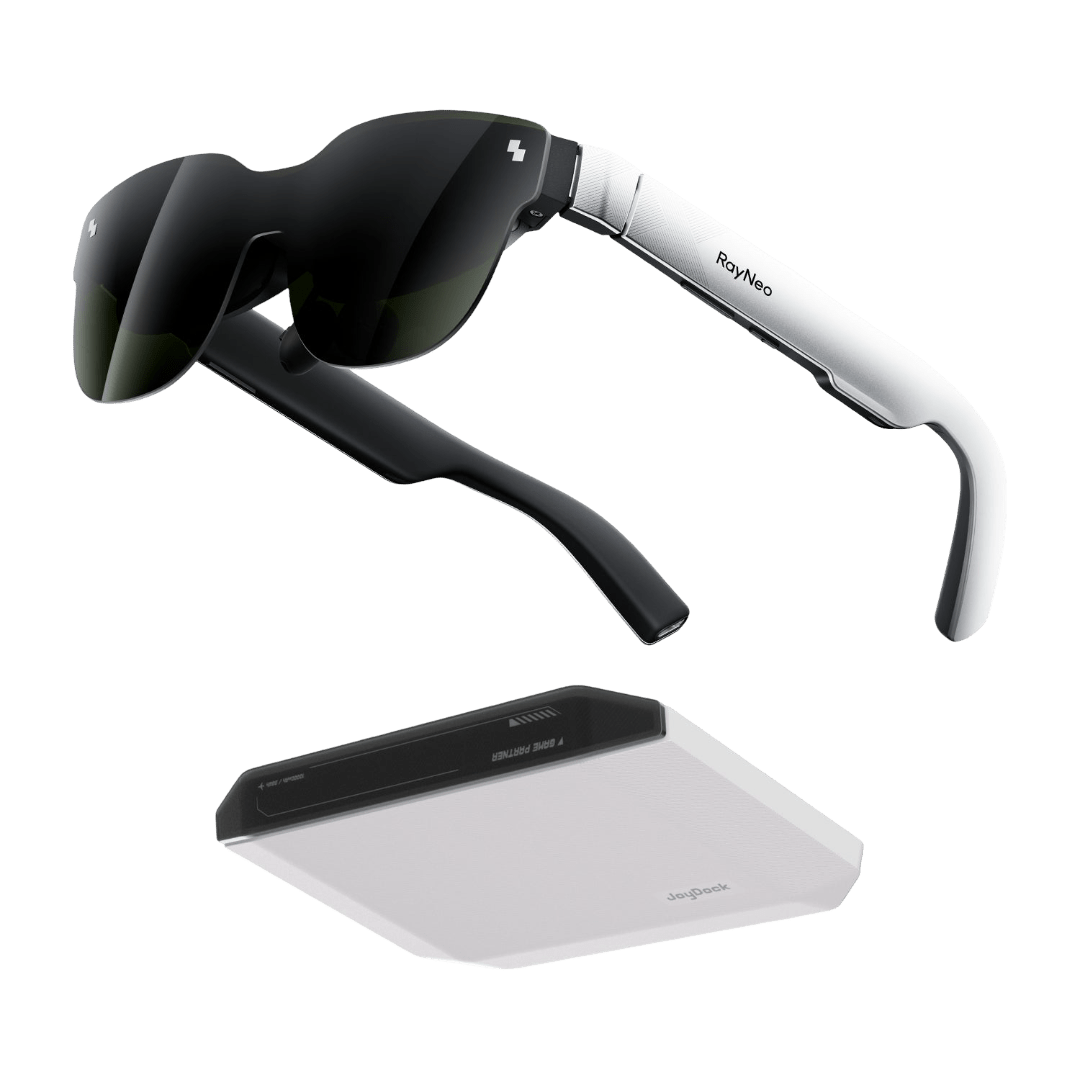
For people who want AI help without turning every quick question into a phone interaction, the RayNeo iO AI Glasses are built around multi-model AI access and a discreet visual display.
The 34g frame combines an ultra-transparent waveguide display with flexible model selection, so short answers and useful information can stay in view while your phone stays in your pocket.
Best for: Professionals, commuters, and travelers who already use AI assistants and want quick questions, summaries, captions, and everyday information without repeatedly taking out a phone.
Here is what you can expect in everyday use:

The appeal behind GPT glasses no phone needed is not really about throwing your phone away. It is about handling fewer everyday tasks on a screen. With voice input, a glanceable display, captions, notes, and AI assistance, smart glasses can keep short interactions in the flow of your day.
RayNeo iO brings that idea into lightweight everyday eyewear while keeping the phone available in the background when connected features need it.
Yes. Some AI glasses, such as the RayNeo iO, can provide access to ChatGPT or other large language models through voice input and a near-eye display. The exact model options depend on the glasses and software plan. On display-first glasses, you may speak a question and read the response in your field of view rather than hearing it through speakers, which can make short AI interactions more discreet in work or public settings.
Yes, some AI glasses with a near-eye display can show message or app notifications in your field of view. What appears depends on the glasses, phone platform, permissions, and supported apps. Display-first models are useful when you mainly want to notice an alert without pulling out your phone, while more detailed replies or app actions may still require the companion app or handset.
Some do, but not all AI glasses use spoken responses. Audio-focused models may answer through open-ear speakers, while display-first glasses can show AI replies, captions, and prompts as text in your field of view. The better choice depends on where you plan to use them: spoken audio can feel natural on the move, while visual responses are often more discreet in offices, meetings, libraries, or shared spaces.





Share:
RV Studio Productivity Tools for Touring Musicians and Creators
AI Glasses for CEOs: A Hands-Free Edge for Modern Leaders