

$429.00

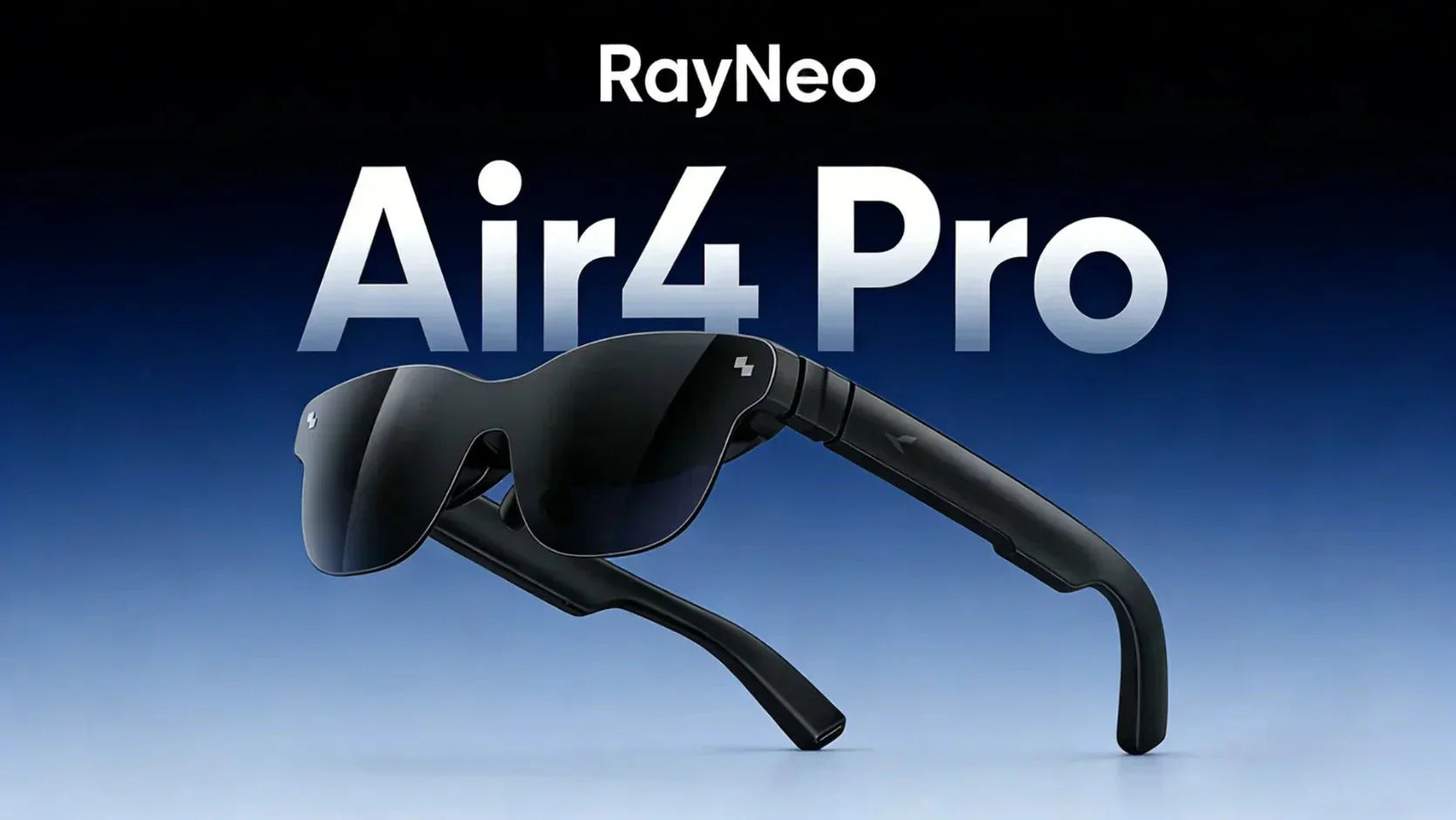
Choosing between premium AR glasses for movies comes down to more than just a spec sheet. While many devices focus on basic screen mirroring, the best smart glasses for entertainment prioritize HDR10 processing, cinema-tuned audio, and long-term wearing comfort.
The real question isn't which looks better on paper; it's which solves your actual viewing problems. Can you see the fine details in a dark thriller? Does dialogue stay clear during chaotic action scenes? Will your nose bridge ache halfway through a three-hour director’s cut? When you strip away the marketing hype, these everyday factors determine if a model is actually worth your investment.

Early Digital Democracy research from Deloitte shows that nearly 70% of respondents have experienced binge-watching—defined as watching three or more episodes in a single sitting. Among them, 30% do so at least once a week, with even higher rates among young people. Binge-watching is no longer just an occasional weekend indulgence; it has become a new rhythm of consumption. You come home from work and tap on a show, intending to watch just one episode, but the cliffhangers keep pulling you back to the couch. That state of watching multiple episodes without stopping is exactly what people mean by binge-watching.
Academic research typically defines binge-watching as viewing between two to six episodes of the same show in one continuous sitting, or finishing an entire season very quickly over a relatively short period. Some researchers are more specific, suggesting that three to four half-hour episodes, or three or more hour-long episodes, constitute a binge. Wikipedia definitions are even more straightforward: watching an entire season or even an entire series in a very short amount of time.
Binge-watching is a double-edged sword. On one side, it offers stress relief and immersive joy for the night; on the other, it can lead to fatigue and guilt the next morning. Systematic reviews find that moderate binge-watching helps many people feel relaxed and happy, while high-frequency, long-duration sessions are more commonly linked to sleep deprivation, emotional issues, and disrupted life rhythms. Understanding the details of these pros and cons can help you adjust your pace so the benefits outweigh the costs.
Immediate Stress Relief For many, a satisfying binge-watching session is a low-cost way to decompress. In the short term, continuous viewing provides an emotional buffer similar to a mini-vacation, allowing the brain to switch from constant tasks to passive story consumption. This shift in tempo itself helps reduce anxiety. Many people use serial viewing to temporarily escape reality after high-pressure work or study, gaining a subjective sense of relaxation and calm by transferring their attention to a fictional world.
A unique advantage of binge-watching is that it provides a deeper immersive binge watching experience than traditional weekly updates. Systematic reviews indicate that when watching multiple episodes of the same show back-to-back, viewers find it easier to maintain a complete memory of character relationships and plot lines. Emotions also follow the story's rhythm more easily, leading to a stronger sense of resonance. The traditional weekly model often requires viewers to recap the plot themselves, whereas in a binge-watching state, this memory bridge is automatically maintained by the platform.
On a social level, binge-watching has evolved from a personal hobby into a common language. Data from Samba TV shows that over 70% of American adults identify as binge-watchers. When major series are released, many households finish the entire season within the first week, providing a shared pace for online and offline discussions. Younger viewers are more accustomed to sharing bullet-chat style feelings on social platforms simultaneously. Television trend analysis also points out that about 40% of viewers binge at least one show a week, often to keep up with the progress of friends or their social community.
Many people turn weekend binge-watching into small gatherings where friends take turns picking shows and chat throughout the viewing. Memes and character traits from the shows gradually blend into daily language, becoming internal codes for the group. For those who have just moved to a new city or started at a new school, talking about a hit show with colleagues or classmates is often a quick way to break the ice and build rapport.
From a cognitive perspective, binge-watching has positive effects on plot memory. Systematic reviews suggest that in a continuous viewing mode, viewers retain finer details, character motivations, and foreshadowing more completely. This is especially evident in works with multi-threaded narratives and complex world-building. Some studies using plot recall and comprehension tests as metrics found that subjects who binged performed better in plot continuity and detail reproduction than those who watched episodes a week apart. This suggests a tight viewing pace helps build a more complete story map.
The flip side of binge-watching focuses on physical health, sleep, emotions, and time management. Reviews from medical and health media indicate that long periods of sedentary viewing are often accompanied by staying up late, lack of exercise, and mindless snacking. These behaviors combined can increase the risk of obesity, sleep disorders, and emotional issues. Regarding sleep, many people have a habit of opening a streaming app before bed, intending to relax for a few minutes, only to end up staying awake until midnight or later because of auto-play. Research notes that this prolonged screen time before bed compresses deep sleep, disrupts biological rhythms, and decreases focus and emotional stability the next day.
In the long run, if binge-watching becomes the sole way to cope with stress, people can easily form a conditioned reflex where they feel they must watch a show whenever their mood is low. Once away from the screen, feelings of emptiness and loss become more pronounced, and the guilt of piled-up real-world tasks adds to the burden. At this point, binge-watching is no longer a reward but feels more like a cycle that is difficult to stop.
Since binge-watching has become a part of life for many, the more practical question is how to keep the fun while minimizing the downsides. By adjusting your physical state, tool configuration, and environmental design, you can turn binge-watching from falling into a time black hole into a relatively controllable, and even physically and mentally beneficial, rest period.
To counter the sedentary issues of binge-watching, a simple but effective method is to pair viewing with light exercise. This fitness method is gaining popularity among urban white-collar workers and remote employees. Some move a walking pad or stationary bike in front of the TV, treating each episode as a 20 to 40 minute aerobic session. Others choose to do a round of stretching or core training before and after each episode.
From an efficiency standpoint, using the features provided by streaming platforms can keep binge-watching time more focused. Many platforms offer settings to skip intros, skip recaps, and automatically play the next episode. This allows viewers to invest more time into the plot itself during a session rather than repeating title sequences and scrolling through lists.
If you want to binge-watch without losing total control, you can adopt a smart auto-play mindset. For example, keep auto-play on but set a limit for the session beforehand, such as three episodes. Before starting the first one, mentally mark the fourth episode as something to watch next time. When the third episode ends, consciously stop and turn off the screen, treating the binge as a completed ritual rather than being passively dragged along by the system. This allows you to enjoy the continuous experience while maintaining boundaries.
For those living in shared housing, having partners with different schedules, or frequently traveling, binge-watching without disturbing others is a practical challenge. The traditional solution is wearing large headphones while staring at a tablet or phone, but neck and eye strain from looking down is hard to avoid. A new generation of smart glasses and AR glasses offers another path, giving you a private cinema that only you can see, anywhere you go.
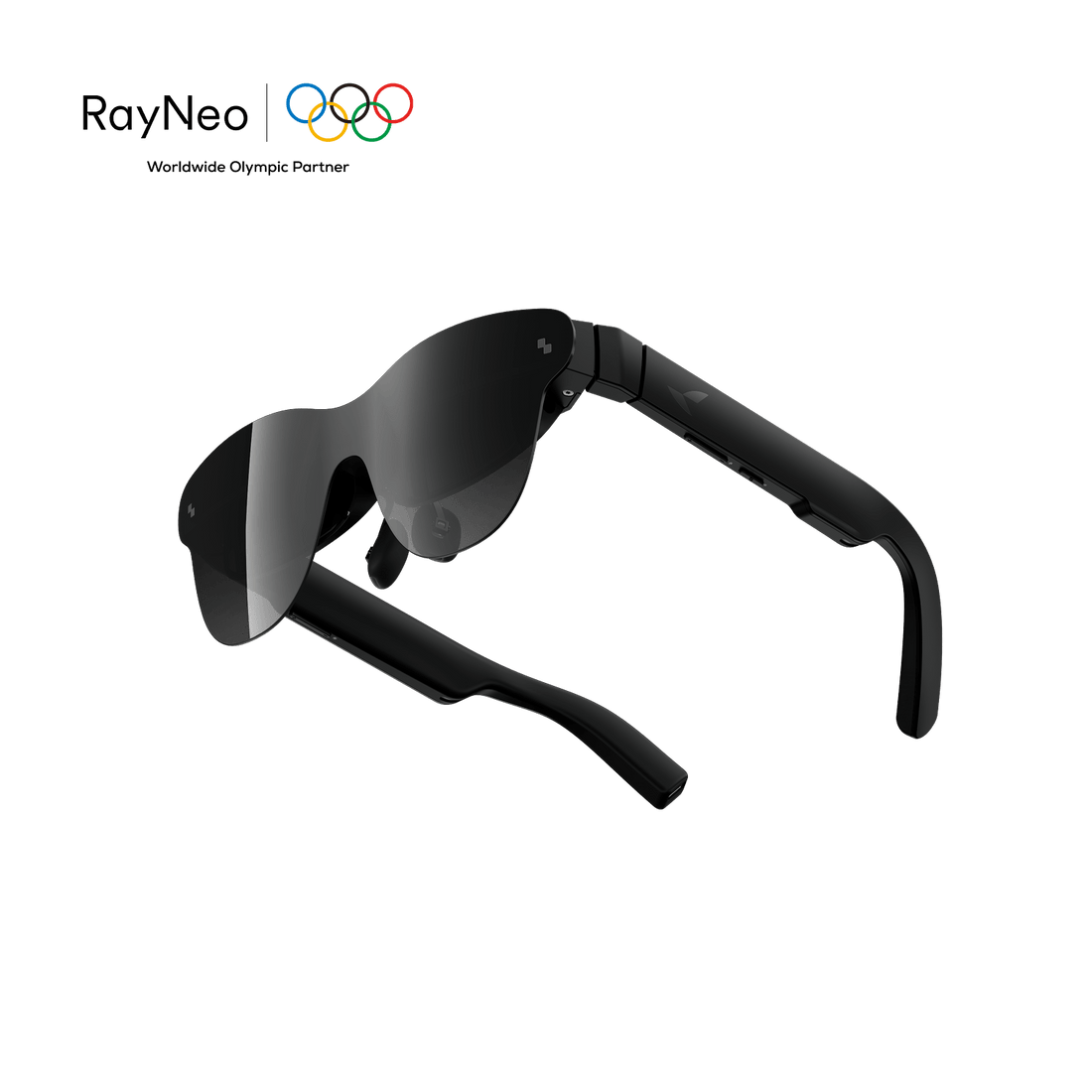
Industry guides for viewing scenarios point out that smart glasses designed specifically for movies use Micro OLED display chips to project a virtual screen equivalent to 100 to 200 inches in front of your field of vision. These devices usually weigh less than 100 grams, making it easier to watch for long periods in bed, on a sofa, or in a plane seat without fatigue. RayNeo Air 4 Pro is one such device, featuring a 0.6 inch Full HD Micro OLED display with HDR10 support and peak brightness of about 1200 nits. It expands to an equivalent virtual screen of roughly 201 inches while maintaining a weight of about 76 grams, with four speakers tuned by Bang & Olufsen to create a home theater-like surround sound experience.

Adding AR glasses to your binge-watching toolkit gives you a portable and private viewing space. Especially when you want to maintain your pace at the gym, on a balcony lounge chair, or during travel, this wearable private theater is much more comfortable than holding a tablet or phone.
Binge-watching is often paired with snacks. While this combination brings immediate satisfaction, it also quietly accumulates health risks. Medical articles note that continuous viewing keeps people stationary, leading to the unconscious consumption of high-sugar, high-fat snacks and sugary drinks, which correlates with weight gain and metabolic issues. If you are used to eating while watching, try shifting the focus from whether to eat to what to eat.
Lighter options include sliced fruit, a small amount of nuts, or sparkling water. These provide texture and flavor without the rapid calorie spike of chips and sodas. You can also set simple quantity limits, such as one small bowl of snacks per episode, and then get up to clear the table and have a glass of water when the episode ends. This turns the action into a small chapter ending reminder. Over time, you can still enjoy the pleasure of binge-watching without your body paying too high a price for that happiness.
In the end, the truly efficient way to binge-watch is not about seeing as much as possible, but about knowing what you are trading for it and what you are willing to give. When you learn to use the fitness method to care for your body, optimize the experience with streaming features and AR glasses, and protect your health with smarter snacking habits, binge-watching transforms from an out-of-control drain on your energy into a well-arranged personal celebration.
Display technology determines whether you're squinting through bright scenes or losing shadow detail during dark sequences. For a high-end movie experience, resolution is just the baseline.
The RayNeo Air 4 Pro AR glasses sets a new benchmark by emphasizing HDR10 support and a richer color range. While many glasses hit professional color accuracy standards (Delta E < 2), the Air 4 Pro’s superior 200,000:1 contrast ratio ensures that "blacks" are truly black, preventing the "gray-wash" effect common in lesser displays. If you want to see how these stack up against other market leaders, check out our curated list of the best AR glasses for augmented reality experiences.
|
Specification |
RayNeo Air 4 Pro (Cinema Leader) |
Standard Industry Spec |
|
Virtual Screen Size |
201 inches |
130 - 140 inches |
|
Panel Type |
SeeYa 0.6" Micro-OLED |
Generic Micro-OLED |
|
Peak Brightness |
1200 nits |
600 - 800 nits |
|
Refresh Rate |
120Hz |
60Hz |
|
HDR Support |
HDR10 |
N/A |
|
Contrast Ratio |
200,000:1 |
100,000:1 |
|
Color Gamut |
98% DCI-P3 / 145% sRGB |
100% sRGB |
|
Eye-Care |
3840Hz PWM Dimming |
Standard DC Dimming |
The best smart glasses must act as a seamless extension of the devices you already own. For a truly immersive bing watching night, look for USB-C DisplayPort (DP) compatibility, which allows for a "plug-and-play" experience without bulky adapters.
Mobile & Streaming: High-end AR glasses like the RayNeo Air 4 Pro connect directly to the iPhone 15/16 series, Android flagships, and iPads. This allows you to stream Netflix or Disney+ on a private 201-inch virtual screen while lying flat—a luxury a physical TV can't provide.
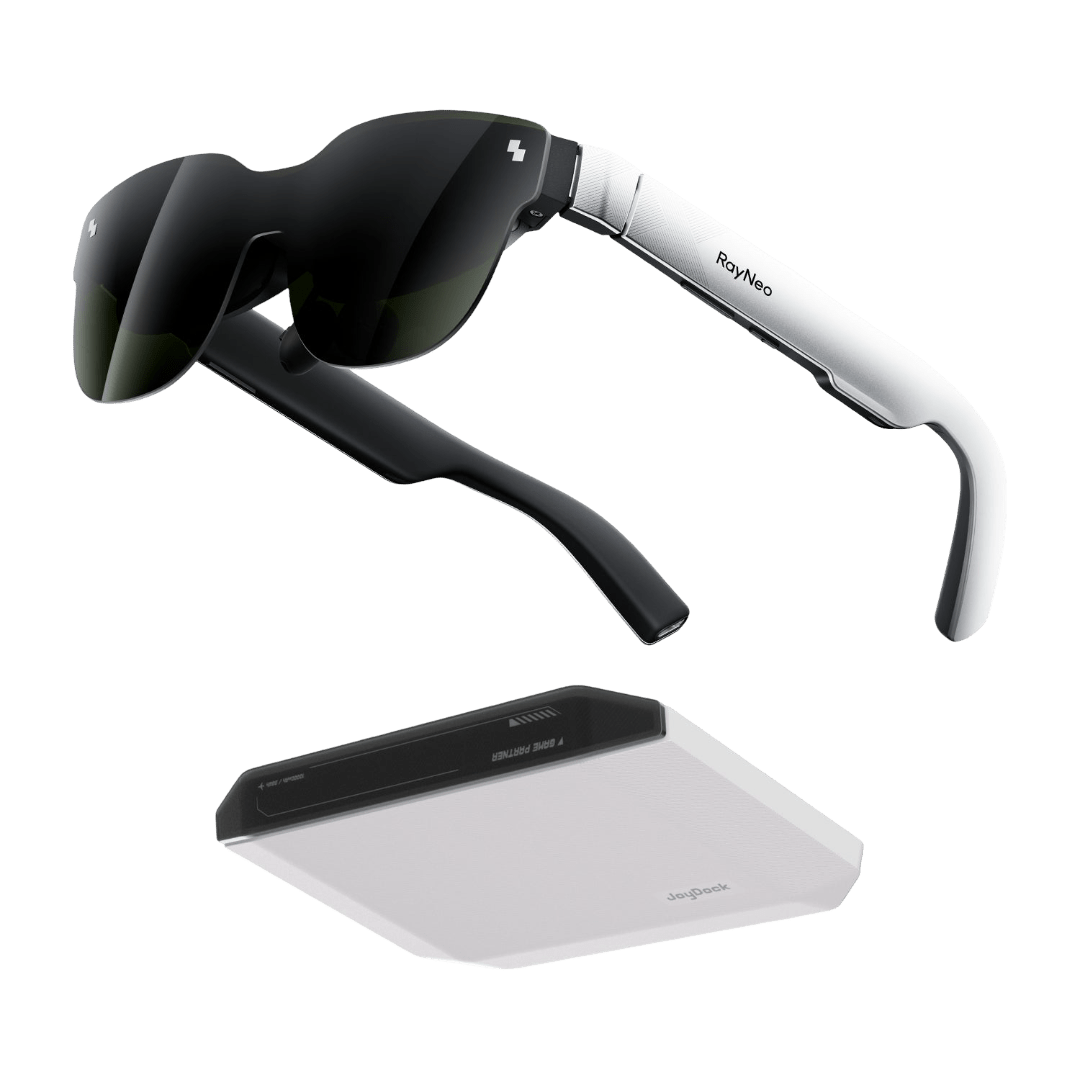
Gaming & Media Hubs: For those who treat cinematic gaming as a movie experience, compatibility with PS5, Xbox, and Nintendo Switch is crucial. Pairing your glasses with a dedicated media hub (like the RayNeo JoyDock) not only powers the glasses but also allows for simultaneous charging, ensuring your movie doesn't cut out at the climax.

Audio determines whether you stay immersed or get distracted. The RayNeo Air 4 Pro utilizes a specialized Bang & Olufsen (B&O) tuning with a four-speaker configuration. Unlike dual-speaker setups that can sound "tinny," this quad-speaker system provides dedicated home theater precision.
The balance remains solid whether it’s a thunderous explosion or a whispered conversation, showcasing the technical trade-offs of surround sound vs stereo which is better for watching movies inside a wearable chassis. The specialized "Whisper Mode" is a standout feature for travelers, keeping your audio private even in a crowded cabin while maintaining the sense of scale that makes your environment feel like a massive theater.
A movie marathon is a long time to have a display inches from your eyes. "Cinema-grade" must apply to visual health as much as resolution.
Flicker-Free Technology: Many OLED screens use low-frequency dimming that causes "invisible flicker," leading to headaches. The Air 4 Pro leads with 3840Hz Ultra-high-frequency PWM dimming, significantly reducing eye fatigue during extended use.
SGS A+ Certification: Look for industry-recognized benchmarks. This certification ensures the lenses filter harmful blue light without sacrificing the color integrity filmmakers intended.
Thermal Management: Advanced heat dissipation in the frame design ensures the glasses remain cool to the touch even after back-to-back films.
Individual specs combine to create the actual experience.
Your viewing environment determines the right choice.
This model brings out the best in high-quality content. The 200,000:1 contrast is the key selling point here—allowing you to see every detail in dark thrillers or horror films without squinting.
Best for: Winding down at night, long-haul travel, HDR fans, and glasses wearers (via prescription inserts).
The Air 4 Pro delivers flagship-level HDR10, professional B&O audio, and industry-leading eye-care at a significantly more consumer-friendly price point. For consumers currently buying tv glasses for immersive viewing with a focus on marathon sessions, it delivers the most relevant features per dollar.
RayNeo's Vision 4000 image quality chip processes HDR conversion locally. It automatically upconverts SDR content to near-HDR quality, upgrading your existing library without requiring external apps or complex setups.
With 98% DCI-P3 coverage, the Air 4 Pro reproduces the exact color spectrum used in Hollywood mastering. Subtle skin tones and saturated neon hues in sci-fi films benefit from this professional-grade range.
For an authentic movie-watching experience, the RayNeo Air 4 Pro delivers through cinema-focused engineering: HDR10, Bang & Olufsen audio, superior contrast, and ergonomic weight distribution. While other glasses might focus on general AR tasks, the Air 4 Pro is built from the ground up to be your private, high-fidelity home theater.
The Air 4 Pro uses 46.7%:53.3% weight distribution to prevent nose bridge pressure. Nine temple adjustments plus three nose pad positions customize the fit across head shapes. At 76 grams, they stay light enough for multi-hour sessions without creating tension points during marathon viewing.

AR blends digital imagery with your surroundings, while XR is the all-in-one category that includes AR, VR, and MR.
XR glasses usually come with multiple viewing modes, from immersive experiences to subtle overlays.
The answer depends on the use case. For binge watching, RayNeo Air 4 Pro AR glasses lead in different scenarios.
For productivity and AR applications, RayNeo X3 Pro and Meta's offerings serve different needs. Gaming users might prefer XREAL Air 2 Pro or Rokid Max. Each excels in specific areas rather than one dominating all categories.
Battery drain on connected devices is the primary limitation since glasses pull power through USB-C. Cost per inch of screen remains significantly higher than conventional TVs or monitors.
There’s also the problem of social acceptance, as wearing sunglasses indoors draws attention.
So far in 2026, there are plenty of series worth binge-watching, including both returning masterpieces and brand-new dark horses. For example, the second live-action spinoff of Game of Thrones, A Knight of the Seven Kingdoms, the high-rated return of The Pitt Season 2, and Euphoria Season 3, among others.
Binge-watching is not a formal medical symptom, but it is common in people with ADHD due to dopamine-seeking and hyper focus. Those with ADHD often use highly stimulating shows to regulate their focus or manage stress. Additionally, executive dysfunction can make it difficult to stop one episode and transition to another task.





Share:
How to Choose Glasses for Large Heads: A Buyer's Guide
Which Are the Best Smart Glasses for Minimalist Everyday Carry?