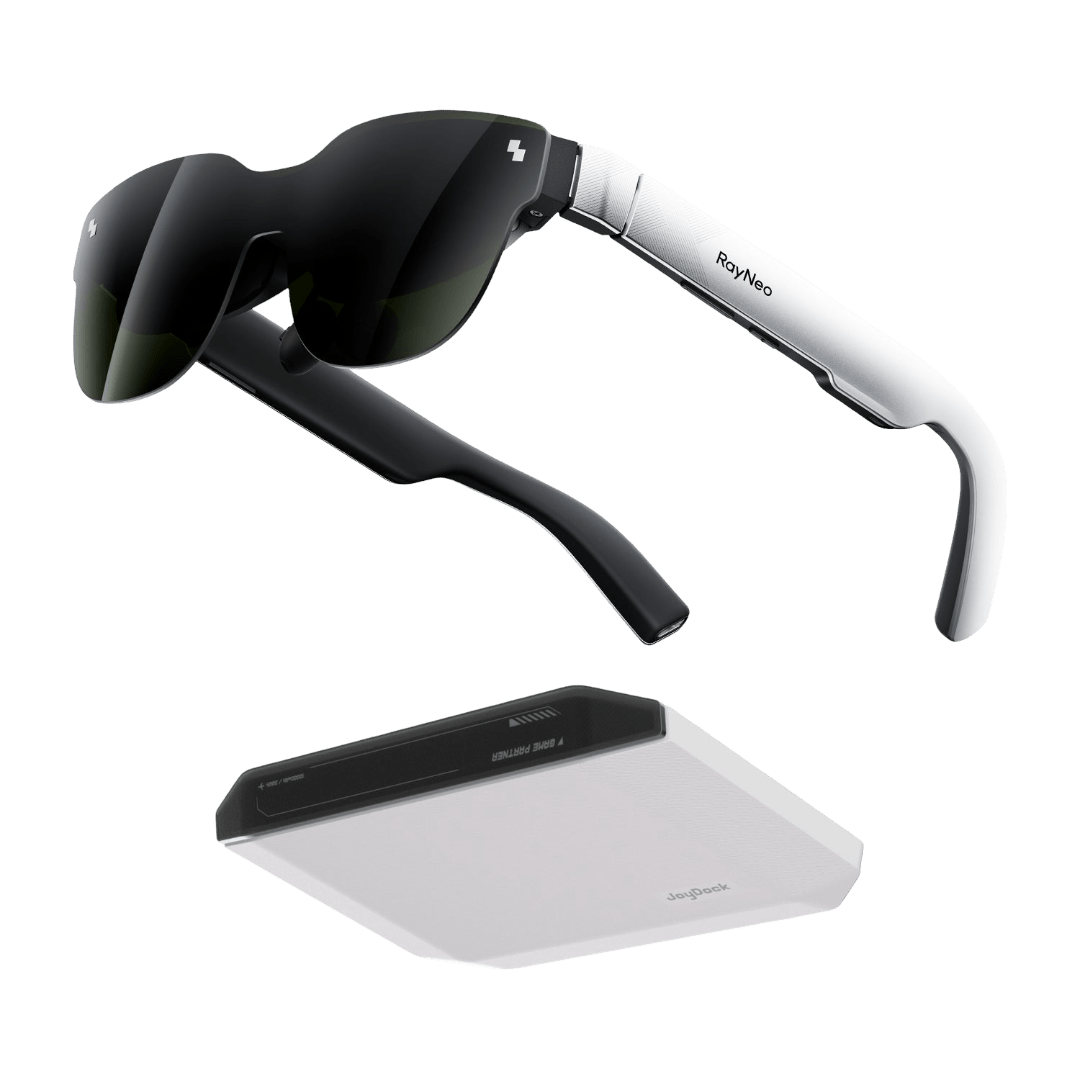
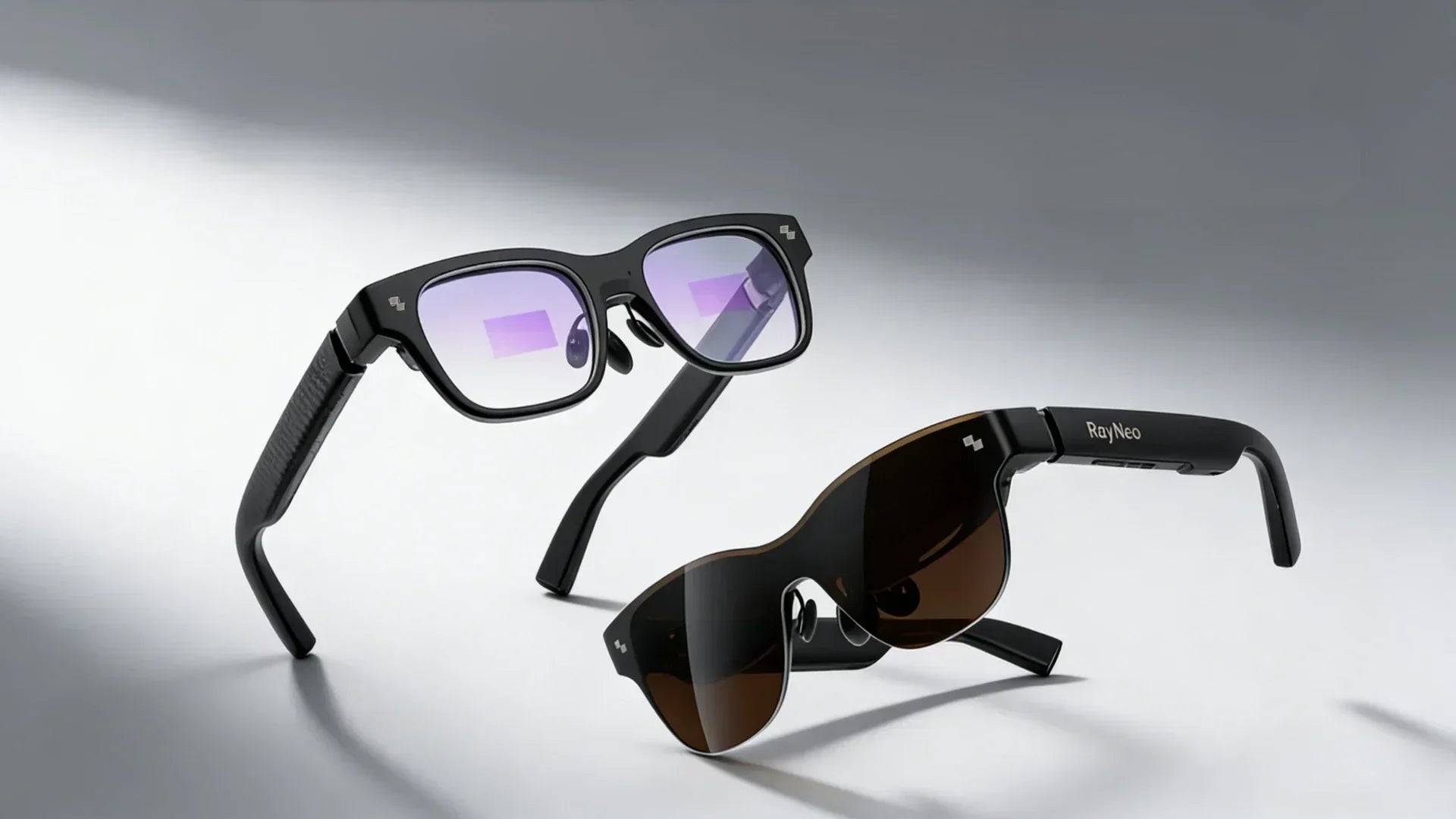
Camera glasses are best compared as named products serving a specific task. RayNeo X3 Pro belongs on a shortlist for capture plus a binocular information display and visual AI. Ray-Ban Meta Wayfarer offers a display-free route, while Meta Ray-Ban Display combines a camera with a different display and control system. None becomes the best overall camera from a spec sheet alone.
Side-by-Side: Compare the Purchase, Not Anonymous Categories
| Model |
Camera and output route |
Where to evaluate it |
Purchase condition |
| RayNeo X3 Pro |
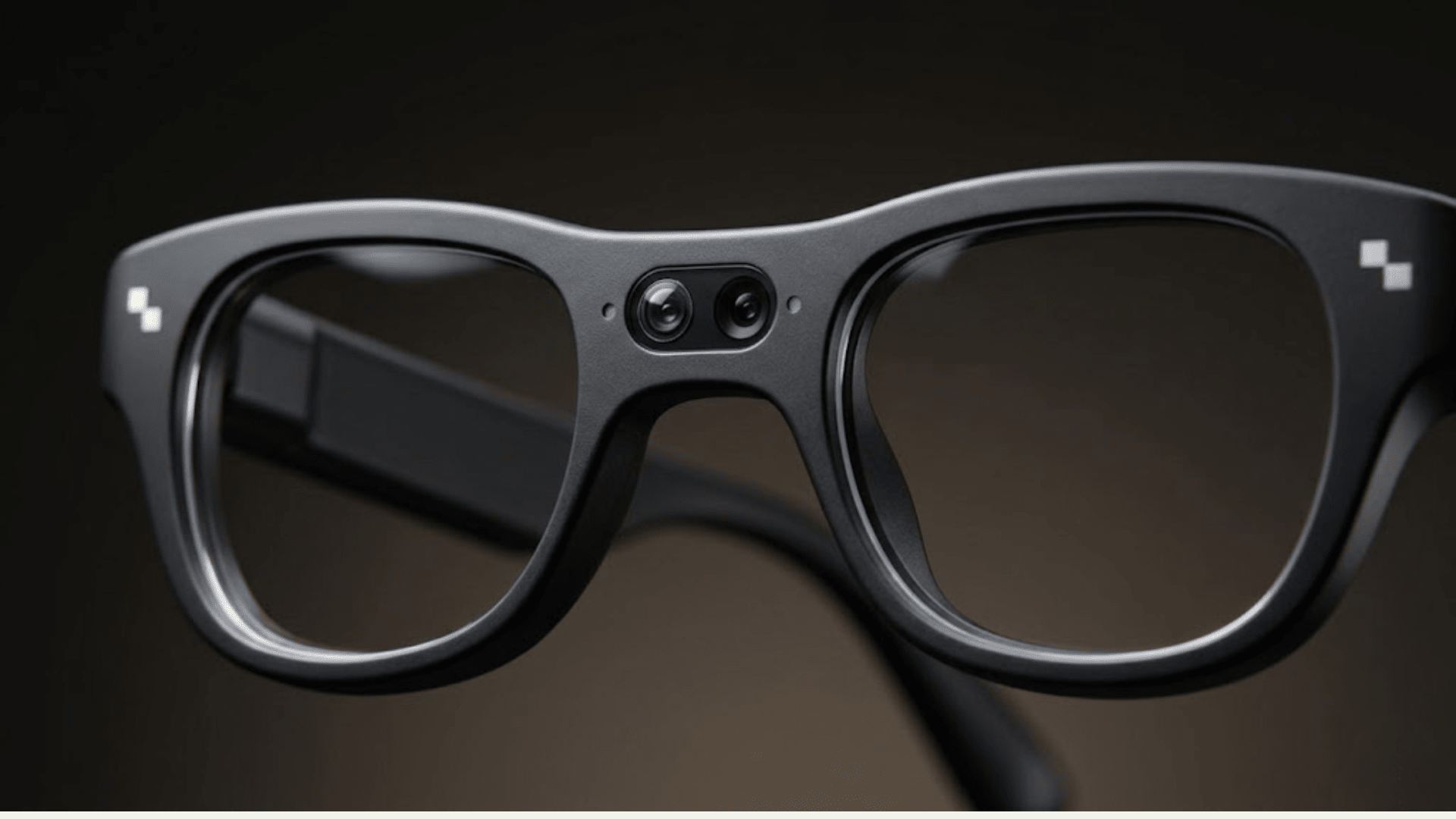
12MP main camera, spatial camera; full-color binocular information display |
Capture plus in-view AI, translation and AIOS tools |
US $1,299 device; 76 ± 1g; current mode and connection |
| Ray-Ban Meta Wayfarer (Gen 3) |
12MP photos and listed up-to-3K video; display-free audio interaction |
Social capture, calls and listening without an in-lens screen |
US starting $449; exact frame/lenses, app and regional support |
| Meta Ray-Ban Display |
Camera plus in-lens information and Neural Band interaction |
Display-based camera/assistant workflow |
Check phone, app/account, band and current package price |
Sources checked November 18, 2026: X3 Pro, Meta’s named-model comparison and Meta Ray-Ban Display FAQ. Maximum capture labels and starting prices are not a controlled footage or total-cost comparison.
Where X3 Pro Earns Its Place
The reason to choose X3 Pro is the combined task: a quick capture, a camera-based question, and readable information in the same worn device. If you do not need the display or AIOS tools, evaluate whether a display-free configuration already completes the job for less. A screen alone is not exclusive to X3 Pro.
X3 Pro’s current specification lists a 12MP Sony IMX681 main camera, a separate spatial camera, 32GB storage and video capture up to 4K / 3K. Check the selected mode, firmware and original file for a required frame rate or output size. The spatial camera supports positioning; it does not establish a second photographic viewpoint or better main-camera detail.

Separate the Three Time Limits
The manufacturer’s up-to-36-minute video rating and up-to-5-hour audio-recording rating describe different activities. Neither establishes a maximum single clip or five hours of camera footage. Check the actual clip-stop behavior, free space and charge for the selected mode. The battery guide separates ratings and reviewer observations.
Also test the time required to start, transfer and find a clip. A long mixed-use rating is not active camera runtime, and storage capacity does not identify which limit stops a session first.
What a Fair Image Comparison Would Need
- Named model, camera mode, app and firmware for each original file.
- The same light, movement, subject distance and exposure challenge.
- Original sound and a known transfer/export path.
- A record of enabled processing, crop and the actual recording duration.
Fit and Daily Use
X3 Pro’s published device weight is 76 ± 1g. The completed prescription fit, nose pressure, temple width and session length matter more than weight alone. A normal-looking frame, lighter weight or adjustable fit is not proof of all-day comfort or public acceptance.
X3 Pro supports custom prescription inserts through Lensology, RayNeo’s official lens partner. These are corrective lenses mounted behind the front frame, not a camera built into the prescription lens itself. Confirm the exact prescription, PD, lens type, finished fit and complete quote before ordering; the device and lens order are separate.
Do not transfer a competitor’s IP rating, charging case, clip limit or runtime to an unnamed category. Compare the exact product configuration and current support documentation.

Frequently Asked Questions
Is X3 Pro the only camera-and-display option? No. Compare other named display models on the specific task; X3 Pro’s binocular display and AIOS tools are its relevant route.
Are all camera-only models cheaper or longer-lasting? No category-wide result follows. Check the actual frame, battery workload and complete package.
Should an old sold-out model be the main alternative? Use current purchasable configurations; sold out does not prove permanent discontinuation.
Use the photo/video buying checklist for capture requirements and the combined-feature guide for the assistant/display decision.






Camera glasses are best compared as named products serving a specific task. RayNeo X3 Pro belongs on a shortlist for capture plus a binocular information display and visual AI. Ray-Ban Meta Wayfarer offers a display-free route, while Meta Ray-Ban Display combines a camera with a different display and control system. None becomes the best overall camera from a spec sheet alone.
Side-by-Side: Compare the Purchase, Not Anonymous Categories
Sources checked November 18, 2026: X3 Pro, Meta’s named-model comparison and Meta Ray-Ban Display FAQ. Maximum capture labels and starting prices are not a controlled footage or total-cost comparison.
Where X3 Pro Earns Its Place
The reason to choose X3 Pro is the combined task: a quick capture, a camera-based question, and readable information in the same worn device. If you do not need the display or AIOS tools, evaluate whether a display-free configuration already completes the job for less. A screen alone is not exclusive to X3 Pro.
X3 Pro’s current specification lists a 12MP Sony IMX681 main camera, a separate spatial camera, 32GB storage and video capture up to 4K / 3K. Check the selected mode, firmware and original file for a required frame rate or output size. The spatial camera supports positioning; it does not establish a second photographic viewpoint or better main-camera detail.
Separate the Three Time Limits
The manufacturer’s up-to-36-minute video rating and up-to-5-hour audio-recording rating describe different activities. Neither establishes a maximum single clip or five hours of camera footage. Check the actual clip-stop behavior, free space and charge for the selected mode. The battery guide separates ratings and reviewer observations.
Also test the time required to start, transfer and find a clip. A long mixed-use rating is not active camera runtime, and storage capacity does not identify which limit stops a session first.
What a Fair Image Comparison Would Need
Fit and Daily Use
X3 Pro’s published device weight is 76 ± 1g. The completed prescription fit, nose pressure, temple width and session length matter more than weight alone. A normal-looking frame, lighter weight or adjustable fit is not proof of all-day comfort or public acceptance.
X3 Pro supports custom prescription inserts through Lensology, RayNeo’s official lens partner. These are corrective lenses mounted behind the front frame, not a camera built into the prescription lens itself. Confirm the exact prescription, PD, lens type, finished fit and complete quote before ordering; the device and lens order are separate.
Do not transfer a competitor’s IP rating, charging case, clip limit or runtime to an unnamed category. Compare the exact product configuration and current support documentation.
Frequently Asked Questions
Is X3 Pro the only camera-and-display option? No. Compare other named display models on the specific task; X3 Pro’s binocular display and AIOS tools are its relevant route.
Are all camera-only models cheaper or longer-lasting? No category-wide result follows. Check the actual frame, battery workload and complete package.
Should an old sold-out model be the main alternative? Use current purchasable configurations; sold out does not prove permanent discontinuation.
Use the photo/video buying checklist for capture requirements and the combined-feature guide for the assistant/display decision.
Share:
Leave a Comment
We'd love to hear your thoughts. Comments are reviewed before publication.