

$429.00

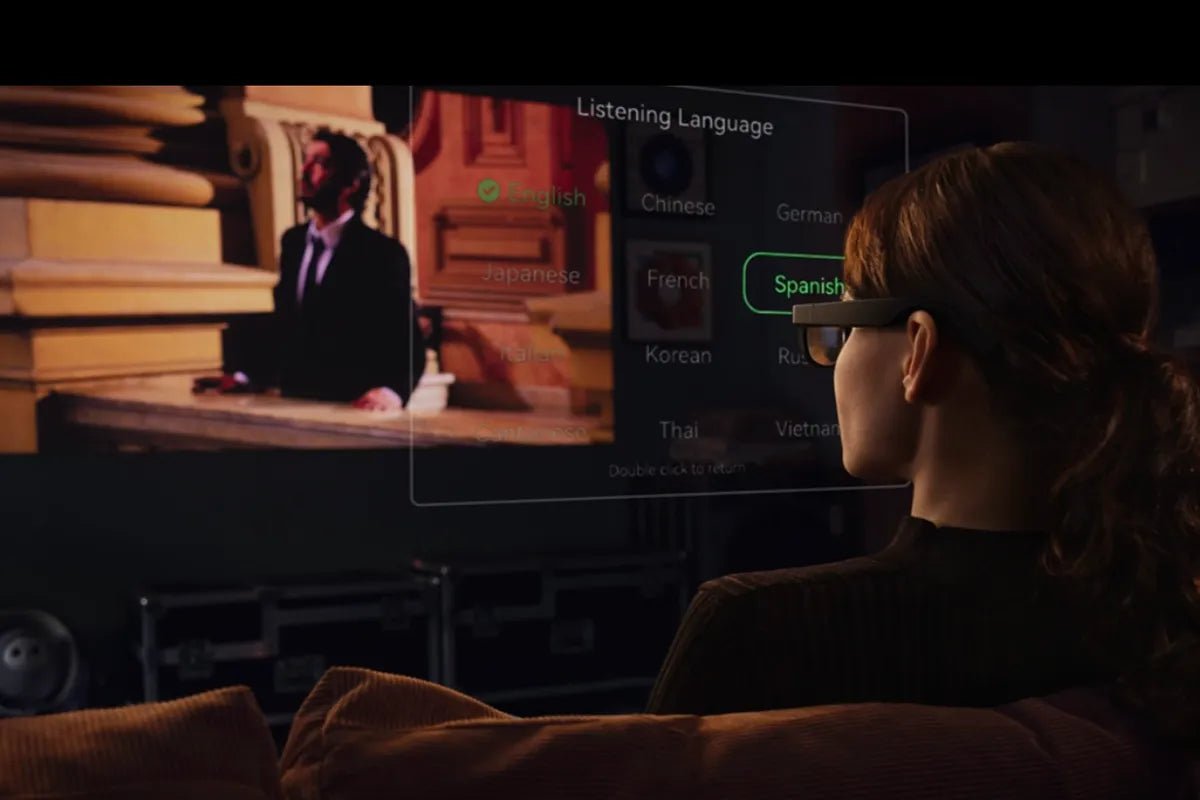
AI translation glasses are transforming cross-language communication by combining speech recognition, machine translation, and wearable technology. Unlike traditional translation apps, they allow users to access translated information through visual displays or audio feedback while maintaining natural interactions.
This guide explains how AI translation glasses work, the technologies behind them, the key factors to consider before buying, and how to choose the right model based on translation needs, comfort, connectivity, and everyday use scenarios.

AI translation glasses are wearable eyeglasses that capture speech or text around you, run it through speech recognition and machine translation, and return the result as on-lens subtitles, spoken audio, or both. Many AI translation glasses support two-way translation, allowing conversations between speakers of different languages. The advanced models add a camera, letting the AI translate printed menus, signs, and labels as well as conversation.
AI translation glasses combine microphones, AI language processing, and different output methods to deliver translated information. The process usually involves three main steps: capturing speech, processing the language, and presenting the translation.
Smart glasses use built-in microphones to capture conversations and reduce background noise. Multiple microphones can help improve voice pickup, especially in busy environments. Clear audio input is important because better sound quality helps AI systems recognise speech more accurately.
After capturing speech, the glasses convert audio into text and process it through AI translation systems. Many AI translator glasses rely on cloud-based processing for complex language tasks, while some functions may use on-device processing for faster responses or limited offline use. A stable internet connection can improve performance for cloud-based features.
The translation experience depends on how information is presented to the user.
| Delivery method | How it feels | Best for |
| AR subtitles | Displays translated text in the user's field of view | Conversations, meetings, and lectures |
| Audio translation | Plays translated speech through built-in speakers | Walking, travel, and hands-free situations |
| Camera and OCR | Recognises and translates printed text from signs, menus, or labels | Travel, shopping, and reading text |
| Phone display | Shows translations through a connected smartphone | Backup use or models without built-in displays |
Smart glasses with built-in displays can provide an additional advantage by allowing users to view translated text while maintaining eye contact. This can make conversations feel more natural, especially when combined with real-time transcription features.
The right translation glasses depend on how you use them. Focus on these key factors before choosing a model.
Decide whether you prefer reading or listening to translations:
Check whether the glasses support the languages you actually need. Translation performance also depends on:
Since smart glasses are worn for extended periods, consider:
Many AI translation glasses rely on cloud-based processing, so check:
Smart glasses vary in price depending on their technology level:
Choose based on how often translation features will improve your daily life rather than selecting the model with the most functions.
AI translation glasses can support different users by making communication and information access more convenient in everyday situations. Common use cases include:
The best use case depends on whether you need translation for travel, work, learning, accessibility, or daily communication.
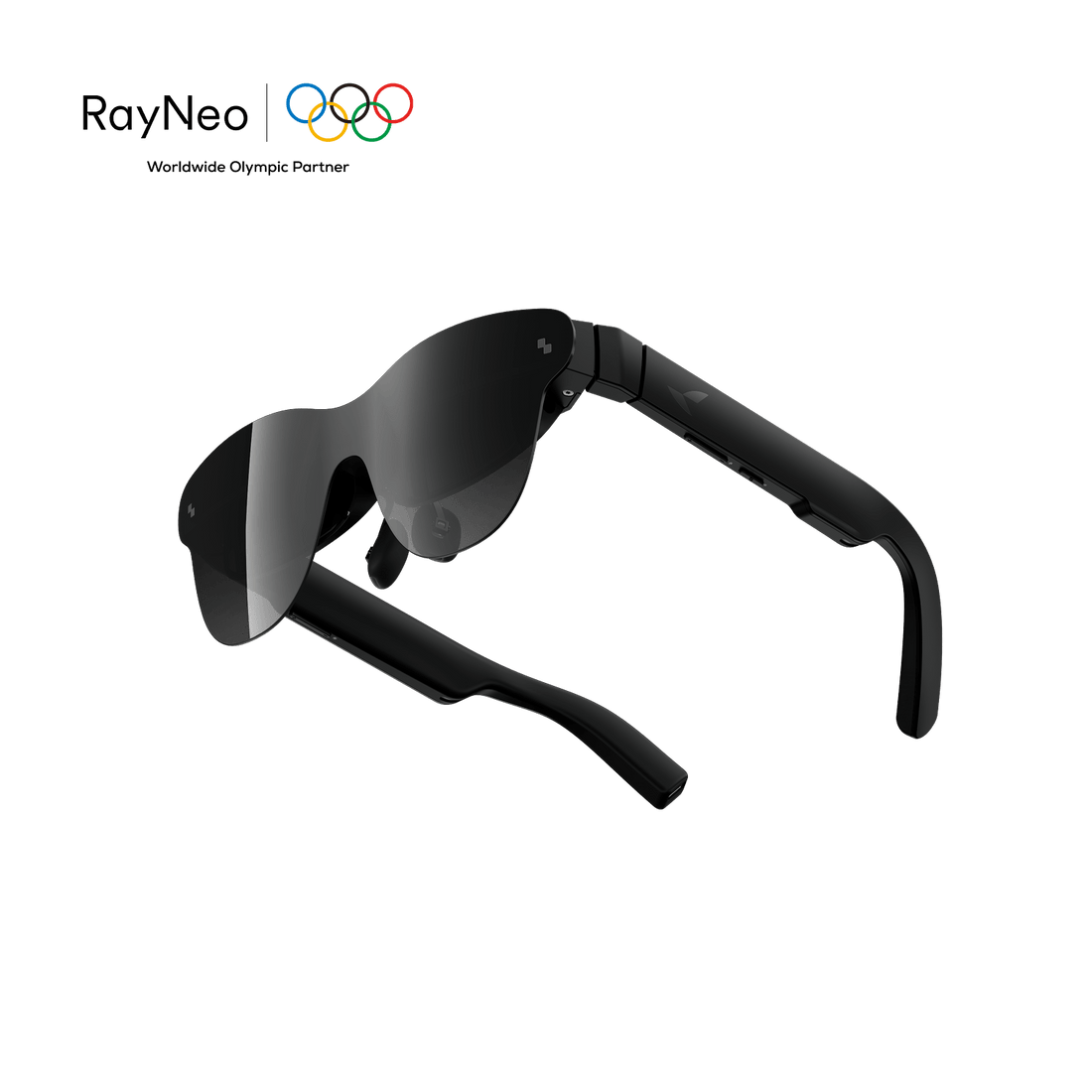
The RayNeo X3 Pro AI+AR Smart Glasses is an advanced AI translation glasses solution that combines AI assistance, AR display capabilities, and hands-free interaction. As a wearable device, it brings AI-powered translation and smart visual information into everyday situations, helping users communicate, learn, and navigate more naturally without constantly checking a smartphone.
Key features include:
With AI translation, AR displays, and camera-based visual recognition, RayNeo X3 Pro helps travellers read signs and menus, professionals follow multilingual conversations, and language learners practise through real-world interactions — all without constantly checking a phone.
By combining AI translation, AR visuals, and wearable design, the RayNeo X3 Pro brings smart assistance into daily communication, travel, and learning.
RayNeo X3 Pro at a glance
| Specification | RayNeo X3 Pro |
| Translation languages | 14 (Chinese, English, Cantonese, German, French, Spanish, Italian, Japanese, Korean, Russian, Thai, Vietnamese, Indonesian, Malay) |
| Translation speed | Around 2.1 seconds, delivered as on-screen text or synchronised audio |
| Display | Full-colour MicroLED, 640 x 480 per eye |
| AI assistant | Google Gemini on RayNeo AI OS |
| Chipset | Qualcomm Snapdragon AR1 (4 nm) |
| Connectivity | Wi-Fi 6, Bluetooth 5.3 |
| Battery | Up to 5 hours of recording, 3 hours of music, or 36 minutes of video; low-power mode extends standby |
| Charging | Full charge in about 38 minutes; 1.2 m Type-C cable for convenient charging |
| Fit and lenses | Interchangeable nose pads; snap-on custom prescription lenses via partner lens makers |

AI translation glasses offer a more efficient way to bridge language barriers by combining real-time translation, AR displays, and hands-free interaction. Choosing the right model depends on factors including translation accuracy, supported languages, connectivity, comfort, and display capabilities. For travellers, professionals, and language learners who need seamless multilingual communication, RayNeo X3 Pro provides AI-powered translation and visual assistance in a wearable design.
For the best results, yes. Live conversational translation runs on cloud AI models, so you need Wi-Fi, a phone hotspot, or a portable Wi-Fi unit, and speed affects latency. Some models offer limited offline translation features, usually for basic phrases or selected languages. Treat offline mode as a backup and plan your data before you travel.
The best pair for you depends on how you want the translation delivered. If you want to keep eye contact and read subtitles as the other person speaks, choose glasses with a bright on-lens display, strong beam-forming microphones and a camera for menus and signs. RayNeo X3 Pro covers all three, with 14 languages, roughly 2.1-second translation and full-colour MicroLED displays in both eyes.
Yes. Most AI translation glasses use microphones, AI language processing, and connected services to provide near real-time translation. It works in both directions, so both people can speak naturally. Accuracy depends on clear speech, a decent connection, and manageable background noise. Short sentences give any system its best chance.
```





Share:
Smart Glasses with Cameras: How They Work and How to Choose
AR Glasses for Gaming: What to Know Before You Buy