Names, model numbers, units of measure and technical terms are the details of a translated conversation where the original wording can matter as much as the translation. Comparing the two side by side shows how a part number or a surname came through from one language to the other.
RayNeo iO supports that habit in two stages. During the conversation, the other person's translated speech appears on the glasses so the wearer can keep up in real time. When the conversation ends, iO saves the original and translated text side by side in Sessions, in the RayNeo AI app, as conversation bubbles with each speaker labeled, ready for a line-by-line check.

Why bilingual readers check the source wording
A translation can carry the meaning well and still leave a reader wanting the original. A surname may have several spellings, a measurement may be quoted in a unit the listener converts in their head, and an industry term may have a standard equivalent in the reader's field.
Readers with some knowledge of both languages can handle this by comparison. They follow the translation to understand the point, then return to the source wording for the details that need to be exact. A record that keeps both versions of every line next to each other makes that comparison quick.
Who a paired record is useful for
Three kinds of reader can make good use of seeing both languages together:
- Professionals who work partly in a second language, such as engineers, buyers or researchers, who follow a conversation comfortably but want the exact technical term or figure in writing afterward.
- Teams with one bilingual member, where that person checks the original side of the record and everyone else works from the translated side.
- Language learners, who can read how a phrase they heard was rendered in their own language and pick up vocabulary from real conversations rather than textbooks.
For each of them, the translation carries the conversation and the original gives them something to check it against.
Live on the lens, paired in the record
iO divides the job between the moment and the record: follow the conversation live, then check it closely afterward. While people are talking, Live Captions with Translation turned on shows the other person's translated speech on the glasses, across 55 supported languages, so attention stays on the person and the flow of the conversation.

After the conversation ends, the full exchange is saved in Sessions. Each message keeps its original text next to its translation, laid out as conversation bubbles and labeled by speaker, so both sides of the exchange can be read back in order.
Details that can look different on each side of a translation
Some kinds of detail are especially likely to read differently in the two languages, and a paired record puts both versions of them on the same line:
Because each bubble is labeled, the record also shows which side of the conversation a given line came from, which helps when a number or a next step needs to be attributed.
Setting both languages before the conversation
The pairing in the record follows the languages chosen at the start. In the Live Captions settings, turning on Translation and setting both speakers' languages tells iO what each person is speaking and what each line should be translated into.
Setting them before an important conversation keeps each saved bubble organized around the right two languages: the speaker's own words in their language, and the translation in the other person's.
For a broader view of language coverage and response speed in RayNeo translation glasses, this guide to RayNeo translation languages and latency goes into more detail.
An example: a workshop tour with a production engineer
A technical tour is one example of how the two stages can fit together.
Before the tour starts, the wearer opens the Live Captions settings, turns on Translation and sets both speakers' languages.
During the tour, the engineer explains a production step and quotes a part number. The translation appears on the glasses as the engineer speaks, so the wearer can keep looking at the machine being described.
Afterward, the saved session in the RayNeo AI app holds the exchange as bubbles, original beside translation, each labeled by speaker. Reading through it, the wearer can stop at the line with the part number, compare the original with its translation, and carry it into follow-up notes.
A research interview works in a similar way. A researcher who speaks the interviewee's language reasonably well can follow the translation during the interview to keep the conversation flowing, then use the paired record afterward when drafting notes, reading the original line as recognized alongside its translation while working out how to render a passage in the report.
Review, summary and sharing in Sessions
Sessions is where the saved conversation lives, and it offers three ways to work with it once the conversation ends:
- Review the transcript, reading the bubbles in order with the original and translated text side by side.
- Generate a summary, which gives a short overview of the conversation to sit alongside the full paired record.
- Share the conversation record with someone else.
The summary and the full record serve different purposes. The summary is a quick way back into what the conversation covered, while the paired bubbles are where the exact wording of any line can be compared.
Sharing turns the record into a handoff after a workshop tour, a site visit or an interview: the person who was in the conversation and the person who needs its details can work from the same exchange.
Once the conversation is over and saved, the shared record becomes the reference for whatever comes next, from a follow-up email to a revised order.
Original-and-translation FAQ
Which details deserve the first look in a long record?
Figures with units, dates, names and anything agreed as a next step are the usual starting points, because they are the details most likely to be copied into an email, an order or a calendar. Scanning the record for those lines first, then reading the rest in order, keeps the check focused.
Should the other person know the conversation is being saved?
Letting the other person know at the start that the glasses show translated captions and keep a record of the exchange is good practice, alongside following any local rules on recording conversations, including consent where it is required.
How does a colleague who reads only one language use the record?
In the saved session, every bubble keeps the original beside its translation, so each line has one side in each of the two conversation languages. A colleague who reads one of them can follow the exchange through the side written in that language, with the speaker labels showing who said what.
How is a translation session record different from a Voice Memo transcript?
A translation session pairs each line with its translation and is built for face-to-face exchanges across 55 languages. Voice Memo is a separate recording and transcription tool, with transcription across more than 100 languages, suited to keeping a record of a meeting or lecture in its original language.
How many languages can a paired translation record use?
Live Captions & Translation covers 55 languages. Each session pairs the two languages set for the speakers before it starts, so the bubbles in the record hold those two languages.


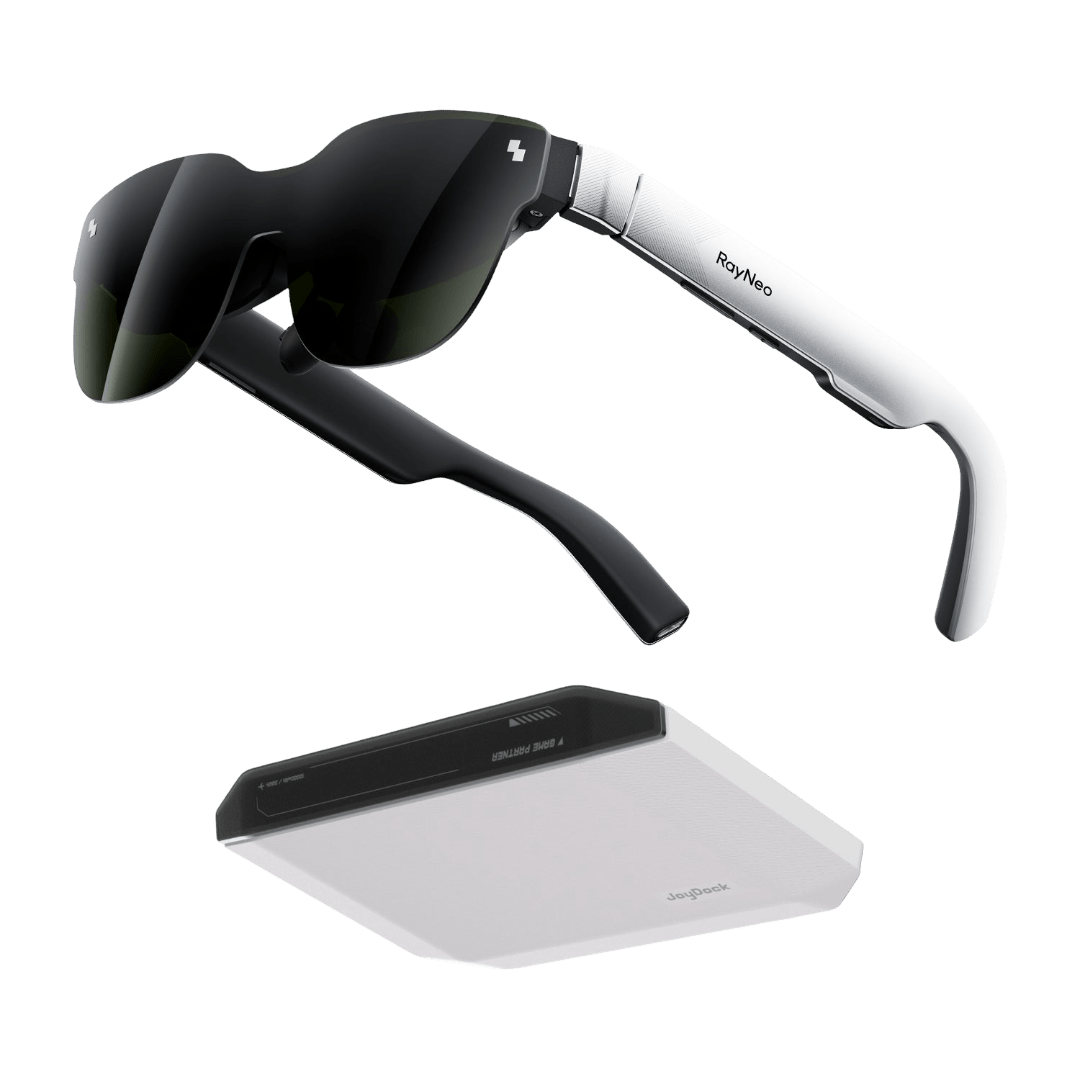


Names, model numbers, units of measure and technical terms are the details of a translated conversation where the original wording can matter as much as the translation. Comparing the two side by side shows how a part number or a surname came through from one language to the other.
RayNeo iO supports that habit in two stages. During the conversation, the other person's translated speech appears on the glasses so the wearer can keep up in real time. When the conversation ends, iO saves the original and translated text side by side in Sessions, in the RayNeo AI app, as conversation bubbles with each speaker labeled, ready for a line-by-line check.
Why bilingual readers check the source wording
A translation can carry the meaning well and still leave a reader wanting the original. A surname may have several spellings, a measurement may be quoted in a unit the listener converts in their head, and an industry term may have a standard equivalent in the reader's field.
Readers with some knowledge of both languages can handle this by comparison. They follow the translation to understand the point, then return to the source wording for the details that need to be exact. A record that keeps both versions of every line next to each other makes that comparison quick.
Who a paired record is useful for
Three kinds of reader can make good use of seeing both languages together:
For each of them, the translation carries the conversation and the original gives them something to check it against.
Live on the lens, paired in the record
iO divides the job between the moment and the record: follow the conversation live, then check it closely afterward. While people are talking, Live Captions with Translation turned on shows the other person's translated speech on the glasses, across 55 supported languages, so attention stays on the person and the flow of the conversation.
After the conversation ends, the full exchange is saved in Sessions. Each message keeps its original text next to its translation, laid out as conversation bubbles and labeled by speaker, so both sides of the exchange can be read back in order.
Details that can look different on each side of a translation
Some kinds of detail are especially likely to read differently in the two languages, and a paired record puts both versions of them on the same line:
Because each bubble is labeled, the record also shows which side of the conversation a given line came from, which helps when a number or a next step needs to be attributed.
Setting both languages before the conversation
The pairing in the record follows the languages chosen at the start. In the Live Captions settings, turning on Translation and setting both speakers' languages tells iO what each person is speaking and what each line should be translated into.
Setting them before an important conversation keeps each saved bubble organized around the right two languages: the speaker's own words in their language, and the translation in the other person's.
For a broader view of language coverage and response speed in RayNeo translation glasses, this guide to RayNeo translation languages and latency goes into more detail.
An example: a workshop tour with a production engineer
A technical tour is one example of how the two stages can fit together.
Before the tour starts, the wearer opens the Live Captions settings, turns on Translation and sets both speakers' languages.
During the tour, the engineer explains a production step and quotes a part number. The translation appears on the glasses as the engineer speaks, so the wearer can keep looking at the machine being described.
Afterward, the saved session in the RayNeo AI app holds the exchange as bubbles, original beside translation, each labeled by speaker. Reading through it, the wearer can stop at the line with the part number, compare the original with its translation, and carry it into follow-up notes.
A research interview works in a similar way. A researcher who speaks the interviewee's language reasonably well can follow the translation during the interview to keep the conversation flowing, then use the paired record afterward when drafting notes, reading the original line as recognized alongside its translation while working out how to render a passage in the report.
Review, summary and sharing in Sessions
Sessions is where the saved conversation lives, and it offers three ways to work with it once the conversation ends:
The summary and the full record serve different purposes. The summary is a quick way back into what the conversation covered, while the paired bubbles are where the exact wording of any line can be compared.
Sharing turns the record into a handoff after a workshop tour, a site visit or an interview: the person who was in the conversation and the person who needs its details can work from the same exchange.
Once the conversation is over and saved, the shared record becomes the reference for whatever comes next, from a follow-up email to a revised order.
Original-and-translation FAQ
Which details deserve the first look in a long record?
Figures with units, dates, names and anything agreed as a next step are the usual starting points, because they are the details most likely to be copied into an email, an order or a calendar. Scanning the record for those lines first, then reading the rest in order, keeps the check focused.
Should the other person know the conversation is being saved?
Letting the other person know at the start that the glasses show translated captions and keep a record of the exchange is good practice, alongside following any local rules on recording conversations, including consent where it is required.
How does a colleague who reads only one language use the record?
In the saved session, every bubble keeps the original beside its translation, so each line has one side in each of the two conversation languages. A colleague who reads one of them can follow the exchange through the side written in that language, with the speaker labels showing who said what.
How is a translation session record different from a Voice Memo transcript?
A translation session pairs each line with its translation and is built for face-to-face exchanges across 55 languages. Voice Memo is a separate recording and transcription tool, with transcription across more than 100 languages, suited to keeping a record of a meeting or lecture in its original language.
How many languages can a paired translation record use?
Live Captions & Translation covers 55 languages. Each session pairs the two languages set for the speakers before it starts, so the bubbles in the record hold those two languages.
Share:
Leave a Comment
We'd love to hear your thoughts. Comments are reviewed before publication.