

$449.00

The tech gift list changed in 2026. It is no longer just another pair of headphones or another power bank. This year smart glasses moved quickly from a niche experiment to a mainstream category. They feature major innovations, strong partnerships, and engaging use cases. AI assistants now fit inside glasses frames. VR headsets are a standard living room item. Drones lowered the barrier for aerial photography to zero. In this article we list the best tech gifts for 2026. The options range from budget entry level items to high end surprises. We screened every item specifically for true tech enthusiasts.
When choosing tech gifts, users now look at all-day battery life, comfort, content ecosystems, and privacy. People are focusing back on daily life—including long flights, commutes, meetings, and home movies. To truly understand what are smart glasses and why they dominate lists this year, the main question is how much a wearable device can replace old, bulky gear and reduce daily friction.
We are moving away from gender-based categories for tech gifts. Instead, we focus on lifestyles like remote work, frequent travel, fitness, and content creation. Feedback shows that if a device is light and compatible with phones or consoles, gender does not matter for the experience. This lets us focus on real factors like comfort and scenario fit.
Many users report that 45 grams is the upper limit for comfortable daily wear. When searching for the best smart glasses for everyday carry, wearing anything heavier for over 3 hours causes pain on the nose and behind the ears. Because of this, designs under 40 grams with balanced weight distribution are top priorities for an optimal EDC experience in 2026.

Regarding battery life, glasses that rely on voice assistants and Bluetooth audio must last over 3 hours in mixed-use. Shorter runtimes prevent users from building a daily habit. This was a major reason for disappointment with early AI glasses. We also see more users turning off always-on wake words and cameras. They do this to save battery and protect privacy. This requires better power management from manufacturers.
|
Metric |
Target Specification |
Practical Benefit |
|
Device Weight |
Under 40-45 grams |
Avoids nose and ear pain during long wear |
|
Battery Life |
3+ hours (Active use) |
Supports daily habit formation |
|
Privacy Mode |
Manual toggles |
Reduces social friction and saves power |
Travel and commute pain points center on neck and eye fatigue. Users also struggle with a lack of privacy in public spaces like planes or subways. Staring down at a small screen for over 2 hours on a long flight leads to neck pain and dry eyes. This is why portable smart glasses for display are becoming popular.
Devices with 1080p resolution, 120Hz refresh rates, and HDR help reduce fatigue. They project a virtual 100-inch screen at a distance of 4 to 6 meters. This puts less strain on the eyes than a close-up phone screen. It also keeps your viewing private. Some users on cross-ocean flights use the RayNeo Air 4 Pro with handheld gaming consoles. By moving the screen from the tray table to their field of vision, they avoid issues when the seat in front reclines. This type of feedback is changing how people see portable displays.
In homes and offices, unique tech gifts must fit into existing workflows. They should improve space use and privacy. Remote workers in open offices often want to keep video calls private. Smart glasses provide a private 100-inch screen that does not take up physical desk space.
At home, the need for multi-use screens is growing. For example, a user can watch their children while looking at a virtual screen for work or a course. The ability to switch between real and virtual worlds just by moving your eyes is highly valued in busy homes. For privacy and family harmony, users prefer directional audio or bone conduction over loud speakers. This prevents disturbing others and is a key factor in our evaluations for home and office use.
Compared to the stage a few years ago when the industry blindly chased the sheer number of connected devices, smart home gifts in 2026 emphasize synergy and security. Features like unified voice control, edge AI inference, and local data storage have become essential. These factors directly determine whether a smart home system evolves into genuine life infrastructure or becomes obsolete within three years.
Furthermore, we are seeing a deep demand for integration between smart glasses and home systems. Being able to check device status through an AR overlay or using voice commands without disturbing others has become a major selling point for next-generation smart home gifts.
In the field of Smart Speakers and AI Assistants, the most common pain points mentioned by real users include poor voice recognition accuracy in noisy environments, complex and opaque privacy settings, and the chaos caused by overlapping voice control ranges across multiple devices. Based on our tracking of various community discussions, many households own two or more devices with voice assistants. However, in practice, commands are often picked up by the wrong device, or multiple devices respond at once in different rooms. This weakens the overall experience.
To address these issues, the 2026 generation of smart speakers focuses more on local voice wake-up models and directional microphone arrays. By limiting the pickup range and processing commands locally, these products reduce cloud latency and privacy risks. Smart glasses can play a major role here. By using microphones close to the mouth and personal speaker units, they shift many commands that would normally be shouted in the living room to more private, point-to-point transmissions. This significantly reduces interference in public spaces.
When it comes to smart lighting and home automation, complex setups and difficult maintenance often hold us back. Many households start with ambitious automation scenes, but these rules often fail or become intrusive after a device swap, network change, or shift in daily routines. Therefore, the best smart lighting and automation gifts for 2026 must offer minimalist configuration and visual feedback. This allows users to link lights, shades, and appliances in just minutes.
Meanwhile, a new form of interaction is emerging through the spatial labeling capabilities of smart glasses. By locking a specific lamp or outlet as a virtual button in the user's field of vision, one can simply look up to check a device's status or operate it directly. This significantly reduces the need to dig through complex menus in mobile apps. From a gifting perspective, if the recipient already has a basic smart hub and lighting, an augmented interaction tool that makes these devices visible and tangible is far more valuable than simply adding more bulbs.
In the realm of home security and smart cameras, privacy perception is one of the most sensitive factors for users in 2026. Discussions generally focus on two dimensions: the risk of camera devices being hacked or misused, and whether wearables in public spaces might be mistaken for hidden recording tools. Many community cases show that users wearing glasses with visible cameras in social settings often face direct questions about whether they are recording secretly. This significantly limits where the devices can be used.
To ease this tension, next-generation smart cameras and smart glasses are emphasizing visible recording indicators and stricter default permissions. This includes forcing a front-facing tally light to turn on during video recording and avoiding features that allow background recording without notification. These steps help reduce social friction. When we evaluate these devices as gifts, we prioritize not adding an extra social burden to the recipient. No matter how powerful the features are, if they increase daily social resistance, the device will likely not be worn or used consistently.
For gamers and media fans, the landscape of 2026 tech gifts is undergoing a massive shift. A major reason behind what are the latest trends in cool wearable technology this year is the movement away from traditional TVs and toward immersive spatial audio, wearable displays, and cloud gaming gear. The main goal is to secure a massive sight and sound experience within a compact footprint while staying fully mobile.
Standard portable gaming has its flaws. Holding a handheld for too long causes neck and wrist strain. It is also hard to use high volume or big screens at night in a shared home. Because of this, many players in 2026 prefer gifts that offer a sofa big-screen experience without remodeling. Display glasses with high refresh rates and low latency for handhelds like the Steam Deck are very popular.
When these glasses output 1080p HDR at 120Hz via a wired connection, the gap between them and a monitor shrinks. This setup provides the benefit of portability without losing quality. Gamers report that using these glasses with personal headphones at night is a game-changer. They can find a comfortable spot on the bed or sofa without disturbing anyone.

In 2026, immersive audio is about a private, large soundstage with adjustable spatiality. Users want a theater-like feel in bedrooms, offices, or hotel rooms. High-end wearables use virtual multi-channel sound and head tracking. The audio direction changes as you move your head. This makes the sound feel like it is coming directly from the virtual screen.
Many users also find heavy headphones uncomfortable during long sessions or in summer. This has led to the growth of open-ear audio integrated into glasses. We value gifts that build audio into the temples. This removes the need for a heavy headband and keeps the user comfortable for hours.
Discussions in 2026 center on field of view (FOV), brightness, color, and weight. A 30-degree FOV works for simple notifications. However, gaming and movies need 40 degrees or more for true immersion. Higher FOV usually means a larger optical engine and more power use. Brightness is also vital for outdoor use. An optical system needs to output over 3000 nits to be readable near a bright window or on the street. High brightness and good color allow for all-day wear across different environments.
The RayNeo X3 Pro is a strong example in this category. It combines AR display with AI. It uses binocular diffractive waveguide optics with a MicroLED engine. Typical brightness reaches 3500 nits, with a peak of 6000 nits.

This is top-tier for consumer AR glasses. Navigation arrows and info cards stay readable even in direct sunlight. With the Snapdragon AR1 Gen 1 chip and 6DOF tracking, the interface stays stable when you move your head. This makes it a high-value gift for tech enthusiasts.
|
Parameter |
Specification |
User Benefit |
|
Optical Engine |
MicroLED Waveguide |
High efficiency and slim frame design |
|
Typical Brightness |
3500 nits |
Clear visibility in most indoor and outdoor spots |
|
Peak Brightness |
6000 nits |
Fully readable under direct, harsh sunlight |
|
Tracking |
6 Degrees of Freedom (6DOF) |
Virtual objects stay locked in physical space |
|
Compute |
Snapdragon AR1 Gen 1 |
Smooth performance for AI and AR tasks |
The best gifts for 2026 are those that bring the console and PC experience into a suitcase. Once a user tries a 100-inch virtual screen, they rarely want to go back to a small display.
When budgets are tight, 2026 users prefer lightweight upgrades. They choose accessories that improve comfort or fix specific pain points over flashy gimmicks. We look at value rather than just the lowest price to find gadgets that actually improve daily life.
In this price range, popular gifts focus on improving existing gear. This includes protective cases for glasses and earbuds, multi-port GaN chargers, and replacement nose pads or anti-slip temple tips. Many users find that the right nose pads or ear hooks can significantly extend their wearing time. This is vital for devices that prioritize specs over comfort. Small upgrades like these make a device much more usable.
Compact GaN chargers are also a top choice for travel and daily commutes. They can charge a phone, a gaming handheld, and display glasses from a single outlet. This saves space and reduces the risk of forgetting a charger. These accessories might not look flashy, but they provide constant value. This long-term utility is a major plus for tech gifts.
Under 100 dollars, more users are choosing entry-level wireless earbuds, desktop DACs, or portable input devices. For example, remote workers using smart glasses often pair them with a mini Bluetooth touchpad or keyboard. This allows them to control a giant virtual screen while lounging on a sofa or bed.
Another common gift is the cross-platform game controller. Controllers that work with phones, handhelds, and PCs improve precision for cloud gaming or travel setups. Once a pair of glasses provides a massive virtual screen, the focus shifts to the quality of input. A reliable controller offers excellent value in this price range.
Value is not about the absolute price. It is about how many problems a device solves and how many hours of quality experience it provides. For instance, high-end display glasses that replace a monitor or TV can be a better deal over their lifecycle than several mid-range screens.
We evaluate these items based on the cost per hour of use. We consider comfort, compatibility, and actual usage time. If you use a device for more than 500 hours a year, the cost per hour drops significantly. These gadgets stay in use long after the initial excitement fades. They offer a sense of long-term companionship and a real boost to quality of life.
We choose top tech gifts by starting with the user's needs. The key is to find where the recipient feels tired, interrupted, or in need of an extra screen or set of hands. By matching these scenarios with technical capabilities, we find better gift options. For example, we suggest display glasses for frequent flyers and smart desktop tools for those who work from home.
When picking a gift based on interests, start with one question: what is the recipient's most immersive activity? Is it gaming, online courses, content creation, or outdoor sports? Then, look at their current gear to find the bottleneck. For example, a gamer with a large library might value a flexible display for travel more than a new controller. If they love online learning, prioritize tools that help with focus and information intake. This includes multi-screen displays or high-quality headphones. This approach ensures the gift stays in use because it supports an activity they already love.
To match gadgets to a lifestyle, use two dimensions: daily time and space use, and sensitivity to privacy and social settings. Someone in an open office who handles sensitive data needs private screens and directional audio. This is more useful than a large monitor because it keeps data secure without adding stress to the environment. For people who work in cafes, subways, or airports, we suggest lightweight, portable audio and display options. This lets them build a mobile workstation anywhere. If the recipient cares about social perception, avoid devices that look out of place or cause privacy concerns, such as glasses with obvious cameras.
Finally, use three factors to evaluate a tech gift: usage time, system compatibility, and privacy transparency. Usage time includes battery life and physical comfort. Even with 10 hours of battery, a device is useless if it hurts after 2 hours. For compatibility, check if the device works with major phone systems, game platforms, and work tools. Features that require complex setups often go unused. For privacy, choose products that collect minimal data and use clear recording indicators. These transparent features are vital for long-term trust.
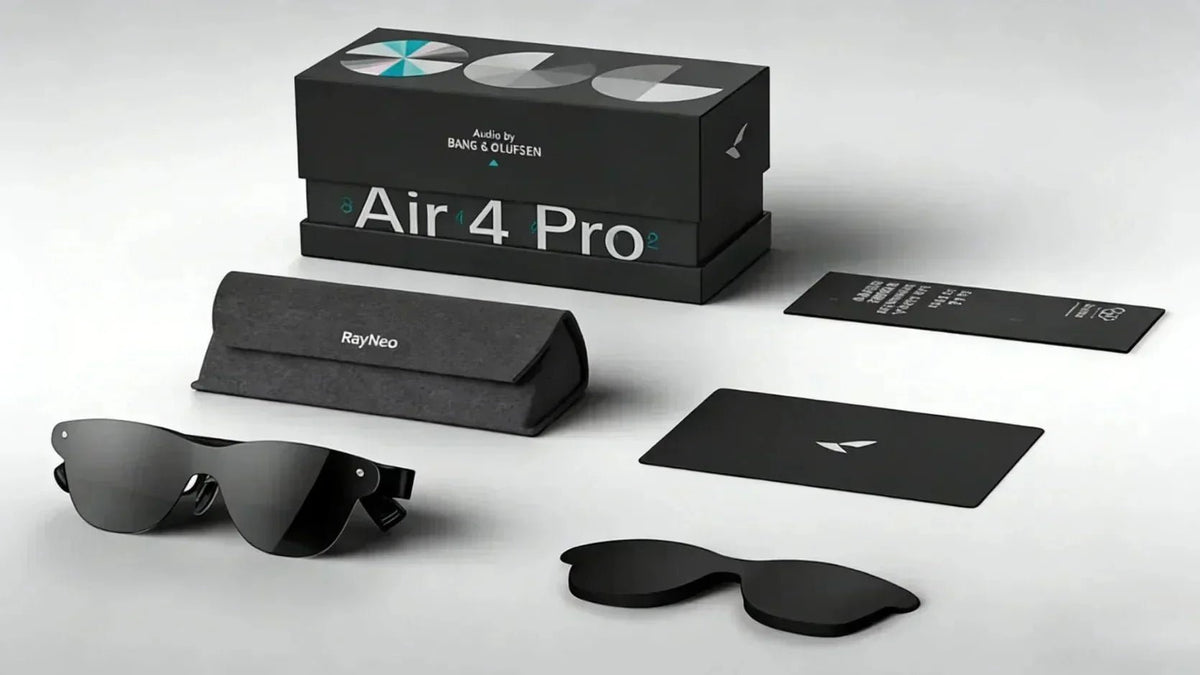
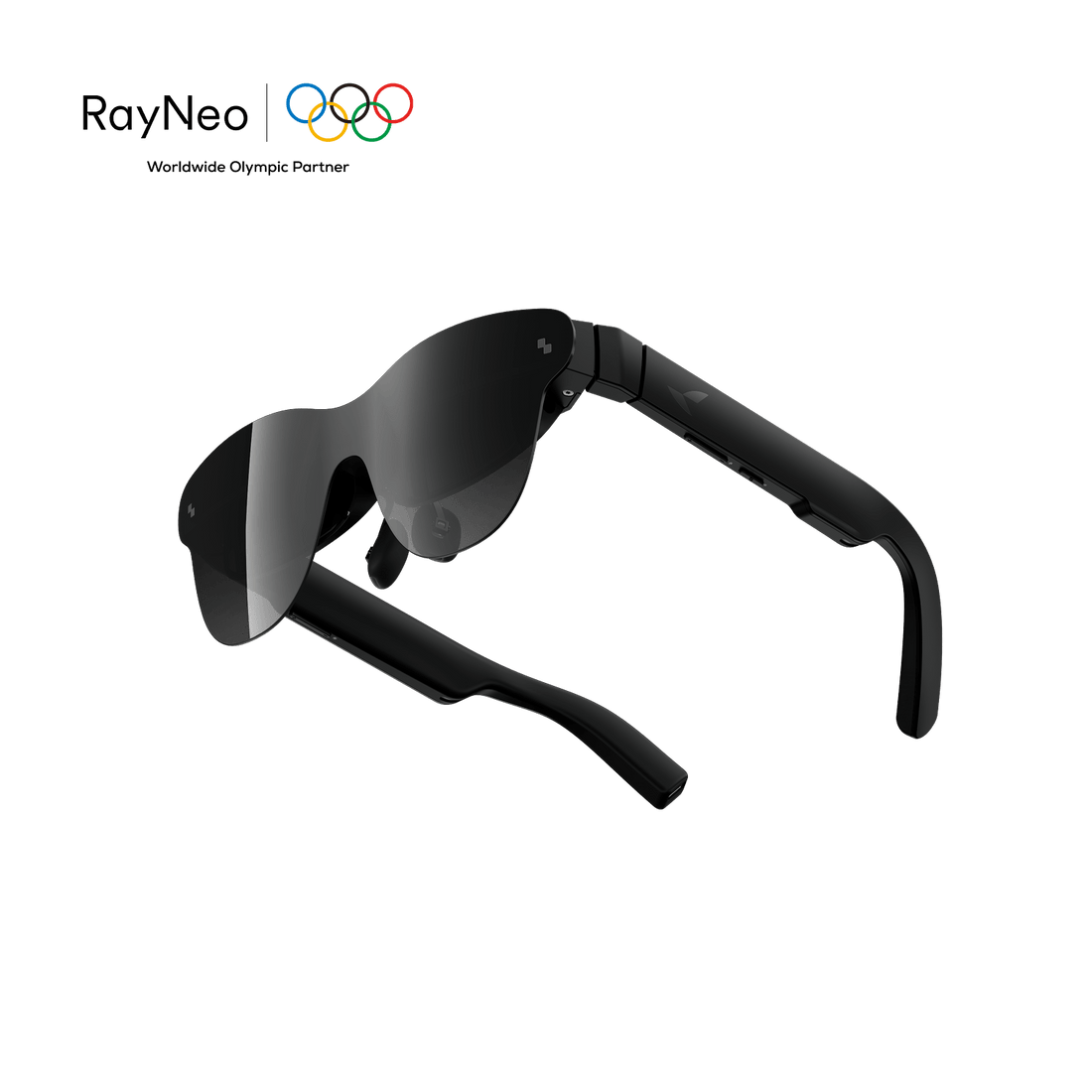
In 2026, when we rethink the act of gift-giving, the tech gifts most worth the investment are tools that make the recipient frequently think, I am so glad I received this device. Smart glasses are increasingly filling that role. As a pair of display glasses that emphasize visual quality and portability,RayNeo Air 4 Pro AR Glasses uses the HueView 2.0 Micro OLED display system to achieve 1080p resolution and a 120Hz refresh rate. It also supports HDR10. Subjectively, it can present an immersive field of view similar to a 135 inch virtual screen. For users who travel often or want a personal theater experience at home, it is a gift choice that is both practical and futuristic. Overall, the top tech gifts truly worth giving in 2026 are not necessarily flagship models with the highest specs. They are the devices that remain useful over the long term by excelling in comfort, privacy, compatibility, and situational fit.

Based on community discussions and market trends we track, the most popular tech gifts in 2026 center on smart glasses and wearable displays, smart home hubs with voice assistants, and high-quality audio and display accessories for gaming and media. Smart glasses are mentioned frequently because they serve as a notification center, personal theater, gaming monitor, and workspace screen all at once. This versatility allows one device to cover many scenarios, which is a value other gifts can rarely match.
The best tech gifts for men and women do not differ much by category. The key remains the usage scenario and comfort. For example, choose display glasses with high resolution and refresh rates for those who love gaming and movies. For remote workers, pick devices that provide private virtual screens and high-quality call experiences. Rather than picking products based on gender, we suggest making choices based on commute times, work environments, and family needs. This approach helps ensure the gift truly integrates into their daily lives.
Whether lower-priced tech products are worth buying depends on if they bring clear improvements to a specific scenario, rather than just offering many features. For instance, entry-level headphones with solid build quality and clear sound, or a reliable portable input device, are often more popular than cheap all-in-one gadgets that are complex but unstable. These simpler tools are also less likely to be left unused after a few months.
In 2026, we believe the coolest tech gifts share a few traits. They do not look flashy on the outside, but they immediately change how the world appears once turned on. Examples include display glasses that turn any wall into a giant virtual screen or spatial display tools that give a regular desk multi-screen capabilities. The cool factor here is not about a brief visual shock. It is about quietly changing how a user interacts with information during daily moments, helping them regain a sense of control amidst a busy life.





Share:
DCI-P3 vs sRGB: Why Cinema-Standard Color is Critical for Smart Glasses
Are Smart Glasses Worth It in 2026? Buying Advice