

$449.00


Watch the same video on two different pairs of smart glasses. One draws you in. The other looks as fake as a screenshot. The root of this difference is not resolution or brightness. It comes down to P3 versus sRGB. The Display P3 color gamut is about 25 percent wider in area than sRGB. It is also about 50 percent larger in volume. These numbers might seem fine on a phone screen. However, put them on a micro display less than an inch from your eyes, and the difference multiplies. Your eyes notice every single detail. This article breaks down the real differences between DCI P3 and sRGB for smart glasses. We will help you decide which specs matter and where you should never compromise.
Before explaining why DCI-P3 is essential for smart glasses, we need to clarify these two color spaces that sound quite similar.
The full name of sRGB stands for Standard RGB. It was co-developed by HP and Microsoft in 1996 and later became the IEC 61966-2-1 standard. It serves as the default color space for monitors, web images, and operating systems. This means the vast majority of web photos, social media content, and legacy movie resources are produced and tagged according to sRGB. sRGB defines a fixed set of red, green, and blue primary coordinates and a gamma curve. This forms a relatively conservative triangle on the CIE 1931 chromaticity diagram. Its coverage falls mostly in the middle area of the visible color space. The focus here is on compatibility and consistency across devices rather than maximizing the colors visible to the human eye.
From an engineering perspective, the advantage of sRGB is that it is reliable and sufficient. Tone mapping and OS pipelines are highly mature. For office work, web browsing, and most document-based content, sRGB provides stable visual performance. It avoids the issue where colors look fake because they are too saturated. When we perform basic mode tuning, we usually lock the display to a range close to sRGB. This provides a zero learning curve visual starting point for users accustomed to traditional displays.
DCI-P3 was introduced by Digital Cinema Initiatives around 2005. Its original goal was to establish a unified color standard for digital cinema projection. This ensures color consistency between different theaters while unlocking the potential of digital projectors in red and green directions. On the CIE 1931 chromaticity diagram, DCI-P3 covers a significantly larger area than sRGB. DCI-P3 offers about 25% to 26% more color gamut range than sRGB. This is especially noticeable in high-saturation red and green regions.
To put it more simply, DCI-P3 does not completely rewrite the color language. It still uses the RGB primary model but pushes each vertex of the triangle outward. Red neon lights, sunsets, and vibrant vegetation common in movies often look dim or grayish in sRGB. In DCI-P3, these colors look much closer to how the human eye actually sees them. When tuning cinema-grade content and HDR sources, we clearly feel that color layering is finer in DCI-P3 mode. Gradient areas have richer steps, and color information in highlights is less likely to be crushed into pure white.

From a purely objective specification standpoint, sRGB has limited coverage on the CIE 1931 chromaticity diagram. It was designed as a conservative gamut to fit early CRT monitors and most LCD panels. DCI-P3 has a more aggressive goal. Data shows it covers a much larger area of the visible color space. Some statistics indicate that DCI-P3 covers nearly 87% of the Pointer surface color gamut, while Rec.709 and sRGB sit around 69%. This means more colors found on real-world object surfaces can be accurately reproduced.
From a subjective user experience, the difference between DCI-P3 and sRGB focuses on three main points that we prioritize in engineering evaluations. First is the layering in high-saturation red and orange areas, such as neon lights, skin flushing, or sunset glares. Second is vibrant green vegetation and fluorescent UI elements, which stay vivid rather than turning gray under high brightness. Third is the rich color steps in mid-to-high brightness regions, which are especially obvious in HDR games and movies. For small near-eye displays like smart glasses, the panels are already limited by size and power. If the color gamut stays at sRGB, it further reduces the expressive power of the limited light energy. Users will feel that while the image is sharp, it looks flat.
Once you understand color gamut definitions and use cases, we can focus on how big the difference actually looks. During smart glasses R&D and testing, we evaluate whether a screen is just good enough or truly immersive across four dimensions: color range, saturation performance, perceived brightness and contrast, and overall subjective experience.
When a display claims nearly 100% sRGB coverage, it can fairly accurately present web pages, traditional PC content, and most standard dynamic range videos. However, it is clearly limited in high-saturation red and green performance. Many users describe the experience as landscape videos looking a bit gray, as if a layer of fog was added. In contrast, a display covering the wide color gamut DCI-P3 standard shows higher color energy in red neon, night city signs, in-game skill effects, and vast vegetation. It preserves subtle layers, making it less likely for colors to bleed into a single messy red patch.
In our side-by-side testing using unified calibration sources for HDR video, the differences are easy to spot. For instance, look at the orange-to-red transition in clouds at the edge of a sunset, or the subtle color gap between purple neon lights and red brake lights in a city night scene. In sRGB mode, these fine changes crush into each other. In DCI-P3 mode, they remain clearly distinct. For near-eye displays, the subjective difference from a wider gamut is more pronounced than on large TVs because the image occupies a larger field of view, creating a stronger sense of color envelopment.
While color gamut does not directly determine brightness, it significantly affects how the human eye perceives brightness and contrast. A wide DCI-P3 gamut retains more detail in high-saturation areas. This means at the same peak brightness, users feel the image has more impact. Bright objects stand out more clearly against the background, and shadow details are easier to detect. This illusion of looking brighter essentially comes from the increased volume of color information.
In smart glasses scenarios, the display system must compete with real-world ambient light, especially high-illumination outdoor environments at noon. If the colors are loose and grayish, no matter how high the brightness is, users will feel it cannot stand up to the sunlight. Through multiple rounds of outdoor testing, we found that switching from a mode close to sRGB to a high-saturation DCI-P3 mode makes navigation arrows, notification cards, and media content look clearer and more legible, even if absolute brightness remains unchanged. The eyes automatically prioritize capturing these prominent blocks of color.
In real-world use, users do not stare at chromaticity diagrams or spec sheets. Whether it looks great, feels real, and avoids eye strain are the things that matter most. The value of wide color gamut DCI-P3 in smart glasses lies behind these simple evaluations. Whether watching anime on the subway, movies in bed at night, or short videos while walking, users find it easier to immerse themselves in the content rather than constantly noticing a screen floating in front of them.
For users who wear these devices for long periods, color accuracy and naturalness affect visual fatigue. Overly cool or excessively saturated colors force the eyes to constantly adjust between the real world and virtual images, which can lead to dizziness and dryness over time. In our testing, we prefer to finely tune the white point and color temperature while maintaining a wide gamut. This ensures the virtual image looks as natural as possible both indoors and outdoors. This is a completely different task than simply chasing higher specs.

When it comes to smart glasses and AR glasses, the real question is whether virtual information can blend naturally with reality. On this issue, DCI-P3 level wide color gamut and color management are no longer just nice-to-have features. They are key to ensuring the digital overlay does not break the immersion.
The essence of AR is precisely overlaying virtual layers onto real-world scenes. This means arrows, labels, subtitles, characters, and UIs must look like they belong in the world rather than floating outside it. Wide color gamut DCI-P3 provides finer color gradients and more natural high-saturation colors. This makes virtual elements much closer to real objects in terms of light and shadow. For example, navigation lines can have smoother brightness transitions, and markers can maintain high visibility without being harsh on the eyes.
AR glasses often need to take real-world footage captured by cameras or processed environmental data and present it to the user in a structured way. This involves a massive amount of color matching. DCI-P3 has an advantage in covering colors commonly found on real-world objects. This means the system can more accurately reproduce the colors of the sky, vegetation, road markings, skin, and clothing. As a result, the correspondence between virtual labels and real targets feels more natural, allowing users to understand instantly what the system is pointing at.
When you use smart glasses to view another computer screen or a mechanical equipment panel, excessive color deviation can lead to misreading color-based status info. For instance, a green indicator light and a yellow warning light can be hard to distinguish if the color shift is severe. The expressive power of DCI-P3 in high-saturation colors makes this near-eye viewing experience far more reliable.
The entertainment potential of what-are-smart-glasses-with-display is being quickly uncovered by users. From watching large screens anywhere to cloud gaming and immersive music visualizations, user expectations for a great experience far exceed those for traditional phones and tablets. For media experiences, wide color gamuts like DCI-P3 are the infrastructure of the HDR ecosystem. Many new films, streaming platforms, and console game UIs are already optimized for wide gamut and high dynamic range. If the display side remains stuck at sRGB, a large part of that experience is wasted.
When playing HDR-supported movies or concerts in wide gamut mode, complex lighting effects like stage lights, fog, and the glow of phone screens in the crowd truly come alive. Music festivals, sci-fi movies, and animations show significantly more detail. For many, the ability to bring a cinema experience to their eyes at any time is a major reason to consider AR glasses. In this context, DCI-P3 plays a role similar to low-frequency extension in audio. It is something you can see but cannot easily replace with simple specs.
Statistics from industry research firms show that the AR and smart glasses hardware market is growing at an extremely high rate. Some reports suggest the global AR hardware market will reach approximately 8.6 billion dollars in 2025. In the coming years, more users will experience digital content through smart glasses for the first time. These users will set new benchmarks for image quality, color, and immersion. As industry standards evolve toward HDR and wide color gamuts, future AR display panels will likely treat DCI-P3 or even wider gamuts as standard. Devices limited to sRGB will gradually move into the entry-level category.
From optical design and micro-display technology to algorithmic rendering, the industry is steadily advancing toward high brightness, high contrast, and wide color gamut. The screen is increasingly becoming an important carrier for information density and emotional expression.
After understanding the differences between DCI-P3 and sRGB, and how they affect the smart glasses experience, many users ask whether they truly need DCI-P3 or if sRGB is enough for daily use. Here, we will combine real-world scenarios to provide a practical selection guide. We will also share our experience in balancing color gamut, battery life, and weight during product design.
The following comparison table helps provide a quick overview.
|
Metric |
sRGB Use Cases |
DCI-P3 Use Cases |
|
Gamut Range |
Covers standard web and office content |
Covers wider natural and cinematic colors |
|
Typical Content |
Web browsing, documents, emails |
HDR movies, gaming, high-quality video |
|
Realism |
Reliable and conservative colors |
Richer colors, closer to cinema effects |
|
Immersion |
Sufficient for daily information |
More immersive AR overlays and media |
|
Pro Work |
Basic office and design previews |
Color grading, video editing, color-sensitive work |
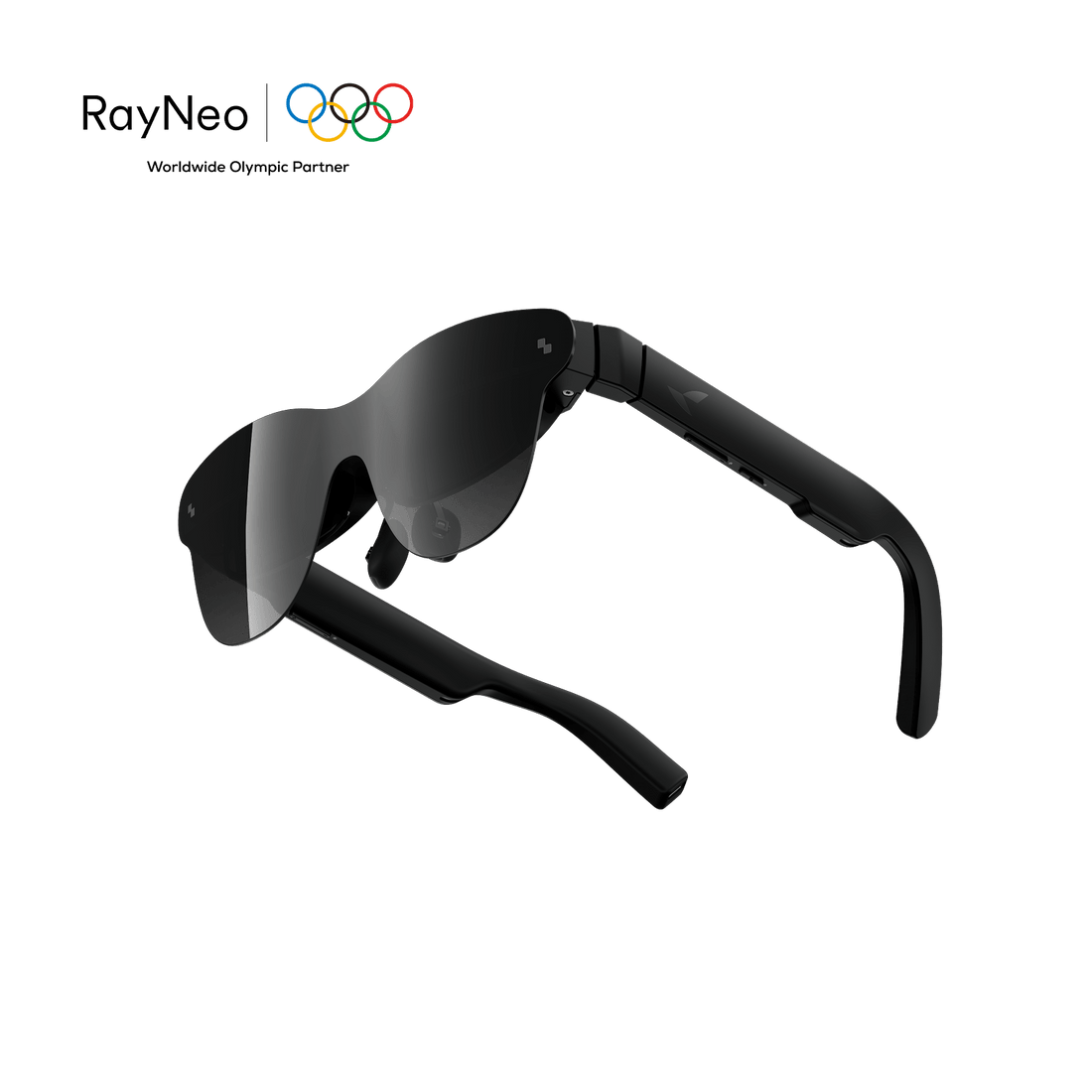
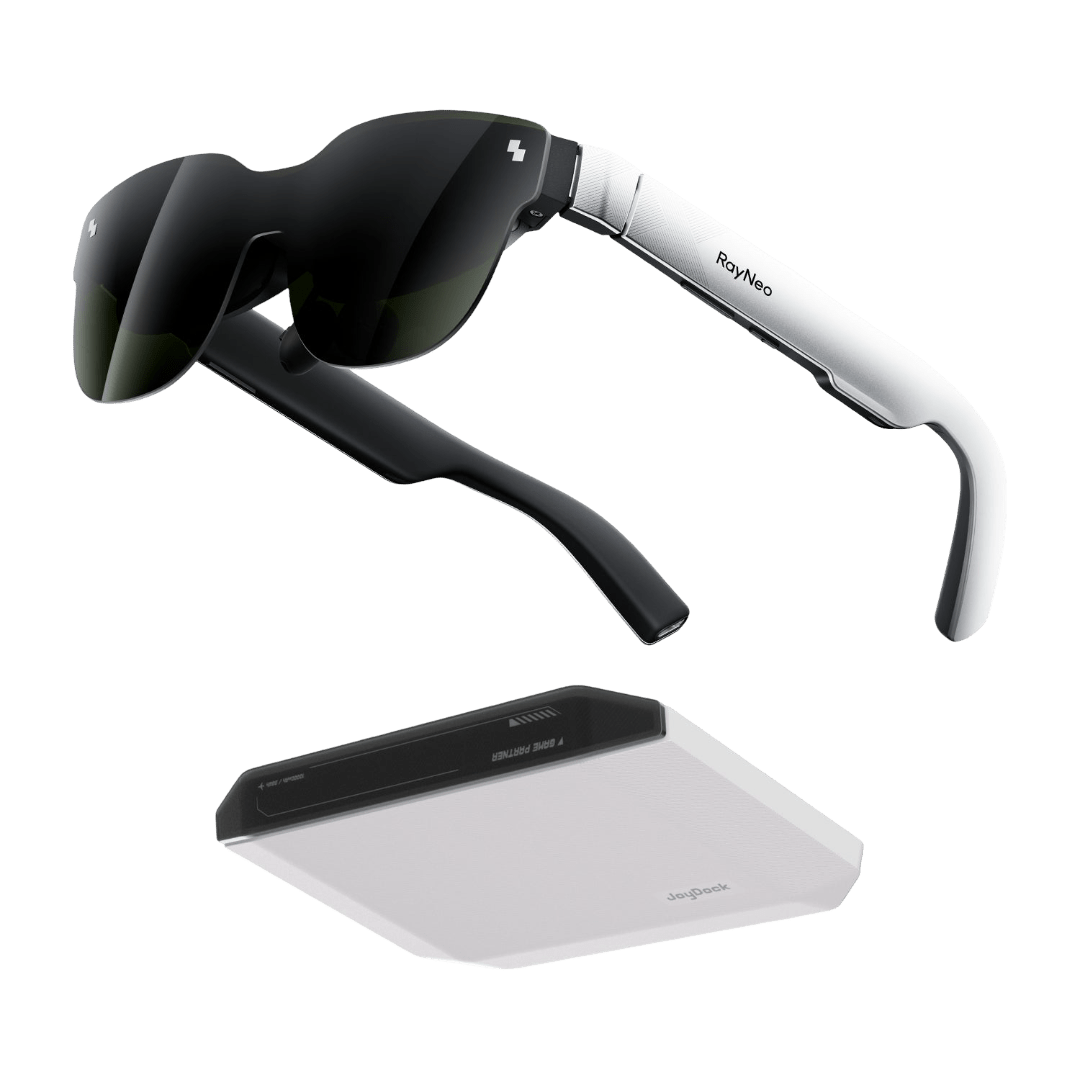
Looking at specific products, the RayNeo Air 4 Pro is a perfect example. It features a 1920x1080 5.5th Gen Tandem Micro-OLED with a 120Hz refresh rate and 1200 nits peak brightness. Its color gamut reaches 145% sRGB and 98% DCI-P3, alongside a 200,000:1 contrast ratio. This means it can satisfy the richness required for movies and gaming while maintaining high readability for text and web content.

If your daily use focuses on checking notifications, reading messages, browsing the web, or viewing PDFs and remote desktops, sRGB coverage is enough. The key here is meeting standards for resolution, clarity, and brightness. In these text-heavy scenarios, an overly wide color gamut might make some high-saturation UI colors look too aggressive. Without precise color management, this can hurt overall reading comfort.
When we adapt enterprise applications and office scenarios, we prioritize sRGB workflow compatibility. This ensures that documents, slides, and web pages look as consistent as possible with computer monitors. We then offer optional wide gamut modes for users who want to switch. This strategy reduces the friction of colors looking different from a traditional PC setup.
If your core needs are immersive movie watching, cloud gaming, or professional work like photography, video editing, and UI design, then DCI-P3 wide color gamut should be a priority. The 98% DCI-P3 coverage and HDR10 support of the RayNeo Air 4 Pro are clearly better suited for high-quality content consumption.
In these cases, color richness, smooth transitions, and detail in shadows and highlights directly impact the experience. This is why we included an independent image processing chip and HDR10 in the Air 4 Pro Best AR Glasses 2026. The goal is to make it feel like a high-quality portable screen rather than just a basic display.
When shopping for smart glasses, we recommend comparing several key specifications:
Color Gamut and Management: Check for DCI-P3 support and whether the device offers multiple color modes to avoid fatigue from over-saturation.
Brightness and Contrast: Near-eye displays must remain readable indoors and outdoors. Brightness and gamut must work together; otherwise, the value of a wide gamut is lost in strong light.
Resolution and PPD: Resolution determines text sharpness and detail. A high color gamut makes it easier to showcase image depth at higher resolutions.
Weight and Comfort: No matter how good the color is, the experience is ruined if the device is too heavy or pinches your head during long sessions.
Battery Life and Heat: Wide gamuts and high brightness usually mean higher power consumption. The device must have efficient power management.
What does DCI-P3 really mean compared to sRGB? For smart glasses and AR experiences, it means a larger color space, more realistic object colors, and a more natural blend of virtual and physical worlds. It also enables a level of immersion and productivity that remains comfortable over longer periods.
If you are considering buying smart glasses or AI glasses, and you want them to be more than just a small screen for notifications, pay close attention to the color gamut specs. Your goal should be a device that serves as a portable cinema or a high-quality second screen that extends your workspace.





Share:
Gesture Recognition Technology 101: Everything You Need to Know
Top Tech Gifts in 2026: Cool Gadgets Every Tech Lover Will Want