

$449.00



The convergence of reading technology and wearable devices has introduced a revolutionary category: Bluetooth reading glasses. These innovative devices combine traditional reading assistance with smart connectivity, enabling users to consume digital content in ways that were previously impossible. Understanding how these devices work, their underlying technologies, and their practical applications can help readers make informed decisions about integrating smart eyewear into their daily reading routines.
Bluetooth technology serves as the foundation for smart reading glasses' wireless capabilities. Operating on the 2.4GHz frequency band, Bluetooth enables glasses to establish stable connections with smartphones, tablets, computers, and other devices within a range of approximately 10 meters. Modern smart reading glasses typically employ Bluetooth 5.2 protocols, which offer significant advantages: lower power consumption, faster data transmission, and improved connection stability.
The pairing process follows standard Bluetooth protocols. Users initiate pairing mode on their glasses, which makes them discoverable to nearby Bluetooth-enabled devices. Once paired, the connection establishes automatically when both devices are powered on and within range. This seamless connectivity eliminates the need for cables, creating a genuinely wireless reading experience.
Bluetooth audio transmission uses specific codec technologies to deliver sound quality. Advanced codecs like AAC ensure that audiobook narration, text-to-speech conversion, and other audio content maintain clarity and intelligibility. The wireless nature of Bluetooth connections allows readers to move freely within their environment without physical tethers to content sources.
Smart reading glasses incorporate sophisticated audio systems designed specifically for extended reading sessions. Unlike traditional headphones that cover or insert into ears, reading glasses employ open-ear audio technology. This approach projects sound directly toward the ear canal without blocking ambient noise, allowing users to remain aware of their surroundings while consuming audio content.
Directional speaker systems position miniature speakers near the temples that project focused audio beams toward the user's ears. Advanced acoustic engineering ensures that sound remains audible to the wearer while minimizing audio leakage that might disturb people nearby. This technology proves particularly valuable for reading in public spaces like libraries, cafes, or public transportation.
The integration of multiple speakers can create spatial audio effects that enhance the reading experience. When consuming content with multiple characters or narrators, spatial positioning helps listeners distinguish between different voices, improving comprehension and engagement. This three-dimensional audio staging transforms simple text-to-speech conversion into immersive narrative experiences.
Audio quality optimization includes multiple modes for different environments. Whisper mode reduces high-density sounds and minimizes environmental interference, perfect for quiet settings where sound leakage might disturb others. Surround mode dynamically enhances spatial audio for gaming and movies, creating immersive soundscapes that complement visual content.
While audio capabilities define many reading glasses, visual display integration represents another crucial dimension. Smart reading glasses can present text, images, and other visual information directly in the user's field of view through various optical technologies.
Micro-OLED displays offer high resolution and contrast in extremely compact form factors. These displays measure just millimeters across yet can present sharp, readable text equivalent to viewing a 135-inch screen from several meters away. The high pixel density ensures that text remains crisp and legible even when magnified, particularly valuable for users with visual impairments or those reading small print.
MicroLED technology represents the cutting edge of display miniaturization. As the world's smallest mass-producible full-color optical engine, MicroLED systems can project displays with exceptional brightness—up to 6,000 nits peak—ensuring visibility in any lighting condition from dimly lit bedrooms to bright outdoor settings. This dual-eye display technology provides clear visuals without blocking the user's view of their physical environment.
Brightness capabilities determine usability across different lighting conditions. High-brightness displays maintain visibility in direct sunlight, while automatic brightness adjustment prevents eye strain in darker environments. The combination of high resolution and adaptive brightness creates comfortable reading experiences regardless of ambient lighting.
Physical comfort becomes paramount during extended reading sessions. Smart reading glasses must balance technology integration with lightweight construction and ergonomic design principles. Weight distribution plays a critical role—glasses that concentrate weight at the front create pressure on the nose bridge, while rear-heavy designs pull uncomfortably behind the ears.
Optimal weight distribution typically aims for approximately a 47:53 front-to-rear ratio. This balance ensures that neither the nose pads nor the temple tips bear excessive pressure during extended wear. Modern smart reading glasses achieve total weights of 76 grams or less, making all-day wear feasible without discomfort.
Adjustability accommodates different head shapes and sizes. Temple arms with nine-level position settings allow users to customize fit width, while adjustable nose pads with three positions enable vertical positioning and pressure distribution. These adjustment options ensure that glasses remain securely positioned without creating pressure points that cause headaches during long reading sessions.
Material selection influences both weight and comfort. Lightweight alloys and advanced polymers provide structural integrity while minimizing mass. Skin-contact surfaces use hypoallergenic materials with smooth finishes to prevent irritation during extended wear.

Battery capacity directly impacts the practical utility of Bluetooth reading glasses. Reading sessions often extend for hours, requiring power systems that support sustained operation. Modern smart reading glasses typically incorporate batteries around 245 mAh capacity, providing approximately 4 hours of active use depending on feature utilization and brightness settings.
Fast charging technology addresses the need for quick power replenishment. Advanced charging systems can restore battery capacity to 100% in approximately 38 minutes, minimizing interruptions to reading routines. USB-C charging ports provide compatibility with widespread charging infrastructure, allowing users to power their glasses using the same cables that charge their smartphones and tablets.
The ability to use glasses while charging extends practical utility significantly. This feature enables readers to continue consuming content during charging sessions, eliminating forced interruptions when batteries deplete. For users who engage in extended reading sessions or use their glasses throughout workdays, this capability proves essential.
Power management algorithms optimize battery life by adjusting performance based on usage patterns. Automatic brightness adjustment reduces power consumption in darker environments, while adaptive audio processing scales power usage based on volume levels. Sleep modes activate during periods of inactivity, preserving battery charge until the user resumes reading.
Smart reading glasses function as interfaces to vast ecosystems of digital content. Bluetooth connectivity enables access to audiobook platforms, e-reading applications, web browsers, and document readers running on connected devices. This integration transforms glasses into universal reading tools.
Audiobook compatibility represents a primary use case. Smart glasses connect to platforms like Audible, Spotify, and Apple Books, streaming narrated content directly to the user's ears. Voice commands can control playback, adjust reading speed, or bookmark positions without requiring interaction with source devices.
Text-to-speech functionality extends reading capabilities to visual content. Articles, books, documents, and web pages can be converted to spoken audio on-the-fly, enabling reading while walking, exercising, or performing tasks that require visual attention elsewhere.
For glasses with visual displays, document readers present text in user-customizable formats. Font size, typeface, line spacing, and brightness can be adjusted to individual preferences and reading conditions. Support for multiple document formats including PDF and EPUB provides comprehensive compatibility.
RayNeo's approach to smart reading glasses demonstrates how theoretical capabilities translate into practical devices. The company's products exemplify the integration of audio technology, connectivity, and ergonomic design principles.
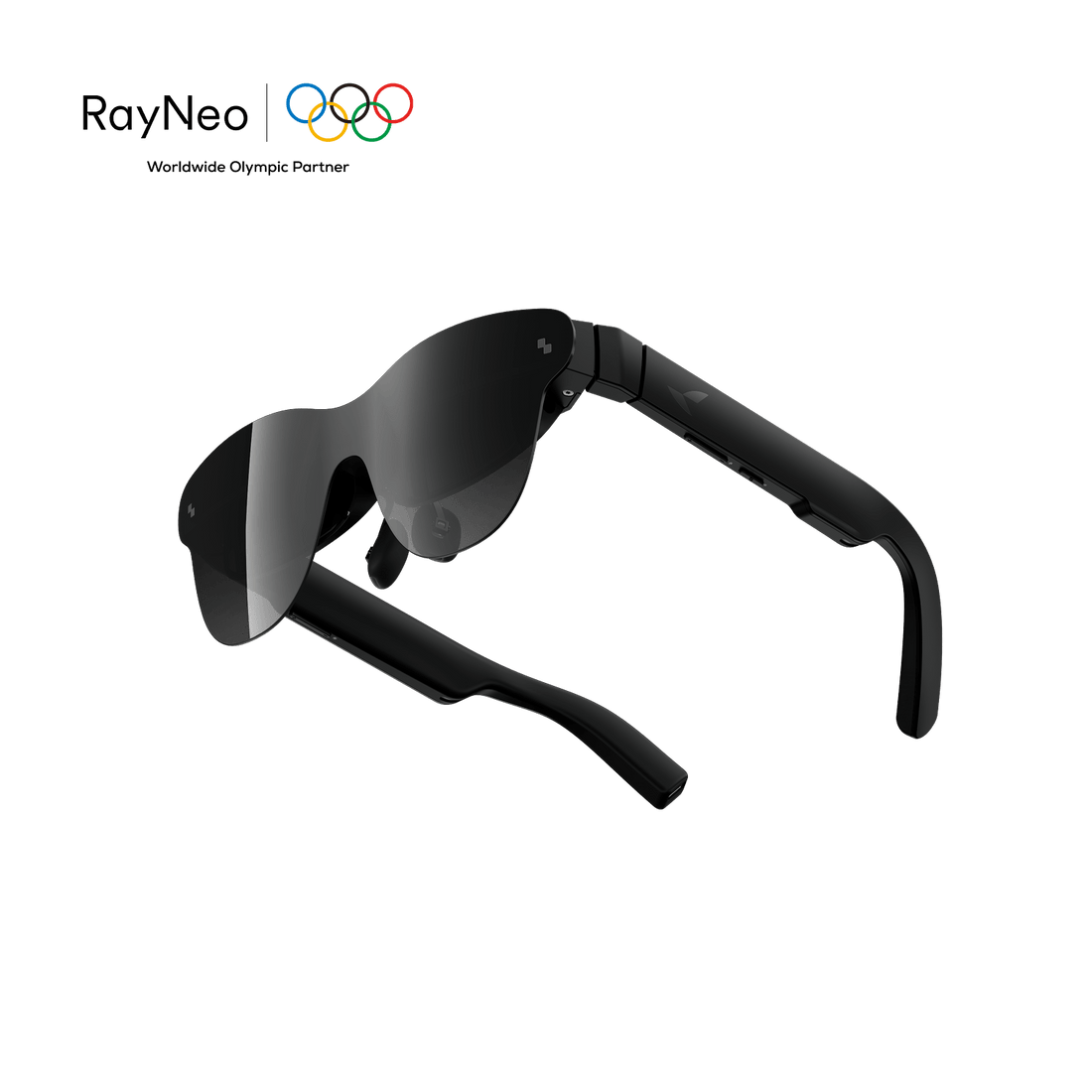
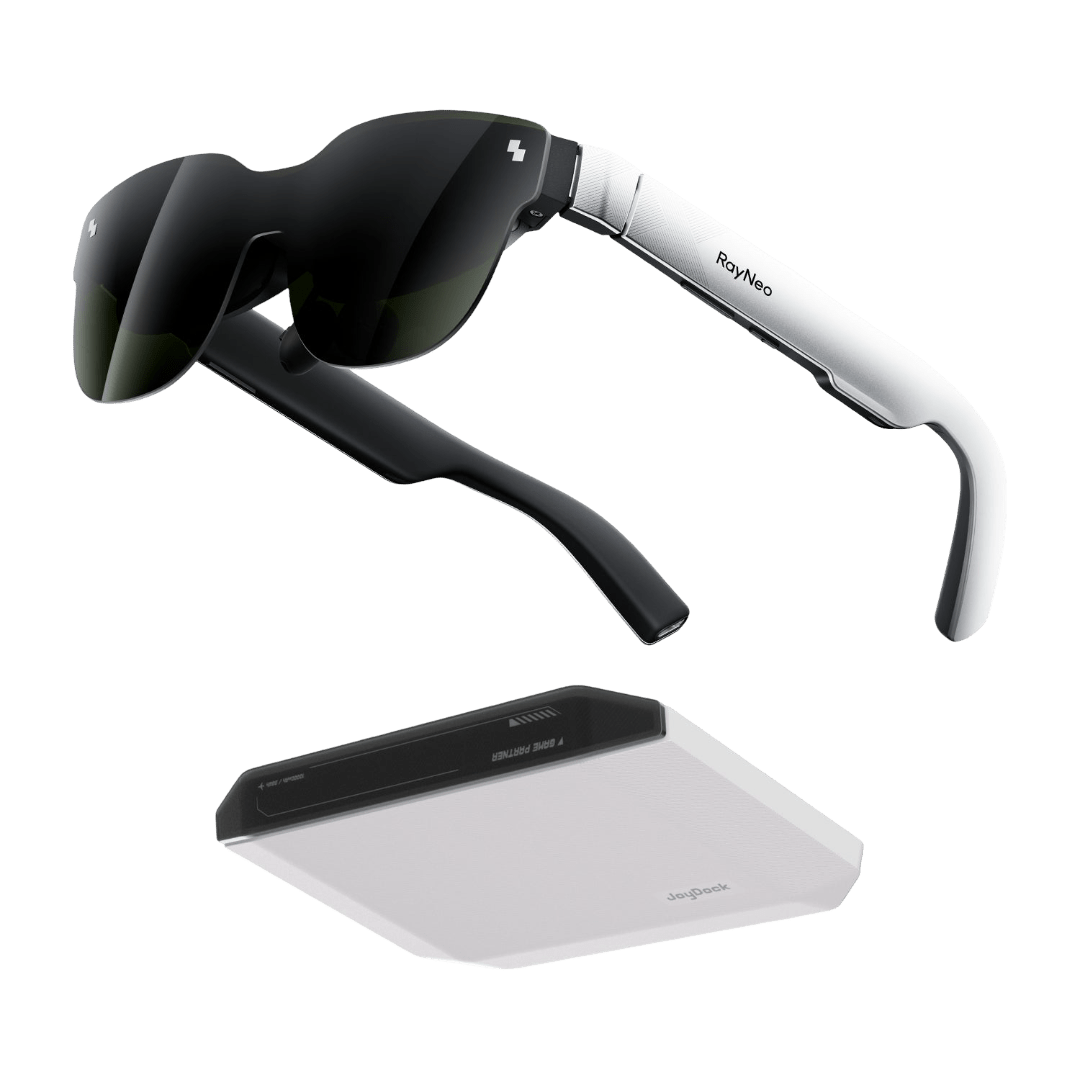
RayNeo Air 4 Pro maintains the 76-gram weight threshold that enables comfortable extended wear while incorporating Bluetooth 5.2 connectivity. The weight distribution follows the 46.7:53.3 front-to-rear ratio, preventing pressure concentration during multi-hour reading sessions. The audio system employs specially designed sound tube fittings that reduce sound loss by 80%, ensuring clear audio without excessive volume.
The device features 3840Hz PWM dimming for eye protection, maintaining high-frequency dimming even at low brightness to significantly reduce flicker and eye fatigue during extended viewing. Three image quality modes—standard, movie, and eye protection—along with eight brightness levels provide fine control over viewing comfort. The 135-inch equivalent display size with up to 1200 nits brightness ensures visibility across varied lighting conditions.
For users requiring prescription vision correction, RayNeo glasses support magnetic prescription lens customization. This feature makes smart reading accessible to the vast population needing vision correction, allowing simple attachment of prescription lenses to the original lenses.
RayNeo X3 Pro advances the technology further by integrating Google Gemini 2.5 AI for context-aware assistance. The system provides real-time translation in 14 languages powered by Microsoft, making it valuable for reading international content. The 43-inch floating display using MicroLED technology delivers 6,000 nits peak brightness with 640x480 per-eye resolution, ensuring clear visuals in any environment.
The X3 Pro's 245 mAh battery supports 4 hours of use with 38-minute fast charging and support for charging during use. The ergonomic design reduced weight by 36% compared to predecessors while maintaining structural integrity. These specifications demonstrate how manufacturers balance performance, comfort, and battery life in practical implementations.
好的!我来为这篇蓝牙阅读眼镜文章创作3个FAQ:
Q: How do Bluetooth reading glasses connect to my devices?
Bluetooth reading glasses use standard Bluetooth 5.2 protocols to wirelessly connect with smartphones, tablets, and computers within approximately 10 meters. Simply activate pairing mode on the glasses, select them from your device's Bluetooth menu, and they'll automatically reconnect whenever both are powered on and within range. This eliminates cables entirely, letting you move freely while listening to audiobooks, text-to-speech content, or other audio from your connected device.
Q: Can I wear Bluetooth reading glasses all day comfortably?
Yes, if designed properly. Quality models like RayNeo's glasses weigh 76 grams or less with balanced weight distribution (approximately 47:53 front-to-rear ratio), preventing pressure points during extended wear. Adjustable temple arms and nose pads customize fit for different head shapes. The open-ear audio design avoids ear canal discomfort that traditional earbuds cause. Features like 3840Hz PWM dimming reduce eye strain during long viewing sessions, making all-day wear feasible for reading, work, or entertainment.
Q: What's the battery life, and can I charge while using them?
Modern Bluetooth reading glasses typically provide around 4 hours of active use on a single charge, sufficient for most daily reading sessions. Many models support fast charging—restoring full battery in approximately 38 minutes—and crucially, allow use while charging via USB-C. This means you can continue reading during charging breaks or stay connected throughout full workdays by keeping them plugged in at your desk, eliminating forced interruptions when the battery depletes.
Q: How do Bluetooth reading glasses connect to my devices?
Bluetooth reading glasses use standard Bluetooth 5.2 protocols to wirelessly connect with smartphones, tablets, and computers within approximately 10 meters. Simply activate pairing mode on the glasses, select them from your device's Bluetooth menu, and they'll automatically reconnect whenever both are powered on and within range. This eliminates cables entirely, letting you move freely while listening to audiobooks, text-to-speech content, or other audio from your connected device.
Q: Can I wear Bluetooth reading glasses all day comfortably?
Yes, if designed properly. Quality models like RayNeo's glasses weigh 76 grams or less with balanced weight distribution (approximately 47:53 front-to-rear ratio), preventing pressure points during extended wear. Adjustable temple arms and nose pads customize fit for different head shapes. The open-ear audio design avoids ear canal discomfort that traditional earbuds cause. Features like 3840Hz PWM dimming reduce eye strain during long viewing sessions, making all-day wear feasible for reading, work, or entertainment.
Q: What's the battery life, and can I charge while using them?
Modern Bluetooth reading glasses typically provide around 4 hours of active use on a single charge, sufficient for most daily reading sessions. Many models support fast charging—restoring full battery in approximately 38 minutes—and crucially, allow use while charging via USB-C. This means you can continue reading during charging breaks or stay connected throughout full workdays by keeping them plugged in at your desk, eliminating forced interruptions when the battery depletes.
The evolution of Bluetooth reading glasses continues as technologies advance. Future developments will bring higher display resolutions approaching printed page quality, enhanced AI integration for reading assistance, extended battery life supporting full-day use, and improved prescription lens accommodation for complex vision corrections.
Understanding the technologies that enable smart reading glasses—from Bluetooth protocols and audio engineering to display optics and power management—helps readers appreciate both current capabilities and future possibilities. The integration of these technologies must balance performance with comfort, functionality with battery life, and capability with usability.
Bluetooth reading glasses represent a significant evolution in how humans consume written content. By combining wireless connectivity, advanced audio systems, optional visual displays, and ergonomic design, these devices transform reading from a stationary activity into an ambient experience that adapts to users' lifestyles. As demonstrated by implementations like RayNeo's smart glasses, the technology has matured to deliver practical products that enhance reading experiences across various environments and use cases.





Share:
Smart Glasses Navigation: Hands-Free Directions for Every Journey
The Complete AR Glasses Buying Guide: 7 Essential Factors for First-Time Buyers