

$429.00


Nits are the standard unit for measuring display brightness, usually expressed as cd/m2 (candelas per square meter). One nit equals the luminous intensity of one candela produced over a surface of one square meter. Higher nit values mean a brighter screen, which results in better clarity under direct sunlight.
Nits determine whether you can actually see content outdoors and whether your eyes will feel strained or watery after an hour of use. In this article, we will use quantified data and real-world testing to explain how nits impact outdoor smart glasses. We will cover definitions, outdoor use cases, differences compared to gaming glasses, buying advice, and frequently asked questions.
From a display engineering perspective, a nit is a unit of brightness. It corresponds to the luminous flux emitted per square meter of a screen surface. Put simply, the higher the nits, the more light the screen emits for a given area, making it look brighter. Everyday devices generally fall into stable ranges. Traditional office monitors are around 250 to 350 nits. Typical smartphones range from 400 to 1500 nits. High-brightness screens designed for the outdoors can easily exceed 1500 to 3000 nits. In engineering projects, we also frequently see large outdoor advertising displays rated at 2500 nits or higher.
Nits are different from lumens or lux, which you might also hear about. Lumens measure the total light output of a source and are common for projectors and light bulbs. Lux describes environmental illuminance, such as office lighting at 300 to 500 lux. This corresponds to the ambient brightness felt by the eye. Nits, however, focus on how much light the screen itself emits. For smart AR glasses, this is critical. The light from the screen must beat the ambient light so that virtual images are not completely washed out by the daytime sky or street-side shop windows.

After understanding the physical meaning of nits, we can discuss the real pain points of outdoor smart glasses more precisely.
The extreme nature of outdoor scenarios lies in the sharp changes in ambient brightness. Overcast skies, sidewalks, glass wall reflections, and sandy beaches are completely different battlefields. For example, indoor office environments have an equivalent brightness of about 300 to 500 nits. Bright indoor malls can be several times that value. However, outdoor brightness on a cloudy day easily reaches 2000 to 5000 nits. On a clear day at noon under direct sunlight, it goes far beyond that range.
For AR glasses to keep virtual information readable in these settings, the optical system must provide several thousand nits to the eye. This is physically necessary to compete with sunlight. Many optical manufacturers agree that when ambient brightness hits several thousand nits, outputting thousands of nits to the eye is a requirement, not a luxury spec. This is why users who take AR glasses with 600 nits outside often complain they cannot see anything, even if the official specs claim outdoor visibility.
During our testing in San Francisco around 1 PM on a sunny day, indoor-style glasses with 300 to 400 nits failed completely. Even with a black-out cover, notification bubbles and navigation arrows were washed out by the background. With models in the 1000 to 2500 nit range, navigation info became mostly readable in shaded or semi-shaded areas. When we used devices exceeding 3000 nits with proper lens tinting, text and arrows maintained clear outlines even at the edge of the sidewalk.
Insufficient brightness is not just about poor visuals; it directly causes eye fatigue. Users on Reddit often mention that wearing certain AR glasses for 30 minutes leads to soreness, squinting, and looking for darker spots. This happens because the eyes must constantly adjust the focus and pupils under strong ambient light while struggling to pull information from a dim, low-contrast virtual image.
On the other hand, chasing extreme brightness can cause new problems. If the screen stays at a high nit output while the ambient light is weak, the user's pupils will contract significantly. This increases local glare, especially at night or indoors. In our indoor tests of glasses with a default brightness over 1000 nits, many testers reported they felt blinded and tired. They had to manually drop the brightness to the 200 to 300 nit range to stay comfortable for more than an hour.
Therefore, we do not simply max out the brightness in product design. We value the adjustable brightness range, PWM dimming frequency, and brightness stability in dark settings. For example, some new AR glasses use 3840Hz high-frequency PWM dimming. This significantly reduces flickering at low brightness, allowing for a comfortable experience even at night.
The difference in brightness needs is clear when comparing indoor gaming glasses and outdoor smart glasses. Indoor gaming monitors or glasses deal with 300 to 500 nits of equivalent light. The industry generally agrees that 300 to 400 nits is enough for most SDR gaming. Peak brightness of 600 to 1000 nits is only pursued for HDR effects to make highlights pop.
Outdoor smart glasses are more like a smartphone screen used in daylight. Ambient brightness is often several times or even an order of magnitude higher than indoors. If they stay at the 300 to 500 nit level, virtual controls will dim as soon as the user steps onto a balcony or street. This is why we see many users put indoor glasses back in their bags when outdoors. They go back to their phones for navigation or messages because the brightness threshold was not met, making even the best interface useless.
For AR glasses, however, brightness also impacts an entire performance chain including color, contrast, heat dissipation, and battery life.
At lower brightness levels, a near-eye optical engine can maintain solid visual quality through high contrast and proper gamma tuning, provided the ambient light is controlled. However, when analyzing what are smart glasses with display configurations under direct sunlight, the emitted pixels inevitably mix with reflected ambient glare, which raises the black levels of the virtual image and heavily compresses crucial shadow details. If brightness and contrast do not increase together, the final image looks washed out or grey instead of appearing as clear, overlaid information.
Because of this, high nits and high contrast must work together for a complete outdoor display solution. For example, Micro-OLED AR glasses can reach a typical contrast ratio of 200,000:1 and a peak brightness of around 1,200 nits. In cloudy or shaded outdoor settings, this combination keeps text edges, UI elements, and high-brightness alerts sharp. During our tests with the latest AR glasses, we noticed a clear difference when average brightness jumped from 300–400 nits to over 600 nits. The contrast between AR navigation arrows and the road became more defined. Users no longer had to stop frequently to confirm turns while cycling or walking.
Brightness is one of the most power-hungry display settings. When moving from hundreds to thousands of nits, power consumption does not just rise linearly; it incurs an optical tax. The light engine in AR glasses must first generate a very bright image. Then, structures like waveguides transmit that light to the eye. Because light is lost along the optical path, the light source must output far more nits than what the eye actually perceives to reach the target.
When comparing outdoor smart glasses to gaming glasses, users often overlook that their goals are entirely different. Gaming glasses focus on large virtual screens, HDR effects, and high frame rates. Their brightness needs usually center on indoor settings between 300 and 600 nits. A few high-end devices hit over 1,000 nits for HDR highlights to create visual impact in dark rooms.
Outdoor smart glasses have a core mission: making information reliable and readable under complex lighting. This is why you see a different brightness strategy in the data. They use thousands of nits at the light engine peak to fight sunlight, while offering a comfortable 200 to 300 nit range for indoors. Many users switching from gaming glasses to outdoor AR glasses initially say the device is too bright. However, when they look up at a navigation arrow at noon, they realize that outdoor use requires this level of brightness.
Gaming glasses chase immersion and color impact indoors. Outdoor smart glasses chase readability and all-day reliability outdoors.
The table below summarizes the differences in typical brightness ranges. It helps show how the design goals for nits differ between these two categories.
|
Device Type |
Typical Brightness |
Main Usage |
Note |
|
Indoor gaming monitor / glasses |
300–400 nits |
Indoor SDR gaming and daily use |
Sufficient for most indoor needs. |
|
HDR gaming display |
600–1000+ nits |
HDR highlight effects and cinematic visuals |
Relies on dark rooms for best performance. |
|
General AR glasses, indoor oriented |
500–800 nits |
Indoor office, labs, and trade show demos |
Prone to washing out under outdoor sunlight. |
|
Outdoor AR smart glasses |
1000–3000+ nits to eye |
Outdoor navigation, cycling, and inspections |
Must compete with 2000–5000 nits of ambient brightness. |
|
High-end AR optical engines |
3500–6000 nits source |
Complex outdoor environments and professional scenarios |
Uses high source brightness to offset optical loss. |
Once you understand the data, you can make more rational decisions about nits when buying outdoor smart glasses.
The first step is to identify the peak brightness range the device delivers to your eyes. If you mainly walk or cycle on city streets, look for devices offering at least 800 to 1200 nits. This level ensures basic readability on overcast days or in shaded areas. You can also manage midday sun by slightly adjusting your head angle. If your use cases include beaches, mountains, or areas with highly reflective glass walls, prioritize AR glasses with light engine peaks in the thousands of nits. Combined with decent shading, these will keep your navigation and notifications reliable in extreme light.
The second step is to see if the device has smart brightness logic. For smart glasses worn all day, brightness affects outdoor visibility, battery life, and eye comfort. In our tests of products with ambient light sensors and multi-level brightness curves, we noticed much smoother transitions between indoor and outdoor settings. Users no longer need to manually adjust settings constantly.
For example, some AR glasses support 10 to 20 brightness levels with system-level mapping for indoor, low-light, and outdoor scenarios. This smart allocation prevents accidental glare from high nits at night while quickly boosting brightness when the sun hits. High-frequency PWM dimming is also vital. Tech at the 3840Hz level effectively reduces flicker discomfort at low brightness, which is essential for users who spend hours watching movies or working on virtual screens.
The third step is to use the display strengths of high-end gaming glasses as a benchmark, while keeping your specific needs in mind. Great gaming glasses usually offer high refresh rates, wide color gamuts, and solid peak brightness. They are designed for immersive 100-inch virtual screens indoors. Typical gaming displays provide enough brightness in the 300 to 600 nit range, hitting 1000 nit peaks for HDR to add visual punch.
If you find outdoor smart glasses that match or exceed the brightness and contrast of your favorite gaming monitor, they will likely be versatile for both indoor and outdoor use. However, if an AR glasses model has a lower nit rating than your desktop monitor, it will likely struggle to perform outdoors.

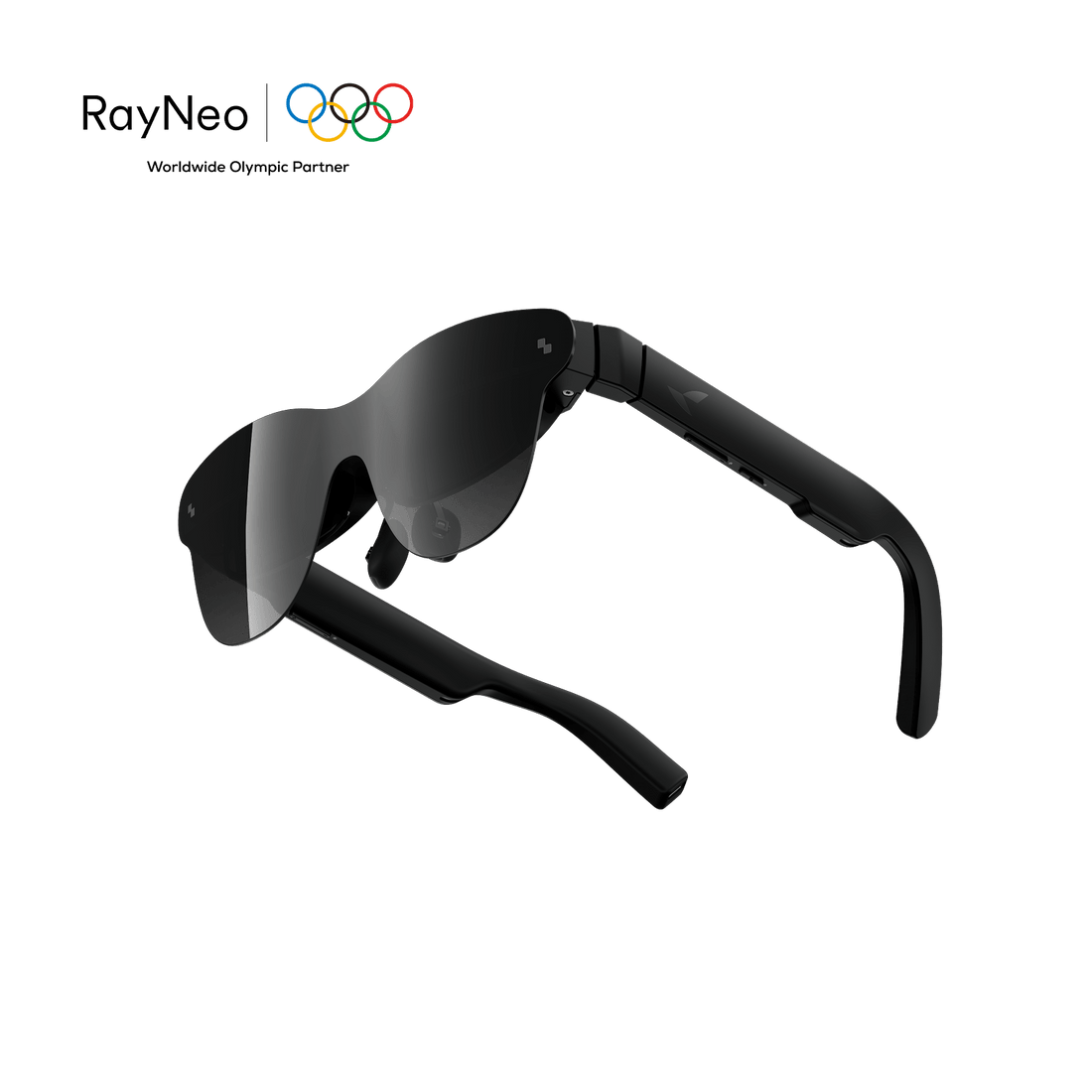
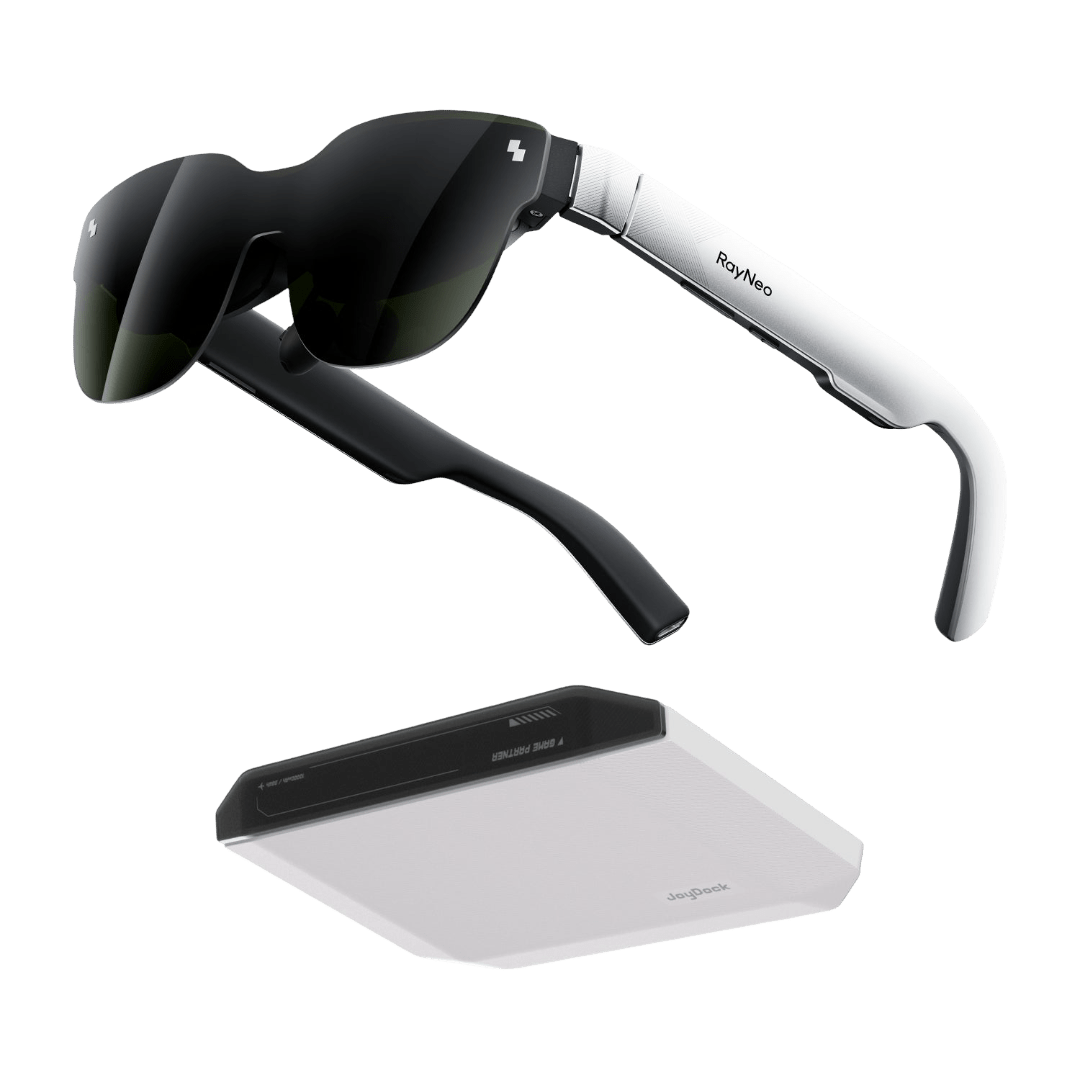
With this in mind, we treat nits as a core parameter that determines real-world usability in our product planning. Taking RayNeo Smart Glasses as an example, we use a high-brightness MicroLED light engine in products like the X3 Pro. It features a typical brightness of around 3500 nits and peaks at 6000 nits. Using an efficient waveguide structure, we deliver as much light as possible to the eye. We also combine multi-level brightness control with ambient light sensing. This ensures users can clearly see navigation and notifications while walking on the streets of Hong Kong on a summer afternoon, without being blinded by the screen when returning to a subway car at night. This reflects our commitment to real-world experience: making AR glasses that are not just for indoor use, but are stable and reliable for every user in any environment, all day long.
If the standard is being able to clearly see notifications and navigation arrows when moving from indoors to a sunny street, our tests show that AR glasses reaching 800 to 1200 nits are sufficient. These are basically usable in most urban settings and provide an ideal experience in overcast or shaded areas. For users exposed to intense sunlight for long periods—such as during cycling, outdoor inspections, construction sites, or port operations—we recommend products with peak brightness in the thousands of nits paired with good shading designs. These devices ensure that information remains visible against the background even in extreme environments.
Users often worry about whether high brightness will damage their eyes. This concern is valid but requires looking at two different levels. From a physical safety standpoint, the light output of mainstream AR glasses stays within long-term safety thresholds. Manufacturers follow specific standards to avoid direct retinal damage during normal use.
However, from the perspective of comfort and long-term fatigue, high nits can cause glare, dryness, and headaches if not paired with proper brightness control.
From a power management perspective, high brightness almost always means higher power consumption. This is especially true at the light engine level. To compensate for light loss in the waveguide and optical structures, the source must output much higher brightness than what actually reaches the eye. In our battery tests across multiple devices, raising the brightness from a mid-range setting to near maximum can easily reduce continuous use time by 20 to 40 minutes. For thin and light AR glasses that already have tight battery constraints, this is a very sensitive gap.
Gaming glasses and outdoor smart glasses share similarities in the relationship between brightness and battery life, but there are fundamental differences. The similarity is that higher brightness leads to more power draw from the display module. If you maintain 600 to 1000 nits in HDR mode for a long time while gaming, heat and power consumption will rise significantly. This has already been proven with high-end gaming monitors and laptops.
The difference is that gaming glasses are primarily used indoors. They rarely need to fight thousands of nits of ambient light. Increasing brightness is usually for visual impact rather than basic readability. Even if you turn the brightness down slightly indoors, you can still see game details clearly without ruining the core experience. In contrast, the brightness of outdoor smart glasses often determines whether the device is usable at all. If brightness is insufficient at a critical moment, navigation, notifications, and work data will disappear in the sunlight. In these cases, we prefer to design devices with ample brightness redundancy and use precise management to balance battery life and comfort.





Share:
Gaming Laptops vs. AR Glasses: Which Is Better for Portable Gaming?
SLAM Mapping in AR Glasses: How Wearable Devices Understand the Real World