

From $254.15
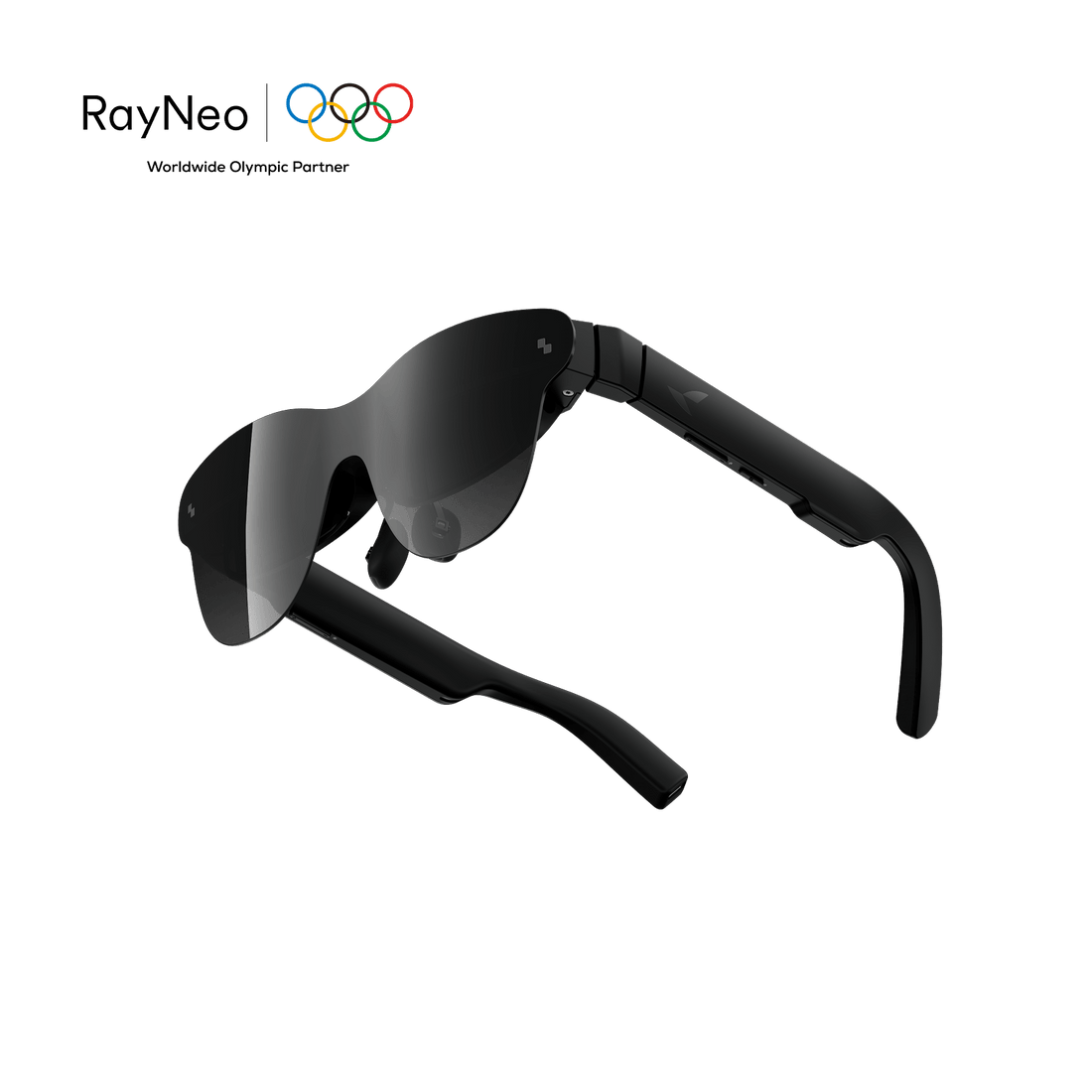
Smart eyewear is reshaping how we access information. As wearable tech becomes sleeker, conversations around academic honesty are changing fast. Many students now wonder about the reality of using AI glasses on proctored exams, weigh the temporary advantages against long-term risks, and look for clear answers on how institutions respond to high-tech cheating.

AI glasses can technically capture test questions and retrieve answers in real time, but beating modern proctoring systems is increasingly difficult. Advanced optical tracking, AI audio analysis, and physical inspections now catch smart eyewear quickly. Attempting to cheat with this technology carries extreme academic, professional, and legal risks that far outweigh short-term gains.
AI glasses combine traditional eyewear frames with micro-display optics, tiny microphones, bone-conduction speakers, and compact cameras. Connected to wireless networks and cloud-based language models, these devices can analyze text, process visual prompts, and deliver discrete audio or visual answers directly to the wearer.
When used improperly, smart eyewear severely undermines academic integrity by giving users an unfair advantage. It distorts accurate assessment, devalues legitimate academic credentials, and breaks the fundamental trust between students and educational institutions.
The process behind automated testing misconduct relies on a fast, multi-step pipeline that operates in seconds:
Not all testing environments face the same level of risk. Vulnerability depends on the setup, location, and monitoring intensity:
| Exam Format | Risk Level | Why It Is Vulnerable |
| Unproctored Online Quizzes | Very High | Lacks live video monitoring or physical inspections. |
| Standard Remote Proctored Tests | Moderate to High | Webcams often miss subtle head tilts or microscopic lens displays. |
| Standard In-Person Classroom Exams | Moderate | Large class sizes make it easier to hide subtle device usage. |
| Strictly Monitored Test Centers | Very Low | Mandatory physical device checks render hidden tech nearly useless. |
Testing organizations use physical inspections and automated algorithms to spot high-tech cheating tools.
In-person testing sites rely on direct inspection protocols before and during the exam:
Remote proctoring platforms use software tools to spot suspicious behaviors during online tests:
Attempting to use smart glasses during a monitored test triggers serious consequences that can follow you for years.
Schools treat smart eyewear misuse as severe academic misconduct. Typical penalties include:
Misuse on professional certification tests impacts your career trajectory:
In regulated fields, using unauthorized tech can cross into legal violations:
Smart glasses offer tremendous benefits when used responsibly. RayNeo designs hardware to improve everyday productivity, learning, and hands-free access to information outside secure testing environments.
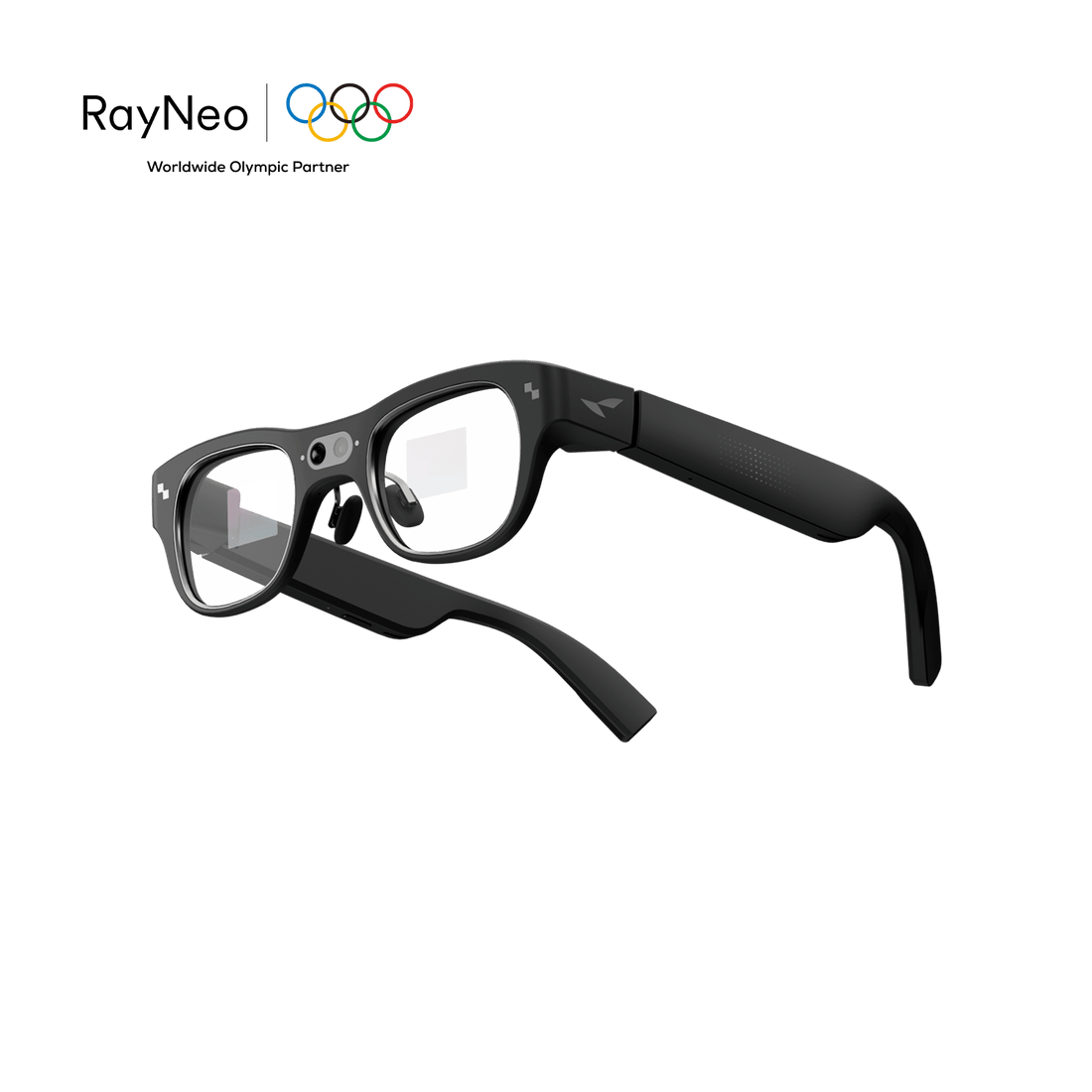
Discover everyday convenience with RayNeo iO AI Glasses. We squeezed our display technology down to an ultra-thin 0.6 millimeter screen that stays almost invisible to others. It looks like an everyday lens while floating key information right in front of your eyes.
Our advanced MicroLED display delivers 1700 nits of brightness for outdoor clarity while adding just 3 grams of optical weight. Powered by the 0.3cc Firefly Nano Engine, these frames offer clear visual assistance without bulky cameras or heavy speakers.
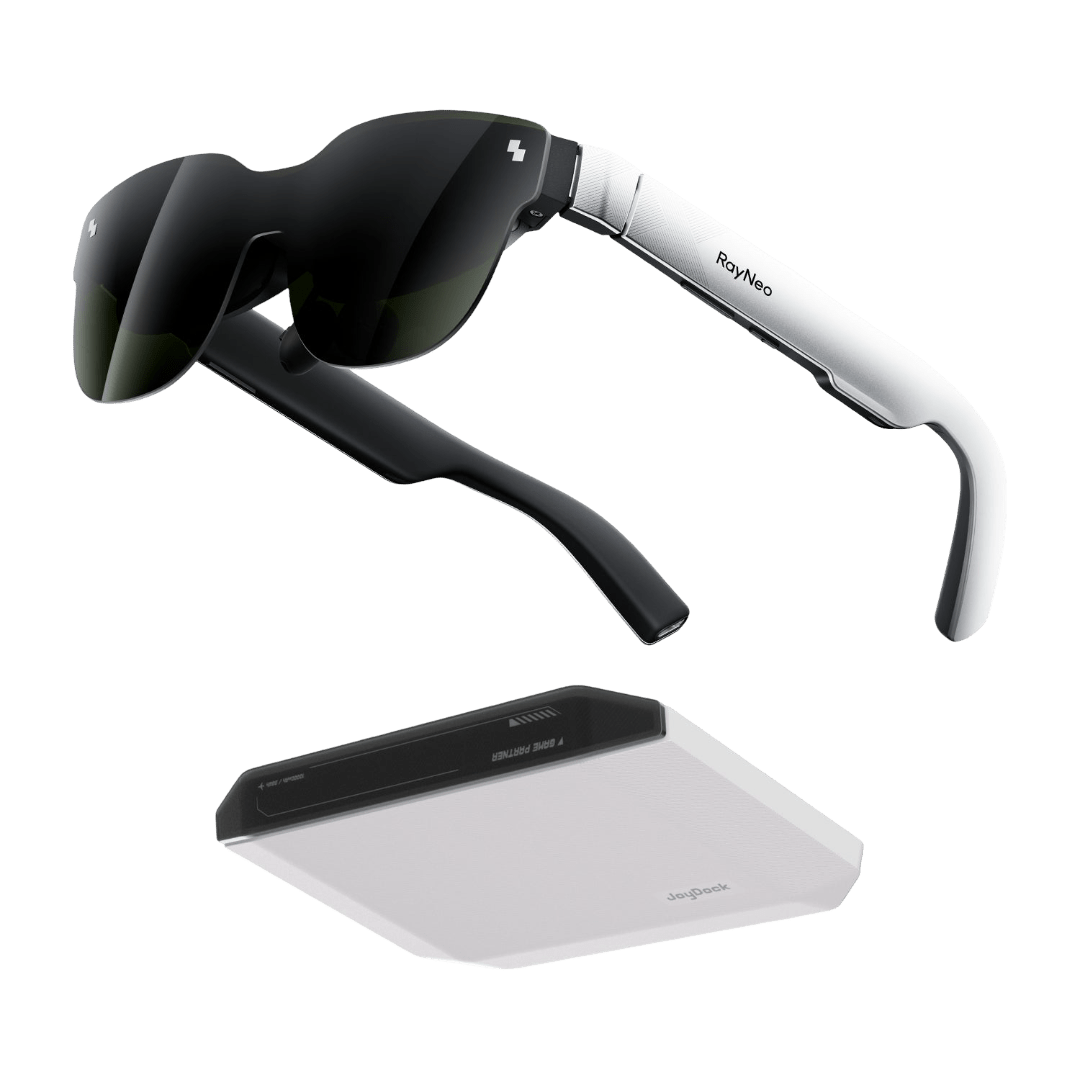
Unlock next-generation performance with the RayNeo X3 Pro AI+AR Smart Glasses. Built on the Qualcomm Snapdragon AR1 platform, these glasses bring full-color augmented reality directly into your workflow.
Powered by Google Gemini Live AI, this wearable acts as an intelligent personal assistant for everyday tasks:

Understanding the technology behind using AI glasses on proctored exams shows that short-term shortcuts bring massive academic and legal risks. Modern detection systems quickly flag unauthorized devices. Smart eyewear belongs in daily learning and creative environments, where tools like RayNeo help you learn safely, stay productive, and succeed ethically.
While AI glasses can technically display answers or process questions, relying on them to pass an exam is nearly impossible. Proctoring systems and exam supervisors may monitor for suspicious behavior and unauthorized devices. Attempting to use smart eyewear during a test carries extreme risks, including immediate exam failure, permanent academic suspension, revoked certifications, and severe legal penalties.
Yes, proctored exams effectively detect cheating through combined physical and automated security measures. Remote proctoring platforms use advanced AI algorithms to monitor eye gaze, analyze background audio, track screen activity, and flag suspicious head movements. In-person testing centers enforce strict physical inspections, including visual checks of eyewear, frame measurements, and sweeps with handheld metal detectors to catch unauthorized electronics before exams begin.
Yes, many AI glasses feature built-in microphones designed to capture clear audio for voice commands, live translation, and ambient sound processing. Devices with recording capabilities usually process spoken dialogue in real time to summarize notes or translate languages. However, privacy regulations in many regions strictly govern audio recording, and unauthorized recording in private settings or examination halls remains strictly prohibited.






Share:
How Do AI Glasses Work? Complete Tech & Feature Breakdown
How Do AR Glasses Work? Full Tech Guide & Top RayNeo Picks