

$429.00

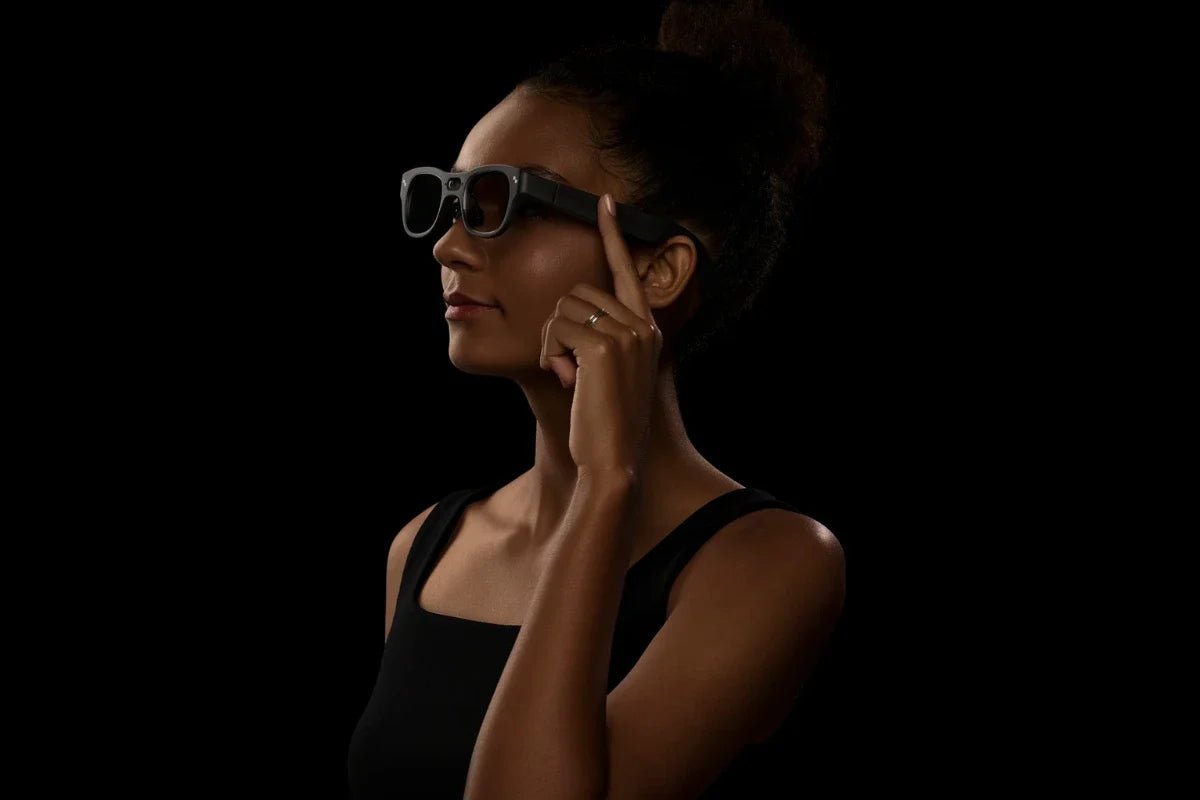
Everyday eyewear is undergoing a massive digital upgrade. Today, lightweight frames can stream data, translate languages, and overlay digital images directly onto the physical world.
As artificial intelligence advances, the smart glasses market is rapidly evolving into the next major hub for personal technology. This complete overview breaks down current industry stats, key growth drivers, hardware challenges, and top-tier devices setting new standards for everyday wearable displays.

Smart glasses combine computer displays, wireless chips, and sensors into traditional spectacle frames. Unlike standard eyeglasses, smart wearables overlay digital information onto your physical view. Some models focus purely on directional audio and voice control. Others feature advanced optical engines that project images, text, or interactive 3D elements right before your eyes.
According to smart glasses market research reports, there is massive expansion expected across consumer and enterprise sectors:
This steady rise reflects accelerating development across the broader AR glasses market, supported by micro-displays, spatial sensors, and gesture control systems.
A mix of artificial intelligence, high-speed wireless networks, and specialized commercial uses is expanding the broader AR smart glasses market. Here is how these core forces push adoption forward.
Generative AI enables smart eyewear to understand requests, process information, and provide contextual assistance. High-resolution micro-displays deliver sharp text, while gesture-tracking systems let you interact without touching buttons. Eye-tracking sensors analyze focus and intent to tailor interfaces in real time. These combined tools turn simple glasses into proactive personal assistants that summarize information on demand.
Industrial facilities use smart glasses with cameras and micro-audio systems to streamline operations. Field workers consult digital manuals, view checklists, and receive step-by-step guidance hands-free while keeping their attention on the job. Remote experts can view a technician's field of vision in real time, reducing downtime and lowering training costs across manufacturing and warehousing hubs.
The expansion of 5G networks helps power modern wearable computing. High bandwidth and sub-millisecond latency allow smart frames to offload complex graphic processing to the cloud. This connectivity can support smoother video streaming, instant language translation, and stable spatial mapping without overloading internal processors or draining power.
Specialized clinical applications are fueling double-digit gains within the medical smart glasses market. Surgeons wear lightweight displays to view vital signs, patient history, and medical imaging without turning away from the operating table. These specialized tools also enable remote diagnostics, allowing specialists to guide medical personnel through complex procedures anywhere in the world.
Despite rapid innovation, several engineering and regulatory hurdles slow down mainstream consumer adoption.
Smart frames demand ultra-compact components, yet many current devices rely on adapted smartphone chipsets that waste energy. Battery life suffers when encoding video or streaming data wirelessly. Optical light engines and waveguides also face manufacturing hurdles related to field of view, brightness, and production cost. Designing frames that comfortably support all-day wear alongside prescription lenses remains an essential benchmark for widespread success.
Smart glasses collect ambient visual and spatial data, raising valid privacy concerns for surrounding bystanders. Regulatory frameworks, including the EU General Data Protection Regulation(GDPR) and the California Consumer Privacy Act(CCPA), enforce strict "privacy by design" rules. Manufacturers must build in clear recording indicators and user permission toggles, adding software complexity and rising development expenses.
High production costs for MicroLED panels and optical waveguides keep premium smart glasses at elevated price points. Balancing cutting-edge display specs with mass-market affordability is tricky. Furthermore, distribution channels must adapt to manage optical fitting, custom prescription options, and specialized customer support.
RayNeo offers specialized smart eyewear built for everyday assistance, advanced spatial computing, and high-definition personal entertainment.
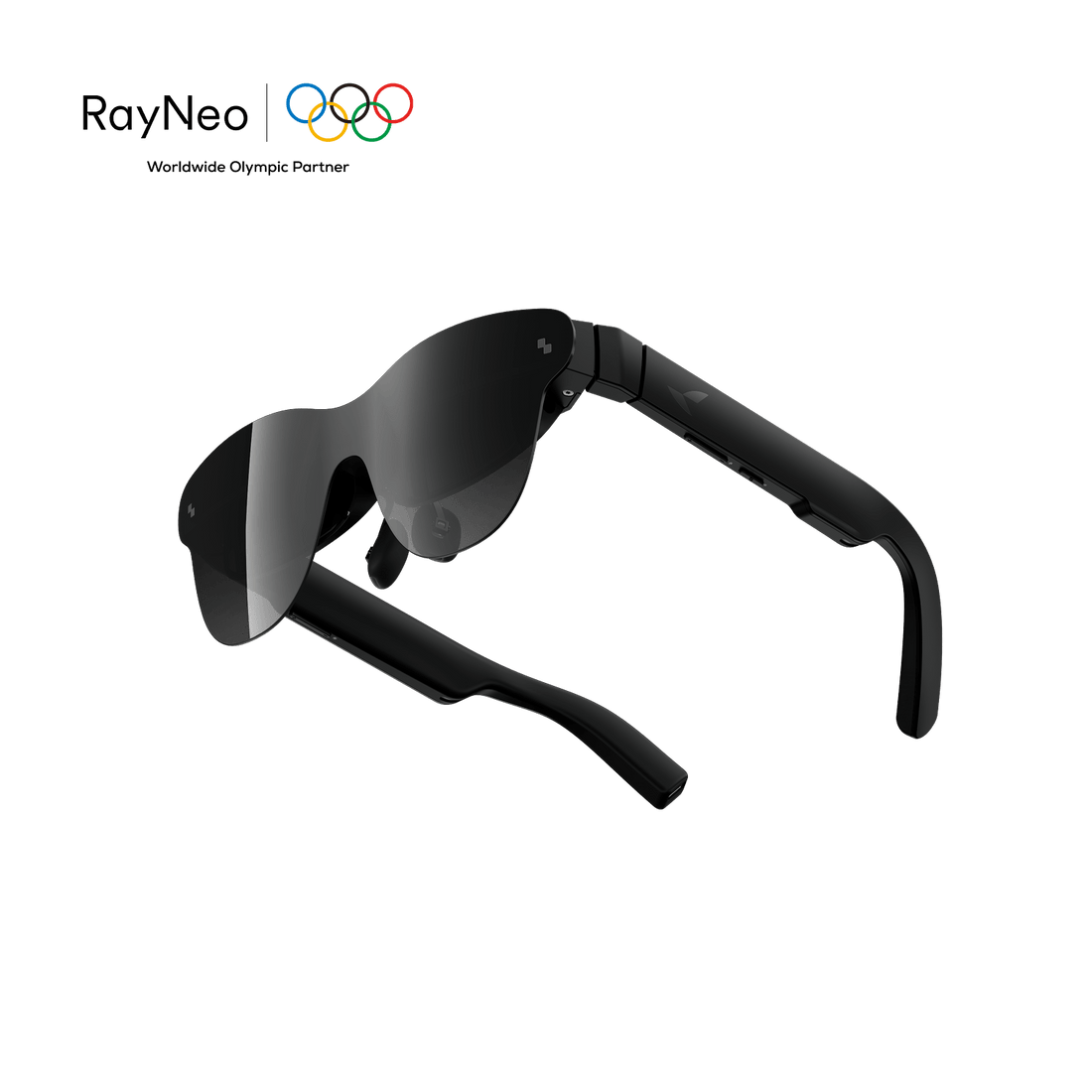
The RayNeo iO AI Glasses bring smart assistance into sleek, everyday eyewear. Built around a Crown Polygon Design frame, a Firefly Nano optical engine, and an ultra-transparent waveguide display, these glasses feel just like standard optical frames. A quick upward glance opens your personal Dashboard, keeping notifications visible while your phone stays tucked away. The silent Life Log feature captures daily moments and builds contextual memory over time.
Who It’s For: Professionals, remote workers, and multitasking managers who need continuous information flow without constant phone checking.
Key Features:
The RayNeo X3 Pro AI+AR Smart Glasses push spatial computing further by merging Google Gemini AI integration with full-color augmented reality displays. Operating on RayNeo AIOS, these glasses deliver intuitive 3D interactions and support popular mobile apps right in your view. The ultra-lightweight 76-gram frame uses titanium alloy hinges, a self-developed Firefly optical engine reaching 3500 nits, and Snapdragon AR1 performance to deliver a smooth AR experience.
Who It’s For: Tech enthusiasts, software developers, and mobile creators who want a fully interactive AR interface for navigation, translation, and media production.
Key Features:

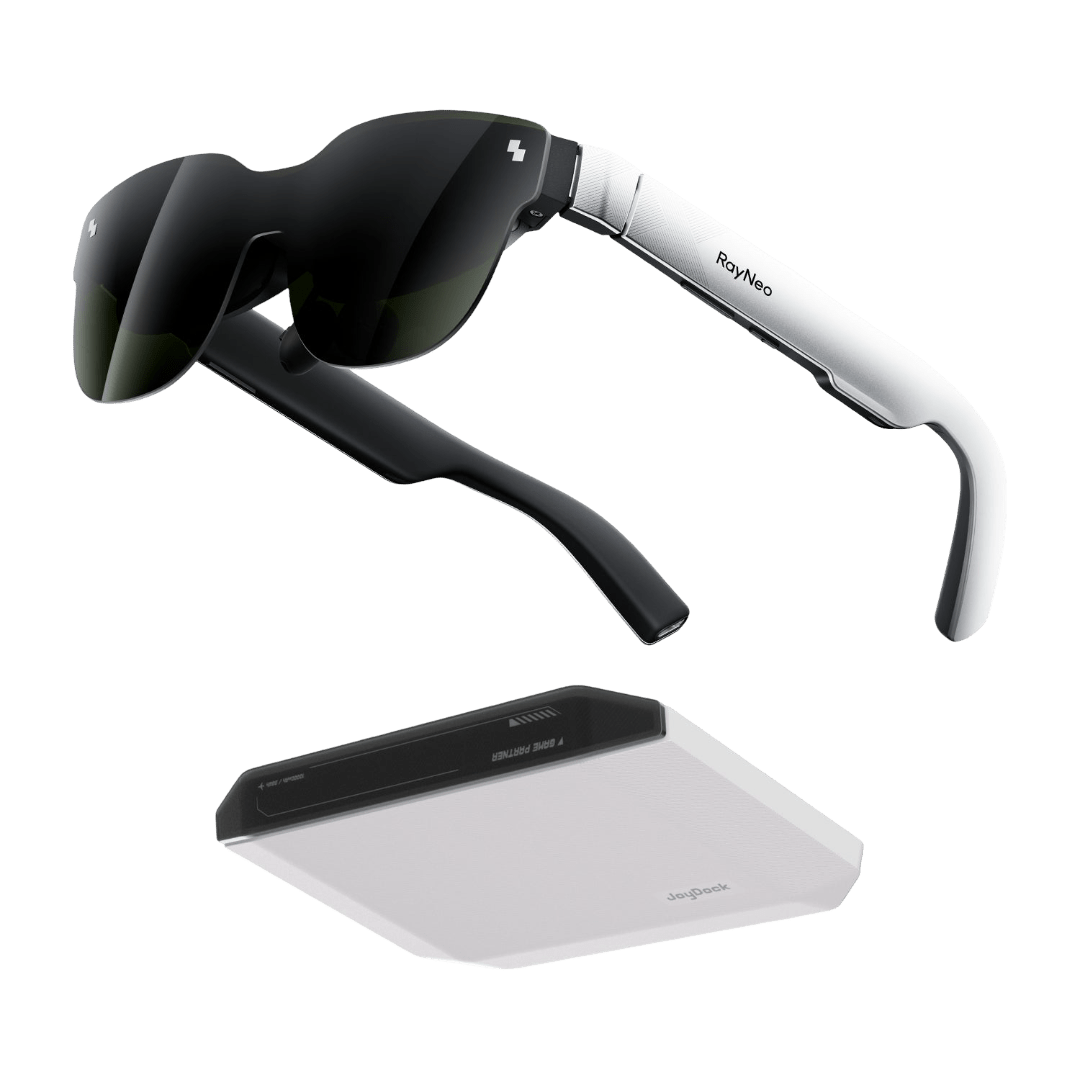
The RayNeo Air 4 Pro AR Glasses turn mobile media into a personal cinema experience. Featuring the world's first HDR10 AR display on a 0.6" SeeYa Micro-OLED screen, it provides rich color depth backed by Pixelworks display tuning. Audio engineered by Bang & Olufsen delivers high-fidelity sound, while OptiCare eye protection prevents strain during extended movie or gaming sessions.
Who It’s For: Mobile gamers, movie lovers, and frequent travelers looking for a portable virtual screen for gaming consoles and laptops.
Key Features:

The smart glasses market promises a dynamic shift toward spatial computing. As display optics, custom processing, and AI assistants advance, smart frames will soon replace traditional screens. Expect lighter designs, longer battery life, and seamless software ecosystems to propel high consumer adoption across the globe in the coming years.
Smart glasses will not replace smartphones anytime soon. Instead, they serve as convenient hands-free companions for quick daily tasks like reading notifications, following turn-by-turn navigation, and asking quick AI questions. Smartphones remain essential for long-form typing, complex mobile apps, heavy media consumption, and high-performance mobile gaming. Most users will adopt smart glasses to reduce screen time while keeping their phones nearby for demanding activities.
Smart glasses are safe for daily wear, but privacy requires mindful usage. Modern hardware meets strict radio frequency and optical safety standards, preventing physical harm. However, integrated cameras and microphones raise valid privacy concerns for bystanders in public spaces. Reliable manufacturers install visible recording lights, physical power toggles, and strict data encryption to safeguard personal information and ensure transparent, responsible use everywhere you go.
AI in smart glasses relies on an efficient three-step loop: input, processing, and output. Built-in microphones and cameras gather real-time audio and visual data from your environment. Low-power chips handle quick actions locally, while complex AI queries may be processed through connected smartphones or cloud services. The processed answer is then delivered directly to your field of view via visual overlays or whisper-quiet speakers.





Share:
Cheapest AR Glasses (2026): Best Specs & Buyer's Guide
How Do AI Glasses Work? Complete Tech & Feature Breakdown