

$429.00

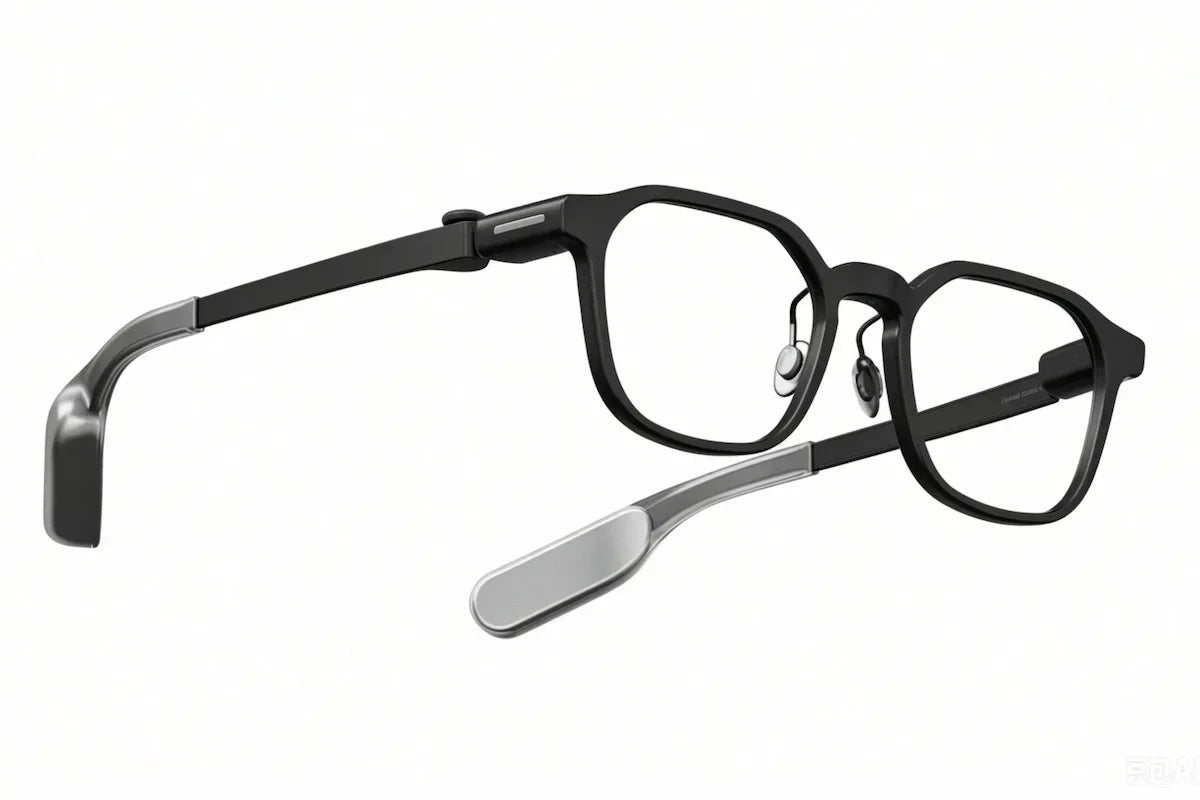
RayNeo iO carries an IP54 rating: dust-protected and resistant to splashing water from any direction under the rating’s test conditions. It is not a submersion or water-jet rating, and it does not establish resistance to sweat, salt water, cleaning chemicals, or prolonged rain. RayNeo also notes that resistance can decrease with normal wear over time.
The rest of this guide breaks down what the two digits mean, how iO’s warranty treats liquid-related failures, how IP54 compares to other smart glasses, and the few things RayNeo hasn’t published a specific answer for.
RayNeo’s iO product page lists “IP54 Dust & Water Resistance” directly in the tech specs and highlights section, and its FAQ spells out the boundary in plain language:
“RayNeo iO is rated IP54 for dust and water resistance. It is designed to resist everyday dust and splashes. Splash, water, and dust resistance are not permanent conditions and may decrease with normal wear.”
That rating comes from IEC 60529, the international standard manufacturers use to describe how a sealed device resists solid particles and liquids. It’s a two-digit code, dust first and water second, and the two digits are tested independently of each other, so iO’s dust score says nothing about its water score and vice versa. Here’s how iO’s specific digits break down:
| Digit | iO’s score | What the test involves | What it means in daily use |
|---|---|---|---|
| First digit: 5 | Dust-protected, not fully dust-tight | Some dust may get inside the frame, but not enough to interfere with how the device operates | Wind-blown grit, city air, or lint from a bag typically won’t make the hinges or electronics act up |
| Second digit: 4 | Splashing water from any direction | A swinging, oscillating spray hits the device from multiple angles, simulating everyday splashes rather than submersion | Everyday splash exposure is within spec; being dunked underwater is not |
The FAQ’s second sentence matters as much as the rating itself. RayNeo is explicit that the seal isn’t a one-time certification that lasts forever: drops, age, and daily wear can degrade it over time, the same way a smartphone’s water resistance tends to weaken after a couple of years of use.
Some other glasses on the market advertise ratings like IPX7, where the “X” is a placeholder meaning the dust digit wasn’t tested or disclosed, while the “7” is a submersion test (typically up to 1 meter of fresh water for 30 minutes) that IP54 doesn’t include at all. iO’s rating sits below that submersion tier, and nothing in RayNeo’s published specs suggests otherwise.
Based on the product pages we checked in early October 2026, iO is the only current RayNeo model with an IP rating published on its product page:
| Model | Published IP rating |
|---|---|
| RayNeo iO | IP54 |
| RayNeo X3 Pro | Not published on the product page we checked |
| RayNeo GT series | Not published on the product pages we checked |
IP54 is specific to iO rather than a company-wide standard.
| Situation | Covered under IP54? | Why |
|---|---|---|
| A quick splash during handwashing or face-washing | Yes | Falls within “splashing water from any direction” |
| Light rain or drizzle during a commute | Yes, for brief exposure | Oscillating spray testing approximates light rain hitting the frame from different angles |
| Sweat during a walk or workout | Not established by IP54 alone | Sweat differs chemically from the test water; avoid allowing it to accumulate and follow RayNeo’s care instructions |
| Everyday dust from wind, city air, or a bag | Yes | Covered by the first-digit dust-protected rating |
| Rinsing the lenses under running water | Not recommended | A splash-rated device isn’t the same as a device cleared for sustained direct water flow; follow RayNeo’s cleaning instructions instead |
| Heavy, sustained rain over a long period | Not confirmed | RayNeo doesn’t publish a duration limit; the safer move is to fold the temples and stow the glasses once a drizzle turns into a real downpour |
| Fine sand or construction-site dust | Not confirmed | The first digit (5) means dust-protected, not dust-tight; for routine dusty conditions, wipe the frame and hinge area regularly since RayNeo hasn’t published a sand- or extreme-dust-specific limit |
| Swimming, showering, or any submersion | No | IP54 has no submersion test; that requires an IPX7 or higher second digit, which iO does not have |
| Direct water jets, like a hose or pressure washer | No | The second digit for jet resistance is 5 or 6, higher than iO’s rating of 4 |
Treat IP54 as everyday dust and splash protection, not a zero-risk seal: even covered situations above still benefit from drying the frame promptly and following RayNeo’s own cleaning guidance.
This is the question most buyers actually want answered before they decide how carefully to treat the glasses: if iO gets wet beyond what IP54 covers and something stops working, is it a warranty repair or an out-of-pocket one?
RayNeo’s published warranty policy answers this directly. Under its “What Is Not Covered” section, the warranty excludes “device failure caused by exposure of charging case metal contacts or internal circuitry to liquids, moisture, or severe humidity.” In plain terms, device failures that trace back to moisture reaching those parts fall outside the standard coverage period (1 year in most regions, 2 years in the EU/EFTA).
That exclusion is written against actual device failure traced to moisture reaching internal electronics or the charging contacts, not every drop of rain that lands on a lens. IP54 and the warranty remain two separate protections: the rating describes what the hardware is built to tolerate, while the warranty describes what RayNeo will cover for free if a liquid-caused failure occurs. Whether a particular incident is covered is a case-by-case decision for RayNeo support rather than something the IP rating or this article can settle in advance.
If you suspect water has gotten past the seal, watch for signs like:
If any of these show up, the practical step is to stop using the device and contact RayNeo support directly.
Ingress ratings vary across smart glasses, and many products publish no rating at all. IP54 adds dust protection on top of a splash test similar to IPX4, and it is well short of anything meant to survive a dunk.
The IP54 rating applies to the glasses; do not assume it also covers the charging case. Keep the case and charging equipment dry, and put the glasses away in sustained heavy rain. IP54 does not establish a safe number of minutes for continuous rain exposure.
IP54 adds protection against everyday dust and accidental water splashes, but it is not a clearance for every workout or weather condition. Sweat chemistry, exposure duration, and wear on the frame matter. Dry the glasses after exposure, keep the charging contacts dry, and follow RayNeo’s care guidance. Put them away during heavy or sustained rain rather than relying on the rating as unlimited protection.
iO’s second digit (4) describes a water-splash test, not showering or swimming. Showers involve sustained direct water flow; swimming adds submersion and often chlorinated or salt water. Do not wear iO for either activity. Even a device with an immersion rating needs an explicit manufacturer recommendation for swimming or showering; a higher IP digit alone is not approval for those uses.
iO is built around:
Its dashboard, captions, and meeting tools suit everyday errands, commuting, and work rather than swimming or water sports. IP54 adds everyday dust and splash resistance, while sensible care remains important, especially after moisture exposure.

Because the printed rating describes performance when the unit was new, a frame that’s a year or two old, with wear on the seals from repeated drops or temperature swings, is a reasonable candidate for more caution than a brand-new unit, even though the spec sheet number itself doesn’t change.
Is RayNeo iO waterproof?
What does the “5” in IP54 mean, and what does “X” mean in ratings like IPX7?
Does getting iO wet within the IP54 rating void the warranty?
Does the charging case have its own water or dust rating?
Do RayNeo’s other glasses, like X3 Pro or the GT series, have an IP rating too?
Treat iO the way you’d treat a good pair of water-resistant headphones: fine for a sudden drizzle or an accidental splash, not something to wear in the shower or take into a pool. Two things worth remembering beyond the rating number itself: liquid-caused device failures are addressed under RayNeo’s warranty exclusion for moisture reaching internal electronics, with coverage decisions handled by support rather than this article, and the resistance can weaken as the frame ages. If you suspect water has reached the internals, fogging under the lens or unreliable charging are the usual signs, contact RayNeo support rather than wait and see.
Sources:





Share:
RayNeo X3 Pro Live Translation Explained: 14 Languages, Speed, and Network Needs
RayNeo iO Microphone Array and Bone Conduction Sensor Explained: How Voice Capture Works Without a Speaker