

$429.00

New tech gadgets are becoming smarter, smaller, and more personalized than ever. Artificial intelligence helps devices understand users, while advanced health sensors, longer battery life, wireless connectivity, and portable designs make everyday technology more practical. Smart rings now track wellness discreetly, showing how innovation can fit seamlessly into daily routines.
Meanwhile, flagship action cameras let creators record high-quality adventures, and AI-enhanced smart speakers simplify control of connected homes. As competition grows, manufacturers are focusing on privacy, durability, and energy efficiency, ensuring the newest tech gadgets deliver meaningful benefits without sacrificing convenience or style.

New tech gadgets are recently released or significantly upgraded consumer devices designed to improve everyday activities, entertainment, communication, or productivity. They include wearables, cameras, smart-home devices, speakers, accessories, and other connected electronics.
Newer does not always mean better. A device may offer impressive specifications but still have limited battery life, weak software support, privacy concerns, or poor compatibility with your existing ecosystem. Meaningful innovation should solve a real problem—such as improving image stabilization, extending battery life, increasing comfort, or making everyday tasks more reliable.
Several trends are shaping the latest in tech gadgets:
When evaluating a new gadget, focus on practical benefits, compatibility, independent reviews, and long-term usability rather than launch-day hype.
The newest technology gadgets span wearables, cameras, and AI-powered home devices, each serving different needs. Smart rings focus on health insights, action cameras support durable content creation, and AI speakers improve convenience through voice control and automation.
Smart rings track sleep, activity, heart-related metrics, recovery, and temperature changes in a lightweight, screen-free design. They are especially useful for users who prefer passive wellness tracking without frequent notifications.
Most models rely on a smartphone app, and some advanced insights may require a subscription. Smart rings can help identify wellness patterns, but they are not medical diagnostic devices and should not replace professional medical advice. For more context, see the FDA guidance on general wellness devices.
Flagship action cameras offer strong stabilization, high-resolution video, improved low-light performance, waterproof designs, and flexible shooting modes. Mounting systems, voice control, and wireless sharing also make them useful for travel, sports, and hands-free filming.
Their main drawbacks are smaller image sensors, faster battery drain during high-resolution recording, and storage demands. Even so, they are often more practical than smartphones for movement, rough weather, and mounted shooting.
AI-enhanced smart speakers can better understand natural-language commands, follow-up questions, personalized requests, and multi-step routines. They can control compatible smart-home devices, play music, provide reminders, answer questions, and deliver household-specific information.
Privacy is an important consideration because these devices use microphones and may process requests in the cloud. Before use, review microphone controls, recording settings, data policies, and account permissions, especially in bedrooms or private workspaces.
Other top tech gadgets include products that add convenience without replacing a phone or computer:
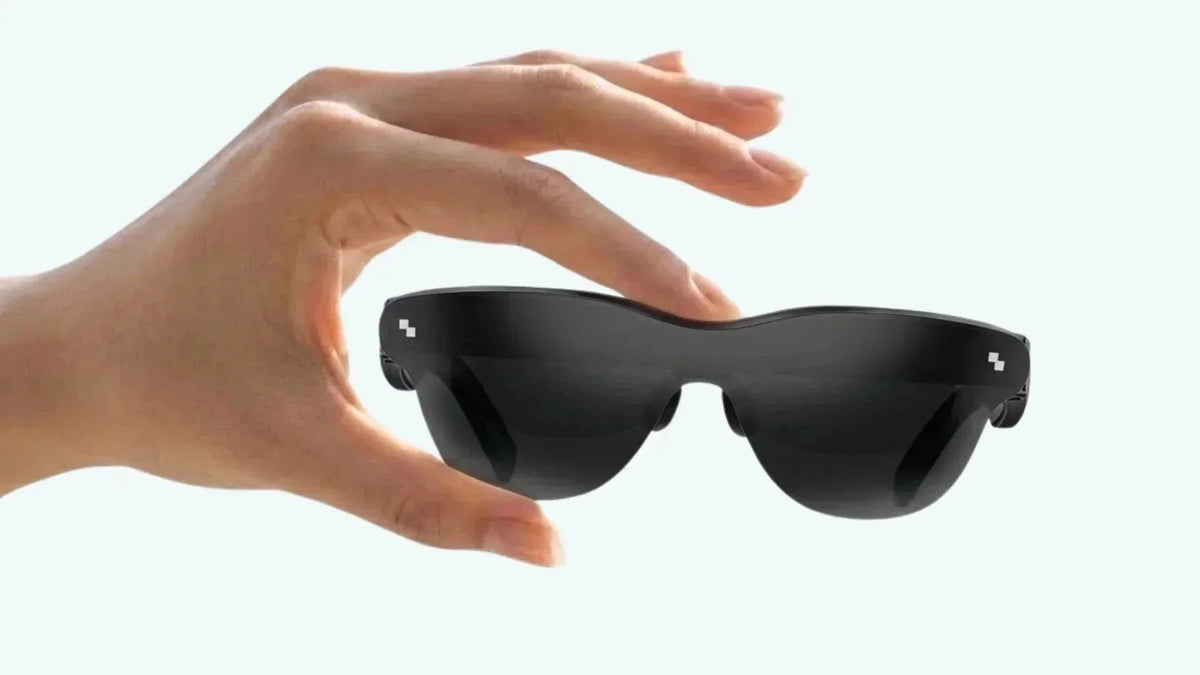
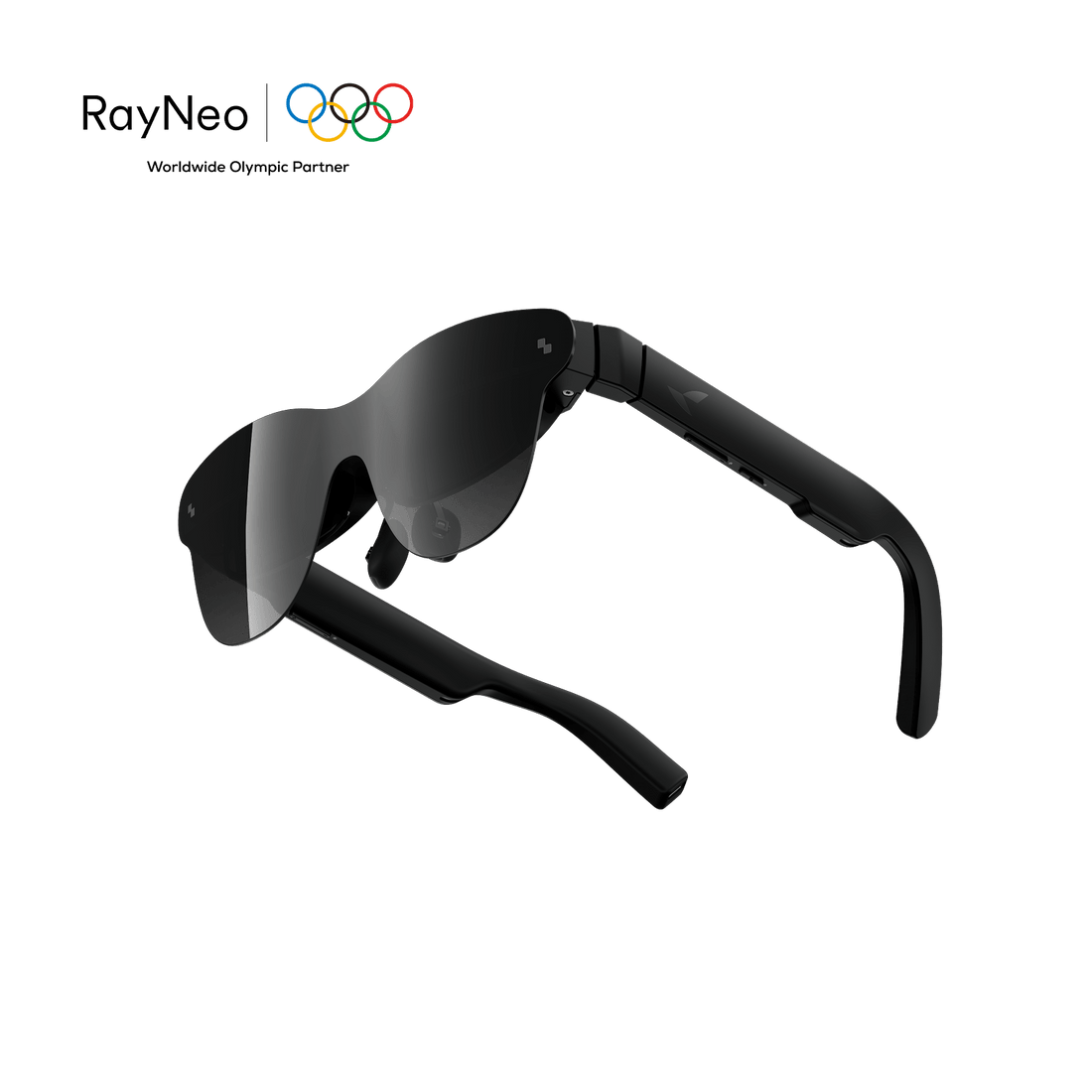
Smart glasses can provide hands-free information, audio, cameras, and augmented-reality displays. Users comparing Smart Glasses can also consider RayNeo X3 Pro AI+AR Glasses for AI-assisted everyday use.
Key features include:
The value of gadgets is easiest to understand through everyday use cases. A device matters when it reduces friction, supports a goal, or makes an activity more enjoyable—not simply because it contains more features.
These products serve different purposes, so no single device is universally superior. Smart rings prioritize discreet wellness tracking, smartwatches combine health data with notifications and screens, and action cameras focus on durable video capture.
Choose a ring if you mainly want passive health tracking and comfort. Choose a smartwatch if you need one device for fitness, communication, navigation, and real-time information.
For normal daily use, a smartphone is often sufficient. For skiing, biking, surfing, hiking, or travel vlogging, an action camera provides stronger stabilization, rugged construction, and more flexible mounting options.
When comparing devices, look beyond headline specifications:

Choosing a gadget becomes easier when you move from the problem you want to solve to the complete ownership experience. Use this process before purchasing.
Before buying, also compare warranty coverage, repairability, customer support, portability, required accessories, and long-term software compatibility.
New tech gadgets are worth buying when they offer a clear improvement in convenience, comfort, reliability, or capability. They are less appealing when the main benefit is novelty or when important software features are still unfinished.
Buy now when the device:
Consider waiting if reviews are limited, battery performance is unclear, software bugs are common, or a new subscription model adds uncertainty. First-generation products may also improve quickly, while prices can fall after launch.
An established alternative may be better when it offers stronger app support, broader compatibility, easier repairs, and a proven update history. Choose the newer device only when its specific advantage clearly benefits your everyday routine.
The strongest new tech gadgets are not necessarily the most futuristic. Smart rings are appealing for discreet sleep, activity, and recovery tracking. Flagship action cameras are valuable for travelers, athletes, and creators who need stabilized, durable video. AI speakers can make natural-language commands and home routines more convenient.
Before buying, evaluate usefulness, compatibility, privacy, software support, and long-term cost. The right new tech gadgets should fit naturally into your life rather than create another complicated system to manage.
Look for strong image stabilization, dependable waterproofing, good low-light quality, long battery life, simple mounting, clear audio options, and efficient wireless transfers. Also check overheating behavior, storage requirements, replacement batteries, and editing software. High resolution matters, but reliable stabilization often has a greater effect on usable footage.
Some AI smart speakers work without a subscription for basic commands, music playback, timers, and smart-home controls. Advanced AI conversations, personalized features, premium music services, or cloud storage may require a paid plan. Check the manufacturer’s current terms because included features and subscription policies can change after launch.
There is no single newest technology because products launch continuously across different categories. Current advances include generative AI assistants, miniaturized health sensors, augmented-reality glasses, efficient wireless connectivity, and smarter home automation. A technology is most valuable when it is reliable, secure, compatible, and practical for everyday use.





Share:
What Are Smart Glasses and What Can They Do?
Best AR Glasses in 2026: Finding the Perfect Pair for Your Everyday Use