

$429.00


Smart glasses with subtitles aim to close the distance between people in the moment. They catch voices where you might otherwise struggle to hear, converting speech into text that floats in your field of vision like movie subtitles. These glasses capture audio through microphone arrays, rely on AI speech recognition to generate text within hundreds of milliseconds, and use MicroLED optical engines to overlay the subtitles onto the real world. At RayNeo, we have built this capability into a product designed for actual daily wear, something you can step out with and keep on all day. Centred on the Snapdragon AR1 platform and full-color MicroLED waveguide optics, RayNeo X3 Pro allows you to see real-time subtitles and translations in meetings, during travel, in classrooms, and in daily conversations, ensuring you are no longer pushed away from the heart of the dialogue by noise or language barriers.
In terms of form factor, smart glasses with subtitles are AR smart glasses with real-time speech-to-text and in-field subtitle display as their core capabilities. They look similar to regular glasses, with multiple microphones, microprocessors, and optical display modules integrated into the temples and frames, adding a layer of transparent digital information in front of you while you see the real world.
Unlike early AR glasses that only handled navigation or notifications, subtitle-focused smart glasses prioritize turning spoken words into visible text. RayNeo X3 Pro belongs to this category of AI+AR smart glasses. It overlays more than just subtitles; it includes head-up navigation, visual translation, and feedback from AI assistants, connecting what is happening in front of you with what you need to know through large models like Gemini. For users, smart glasses with subtitles are building a way of human-computer interaction that centers around their field of vision.

To turn a natural conversation into flowing text before your eyes, smart glasses with subtitles must complete a full chain from sound wave collection to semantic recognition and optical imaging. While implementation details vary across brands, the overall process is highly consistent.
Everything starts with hearing. Subtitle smart glasses are typically equipped with two or three high-sensitivity microphones at the front of the temples and on the frame. Through beamforming technology, they focus attention on the speaker in front of the wearer, weakening noise from the sides and the distance. Beamforming microphone arrays can significantly reduce background noise at exhibitions or on streets, extracting the voice of the person opposite to provide a clean signal for subsequent recognition. For any pair of subtitle smart glasses, the ability to accurately capture human voices amidst the reverberation and noise of the real world is the first threshold for reliable subtitles.
The captured audio is immediately sent to an Automatic Speech Recognition engine. Modern smart glasses with subtitles generally use deep learning-driven ASR models capable of handling different accents, speaking speeds, and background environments. For instance, some place the speech recognition engine directly on the device for full offline computation, providing real-time subtitles even without an internet connection. Another category of smart glasses with subtitles uses smartphones or the cloud as an extension of computing power. For example, they transmit audio to a phone via Bluetooth to run larger-scale voice and translation models locally or in the cloud, gaining more language support and more complex conversation understanding. Some smart glasses with subtitles further integrate multilingual recognition and translation, with some versions already supporting recognition and translation between hundreds of languages for communication within multilingual families and multinational companies.
Latency is one of the key indicators of whether subtitles are useful. For most users, if the delay for even one or two sentences exceeds one second, they feel the rhythm of the conversation is interrupted. To compress latency within an acceptable range, this wave of products generally adopts a hybrid architecture of edge and cloud computing. Industry research firm IDC points out that a new generation of smart glasses, with AI features as a core selling point, is moving more inference tasks to the local device, using specialized chips to reduce latency and protect privacy. RayNeo X3 Pro is an embodiment of this trend. It utilizes the Snapdragon AR1 Gen 1 dedicated platform with a built-in NPU, allowing voice understanding, navigation commands, and some translation tasks to be completed on the glasses, while expanding to more complex language services through the phone and cloud, dividing the work between instant response and complex understanding.
Finally, text needs to be presented in a way that is unobtrusive and does not interrupt the line of sight. The display modules of subtitle glasses typically use micro-display technologies like MicroLED or Micro OLED, then guide the image to a small area in front of the field of vision through waveguide optics or free-form surface lens sets. Subtitle content is generally concentrated at the bottom or the lower side of the field of view to avoid blocking the center of vision while maintaining sufficient font size and contrast.
After understanding the technical process, a more practical question is exactly which pain points smart glasses with subtitles can solve in today's real-world environments. Hearing-impaired users and professionals who frequently engage in cross-language communication have provided very specific feedback and case studies.
According to global market research, more than 1.5 billion people worldwide experience varying degrees of hearing loss. The growth of the hearing-impaired population is driving the AR subtitle glasses niche to expand at a rate of more than 15% annually. In reports related to AR captioning glasses, research institutions estimate that this market will grow approximately threefold from 2024 to 2032, driven by the essential demand for accessible subtitles in education, healthcare, and the workplace.
In this context, AI+AR smart glasses like the RayNeo X3 Pro offer a different approach. They are not traditional medical-grade devices specifically designed for the hearing-impaired, yet they possess the potential to continuously overlay subtitles and translations in one's field of vision. For users who have some baseline hearing but require significant information processing, the X3 Pro establishes a new balance between assisted hearing and enhanced understanding through AI transcription, translation, and navigation.

When the subtitle function is combined with translation engines, smart glasses with subtitles transform into a head-mounted translator for cross-linguistic communication. Because these devices are meant for extended wear in various environments, it is helpful to review key considerations before you buy best smart glasses to ensure the display and battery life meet your travel needs. XRAI Glass has demonstrated the ability to recognize and translate multiple languages in media reports, while RayNeo X3 Pro supports various translation modes, optimizing microphone beamforming based on distance and scenario to provide a combination of basic offline and advanced online translation.
In meetings and classroom settings, the value of subtitle glasses is reflected not only in hearing assistance but also in information capture and post-session review capabilities. RayNeo X3 Pro features built-in applications like AI Recording and Camera that can record audio and video, which are then organized and summarized by an AI engine. For users interested in using these cameras for documentation, understanding what does POV mean in video and social media can provide insights into how first-person perspective recording can be used to create more immersive and helpful meeting recaps. This allows professionals to move from simply understanding a conversation to having a searchable, visual, and translated archive of the entire event.
Whether smart glasses with subtitles are worth getting depends on three things: the frequency of use cases, the severity of communication pain points, and your requirements for budget and form factor. For people whose daily lives revolve around verbal communication, smart glasses with subtitles are more than just an additional smart device. They reach into the fine details of life, and for actual users, they represent a complete rearrangement of work and life rhythms.
The value of subtitle glasses is most intuitive in the workplace. For hearing-impaired employees, these devices can transform in-person meetings, conference calls, and client interviews into captioned sessions, reducing the need for manual transcription or interpreters. For multilingual teams, glasses with integrated translation and subtitling allow people with different native languages to participate in discussions more equitably within the same room.

Price points in this niche market vary significantly. For example, the complete XanderGlasses kit retails for approximately $4,999 in North America; as a medical-grade investment, it targets organizations and users with severe hearing loss. Captify subtitle glasses start at about $599, while the Captify Pro is listed between $800 and $900 in public records, catering to users who want to improve accessible communication on a tighter budget. Hearview uses a hardware-plus-subscription model, positioning it in the mid-to-high-end range.
RayNeo X3 Pro occupies a different space. As a flagship AI+AR smart glass, its price has been cited in media and trade show coverage at around $1,099, placing it in the professional AR tool category. Compared to specialized subtitle glasses, it requires a significantly lower budget than medical-grade products while offering a broader range of general-purpose scenarios, including AI assistants, visual translation, navigation, and photography. For users who need to balance work, travel, and information enhancement, this means a single device can meet multiple needs.
Ultimately, users must weigh how frequently these glasses will feature in their daily lives and whether the device solves a minor inconvenience or a major, persistent drain on their energy.
Looking at future trends, real-time subtitle AR glasses are evolving from single-function devices into multi-functional AI terminals. According to industry reports from Data Insights Market and other analysts, the AR captioning glasses market is projected to reach approximately $3 billion by 2033, expanding at a compound annual growth rate (CAGR) of about 25% between 2025 and 2033. In terms of technology, edge AI is one of the most definitive trends.
An increasing number of manufacturers are integrating dedicated NPUs into their glasses for speech recognition, translation, and visual understanding, reducing dependence on the cloud while alleviating privacy concerns. Another trend is the deep integration of subtitle and translation functions into enterprise collaboration and knowledge management systems—for example, combining with AI agents for enterprise knowledge bases to overlay captioned step-by-step guidance for workers on-site.
For individual users, subtitle smart glasses will transition from a novelty to a daily terminal alongside smartphones and tablets over the next few years. For those who have already realized they face long-term pressure regarding noise, language, or memory, trying this new human-computer interface sooner provides an opportunity to find the subtitle smart glasses that suit them best before the pace of work and life truly accelerates.
People considering smart glasses with subtitles often have experience with mobile captioning apps. The natural question is: If a phone can already convert speech to text, why do I need a pair of glasses? While both rely on speech recognition technology at their core, the real differences lie in human-computer interaction and the continuous usage experience.
The biggest limitation of mobile captioning apps is that your hands and eyes are tied to the screen. Subtitle glasses break this constraint by moving the text to the front of your field of vision, allowing you to look at the speaker while scanning the text to confirm understanding.
This is especially critical for those who need to communicate while moving or performing tasks. For a maintenance engineer working on equipment with grease-covered hands, a simple tap on the RayNeo X3 Pro’s touchpad or a voice command to the AI allows them to view procedural prompts and translations while keeping their hands on the job. In busy streets or airports, you can understand announcements or directions without ever having to pull out your phone.
Where subtitles appear determines the naturalness of a conversation. Most subtitle glasses are designed with the caption area at the lower edge of the field of vision, ensuring it doesn't block your main line of sight while allowing you to read key information with minimal eye movement. Reviewers from HearingTracker have noted that this eye-level display provides a familiar feeling similar to watching TV subtitles during face-to-face conversations, eliminating the need to constantly switch focus between a person’s face and a handheld screen.
The MicroLED waveguide optics used in the RayNeo X3 Pro provide high-brightness text display within an approximately 30-degree field of view, allowing subtitle information to be naturally embedded into the AR interface. For those who need to attend long meetings, give lectures, or lead tours, this is directly related to visual fatigue and the willingness to use the device. You don't have to shift all your attention to a screen; you can simply glance at the text when you need to verify information, keeping full control of the dialogue.
Many mobile captioning apps reveal two main issues during daily use: latency and context fragmentation. Limited screen real estate often means only the most recent one or two sentences are shown; if the conversation picks up speed, it’s easy to lose track of what was said moments ago. Subtitle glasses, however, can retain a longer record of the conversation within your field of vision, ensuring contextual continuity. In multi-person meetings, some subtitle glasses even use layout and color-coding to distinguish between different speakers, significantly reducing the cognitive load on the user.
Previous generations of smart devices accustomed us to interacting with information through touch; smart glasses with subtitles are now attempting to bring that information back to our direct line of sight—and back into the conversation itself. They transform fleeting speech into light that lingers for a few seconds, ensuring that hearing-impaired users are no longer the last to know why everyone is laughing after a punchline, and allowing those busy in noisy or multilingual environments to engage in communication with greater poise.
What RayNeo X3 Pro achieves is packing this capability into a pair of AI+AR smart glasses that are as appropriate for a boardroom as they are for a stroll through a foreign city. It utilizes the Snapdragon AR1 platform and full-color MicroLED waveguides to provide a clear canvas for subtitles and translation, while leveraging AI engines like Gemini to handle voice understanding and information retrieval, overlaying a perfectly balanced information interface onto the real world.
Current smart glasses with subtitles that possess real-time captioning capabilities primarily include specialized subtitle devices like XanderGlasses, Captify, and Hearview, as well as AI+AR smart glasses like RayNeo X3 Pro that achieve subtitling and translation through an AI and application ecosystem. For users who are already accustomed to using mobile subtitle apps but hope for a more natural and long-term wearing experience, X3 Pro provides a choice between specialized subtitle glasses and general-purpose AR glasses, retaining subtitle and translation capabilities while expanding into functions like navigation, photography, and AI assistance.
From the perspective of using them to view information and subtitles, the most suitable AR glasses need to balance three things: being comfortable to wear, providing clear visuals, and having sufficiently smart AI. Multiple tech media outlets in late 2025 and early 2026 reviews have regarded RayNeo X3 Pro as a representative of this product category. It integrates the Snapdragon AR1, full-color MicroLED waveguides, and a dual-camera system within a weight of approximately 76g, providing a high-brightness AR experience suitable for all-day wear. For those who need to rely on subtitles, translation, and navigation simultaneously during work, travel, and study, AI+AR smart glasses represented by the X3 Pro are closer to the 2026 version of a portable head-mounted terminal.
The price of subtitle smart glasses varies significantly, depending on whether they are medical-grade specialized equipment or multi-functional AR terminals. XanderGlasses are priced at approximately $4,999 in the North American market, categorized as a professional-grade product for heavy hearing-impaired users. Captify smart subtitle glasses start at about $599, with the Captify Pro priced in the $800 to $900 range through public channels, offering translation and advanced AI functions alongside a subscription service. Hearview adopts a hardware-plus-subscription model, keeping the initial purchase threshold at the several-hundred-dollar level.
RayNeo X3 Pro, as a flagship AI+AR smart glass, has been mentioned in media and exhibition reports at a price of approximately $1,099, positioned as a full-featured AR tool that uses one pair of glasses to cover multiple needs like subtitles, translation, navigation, and visual AI. For users weighing their options for subtitle glasses, the key lies in determining whether they need a device built specifically for hearing-impaired scenarios or an AI glass like the X3 Pro that can take on more roles beyond subtitling, and finding the most suitable fit within their budget curve.

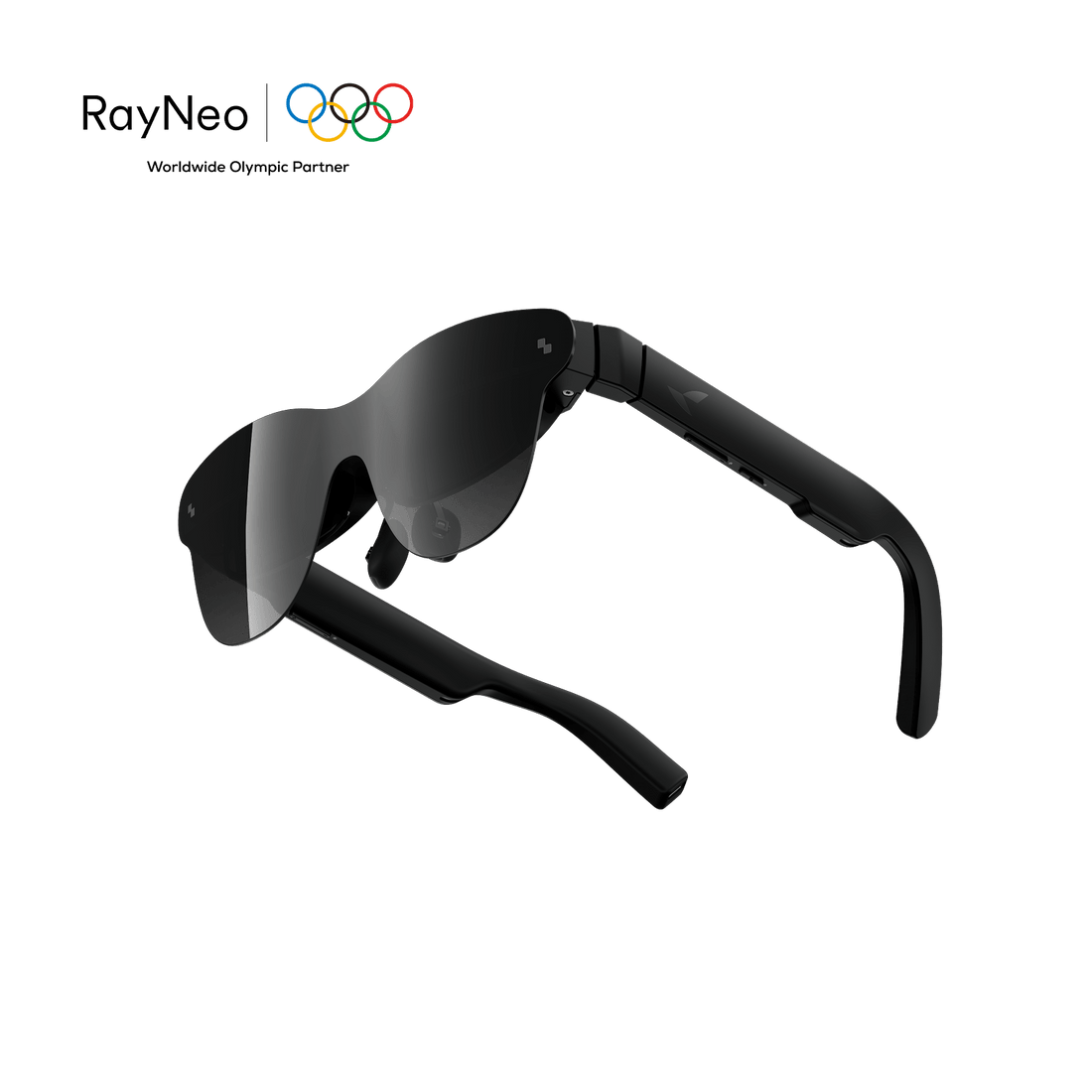


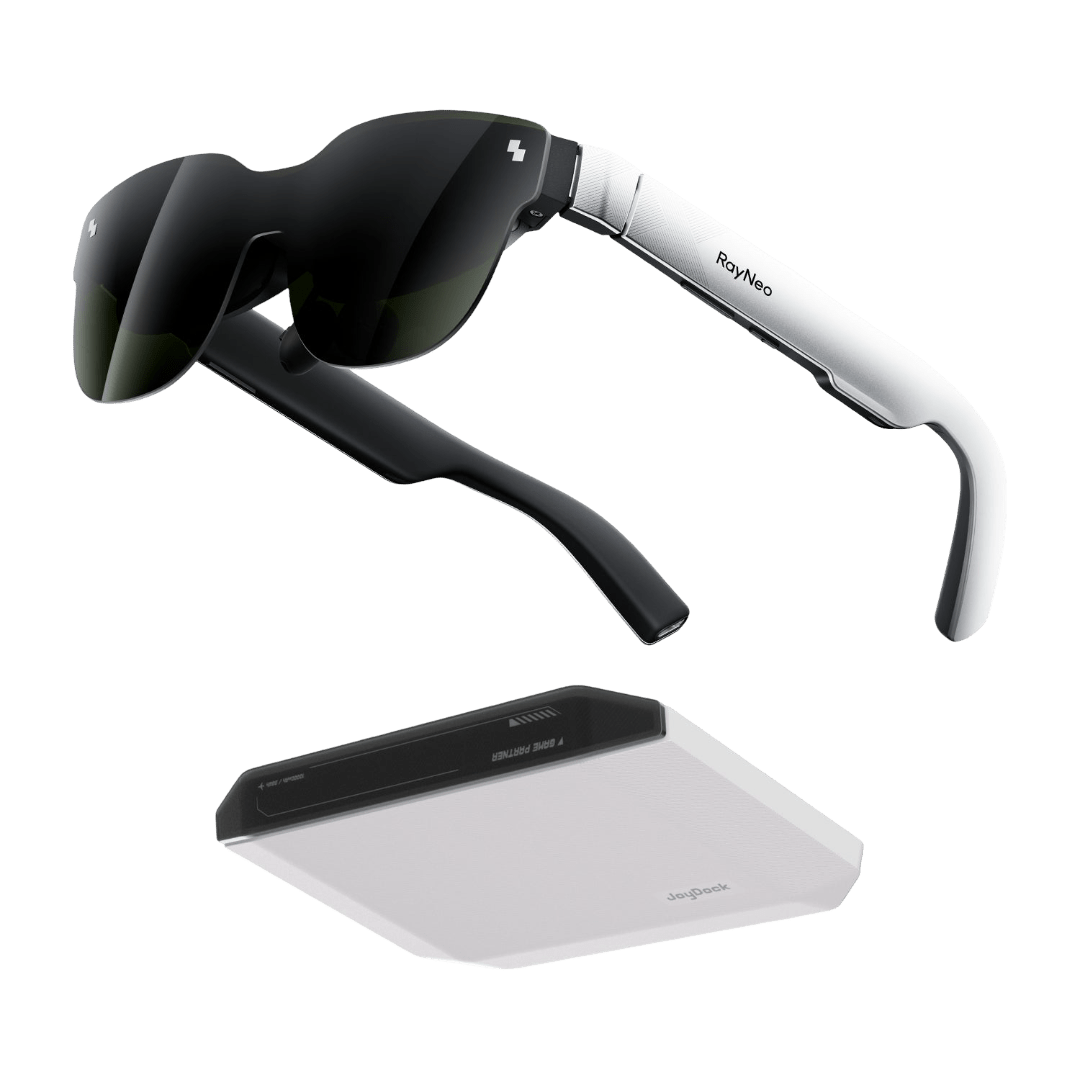


Share:
How to Choose the Best Video Recording Glasses for Vlogging
What is Field of View (FOV)?