

$429.00

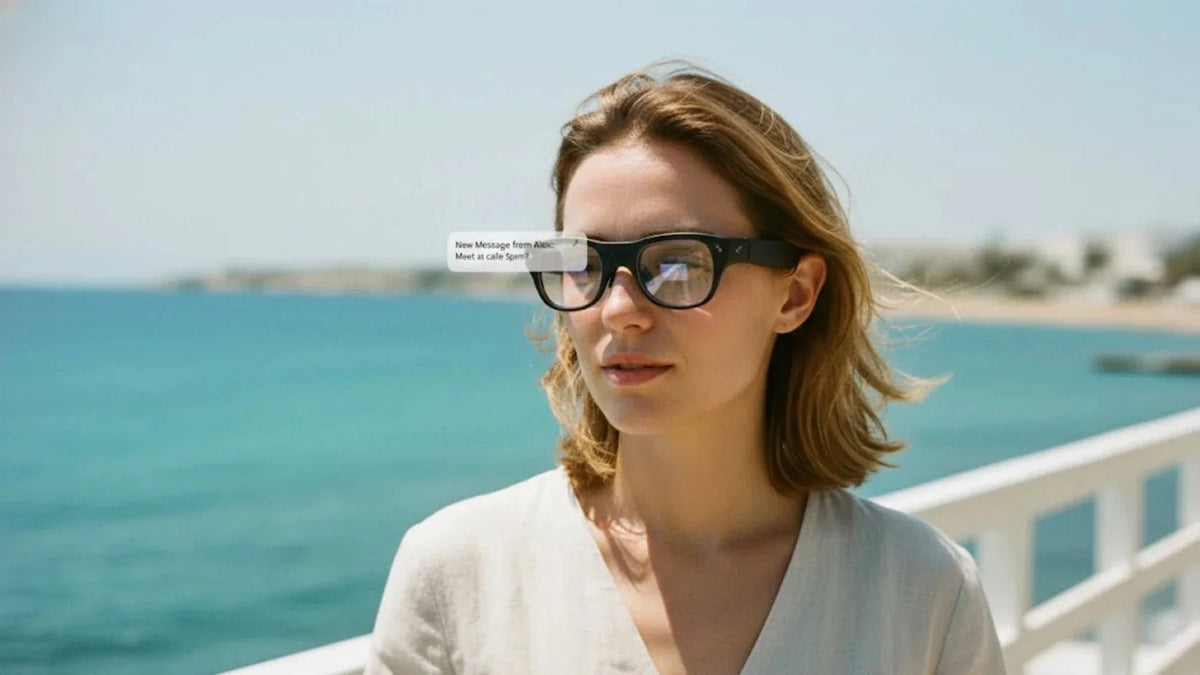
To learn a new language faster in 2026, you need to abandon the traditional test-prep mindset. With the rise of AI-driven personalization tools, wearable devices, and immersive input channels, every minute of practice can now align perfectly with your real-life scenarios and target language environment.
In this article, we will break down the core components of modern language acquisition. This includes AI learning apps, conversational bots, and real-time translation via smart glasses. We will also show you how to build a high-efficiency learning loop. You will learn how to use AI glasses and smart glasses in 2026 to significantly boost your learning speed while resolving the user experience issues that have plagued the industry in recent years.
The core shift in language learning lies in the environment itself becoming smarter. Today, learning is no longer confined to phone screens and paper textbooks. Instead, it happens continuously while you are looking at street signs, ordering takeout, or attending video conferences. We see more users switching from traditional apps to AI-driven, multi-device learning. They want systems that understand their real-world context and provide instant translation, example sentences, and pronunciation feedback.
Our testing over the past few years reveals common frustrations with traditional language apps. Beginners find the content boringly simple, while intermediate learners hit a sudden wall of difficulty. Furthermore, practice material often feels disconnected from real life. Users might need business email phrasing or technical meeting vocabulary, yet the system keeps asking them to describe animals at the zoo. AI-driven engines have solved this. By analyzing your answers, voice recordings, and usage patterns, these systems can establish a precise difficulty curve within a week or two, cutting out useless repetition.
In practice, leading AI services now generate custom practice sentences based on your recent work emails and chat logs. After you complete a few days of tasks, the system automatically adjusts your goals. It might increase your daily vocabulary target from 20 to 30 words or add more speaking prompts. This combination of text, audio, and speech recognition makes personalized learning a measurable reality rather than just a marketing pitch. Internal tests show that under these settings, users see a significant boost in long-term memory retention and speaking confidence within the same study timeframe.

If early language learning felt like working through a test bank, the trend in 2026 is about living in your target language. Learning feels more like an open-world game. More users are turning to AI captions, bilingual podcasts, and interactive videos. They need systems that recognize their current setting and quietly provide translations, footnotes, and examples while they watch shows, browse YouTube, or hold meetings. Our global tests show that a learner with a 1,500 to 2,000-word vocabulary can significantly improve their listening speed and real-world reaction time in about three months if they maintain one hour of high-quality daily immersion.
Common pain points used to include lagging captions, stiff translations, and poor support for slang. Users often report they don't just need word-for-word translations. They want explanations of tone, context, and whether a phrase is appropriate for a meeting. New immersion tools powered by the latest models address this. For example, they might provide literal, liberal, and colloquial versions of a dialogue while marking the politeness level. This turns passive scrolling into a series of small, continuous language upgrades.
In 2026, language learning has moved beyond opening a specific app. It is now about making all your devices work together. Phones, tablets, computers, smartwatches, and smart glasses form a collaborative network. Users want a seamless experience. They might review vocabulary on their phone during a morning commute, use smart glasses for translation prompts during an afternoon meeting, and watch an original language film via screen mirroring in the evening. All progress syncs automatically to a single profile.
This multi-device ecosystem makes fragmented time more valuable. In the past, it was hard to learn effectively while walking to get coffee or waiting for a bus. Now, head-up displays and voice interaction on smart glasses turn these moments into chances to practice high-frequency phrases. Systems can also recognize your location. They might prioritize boarding gate phrases at the airport or shopping vocabulary at the mall. This blend of location and context shifts language learning from studying a subject to training a personal language assistant.
A sustainable and efficient learning plan is usually a system built from multiple overlapping methods. These seven strategies form a high-efficiency framework. You can treat this as a modular toolbox. Choose the combination that best fits your schedule, hardware, and goals rather than following a single rigid path.
AI language apps remain the primary starting point for most people. They are easy to use, provide instant feedback, and update content quickly. In 2026, these apps commonly support real-time voice scoring, personalized lesson generation, and learning curve tracking. The system can analyze your pronunciation and how long you hesitate before answering. This helps it pinpoint exactly which sounds, grammar structures, or topics need more focus. We recommend a narrow and deep strategy for daily practice. Spend 20 to 30 minutes focusing on a single theme. Practice speaking, listening, reading, and writing around that specific topic instead of doing random, unrelated exercises.
Passive input can never replace the pressure and growth of real conversation. This is where AI chatbots and virtual tutors provide value in 2026. Major platforms support long, multi-turn dialogues and role-playing. You can simulate airport security, hotel check-ins, technical interviews, or project presentations. The bot will slow its speech based on your level while keeping natural phrasing and linkings to avoid a classroom feel. Many learners can solve thousands of test questions but freeze when they speak. High-frequency correction playback helps solve this. When you say something unnatural, the system offers three to five more natural alternatives with tone notes. If you use smart glasses, these tips can pop up as small cards in your field of view. This doesn't break the flow but lets you try the updated phrasing in the very next sentence. This instant iteration makes practice feel like real communication.
Efficient learners jump into real content early. They use the language as a tool to get information rather than just a school subject. The 2026 media environment is rich with short videos, live streams, podcasts, and shows. You can find high-quality resources in any niche, such as coding, fitness, photography, or finance. AI captions and sentence-by-sentence breakdowns turn entertainment into immersive study. Many beginners feel overwhelmed by native content. One solution is a semi-managed mode. You can set a video to show original content on one side while the other side displays simplified translations and highlighted keywords. With smart glasses, you can even watch short videos during a commute using a low-brightness window at the bottom of your view. This keeps the information manageable and ensures you can still see your surroundings clearly.
Even the best content won't stick without a scientific review plan. Spaced repetition algorithms significantly improve long-term memory. By 2026, language systems have deeply integrated these algorithms into vocabulary management. The difference now is that the system considers your actual life. If you attended several online meetings this week, the system will prioritize phrases related to business communication in your review queue. This keeps your memory aligned with your daily needs.
Words grow in context. Isolated word lists rarely help with long-term speaking. Users often report knowing a word's meaning but not knowing how to use it naturally in a sentence. Modern tools focus on sentence clusters and scenario blocks. For example, you might study a pack of 30 phrases for remote collaboration. You see the same words used in different sentences throughout the session. This helps your brain build a true semantic network.
Smart glasses play a vital role in 2026 by embedding language learning directly into your vision. In our tests with the RayNeo X3 Pro, the dual-eye Micro LED display remains clear even in bright sunlight. This hardware lets you use real-time translation outdoors or during commutes without lighting issues. Common uses include live conversation translation and text recognition. If you are in a foreign subway station, the glasses can overlay translations onto the signs. In a restaurant, the glasses can highlight unfamiliar words on a menu. The AI engine in the RayNeo X3 Pro covers over a dozen languages. We use it as a portable interpreter during business trips. The system records frequent words and syncs them to a learning app afterward. This learn as you use model is often more effective than a classroom.

A single method only solves one part of the puzzle. AI apps help with rhythm, immersive content improves your ear, and smart glasses help you navigate the real world. To go from zero to fluent quickly, you must combine these tools. We recommend creating a capability matrix. Put listening, speaking, reading, and writing on one axis. Put AI practice, native content, and real-world tasks on the other. Try to hit two or three different squares in that matrix every day.
With the right tools and methods in place, the final challenge is designing a high-efficiency rhythm that actually fits your life. This ensures your tools stay useful instead of being forgotten on your home screen. We have built an actionable daily framework for you based on three factors: goals, time structure, and the balance of four core skills.
Effective learning rarely depends on extreme study hours. Instead, it relies on a clear goal structure and a pace you can maintain over the long term.
Learning without a goal often gets buried by daily chores within a few weeks. We recommend defining your core objective for the next six months in a single sentence. For example, your goal might be giving a ten-minute project report in a business meeting or answering common questions fluently in a study abroad interview. Specific goals make it easier to choose tools and allocate time. They also help you feel a continuous sense of achievement.
On a measurable level, you can set targets for vocabulary, listening time, speaking output, and real-world usage. Aim for reasonable ranges, such as adding 40 active words per week, logging two hours of native content input, and finishing 30 minutes of recorded speaking practice. Smart glasses and mobile apps provide the data for these metrics. If you encounter the same word multiple times while using real-time translation, the system automatically increases its importance. All of this data eventually creates a clear picture of your progress.
Under busy work or academic pressure, the most practical approach is short, high-frequency sessions rather than occasional long marathons. User logs show that learners who make clear progress in six months typically use three to four short windows each day for different training types. This might include 10 minutes of vocabulary and example review in the morning, 20 minutes of AI dialogue during lunch, and 40 minutes of native content input and output in the evening.
When assigning tasks, let your phone handle active learning modules like grammar, writing, and systematic vocabulary. Use smart glasses and earbuds for passive input and contextual translation. For example, play podcasts while commuting or walking, and use real-time prompts during meetings or shopping. By overlapping time and devices this way, your total daily exposure to the target language can reach one to two hours. Subjectively, you won't feel exhausted because you are mostly going about your day, with language learning acting as an embedded background reinforcement.
Many people find that after years of study, their skills are uneven. They might follow a conversation but struggle to speak, or read and write well but fail to react quickly in real dialogue. To avoid this imbalance, ensure your weekly plan includes clear training across all four dimensions. Listening and reading happen through content consumption, while speaking and writing require purposeful output.
In practice, you can treat smart glasses and earbuds as the primary tools for listening and speaking. Use glasses for contextual shadowing and real-time dialogue, and use earbuds for listening comprehension and retelling exercises. Phones and computers should handle the fine-tuning of reading and writing. This includes using AI to grade essays, optimize sentence structures, or extract keywords and examples from professional articles. With this intentional division of labor, every device plays a specific role in your learning ecosystem, and your daily practice naturally becomes more balanced.
In any long-term project, visual progress is the key to staying motivated. Language learning is no different. By 2026, language tools commonly feature detailed progress dashboards. These track consecutive study days, vocabulary mastery, listening hours, and the number of spoken dialogues. Some systems even use physiological data, such as heart rate variability and focus levels, to determine your most efficient study times.
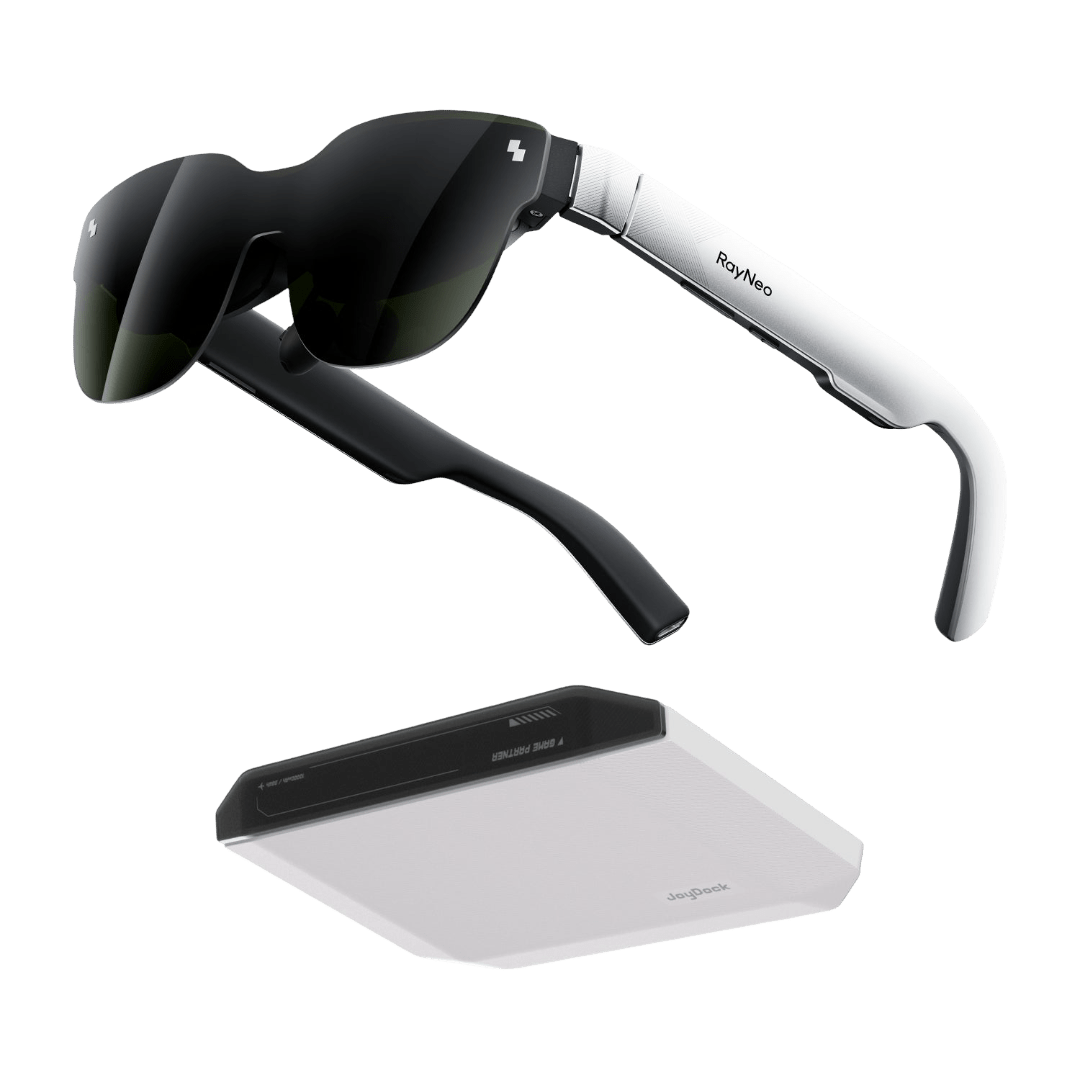
We tested a simple but effective habit in our group trials. Spend 10 to 15 minutes each week reviewing your learning records from the past seven days. Look at which time slots had the most activity and which tasks were neglected. Then, adjust your plan for the coming week. If you use smart glasses like RayNeo X3 Pro or Air 4 Pro AR Glasses for real-time translation and subtitles, check your contextual vocabulary report regularly. This report counts the words and phrases you encounter most often in the real world. These should be your top priority for the next phase. Using data to fine-tune your rhythm is the best way to maintain consistency over time.
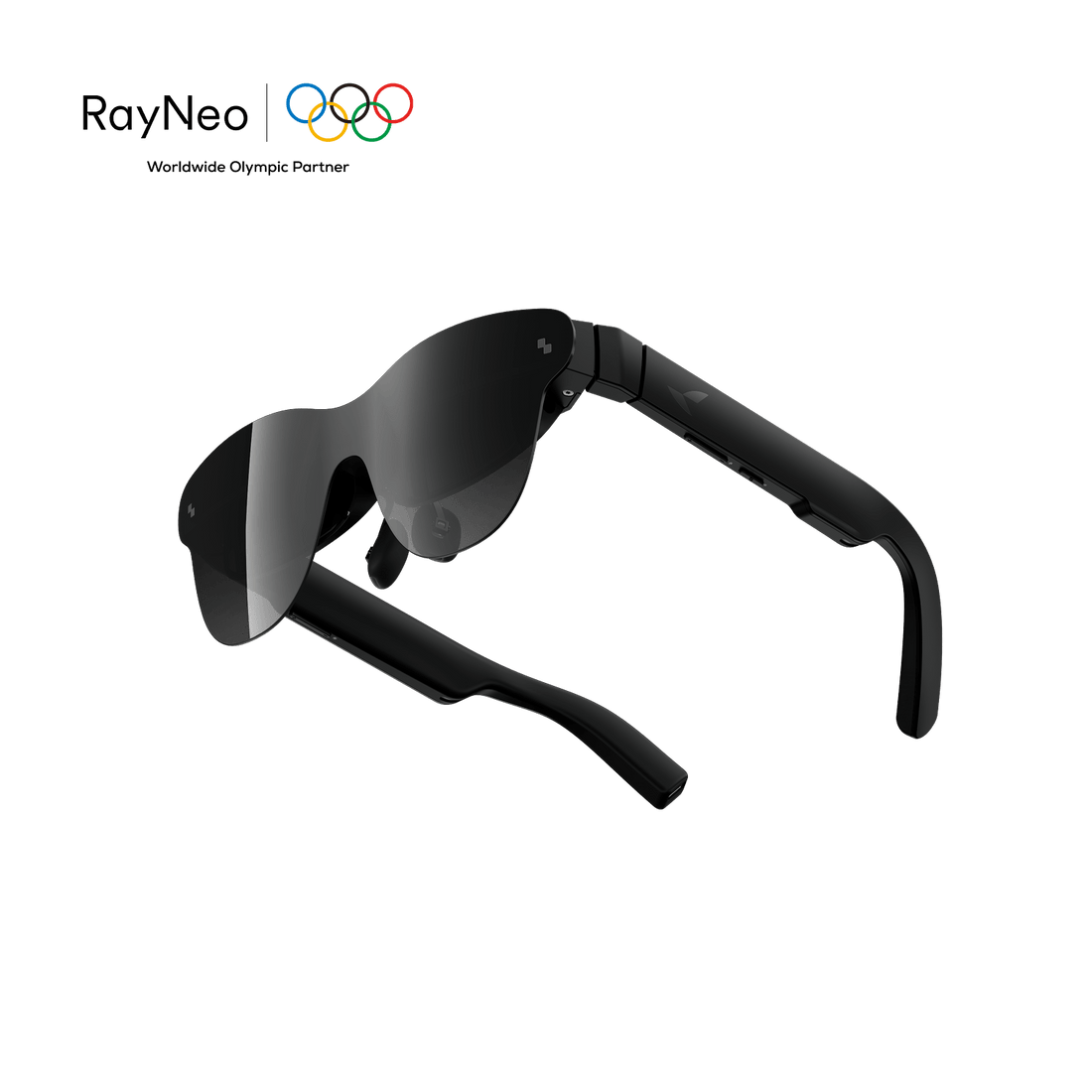
In 2026, mastering a new language quickly has become a comprehensive project. It relies on making the most of AI-driven personalization, immersive content, and next-generation wearables like RayNeo X3 Pro and RayNeo Air 4 Pro. Through long-term testing in cities across multiple countries, we see more users losing their fear of real-world language environments. They use their glasses as portable interpreters and coaches to build practical vocabulary during commutes, meetings, and travels. When language learning is woven into your vision and your spare moments, it stops being a rigid task. In the flow of daily life, we are all quietly gaining a new tool for thinking and expression.





Share:
What is Focal Length?
10 Augmented Reality Applications That Are Changing Everyday Life